
The Truth behind the infamous Philadelphia Experiment?

In October of 1943, a U.S. Navy destroyer was supposedly turned invisible and teleported from Philadelphia to Norfolk. But did it really happen? If the stories are to be believed, the Philadelphia Experiment went something like this.
As it sat in the Philadelphia Naval Shipyard in 1943, the newly commissioned destroyer USS Eldridge was being outfitted with several intriguing devices. These included top-secret generators that were said to be able to make the ship completely invisible to the enemy.


As the final generators were put into place, the crew readied themselves for the system test. There, in broad daylight on a clear summer’s day in the middle of the shipyard, the generators were switched on and a greenish-blue glow surrounded the ship.
Before the crew’s eyes, the ship disappeared entirely.
Witnesses in the Norfolk Naval Shipyard in Virginia reported seeing the Eldridge appear in their waters before it disappeared just as rapidly. Hours later, it showed up back in Philadelphia.
Crew members aboard the ship reported nausea, insanity, and burn marks. Others reported being entirely embedded within the metal structure of the ship, having fallen through floors, or walls during the time it was missing.
Some claim to have re-materialized inside out, or not at all. The only problem with the tale? According to prevailing wisdom, it never happened?

Starting at the Beginning of the Philadelphia Experiment
The story of the Philadelphia Experiment has lived on for decades, despite the fact that much of what is known is pure conjecture. Of the hundreds of stories and details that have been thrown around over the years, only a few things are known for certain.
The first of these is that one Morris K. Jessup, an astronomer specializing in the propulsion of unidentified flying objects (UFO’s), received a letter from a man named Carlos Allende (also known as Carl Allen) who claimed to have witnessed a secret experiment in the Philadelphia Naval Shipyard.

Allende claimed that he was aboard the SS Andrew Furuseth in Philadelphia in 1943 when he witnessed the naval ship USS Eldridge become invisible before reappearing in Virginia, disappearing again, and appearing back in the Philadelphia Naval Shipyard.
He also declared that the experiment was proof of Einstein’s unified field theory, which Allende claimed taught him the theory.
Jessup attempted to investigate Allende’s incredulous claims, though he could not find any physical evidence to support them. Eventually, he wrote Allende off as a fool.

The Philadelphia Experiment Conspiracy Theory is Born
The story might have ended there and then, but in 1957, Jessup was contacted by the Office of Naval Research with a strange report. They told him they’d received a copy of Jessup’s book The Case for the UFO, which detailed how UFO’s might be able to fly.
The book was annotated with notes in three different hand writings, one of which supposedly belonged to an alien. These notes claimed to have an advanced understanding of physics and extraterrestrial technology.

The uncommon use of capitalization and punctuation led experts to believe that the annotator was, at the very least, not a native English speaker.
Jessup himself believed the annotations were the work of Allende, the mysterious letter writer. The annotators discussed the merits of Jessup’s claims and referenced the Philadelphia Experiment multiple times.
For reasons that remain unclear, the ONR decided to publish 127 copies of the annotated book. They were instantly dubbed the Varo editions after their publisher, Varo Manufacturing. So, the story of the Philadelphia Experiment was given new life.

The Lack Of Evidence
Apart from Allende’s claims and the Varo annotations, all reports of the Philadelphia Experiment have been uncorroborated, considered a hoax, or brushed aside, as the claims simply do not conform to the laws of physics.
The government organizations that were allegedly involved declare that it never happened, and indeed no documents have ever been found.
Truly, the mysterious annotated manuscript of Jessup’s book seems to be the only written mention of the Philadelphia Experiment. Over the years, the Philadelphia Experiment has become somewhat of a gambit amongst conspiracy theorists.
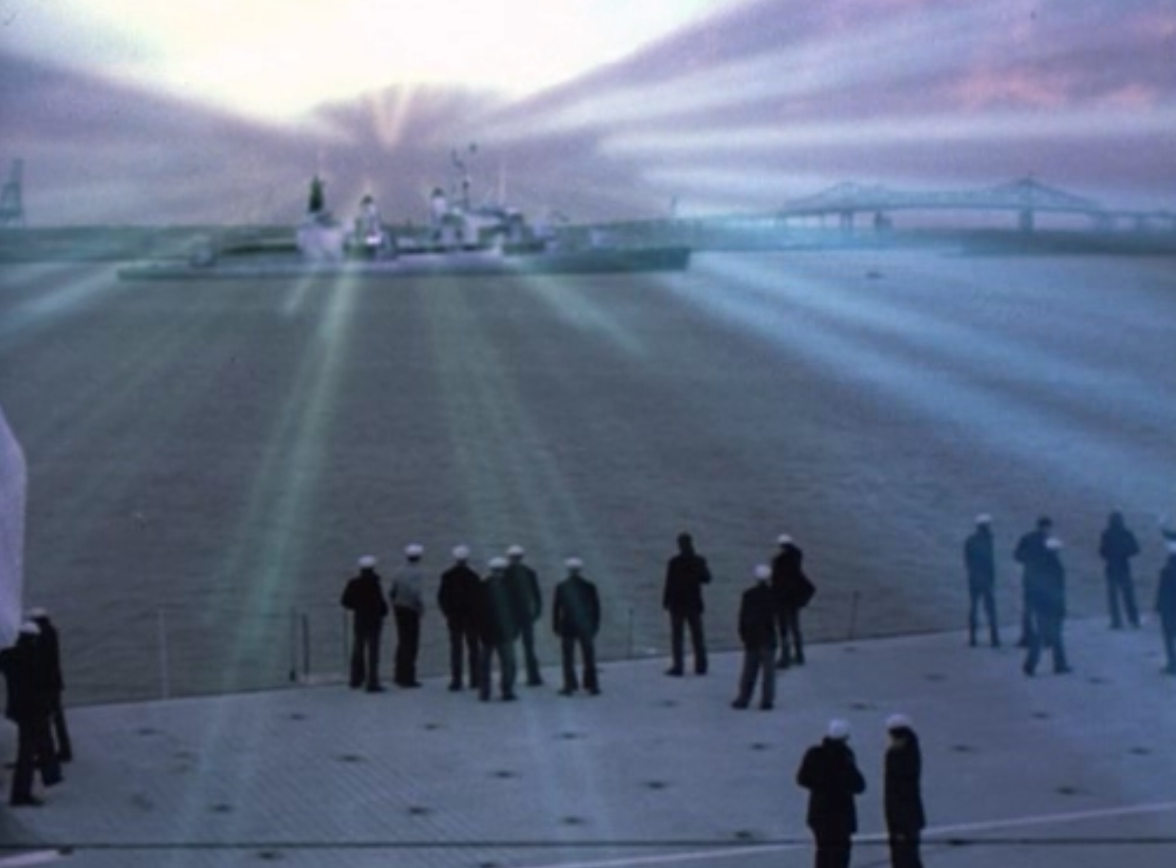
Everyone has their own version of events or explanations as to what could have caused the alleged disappearance and teleportation of an entire naval destroyer, ranging from government contact with aliens to paranormal interference.
The sole fact that Carlos Allende seemed to be the only witness to such a large-scale event seemed to hold most right-minded people back from believing the story. However, in 1988, Allende was joined by another witness.
A man named Al Bielek came forward in 1988, four years after Hollywood had gotten their hands on the story of the experiments and released a movie.

Bielek claimed that he was aboard the Eldridge when it disappeared and that he had been brainwashed to forget it. It was only upon seeing the movie’s depiction of the event that the memories had come flooding back.
Despite the fact that there were now two men who claimed to have firsthand knowledge of the test, the idea that it was a hoax still dominated conversations about the Philadelphia Experiment.

A More Sensible Explanation behind what Happened to the USS Eldridge
Today, most people are inclined to believe the explanation put forth by Edward Dudgeon, a man who had worked as a Navy electrician and was stationed near the USS Eldridge in the summer of 1943.
According to Dudgeon, generators were indeed placed on both the Eldridge and his ship — the USS Engstrom — to make the ships invisible.
However, the term invisible did not apply to the ship’s physical appearance but rather its ability to be detected by the magnetic torpedoes fired by German U-boats. In fact, this process had its own name: degaussing.

Dudgeon also had logical explanations for the ship’s greenish-blue glow and appearance in Norfolk, Virginia. The glow, he said, was likely the result of a lightning-like phenomenon known as St. Elmo’s Fire.
Meanwhile, the fact that the ship seemingly appeared out of thin air in Virginia before reappearing quickly in Philadelphia was explained by inland canals, which were off-limits to civilians and could shorten a two-day commercial journey to just six hours.
Even though Dudgeon put forth an excellent explanation for the Philadelphia experiment, there are still those who choose to believe the more exciting version.

As there are no official documents explaining what transpired, technically speaking there’s no proof for either story.
As for the USS Eldridge itself, it was transferred to Greece and rechristened the HS Leon before being used in exercises during the Cold War. Now, it lies in pieces, after being sold for scrap metal in the 90’s.
All that’s Interesting.com / ABC Flash Point News 2024.
France Castles # 1 : Château de Fougeret, Vienne, Nouvelle-Aquitaine

Where there is a crumbling old château, there must also be a pilfering poltergeist, sinister specter, or perhaps even the ghost of a decapitated Marie Antoinette roaming the hallowed hallways.
There are over 40,000 châteaux in France, many of which have endured a colorful history of revolution, religious conflicts, and wars that lasted up to a hundred years, so is it any wonder that there are more than a couple of ghosts lurking in these turreted towers?

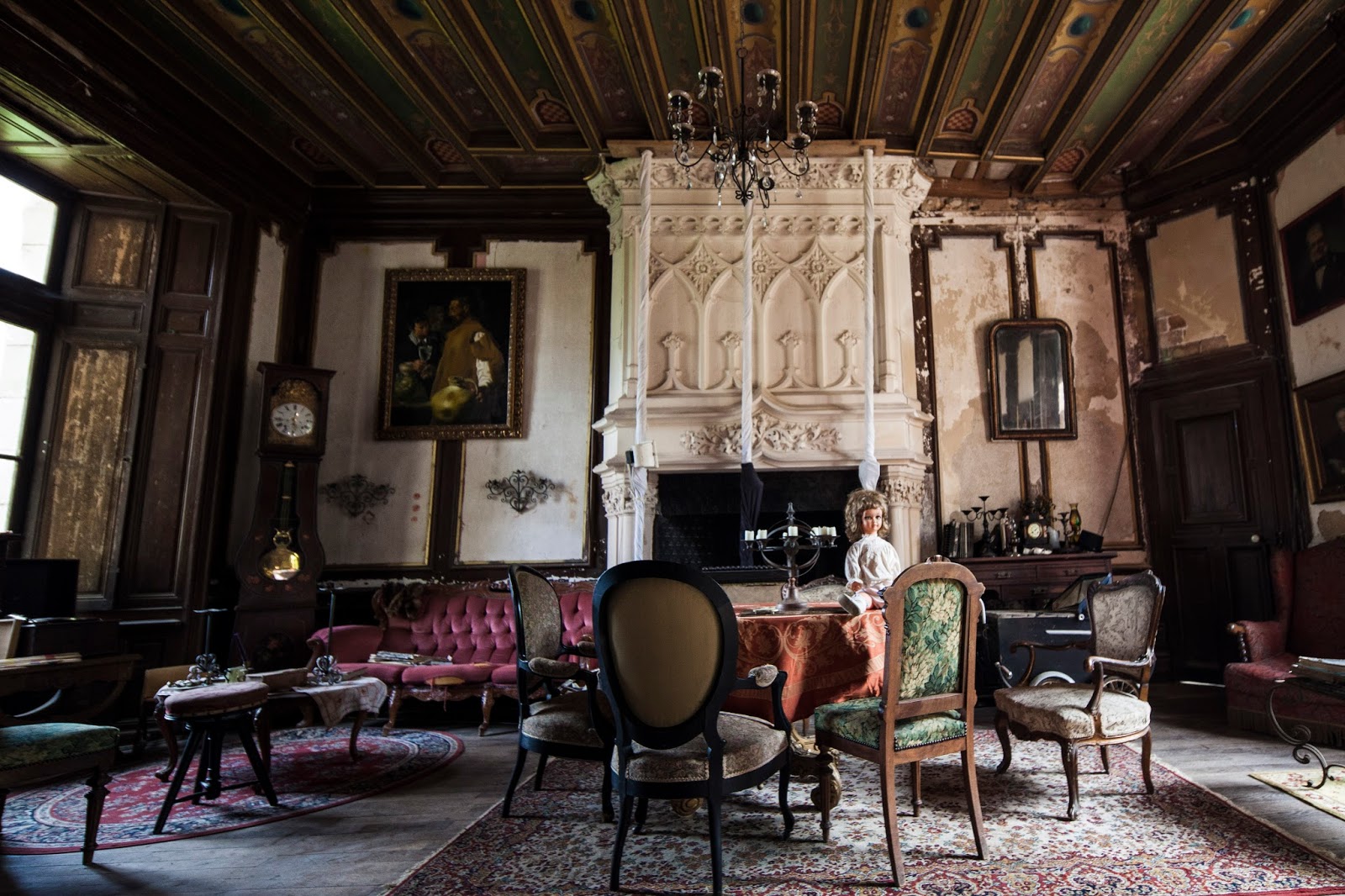

If there was a French version of Most Haunted, Château de Fougeret would top the list. It certainly looks the part: austere slate-turreted spires barely visible in the thick forest that surrounds it, climbing ivy, spooky oil paintings of the dear departed on the walls.
There are too many ghosts to list at Fougeret, but they usually stay confined to quarters.


In the nanny’s room, the ghost of a nanny strokes the hair of sleeping guests and whispers soothing words in their ears (lovely), but in the usher’s room, a man killed by an ax to the sternum ferociously scratches anyone who sleeps there (rather less pleasant).
Strangest of all is Alice’s room, where a young woman died of kidney disease.
People staying in the room in modern times have also been known to fall ill of the same disease, which is fortunately now curable.
Fodor’s Travel / ABC Flash Point News 2025.
France Castles # 2 : Château de Puymartin, Dordogne, Nouvelle-Aquitaine

Where there is a crumbling old château, there must also be a pilfering poltergeist, sinister specter, or perhaps even the ghost of a decapitated Marie Antoinette roaming the hallowed hallways.
There are over 40,000 châteaux in France, many of which have endured a colorful history of revolution, religious conflicts, and wars that lasted up to a hundred years, so is it any wonder that there are more than a couple of ghosts lurking in these turreted towers?

All châteaux worth their salt have a Dame Blanche or White Lady.
In the 16th century, the lady of the castle Thérèse de Saint-Clar was lonely while her husband was away at war. We’d imagine castles were pretty cold at the time, so she found someone else to warm the bed.
Unfortunately for Thérèse, her husband returned unexpectedly, and finding his wife in the arms of another man, he flew into a terrible rage.


He killed the man and imprisoned Thérèse in the north tower, where she stayed even after her death.
Thérèse’s ghost still prowls the north wing, gliding up and down the stairs and pacing the circular rooms, always around the time that the clock strikes midnight.
Fodor’s Travel / ABC Flash Point News 2025.
Mexico’s Triumph over the French @ Cinco de Mayo

Before Cinco de Mayo became associated with tacos and margaritas, the day served as a reminder of Mexico’s triumph over the French.
Celebrated annually, Cinco de Mayo commemorates the Mexican army’s victory over the Second French Empire, led by Napoleon III, at the Battle of Puebla on May 5, 1862, hence the name.

The holiday is celebrated across the USA and in parts of Mexico, particularly in the City of Puebla, where the epic battle took place.
Americans, including people of Mexican American heritage, along with our neighbors in Mexico, celebrate with parades, festivals, music and food. This year, Cinco de Mayo falls on Monday, May 5.
While Cinco de Mayo honors Mexico’s resilience and bravery in the face of strife, the holiday has also become, for some, an excuse to party.


Everyone thinks that it’s just party time, it’s Corona time, Mario García, a Chicanx historian from the University of California at Santa Barbara, shared in a May 2023 interview with USA TODAY.
It’s OK for people to go out and have a good time on a holiday like Cinco de Mayo — at least they have some sense that it’s some kind of a Mexican holiday.
But we should go beyond that. We should have Cinco de Mayo events that go beyond partying and drinking, where we call attention to what the history is.


Cinco de Mayo a Mexican Independence Day?
Though many might know the lore behind Cinco de Mayo, it is often confused with Mexico’s Independence Day, which falls on September 16. It is known as the Día de la Independencia in Mexico.
Part of the confusion about what Cinco de Mayo celebrates likely stems from the names of the two holidays, which might be harder for some English speakers to say.
Cinco de Mayo is much catchier than the day of Mexico’s independence (Diez y seis de Septiembre), García said.

Another issue is that not enough American schools teach the importance of Chicanx history and its peoples’ contributions to the USA. When you study the history of Chicanos and Latinos, of course, they’ve been history makers
They’ve been involved in all aspects of American history, not to mention the wars … In World War II alone, almost half a million Latinos – mostly Mexican Americans – fought in the war. And they won a disproportionate number of congressional Medals of Honor.


The Battle at Puebla also occurred more than 50 years after the country broke free of Spanish rule. The reason the battle happened in the first place was because French Emperor Charles-Louis Napoléon Bonaparte wanted to claim Mexico for himself.
The French sent troops to force President Benito Juárez and the government out of Veracruz, Mexico.

An outnumbered band of Mexican soldiers faced 6,000 French troops at daybreak in Puebla, a city in east-central Mexico, on May 5, 1862. Mexico, miraculously, was able to claim victory by the evening, at which time Juárez declared May 5 a national holiday.
The victory also helped prevent the French from settling in and helping the American Confederacy in the Civil War, according to History.com.
Yahoo / ABC Flash Point News 2025.
Dutch Royal Family escapes to England during Wold War 2
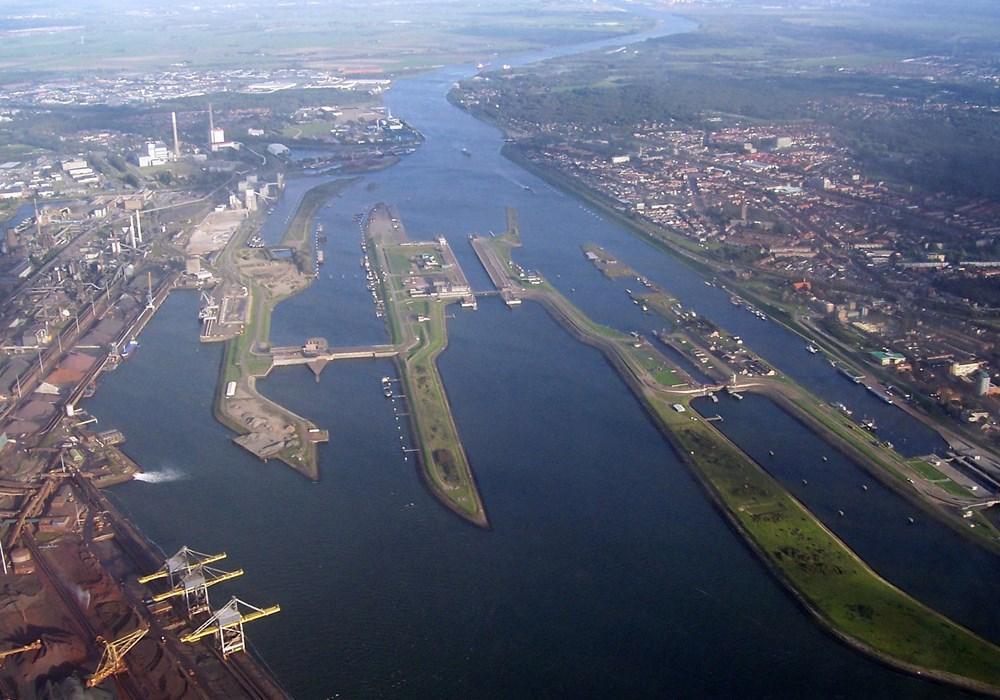
During the German invasion, the Dutch royal family stayed at Noordeinde Palace in The Hague. German troops had landed in the vicinity of The Hague. The attack was repelled, but not all of the troops were defeated.
The provinces of Brabant, Rotterdam, Gelderland, and Friesland saw most of the action. In a crashed German airplane, they discovered a plan to capture the Dutch cabinet and the Royal Family.
The Dutch supreme command did not know how long the army would be able to keep the Germans at bay, since the Germans were clearly in the majority.
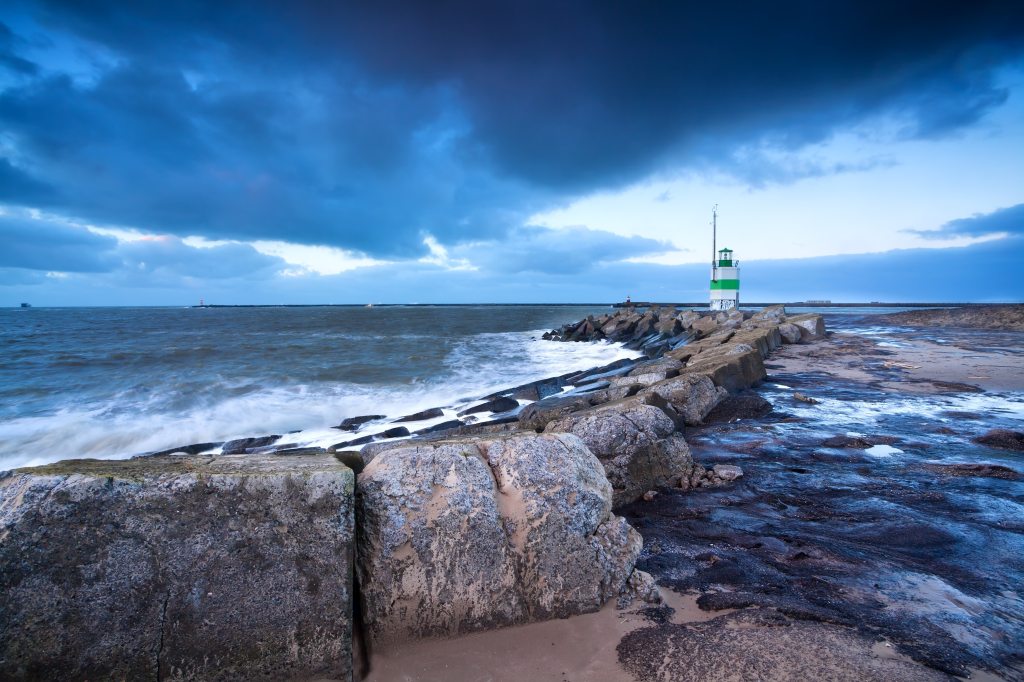
After two days, Queen Wilhelmina and Prince Bernhard decided that Bernhard would flee the country with his wife Princess Juliana and their two children because their safety could not be guaranteed. In IJmuiden, they boarded a torpedo-boat to Harwich (England).
A few hours later, Wilhelmina also left for Harwich. King George VI welcomed them. A few hours later, the Dutch government also escaped to England. General Winkelman was now the highest authority in the country.
When the news came the next day that the queen and her cabinet had fled the country, it came as a big blow to the Dutch people. Up until that point, the newspapers had mainly reported on the military successes of the Dutch.
The situation turned out to be more serious than people had expected. Some criticized the queen and called her a coward. During the occupation, however, the queen came to be an important symbol of the fight against Nazi Germany.
The Dutch government-in-exile, also known as the London Cabinet, was the government in exile of the Netherlands, supervised by Queen Wilhelmina, that fled to London after the German invasion of the country during World War II on 10 May 1940.
The government in exile had control over the Free Dutch Forces (*NSB).

Until 1940, the Netherlands was a neutral country that was generally on good terms with Germany. On 10 May 1940, Germany invaded the Netherlands. Queen Wilhelmina fled the country aboard the British destroyer HMS Hereward, arriving in London on 13 May.
The Dutch armed forces surrendered two days later as they had been unable to withstand the speed of Germany’s Blitzkrieg style attack. In London, the queen took charge of the Dutch government-in-exile, which was established at Stratton House in the Piccadilly area of London, opposite Green Park.
Initially, their hope was that France would regroup and liberate the country. Although there was such an attempt, it soon failed, and the Allied forces were surrounded and forced to evacuate at Dunkirk. The Dutch armed forces in the Netherlands except for those occupying Zeeland surrendered on 15 May 1940.

To safeguard the succession, the heir to the throne, Princess Juliana, along with her family, was sent farther away to Canada, where they spent the war. The government-in-exile was soon faced with a dilemma.
After France had been defeated, the Vichy French government came to power and proposed to Adolf Hitler a policy of collaboration. That led to a conflict between Prime Minister Dirk Jan de Geer and the Queen. De Geer wanted to return to the Netherlands and collaborate as well.
The government-in-exile was still in control of the Dutch East Indies with all its resources and was the third-largest oil producer in the world, after the United States and the Soviet Union.

Wilhelmina realized that if the Dutch collaborated with Germany, the Dutch East Indies would be surrendered to Japan, as French Indochina was surrendered later by orders of the Vichy government.
As the hope for liberation was now the entry of the Americans or the Soviet Union into the war, the Queen dismissed De Geer as prime minister. She replaced him with Pieter Sjoerds Gerbrandy, who worked with Churchill and Roosevelt on ways to smooth the path for an American entry.
Aruba and Curaçao, with world-class exporting oil refineries, were important suppliers of refined products to the Allies. Aruba became a British protectorate from 1940 to 1942 and a US protectorate from 1942 to 1945.

On 23 November 1941, under an agreement with the Dutch government-in-exile, the United States occupied Dutch Guyana to protect the bauxite mines. An oil boycott was imposed on Japan, which helped to spark the Pearl Harbor attack.
In September 1944, the Dutch, Belgian and the Luxembourgish governments in exile began formulating an agreement over the creation of a Benelux Customs Union. The agreement was signed in the London Customs Convention on 5 September 1944.
The Queen’s unusual action was later ratified by the States General of the Netherlands in 1946. Churchill called her the only man in the Dutch government. After World War II ended, Wilhelmina and her government returned from exile to re-establish a regime more capitalist than ever before.
ABC Flash Point News 2025.
Caribbean Guilder, Kings Day & Mass Tourism

Date : 26/04/2025, Time 10.46 AM
Tourism can make human beings more comfortable with nature’s wonders and cultural sites, but with it comes the responsibility to keep them safe. Unfortunately, some sites have suffered enormous losses due to uncontrolled tourist activity. Here are five beautiful places that lost their charm due to human negligence.
Top 5 Beautiful places destroyed by Tourism :

1. Mount Everest Base Camp, Nepal
The crown jewel of the Himalayas, Mount Everest has seen its base camp turn into a virtual dump yard. The crowds of climbers and trekkers leave heaps of trash like plastic bottles, food packets and even oxygen cylinders. The fragile ecosystem is in a critical state, with trash piling up at an alarming rate, spoiling the charm of this iconic place.
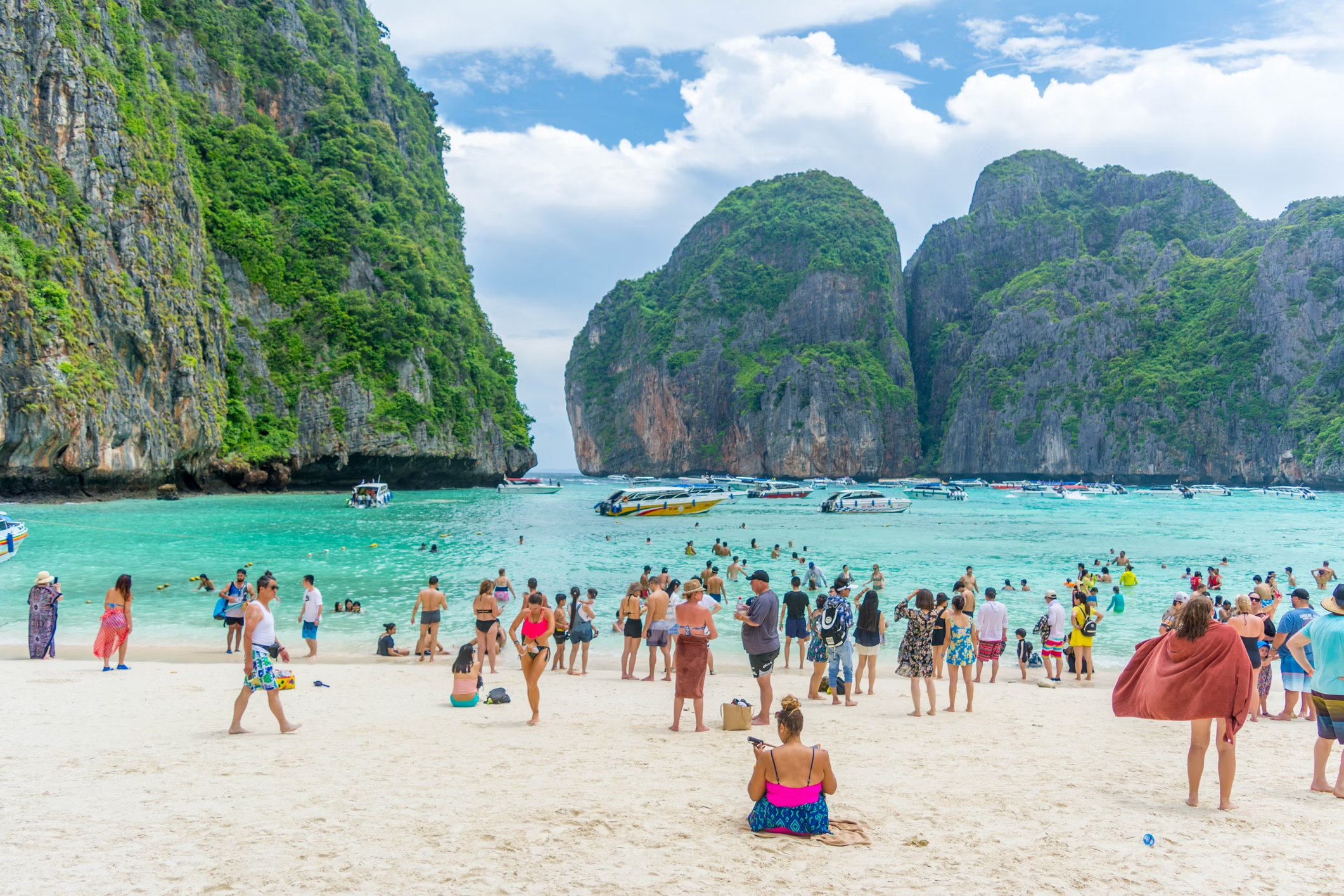
2. Maya Bay, Thailand
Popularized by the movie The Beach, Maya Bay was once a sandy heaven of crystal waters and colorful coral reefs.
But the invasion of thousands of tourists a day has put its marine ecosystem to enormous devastation.
Corals were crushed and polluted, and thus authorities shut the bay forever in 2018 for ecological rehabilitation.

3. Venice, Italy
Venice, city of love and canals, has fallen prey to over-tourism. Huge crowds of tourists, cruise ships and pollution have gotten the better of this UNESCO World Heritage Site. Tourists neglect indigenous culture, trash and even vandalize historic buildings. Increased water levels and severe human caused erosion have endangered Venice’s loveliness.
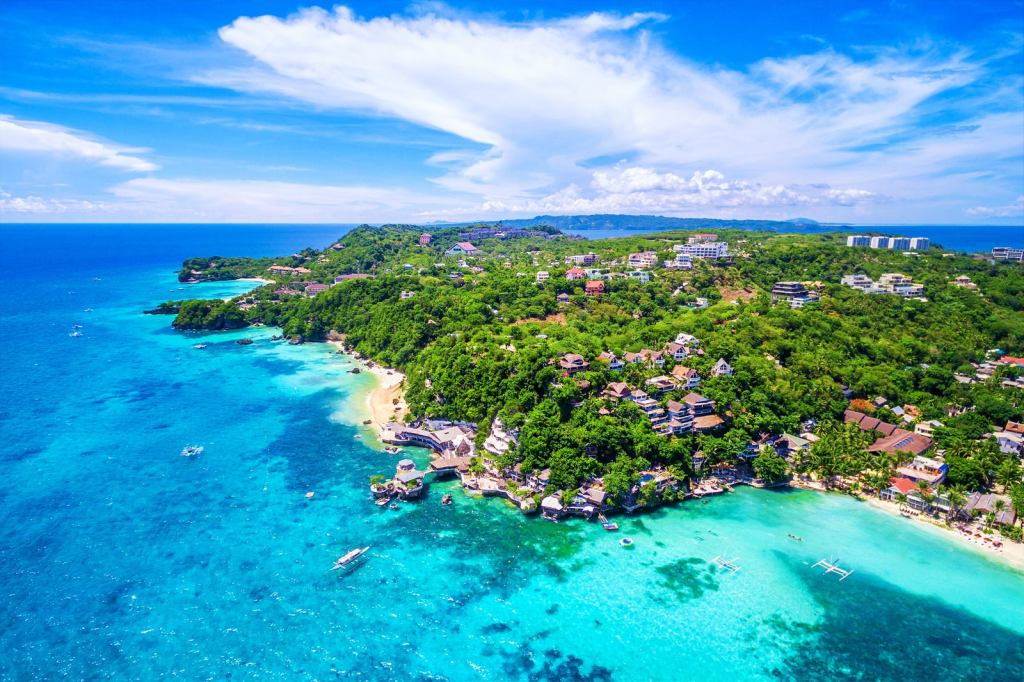
4. Boracay Island, Philippines
Boracay Island was a turquoise-sea and white-sand heaven, but untamed and mass tourism ruined it. Hordes of tourists, untreated sewage, and improper waste disposal desecrated its beauty.
The Philippine government closed the island for environmental rejuvenation in 2018 temporarily, but the damage is an eye-opener for us.
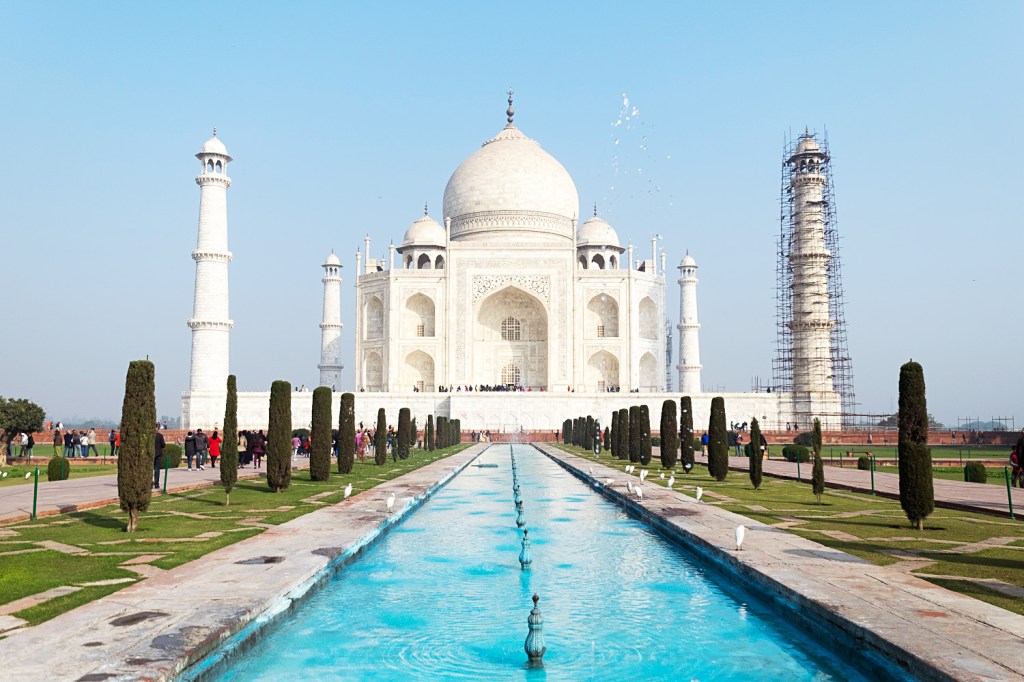
5. Taj Mahal, India
One of the Wonders of the Seven Worlds, the Taj Mahal, suffered damage due to overpopulation. Trash and pollution have disfigured the marble building, and its gardens are widely walked on. Despite damage control efforts, this masterpiece of art remains under attack by vast amounts of people.
These examples prove the urgent need of responsible tourism. Tourists must undertake initiatives such as avoiding wastage, being compliant with local laws, and not causing harm to the environment.
If we are careful, then we can ensure that such beautiful places are preserved for future generations so their beauty along with their cultural heritage is preserved.



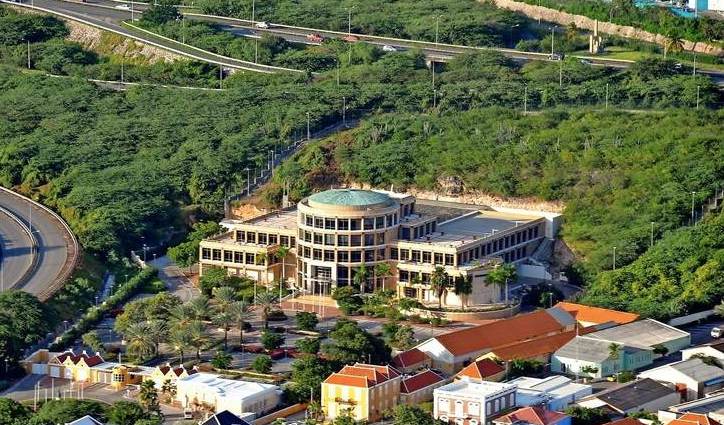
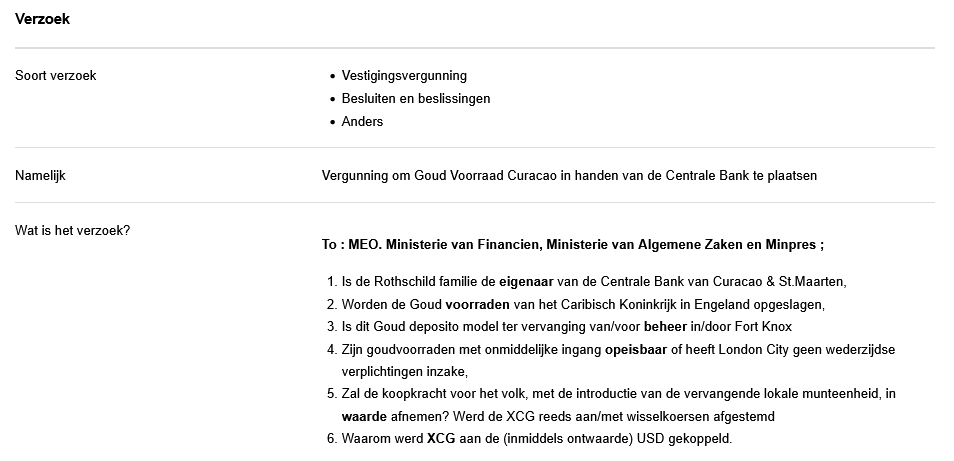


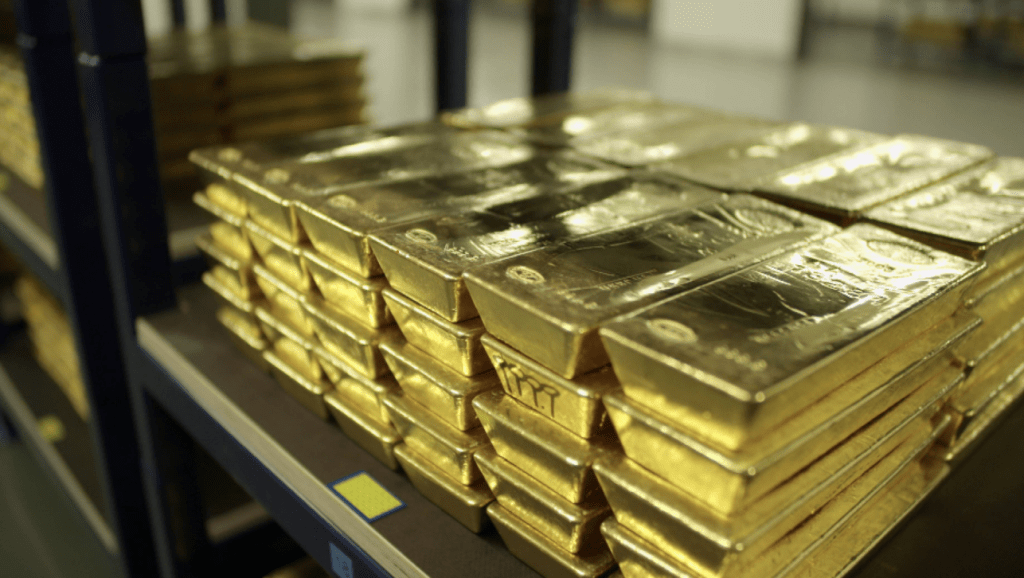
Hebacu NV / ABC Flash Point News 2025.
Russia’s Arctic Sea Lane to Become Major Trade Route between Europe and Asia
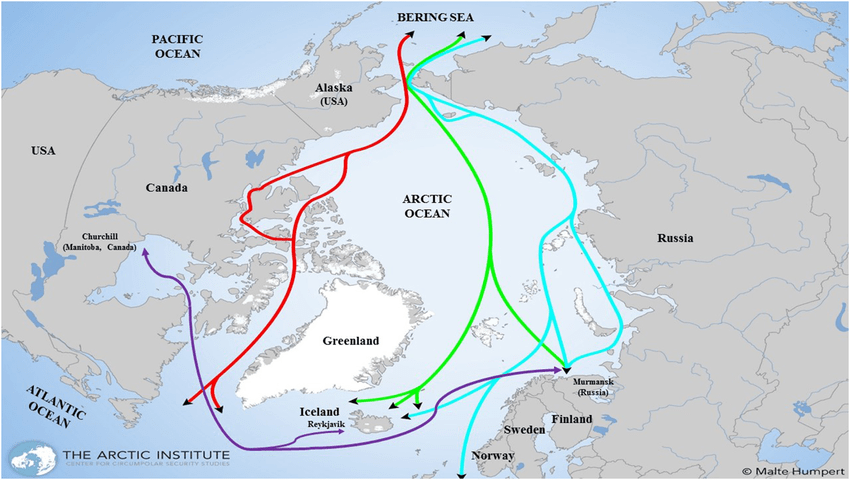
The Northern Sea Route is expected to become a major trade route for goods shipped between Europe and Asia. It stretches the entire length of Russia’s Arctic and Far East regions.
Ships under the Russian flag could get the exclusive right to transport oil and gas along the Northern Sea Route, according to Russian President Vladimir Putin who proposed the measure to boost the country’s shipbuilding industry.

The corresponding bill is currently being considered in the State Duma. to be adopted soon.
It will increase the volume of shipping, strengthen the position of the domestic shipping companies. The Christophe de Margerie is the first LNG tanker and icebreaker in the world.
The Russian tanker has completed its first commercial voyage, delivering liquefied natural gas (LNG) through the Northern Sea Route from Norway to South Korea.

The entire voyage from Hammerfest in Norway to Boryeong in South Korea via the Russian Northern Sea Route took 19 days, which is about 30% shorter than the traditional southern route through the Suez Canal.
The route runs the length of Russia’s Arctic and was completed in a record six and a half days. The tanker had an average speed of more than 14 knots (about 28 km/ph) despite the fact that the vessel was forced to go through ice fields 1.2 meters thick.
The amount of cargo transported via the Northern Sea Route exceeded the Soviet record last year, at 7.5 million tons. By 2030 the volume is expected to skyrocket to 70 million tons.
Ships will mainly transport liquefied natural gas (LNG),oil, and coal. The Arctic route from Southeast Asia to Europe cuts the transportation time in half compared to traditional routes through the Suez and Panama canals.
In Soviet times, it was used mainly to supply goods to isolated settlements in the Arctic.
RT.com / ABC Flash Point Shipping News 2018.
When was Jesus Christ born?

The birth of Jesus Christ is commemorated by millions of people around the world with Christmas celebrations on Dec. 25. Yet, most scholars agree that he wasn’t born on that day, or even in the year A.D. 1.
Researchers have speculated that the Roman Catholic Church chose Dec. 25 because it ties in with the winter solstice and Saturnalia, a festival dedicated to the Roman deity Saturn.

The church could also co-opt this popular pagan festival, as well as the winter celebration of other pagan religions, by choosing this day to celebrate Jesus’ birthday, according to scholar Ignacio L. Götz in his book Jesus the Jew: Reality, Politics, and Myth-A Personal Encounter (Christian Faith Publishing, 2019).
However, nobody really knows exactly when Jesus was born.
Some scholars believe that he was born between 6 B.C. and 4 B.C., based partly on the biblical story of King Herod the Great.
In an attempt to kill Jesus, the king allegedly ordered the death of all male infants under the age of 2 who lived in the vicinity of Bethlehem, an event known as the Massacre of the Innocents.
This occurred shortly before Herod’s own demise, a date which is still disputed. However, most scholars, including Peter Richardson and Amy Marie Fisher in their book Herod: King of the Jews and Friend of the Romans: Second edition (Routledge, 2018), follow the date used by Roman historians, who believed that Herod died in 4 B.C.

But historians disagree about Herod’s actual year of death, and many have argued that the mass infanticide is nothing more than a legend.
In his book Zealot: The Life and Times of Jesus of Nazareth (Random House, 2013), biblical scholar and author Reza Aslan wrote that Herod’s massacre was an event for which there exists not a shred of corroborating evidence in any chronicle or history of the time whether Jewish, Christian, or Roman.


Other scholars have attempted to correlate the Star of Bethlehem, which supposedly heralded Jesus’ birth, with actual astronomical events to pinpoint his birth year.
For example, in a 1991 article in the Quarterly Journal of the Royal Astronomical Society, astronomer Colin Humphreys proposed that the fabled star was actually a slow-moving comet, which Chinese observers recorded in 5 B.C.
However, Humphreys’ theory has since been debunked. Computer calculations of the previous stars in those days point at the planet Jupiter.

The month of Jesus’ birth has also been a point of debate, with one theory suggesting that the Star of Bethlehem may have been Venus and Jupiter coming together to form a bright light in the sky, a rare event that occurred in June of 2 B.C.
Another possibility is a similar conjunction between Saturn and Jupiter, which occurred in October of 7 B.C. There has also been speculation that Jesus was a spring baby.
Götz suggests that Jesus could have been born in the late spring of the year because pregnancies began in the fall after the harvests were in and there was enough money for a wedding feast.
Live Science / ABC Flash Point News 2024.
France Castles # 5 : Château de Commarque, Dordogne, Nouvelle-Aquitaine

Mysterious Château de Commarque was abandoned for centuries, and even today, much of the château is in ruins. The original castle was built in the 12th century.
During the Hundred Years’ War (1337—1453), the master of the castle, the Count of Commarque, was fighting with his neighbor, the Baron of Beynac.


In a Romeo and Juliet-esque scenario, the Count’s daughter fell in love with the Baron’s son, and the story doesn’t have a happy ending in Shakespearean style.
The Count imprisoned the Baron’s son for several months before finally executing him.


It’s not the hapless man’s ghost that wanders the ruins now, but that of his horse, faithfully searching for his master like a kind of hooved Greyfriars Bobby.
But naturally, the horse only appears when the moon is full.
Fodors Travel / ABC Flash Point News 2025.
France Castles # 6 : Château de Trécesson, Campénéac, Brittany

You know when you launch into a Monopoly game that drags on for so long that you feel it will never end? That’s the case for the spectral card players at Château de Trécesson, doomed to play Cheat for all eternity.
Well, we don’t know exactly which card game they’re playing, but several guests at the château have reported seeing a group of ghostly figures playing cards.


They’re not the only paranormal presence at Trécesson, though. Remember that it’s a truth universally acknowledged that all decent châteaux should have a resident White Lady.
Trécesson’s White Lady wears a floral crown and a silky white gown and is believed to be a young woman who was buried alive by a jealous rival before her wedding night.
Fodors Travel / ABC Flash Point News 2025.
France Castles # 7 : Château d’Olhain, Pas-de-Calais, Grand-Est
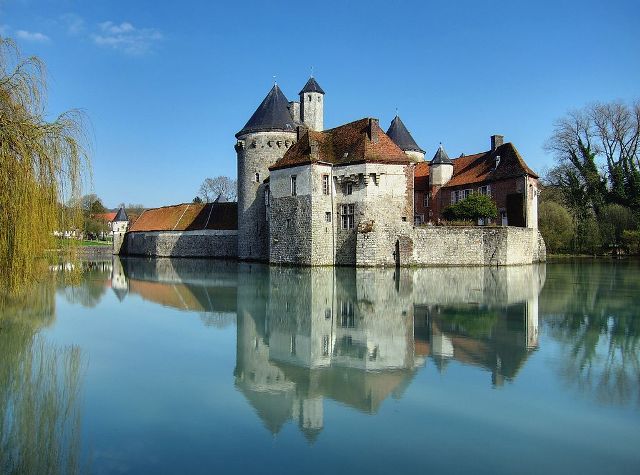
The French are renowned for their cuisine, so is it any wonder that there’s a castle with a haunted banquet hall?
On a wet and windy autumn night (as tends to be the setting for ghost stories), the Lord of d’Olhain was enjoying a feast with his pals, the wine free-flowing, when there was a knock at the door.


An elderly pilgrim stood outside and begged for food and lodging. Far from merely turning him away, the Lord plunged his dagger into the old man’s heart and threw his body in the moat.
The following day, the Lord threw another banquet (we’ll bet he had gout). His dinner guests were joined at the table by a host of faceless monks, who raised daggers above their heads in unison and emitted a bloodcurdling scream.
Unsurprisingly, the guests left in a hurry. The pilgrim’s ghost still occasionally appears in the banquet hall.
Fodors Travel / ABC Flash Point News 2025.
Hotel, Cruise & Tourist Taxes to Combat Mass Country Invasions
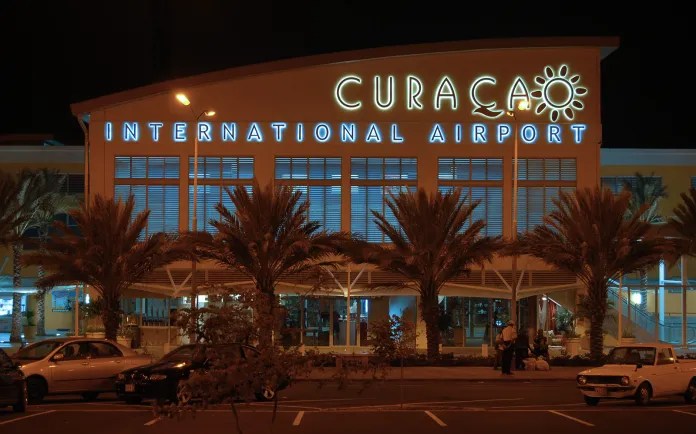
Considering a trip to Europe, Asia, or the Caribbean this year? Well, be ready to budget beyond flights and hotels, as many popular international destinations are implementing or increasing tourist taxes to combat over-tourism and manage the strain on local resources.
From Bali’s crackdown on unruly tourists to Venice’s battle against mass tourism, governments are turning to visitor levies to control crowds, protect historic sites, and offset the ecological damage caused by over-tourism.
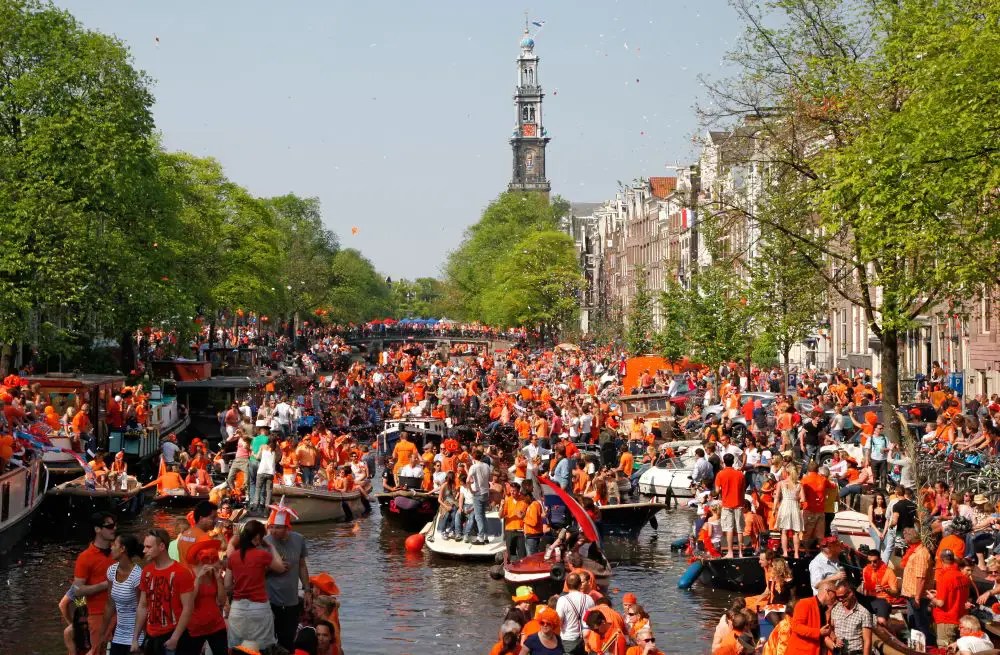
In Amsterdam, where frustrated locals protested against excessive tourism, the city responded by raising hotel taxes to 12.5%, making it one of the highest in Europe.
In Mexico, authorities plan to charge cruise passengers $42 per person, making ports like Cozumel and Cancun significantly more expensive for visitors.
Greece is implementing a €20 ($22 USD) per-person cruise arrival fee to limit the overwhelming influx of tourists in Santorini and Mykonos.

In some countries, what started as a modest fee has evolved into steep, unavoidable costs in many places. While some fees go unnoticed, others—like Bhutan’s staggering $100 per-day charge for visitors—can make or break your vacation budget.
Mexico: VISITAX & Cruise Passenger Tax
In Quintana Roo, which includes destinations like Cancun and Tulum, requires foreign tourists to pay a fee known as VISITAX.
Approximately $17 USD per person, this tax is mandatory and must be paid by all international visitors, including children, before departing the state.
Mexico also plans to impose a $42 immigration tax for each cruise ship passenger docking in the country this year.
Japan: Departure & Lodging Tax
Japan enforces an International Tourist Tax, commonly called the “Sayonara Tax,” which costs 1,000 yen (approximately $9) and applies to all travelers leaving the country.
In 2026, Kyoto is set to increase its lodging tax, with rates potentially reaching up to 10,000 yen (approximately $70) per night, a significant rise from the previous 1,000 yen cap.
Italy (Venice): Day-Tripper Fee
Starting April 18, 2025, Venice will implement a €5-€10 ($5.50-$11 USD) Access Fee for day-trippers visiting the historic city center on select dates, primarily weekends and holidays, until July 27, 2025.
Vacationers must register and pay online in advance, receiving a QR code for inspection, while overnight guests, residents, students, and children under 14 are exempt. Non-compliance can result in fines between €50-€300 ($55-$330 USD).
Spain: Hotel, Cruise, and Tourist Tax
Barcelona has both a regional tourist tax and a city tax. The city tax is a flat rate of €4 (approximately $4.35) per person per night. Additionally, cruise ship passengers staying in Barcelona for over 12 hours must pay €6.25 (roughly $6.80).
The Balearic Islands, encompassing Ibiza, Mallorca, and Menorca, have announced plans to raise their tourist tax by up to 200%.


This means that overnight charges could increase from €4 to €6 per person per night, particularly impacting those staying in four and five-star hotels during the summer months.
Cruise ship passengers might also see charges rise from €2 to €6 per night.
France (Paris): Hotel Tourist Tax
Paris charges a tourist tax per person per night, with the rate varying by the hotel’s star rating.
For instance, 5-star rated accommodations have a nightly charge of €3.30 (approximately $3.60), and 2-star rated accommodations have a nightly charge of €0.99 (roughly $1.10).
United Kingdom (Edinburgh): Tourist Levy
Edinburgh is set to introduce a £2 (approximately $2.70 USD) per night tourist levy per person, which will apply to visitors staying in hotels, Airbnbs, and other short-term rentals.
Germany (Berlin): City Tax on Hotels
Berlin’s City Tax is 5% of the net room rate (excluding VAT and service fees). The tax is capped at 21 successive days. Business travelers are exempt from the tax but must prove the purpose of their trip.
Thailand: Tourist Entry Fee
Thailand plans to reintroduce a tourist entry fee of approximately 300 Thai Baht (roughly $9) for international travelers arriving by air.
Portugal: Hotel Tax
Around 40 Portuguese municipalities have implemented a tourist tax on overnight stays, with nine additional municipalities planning to introduce such fees later this year.
In Lisbon, the city tax increased to €4 per guest per night, applicable for up to seven consecutive nights, with exemptions for children under 13. Porto’s tourist tax is €3 per night.

In the Algarve region, seven municipalities, including Faro, have implemented a tourist tax, charging €2 per person per night during the high season (March to September) and €1 during the low season (October to February).
The Azores introduced a €2 per person per night tax for up to three nights.
Greece: Accommodation & Cruise Tax
Greece vacationers are subject to a daily tourist tax that varies depending on the type and classification of the accommodation.
This year, Greece will implement a €20 (approximately $22) per-person arrival fee for cruise passengers visiting Santorini and Mykonos during the summer.
Netherlands (Amsterdam): Hotel Tax
Amsterdam has a tourist tax of 12.5% of the accommodation cost.
Indonesia (Bali): Tourist Entry Fee
In 2024, Bali has a tourist tax of 150,000 Indonesian rupiah (approximately $10) per traveler.
New Zealand: International Visitor Levy (IVL)
New Zealand enforces an International Visitor Conservation and Tourism Levy (IVL) of NZD 100 (approximately $65) when applying for an eTA (Electronic Travel Authority) or visa.
Austria (Vienna): Hotel Tourist Tax
Vienna has a local tourist tax of approximately 3% of the accommodation cost.
Switzerland: Hotel Tax (Varies by Region)
Switzerland imposes a tourist tax that varies by canton and municipality. The average cost is around CHF 2.20 (approximately $2.40) per person per night.
Malaysia: Tourist Tax on Hotel Stays
Malaysia requires international guests to pay a tourist tax of RM 10 (approximately $2.40) per room per night at registered accommodations.
Ecuador (Galápagos Islands): Entry Tax
To protect the unique ecosystem of the Galápagos Islands, Ecuador has an entry tax of $200 for international visitors.
Bhutan: Sustainable Development Fee (SDF)
Since 1991, Bhutan has charged visitors a daily Sustainable Development Fee (SDF). Currently that fee is $100 per person to ensure high-value, low-impact tourism.
Countries With Tourist Taxes
In Amsterdam, where frustrated locals protested against excessive tourism, the city responded by raising hotel taxes to 12.5%, making it one of the highest in Europe.
In Mexico, authorities plan to charge cruise passengers $42 per person, making ports like Cozumel and Cancun significantly more expensive for visitors.
Greece is implementing a €20 ($22 USD) per-person cruise arrival fee to limit the overwhelming influx of tourists in Santorini and Mykonos.
In some countries, what started as a modest fee has evolved into steep, unavoidable costs in many places. While some fees go unnoticed, others—like Bhutan’s staggering $100 per-day charge for visitors—can make or break your vacation budget.
Mexico: VISITAX & Cruise Passenger Tax
In Quintana Roo, which includes destinations like Cancun and Tulum, requires foreign tourists to pay a fee known as VISITAX.
Approximately $17 USD per person, this tax is mandatory and must be paid by all international visitors, including children, before departing the state.
Mexico also plans to impose a $42 immigration tax for each cruise ship passenger docking in the country this year.
Japan: Departure & Lodging Tax
Japan enforces an International Tourist Tax, commonly called the “Sayonara Tax,” which costs 1,000 yen (approximately $9) and applies to all travelers leaving the country.
In 2026, Kyoto is set to increase its lodging tax, with rates potentially reaching up to 10,000 yen (approximately $70) per night, a significant rise from the previous 1,000 yen cap.
Italy (Venice): Day-Tripper Fee
Starting April 18, 2025, Venice will implement a €5-€10 ($5.50-$11 USD) Access Fee for day-trippers visiting the historic city center on select dates, primarily weekends and holidays, until July 27, 2025.
Vacationers must register and pay online in advance, receiving a QR code for inspection, while overnight guests, residents, students, and children under 14 are exempt. Non-compliance can result in fines between €50-€300 ($55-$330 USD).
Spain: Hotel, Cruise, and Tourist Tax
Barcelona has both a regional tourist tax and a city tax. The city tax is a flat rate of €4 (approximately $4.35) per person per night. Additionally, cruise ship passengers staying in Barcelona for over 12 hours must pay €6.25 (roughly $6.80).
The Balearic Islands, encompassing Ibiza, Mallorca, and Menorca, have announced plans to raise their tourist tax by up to 200%.
This means that overnight charges could increase from €4 to €6 per person per night, particularly impacting those staying in four and five-star hotels during the summer months.
Cruise ship passengers might also see charges rise from €2 to €6 per night.
France (Paris): Hotel Tourist Tax
Paris charges a tourist tax per person per night, with the rate varying by the hotel’s star rating.
For instance, 5-star rated accommodations have a nightly charge of €3.30 (approximately $3.60), and 2-star rated accommodations have a nightly charge of €0.99 (roughly $1.10).
United Kingdom (Edinburgh): Tourist Levy
Edinburgh is set to introduce a £2 (approximately $2.70 USD) per night tourist levy per person, which will apply to visitors staying in hotels, Airbnbs, and other short-term rentals.
Germany (Berlin): City Tax on Hotels
Berlin’s City Tax is 5% of the net room rate (excluding VAT and service fees). The tax is capped at 21 successive days. Business travelers are exempt from the tax but must prove the purpose of their trip.
Thailand: Tourist Entry Fee
Thailand plans to reintroduce a tourist entry fee of approximately 300 Thai Baht (roughly $9) for international travelers arriving by air.
Portugal: Hotel Tax
Around 40 Portuguese municipalities have implemented a tourist tax on overnight stays, with nine additional municipalities planning to introduce such fees later this year.
In Lisbon, the city tax increased to €4 per guest per night, applicable for up to seven consecutive nights, with exemptions for children under 13. Porto’s tourist tax is €3 per night.
In the Algarve region, seven municipalities, including Faro, have implemented a tourist tax, charging €2 per person per night during the high season (March to September) and €1 during the low season (October to February).
The Azores introduced a €2 per person per night tax for up to three nights.
Greece: Accommodation & Cruise Tax
Greece vacationers are subject to a daily tourist tax that varies depending on the type and classification of the accommodation.
This year, Greece will implement a €20 (approximately $22) per-person arrival fee for cruise passengers visiting Santorini and Mykonos during the summer.
Netherlands (Amsterdam): Hotel Tax
Amsterdam has a tourist tax of 12.5% of the accommodation cost.
Indonesia (Bali): Tourist Entry Fee
In 2024, Bali has a tourist tax of 150,000 Indonesian rupiah (approximately $10) per traveler.
New Zealand: International Visitor Levy (IVL)
New Zealand enforces an International Visitor Conservation and Tourism Levy (IVL) of NZD 100 (approximately $65) when applying for an eTA (Electronic Travel Authority) or visa.
Austria (Vienna): Hotel Tourist Tax
Vienna has a local tourist tax of approximately 3% of the accommodation cost.
Switzerland: Hotel Tax (Varies by Region)
Switzerland imposes a tourist tax that varies by canton and municipality. The average cost is around CHF 2.20 (approximately $2.40) per person per night.
Malaysia: Tourist Tax on Hotel Stays
Malaysia requires international guests to pay a tourist tax of RM 10 (approximately $2.40) per room per night at registered accommodations.
Ecuador (Galápagos Islands): Entry Tax
To protect the unique ecosystem of the Galápagos Islands, Ecuador has an entry tax of $200 for international visitors.
Bhutan: Sustainable Development Fee (SDF)
Since 1991, Bhutan has charged visitors a daily Sustainable Development Fee (SDF). Currently that fee is $100 per person to ensure high-value, low-impact tourism.
Countries With Tourist Taxes
Before traveling, it’s always best to check the official government websites of your destination to stay updated on tourist taxes that could affect the cost of your vacation.
Before traveling, it’s always best to check the official government websites of your destination to stay updated on tourist taxes that could affect the cost of your vacation.
ABC Flash Point Reality News 2024.
Israeli Real Estate companies targeting buyers in Israel, Britain and the USA

Facebook has platformed more than 100 paid advertisements promoting illegal Israeli settlements and far-right settler activity in the occupied West Bank, an Al Jazeera investigation has revealed, raising serious questions over the social media giant’s complicity in potential breaches of international law.
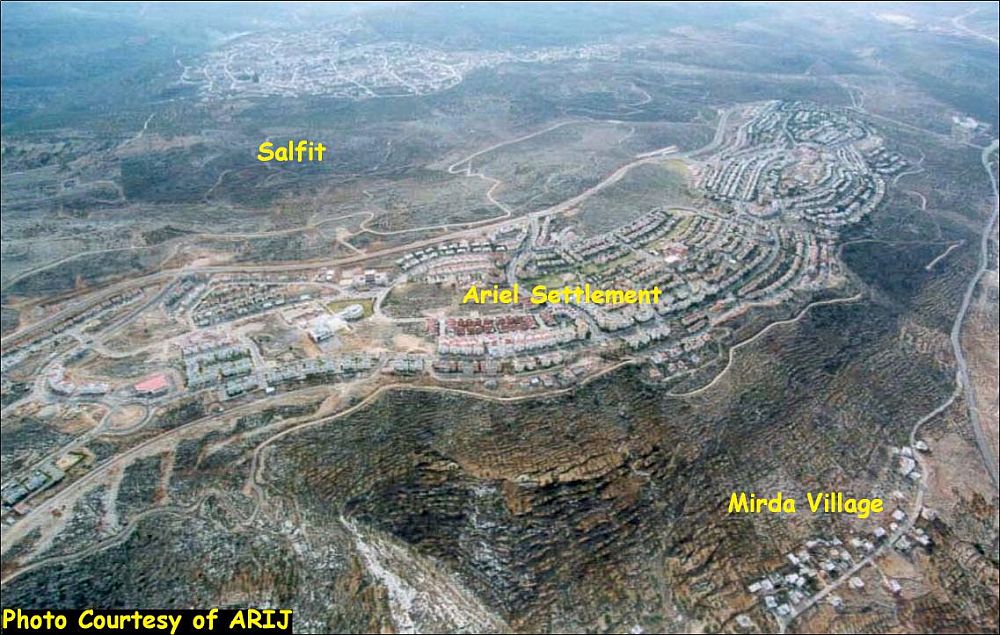
The ads, many of which remain live, include listings for luxury properties in settlements such as Ariel — located 20 km east of the Green Line and well within the occupied West Bank — as well as calls for the demolition of Palestinian homes, schools and playgrounds.
Other posts solicited donations for occupation military units operating in Gaza.

Among the most prominent advertisers is a Facebook page called Ramat Aderet, promoting a $300 million development described as penthouses for a perfect quality of life, boasting amenities like saunas, jacuzzis and cold plunges.
At least 52 of the ads identified were posted by Israeli real estate companies targeting buyers in Israel, Britain and the USA.
Meta, Facebook’s parent company, has previously courted controversy over censorship of pro-Palestinian voices and failing to remove far-right hate speech. The company told Al Jazeera that all ads are reviewed through a combination of automated systems and human moderation.
It admitted that some ads had been removed for violating policies on social issues, elections and politics, but did not specify whether the promotion of settlements built on occupied land constituted a breach.
Legal experts argue that Meta may be profiting from content that facilitates violations of international law. Professor Aoife O’Donoghue of Queen’s University Belfast was quoted as saying: Whether they have the legal title to sell that land at all would be highly questionable.
If the Israeli government is facilitating it, and they are settlements, then they would be in violation of the Third Geneva Convention.

British Member of Parliament Brian Leishman described the findings as extremely concerning, as pressure mounts on Meta to explain its role in amplifying controversial and potentially unlawful content.
All of Israel’s settlements are illegal under international law.
Yet, at the same time, BBC has uncovered evidence suggesting that Meta, the parent company of Facebook and Instagram, has restricted the reach of Palestinian news outlets since October 2023.
Middle East Monitor / Magnum Blog News 2025
 Crickey Amigu di Natura