Donald Trump has renamed Lake Ontario into Lake America
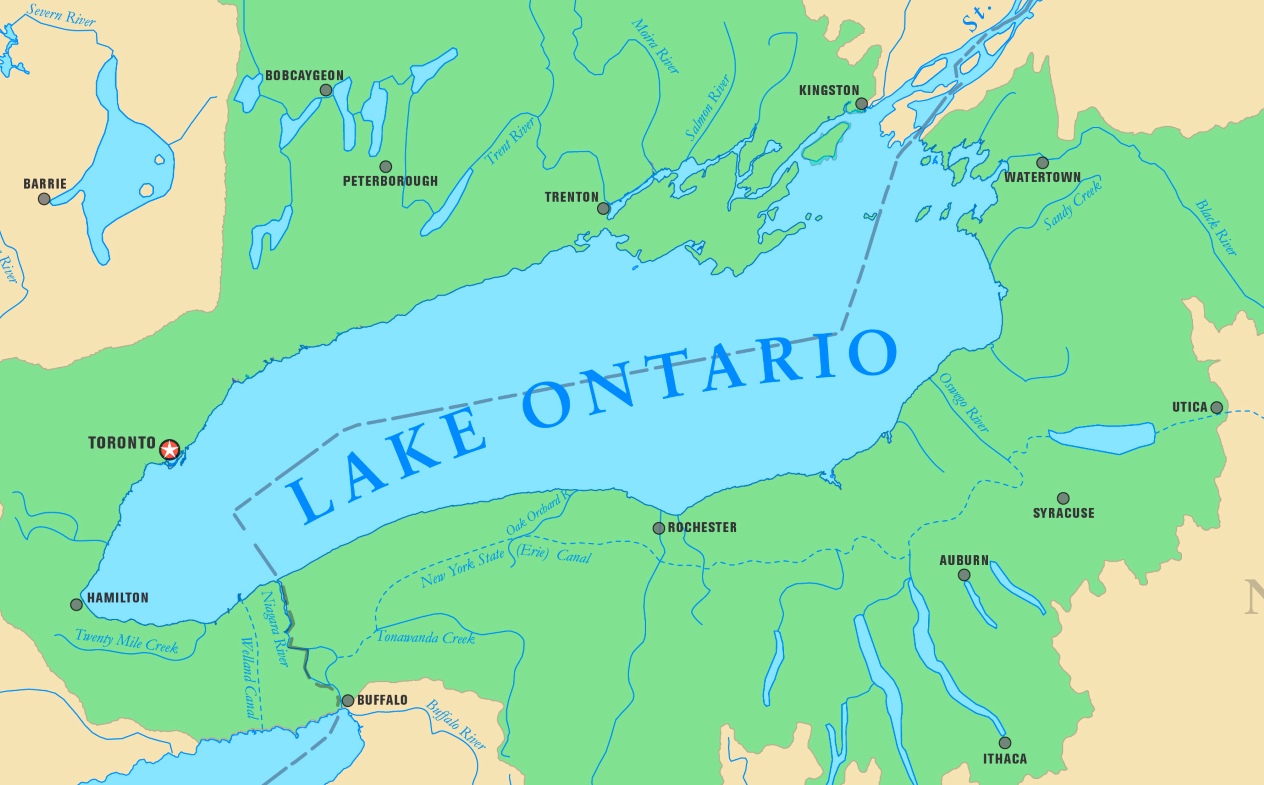
US President Donald Trump has officially renamed Lake Ontario “Lake America” as trade-related tensions between Canada and the United States continue to escalate.
“We’re going to be changing the name of Lake Ontario, effective immediately, to Lake America,” Trump declared in the Oval Office on Thursday before signing an executive order that requires federal agencies to use the new name on government maps, contracts, documents and communications.

The change was swiftly put into effect on August 27, 2026, with Trump sharing a letter from the US Geological Survey confirming that the federal Geographic Names Information System had already been updated.
The renaming caps a bitter week in which the trade dispute between Washington and Ottawa rapidly descended into personal insults and threats.
The confrontation erupted after negotiations collapsed and Washington imposed 50% tariffs (*read : consumer tax hike scam) on roughly $20 billion worth of Canadian imports.
Washington cannot force Canada or international organizations to recognize the change, but it can dictate terminology across the US federal government.

On his first day back in office in January 2025, Trump similarly ordered the Gulf of Mexico renamed the “Gulf of America” for federal purposes – and suggested Thursday that another geographic rebranding could be next.
“We have a gulf and we have a lake. Now, all we need is an ocean,” he said. “So maybe we’ll have to change the name of the Atlantic and or the Pacific. Maybe we’ll change them both.”
RT. com / ABC Flash Point News 2026.
Europe facing emergency Food crisis created by Weather Engineering
Agricultural producers across the EU have warned of sharp drops in yields after Europe has been hit by successive heatwaves this summer. Economists have said the losses are likely to push food prices higher in the coming months.
June and July were the hottest on record in western Europe, according to the EU’s Copernicus Climate Change Service, which has warned of a continued risk of heatwaves affecting much of Europe through August and into September, 2026.
In France, one of the EU’s largest grain producers, groundwater reserves were severely depleted across much of the country by early August, according to the national geological survey.
Prince de Bretagne, a major growers’ cooperative in Brittany, warned last week of a “historic” vegetable crisis. It projected yield declines of 40% for peas, 60% for broccoli, and between 50% and 100% for artichokes this summer.
Eric Legras, president of Unilet, France’s leading association of canned and frozen vegetable producers, said severe heat had also hit northern and southwestern France, describing the crisis as “exceptional.”
Livestock farmers have meanwhile warned of a growing “forage production deficit” ahead of winter. France’s National Committee for the Promotion of Eggs has estimated that heatwaves have cut daily output by around one million eggs, while poultry farms have reported high mortality rates.
In northern Italy, home to one of Europe’s main rice-growing regions, water shortages have left some paddies completely dead, burnt, with the rice dried out, according to Coldiretti, the country’s largest farmers’ association.
Farmers in Spain have likewise reported considerable shortfalls in cereal yields, as well as cattle fodder deficits.
The German Farmers’ Association on Tuesday warned that grain production would be 7%, or 3.3 million tons, lower than last year. The worst-hit regions in the south of the country could potentially suffer total crop failures.
In neighboring Poland, business outlet Puls Biznesu predicted last month that persistent drought could force the country to become more reliant on food imports.
Analysts at Zurich Insurance Group and several European banks have estimated that the heatwaves could cost the EU between €50 billion and €180 billion.
RT. com / ABC Flash Point News 2026.
Oceans Immortal Jellyfish & the Secret to Cheating Death

What most of us would recognize as a jellyfish – the otherworldly, gelatinous aquatic animals renowned for their sting-filled tentacles – is actually just the final stage of these animals’ life cycle.
At least, it usually is, but not all jellyfish play by the same rules, and one species may have discovered the secret to immortality.
The life cycle of most jellyfish species is similar. They have eggs and sperm and these get released to be fertilized, and then from that you get a free-swimming larval form.

The larva will move about in the current until it finds a hard surface to establish itself. It will then start to mature and grow. Larvae mature into polyps, which will then bud off and mature into young jellyfish.
An adult jellyfish is known as a medusa. Jellyfish belong to a group called Cnidaria, which also includes sea anemones and corals. As animals, they are subject to the cycle of life and death – though one species is known to bend the rules.
The hydrozoan Turritopsis dohrnii, an animal about 4.5 millimeters wide and tall (likely making it smaller than the nail on your little finger), can actually reverse its life cycle. It has been dubbed the immortal jellyfish.

When the medusa of this species is physically damaged or experiences stresses such as starvation, instead of dying it shrinks in on itself, reabsorbing its tentacles and losing the ability to swim. It then settles on the seafloor as a blob-like cyst.
Over the next 24-36 hours, this blob develops into a new polyp – the jellyfish’s previous life stage – and after maturing, medusae bud off. This phenomenon has been likened to that of a butterfly which, instead of dying, would be able to transform back into a caterpillar and then metamorphose into an adult butterfly once again.
The process behind the jellyfish’s remarkable transformation is called trans-differentiation and is extremely rare. Medusa cells and polyp cells are different – some cells and organs only occur in the polyp, others only in the adult jellyfish.

Trans-differentiation reprogrammed the Medusa’s specialized cells to become specialized polyp cells, allowing the jellyfish to regrow themselves in an entirely different body plan to the free-swimming jellyfish they had recently been. They can then mature again from there as normal, producing new, genetically identical medusae.
This life cycle reversal can be repeated, and in perfect conditions, it may be that these jellyfish would never die of old age. We might be distracted watching much larger jellyfish, but the tiny things such as this can inform so much of our science about these animals,
T. dohrnii may bend the rules to rejuvenate itself, but it can’t always cheat death. For example, jellyfish, including immortal ones, are prey to other animals, such as fish and turtles. Polyps are also practically defenseless to predation by animals such as sea slugs and crustaceans.

Understanding how long jellyfish including T. dohrnii, can live for can be tricky. A lot of deep-ocean science takes a long time, and it is very costly to do observations over time to see change.
The jellyfish also must have perfect conditions where they aren’t going to be harmed by anything external, such as by humans or other predators, imagination is more important than knowledge..
T. dohrnii is sensitive, making it also difficult to rear in a lab for studies. But despite the challenges, one scientist is known to have had long-term success with captive immortal jellyfish.

Japanese scientist Shin Kubota has kept populations of immortal jellyfish looping through their unusual back and forth life cycle since the 1990’s.
His work with the species is time-consuming, with Kubota needing to monitor and care for the colonies daily, even having to slice up their miniature meals of brine shrimp eggs under a microscope so they’re small enough for the tiny jellyfish to eat.
But through his endeavors, Kubota has reported that over a two-year period, captive colonies of the jellyfish naturally rejuvenated themselves up to 10 times, sometimes at intervals of just one month.

Immortal jellyfish are thought to have originated in the Mediterranean Sea, however they are now found in oceans all around the world. It is thought this recently noticed invasion may have been predominantly caused by humans.
A prevailing theory is that ships are responsible for widely dispersing the creatures through Earth’s oceans. The jellyfish’s immortality makes it an excellent hitchhiker, after all.
Ballast water is pumped in and out of vessels like cargo and cruise ships to maintain stability. It is highly possible that immortal jellyfish get drawn in with this water and are able to survive ocean crossings thanks to their ability to reverse their life cycle when they experience stresses, such as a lack of food.

The immortal jellyfish is also relatively inconspicuous, which may have contributed to its spread being difficult to spot. It is tiny and translucent, and can have different features depending on where in the world it’s living.
From a study of T. dohrnii around the world, researchers found that immortal jellyfish in tropical regions like Panama had only eight tentacles, whereas those in more temperate waters, such as in the Mediterranean and Japan, can have 24 or more. It is not clear yet why they differ.
Another reason the immortal jellyfish’s spread around the globe may have gone unnoticed for so long is that they don’t have a perceivable negative impact.

Invasive species can be problematic, and some, such as zebra mussels in North America, wreak havoc that costs enormous sums of money to fix. Others, like the hippos introduced to Colombia about 30 years ago, pose threats to the native wildlife they coexist with.
While there have not yet been any major problems identified that are linked to immortal jellyfish, their silent spread at the hand of humans is yet another good reminder of our influence on the natural world, even when we don’t notice the effect we’re having.
Natural History Museum United Kingdom / Crickey Conservation Society 2023.
Europe heatwave pushed the Danube River to record-low levels
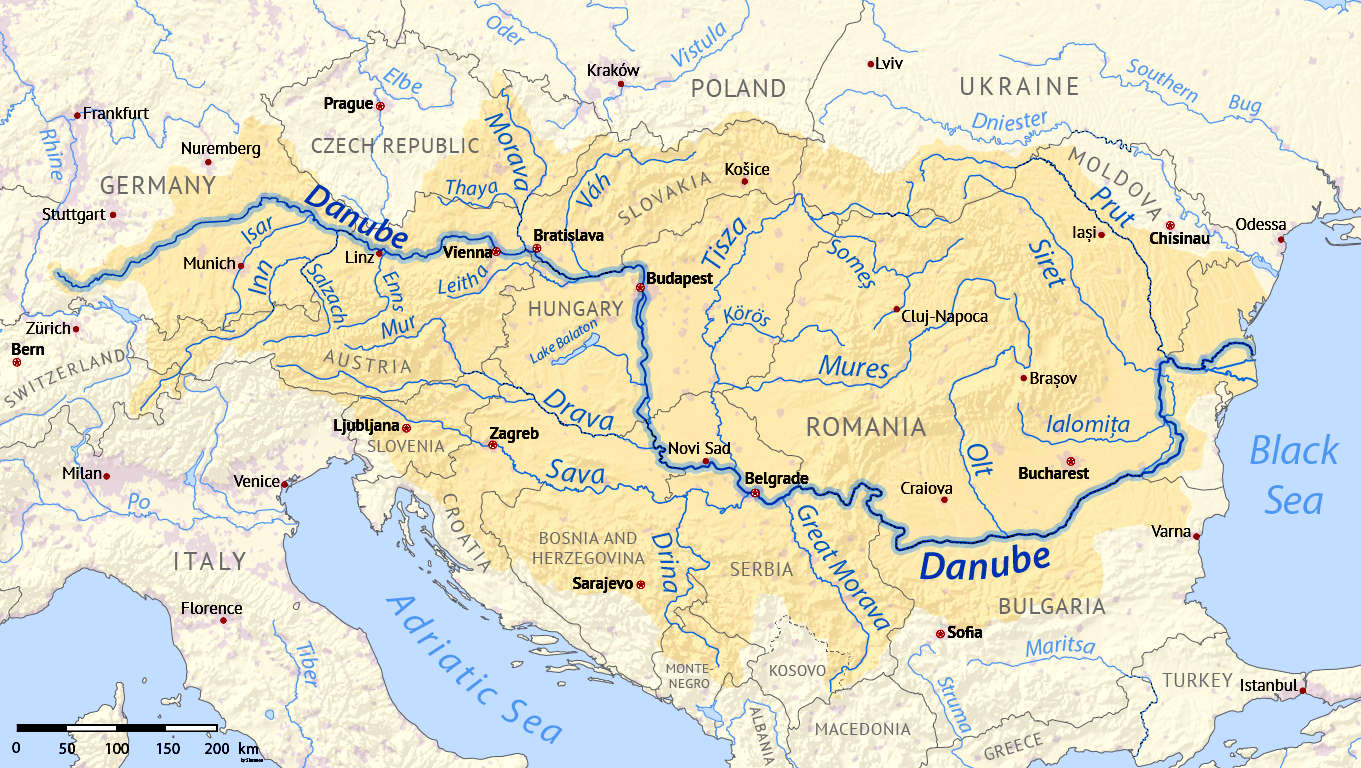
Several sunken World War II-era Nazi warships have resurfaced in the Danube River amid a major heatwave and prolonged drought. The vessels became visible as the water level in Europe’s second-longest river fell to record lows.
Photos and videos posted on social media showed massive shipwrecks lying in the water and on a sand ridge in the middle of the waterway near the village of Prahovo in Serbia.
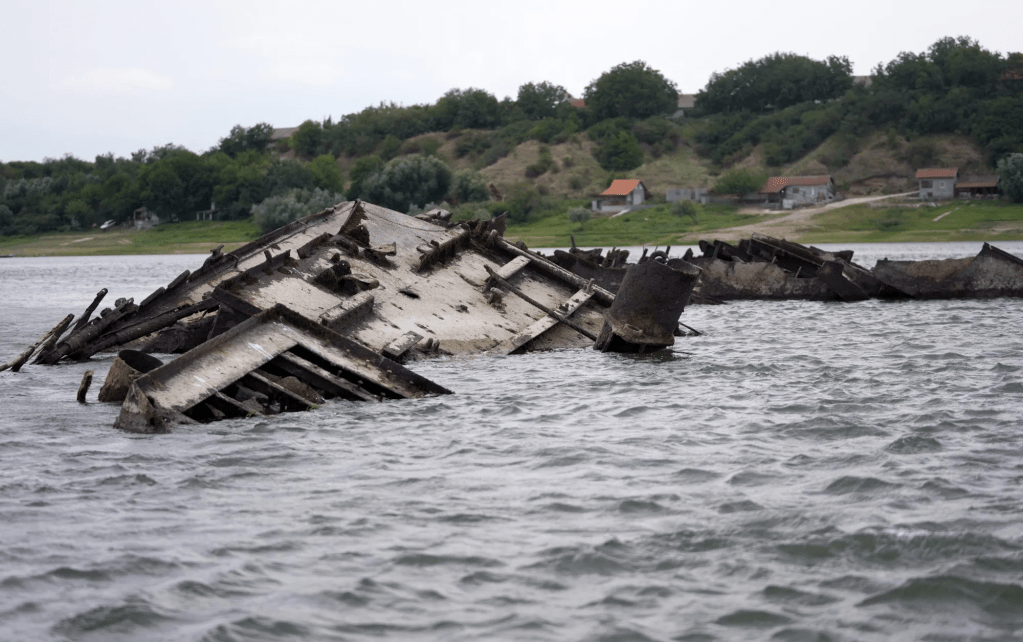
Elsewhere, the wreck of a Hungarian cargo ship that sank in 1937 resurfaced near the Croatian village of Opatovac. In Budapest, a German WWII artillery shell was found near Margaret Bridge – one of the city’s major traffic arteries – last week.
Some 200 vessels could be lying on the bottom of the Danube River, according to the European Investment Bank. River transport has nearly come to a halt due to the low water levels, according to Hungary’s Transport Ministry.
Hungarian Prime Minister Peter Magyar also said that the Paks nuclear power plant, which covers nearly half of Hungary’s electricity needs, could be shut down for weeks because of insufficient water levels.

In northern Bulgaria, the drying-up river revealed what is believed to be the remains of a mammoth. The bones were found by a local resident of the village of Ryahovo. Nikolay Nenov, a director of a regional history museum in the nearby town of Ruse, called the discovery “very important for science.”
The Danube is expected to go even lower in the coming days, with no significant rain forecast and temperatures expected to exceed 38 degrees Celsius (100 degrees F) in the region, according to AP.
RT. com / ABC Flash Point News 2026.
Khazarica Mafia
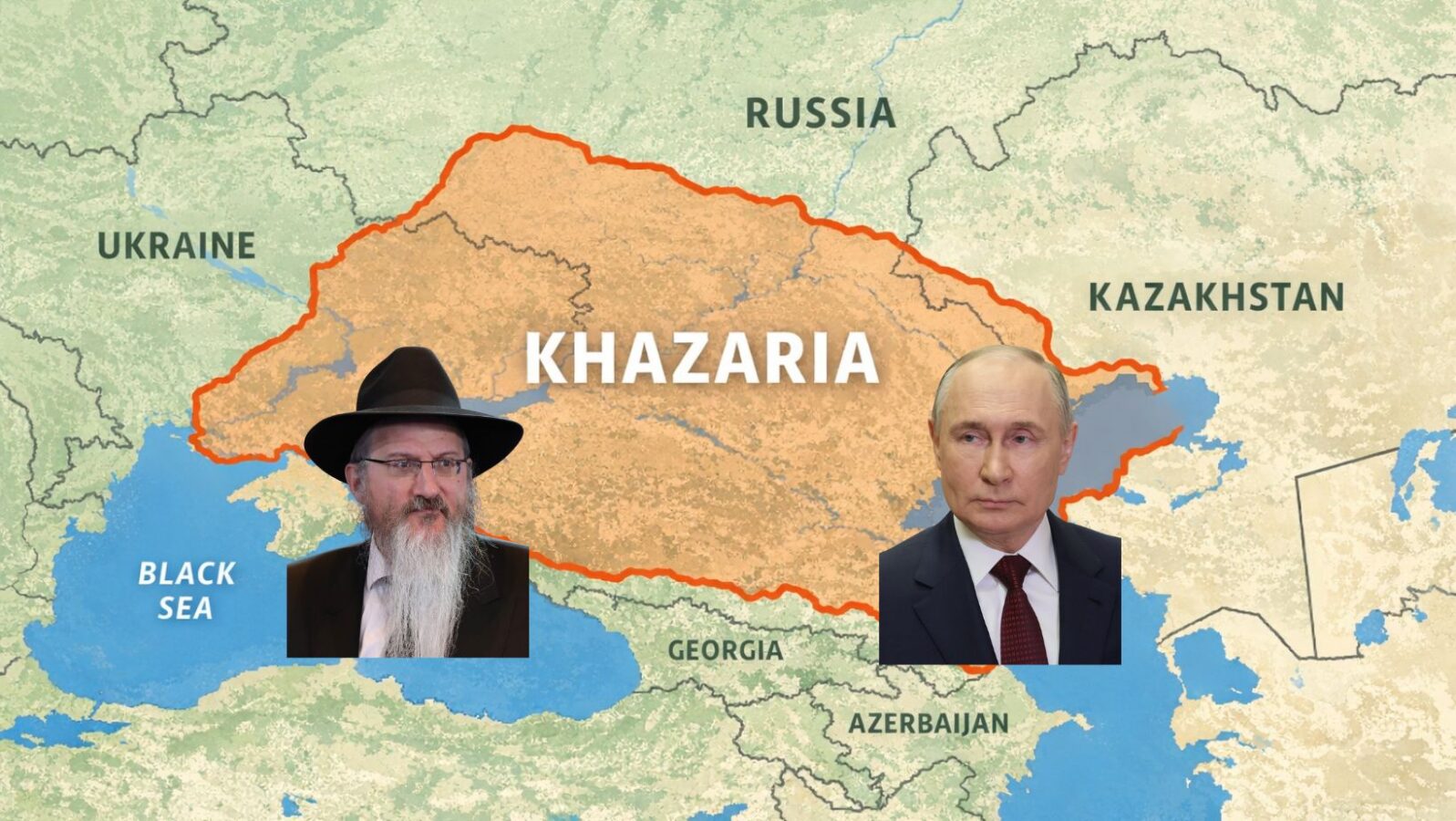
The Khazars were a powerful medieval confederation of nomadic Turkic tribes who established a massive empire, the Khazar Khaganate, spanning the southeastern extremes of Europe from the 7th to the 10th centuries.
They are historically famous for controlling vital trade routes between Europe and Asia, serving as a buffer zone between Byzantium and the early Islamic Caliphates, and for their ruling elite’s unique conversion to Judaism.

Key Historical Phases
- Rise and Empire (650–700 AD): Following the collapse of the Western Turkic Khaganate, the Khazars asserted independence and conquered rival nomadic groups like the Bulgars, establishing control over the Pontic-Caspian steppe.
- The Arab-Khazar Wars (642–737 AD): The Khazars fought a series of brutal wars against the Umayyad Caliphate. By holding the line at the Caucasus Mountains, they blocked Arab forces from expanding deeper into Eastern Europe.
- Conversion to Judaism (c. 8th–9th Century): Positioned between Christian Byzantium and the Muslim Caliphate, the Khazar royalty and nobility chose to adopt Judaism to maintain political neutrality and independence
- Decline and Fall (950–969 AD): Internal divisions, shifting trade routes, and pressure from new nomadic waves weakened the empire. The final blow came when Sviatoslav I of Kiev destroyed their capital, Atil, in 965 AD.

Capital Cities and Geography
The Khazar Khaganate occupied a strategic geographic choke point. They operated out of two primary capital cities during their reign:
- Balanjar: The early capital located in the northern Caucasus foothills, serving as a major military stronghold during the early Arab-Khazar conflicts.
- Atil: The later, magnificent capital built at the mouth of the Volga River delta near the Caspian Sea, which grew into a massive multicultural trading hub

The Empire’s Geography
The Khazar Khaganate commanded a vast territory that connected the northern forests to the southern seas
Cosmos Chronicle / ABC Flash Point News 2026.
Morena gaat verder met bouw in EOP 1997 beschermd Conserveringsgebied
i
MEO, VVRP, Ministerie Gezondheid, Milieu en Natuur, Domeinbeheer :
- Wanneer en volgens welk LANDSBESLUIT werd er voor Morena resort de bestemming van Conserveringsgebied omgezet in Toeristisch Gebied,
- Wanneer en door wie werd hiervoor een bouwvergunning verstrekt voor Morena resort,
- Hoeveel en tegen welke prijs werd door APC erfpacht in rekening gebracht om in strijd met de EOP 1997 wet in dit wettelijk beschermd gebied verder te mogen gaan ontwikkelen?
- Bouwen in een conserveringsgebied is op Curaçao volgens het Eilandelijk Ontwikkelingsplan (EOP) streng verboden, tenzij het doel direct bijdraagt aan het behoud van de natuur. De belangrijkste regels en uitzonderingen zijn,
- Strikte bescherming: Gronden zijn bestemd om natuurkundige, historische, culturele en landschappelijke waarden te beschermen,
- Uitzonderingen voor bouw: Bebouwing is alleen toegestaan voor natuurbehoud, openbare wegen of lichte openluchtrecreatie die de natuur niet schaadt,
- Vergunningsplicht: Zonder een officiële vergunning van het ministerie van VVRP en een aanlegvergunning riskeert u direct een bouwstop en boetes,
- Het Natuurgebied Jan Thiel (inclusief de bekende zoutpannen) valt onder het Eilandelijk Ontwikkelingsplan (EOP) grotendeels binnen de strenge bestemming,
- “Conserveringsgebied”. Dit betekent dat commerciële of residentiële bouwprojecten (zoals hotels, villa’s of appartementen) in dit specifieke natuurgebied volledig uitgesloten en wettelijk verboden zijn,
- Doel van de zone: De gronden zijn conform de wet uitsluitend bestemd voor het behoud, de bescherming en het herstel van de natuur.
- Bouwverbod: Het oprichten van gebouwen, woningen, hotels of andere permanente constructies is strikt verboden
- Vergunningsplicht: Zonder een officiële vergunning van het ministerie van VVRP en een aanlegvergunning riskeert u direct een bouwstop en boetes
kk
Bouwvergunning
Hinderwetvergunning
Bestemmingsplanwijziging
Besluiten en beslissingen
ll
Landsverordening openbaarheid van bestuur (LOB) verzoek
Uw zaak is geregistreerd
Bedankt voor het aanvragen van een Landsverordening openbaarheid van bestuur (LOB) verzoek. Uw registratie is bij ons bekend onder zaaknummer 650695. Wij verzoeken u om bij verdere communicatie dit zaaknummer te gebruiken. De behandeling van deze zaak zal spoedig plaatsvinden.
Ook kunt u op elk moment van de dag de voortgang en inhoud inzien via de persoonlijke internetpagina.
Native American Indians might receive autonomous State within California
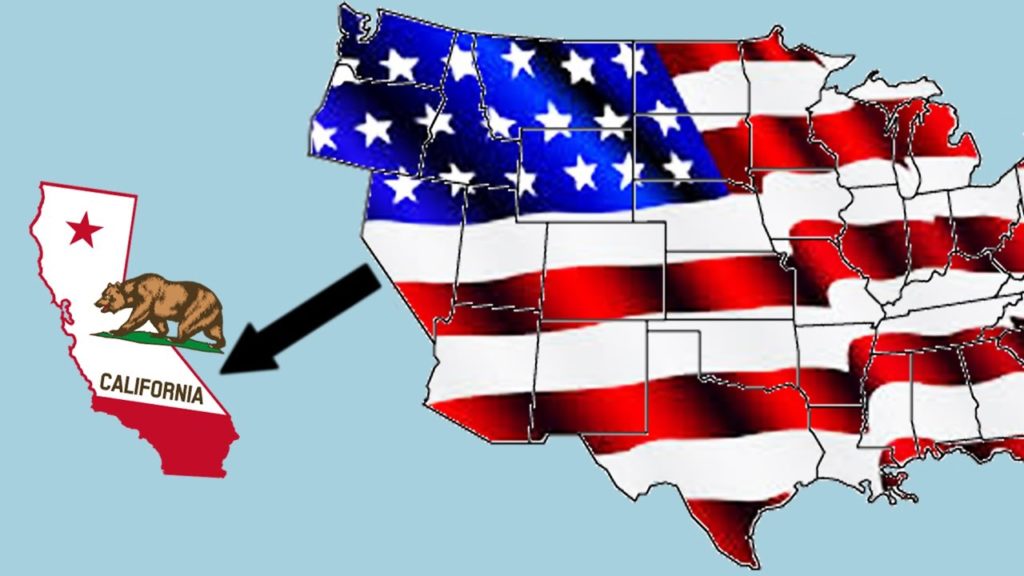
Supporters of a long-running effort to see California secede from the rest of the USA, have revamped their plans to include the creation of an “autonomous Native American nation,” which would encompass almost half of the new state.
The Calexit campaign held a rally at the California state capitol in Sacramento on July 4, calling for an end to the American “occupation” of the state. A statement released by the campaign said that US Independence Day was “no longer a day to celebrate.”

Calexit supporters were given the go-ahead in April this year to begin collecting signatures to get the question of Californian independence on a special 2021 ballot.
According to a map published by the Yes California ‘Calexit’ campaign, the long-term plan would see the state sliced down the middle from Oregon in the north to the Mexico border in the south.
The new version of California would take up the western, coastal half of the state, which is already home to two-thirds of California’s population. The inland, less-populated regions would make up the Native American ‘autonomous’ zone.
The boundary between the new California and the autonomous zone was decided based on the fact that most of the federal land is located in the eastern regions of California – but there are also be some recognized Native American tribes living in the western part of the state.

There have been many attempts over the years by various campaign groups to see California secede from the federal USA, but the idea picked up steam with the election of Donald Trump as president in 2016.
A 2017 poll, taken after Trump’s election, showed 32% support for California secession.
Instead of simply seceding from the USA, however, the new plans for Calexit involve creating a special Native American autonomous nation within the new independent state, creating a buffer zone between between Donald Trump’s America and the new independent California Republic, according to Yes California co-founder Marcus Ruiz Evans.

The current fake anti-Russian political climate in the USA, however, meant the connection to Moscow did damage to the Calexit campaign.
Another movement co-founder, Louis J. Marinelli, whose wife is Russian, explained at the time that while the new California was not requesting any military assistance from Russia, it would request “recognition” of independence if a referendum was successful.
Ruiz Evans told the Bee at the time that people had become spooked by the Russian connection and assumed the Calexit movement was somehow the work of Russian President Vladimir Putin.
RT.com / ABC Flash Point US Autonomy News 2018.
Kenya drought kills most Wildlife in protected National Parks
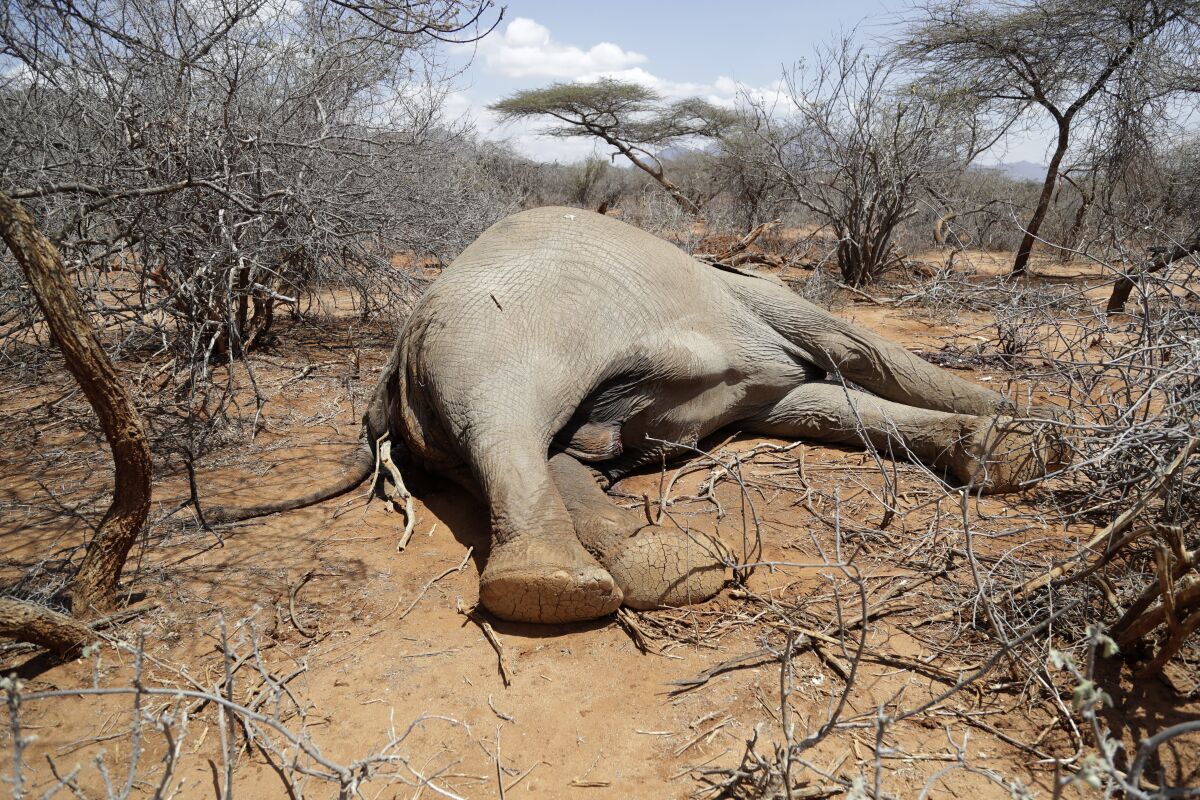
NAIROBI, Kenya: Hundreds of elephants and endangered Grevy’s zebras have died in Kenyan wildlife preserves during the ongoing drought in 2022. A recently released report noted that East Africa is enduring its worst drought in decades.
The Kenya Wildlife Service and other agencies have verified the deaths of 205 elephants, 512 wildebeests, 381 common zebras, 51 buffalo’s, 49 Greys zebras and 12 giraffes in the past nine months due to a lack of water, the data report states.

Areas in Kenya have endured four seasons without adequate rainfall, harming the local population, as well as wild animals and livestock.
The areas with the least available drinking water are found in Kenya’s most-visited national parks, reserves and conservancies, including the Amboseli, Tsavo and Laikipia-Samburu areas, according to the report.
Experts are seeking to undertake an aerial census of wildlife in Amboseli to determine the drought’s impact on wild animals in the reserve.

Other recommendations include providing water and salt licks in the water-starved regions.
Elephants drink 63.40 gallons of water per day, according to officials at the Elephant Neighbors Center. In order to assist the threatened Grevy’s zebras, experts urge delivering hay to threatened herds.
China-News Network / ABC Flash-Point News 2022.
European Banks are linked to de-Forestation & Slavery

Environmental campaigners have dragged controversial investments into the spotlight, claiming that major European banks are linked to businesses that harm threatened species, deforestation in Brazil and other questionable environmental practices.
European banks, including Switzerland’s UBS, Britain’s HSBC and Spain’s Santander, have been thrown into the spotlight after two recent reports linked them to significant environmental damage, while green washing bonds in Brazil.

The revelations come as these green investments, so called because they were made to fund environmentally friendly activities, are increasingly falling under scrutiny:
The British Financial Conduct Authority is investigating the sustainability-linked loans market, while a new European Green Bond Regulation is coming into effect next year – a gold standard that aims to eliminate any green-washing from the bond market.
At the center of the allegations is the green bond market in Brazil, which environmental campaigner Greenpeace says UBS and Santander, among other non-European banks, have acted as intermediaries in.

The banks helped investors to purchase green investment assets, according to a report by Greenpeace’s investigative journalism project Unearthed, which generated funds that were ultimately used to finance controversial companies including de foresters, land grabbers and ranchers accused of slave labor in Brazil.
The banks orchestrating these bond transactions define the price of the bonds and sell them to investors in exchange for a fee, which is usually 3% to 5% of the total offer.
The allegations focus on so-called Agribusiness Receivables Certificates (CRA) – an asset backed security which represents investment in agribusiness, financing those on the ground in the hope of a hefty return on investment.

These are referred to as green bonds and they were initially created to support small-scale, sustainable farmers’ practices in Brazil?
But in reality, the market has swollen by around €8 billion and the bonds often finance large companies and their suppliers. It’s these bonds that have linked European banks to claims of deforestation and even slave-like working conditions.
According to Unearthed, UBS helped Brazilian grain trader Caramaru to raise funds worth of €66.5 million in CRA’s in October 2021.

Part of the money ended up in the hands of Caramuru’s soy suppliers, Unearthed said, some of whom have a history of illegal deforestation and land grabbing. Another has even been sued for alleged slave-like labor.
Caramuru denies wrongdoing, claiming that it monitors the environmental compliance of all its suppliers and that the company hasn’t done business with all of the suppliers.
As such, it is possible to state that soy was not acquired from places with issues of illegal deforestation or land grabbing, nor from farms with work similar to slavery, the company said.

For its part, UBS said it does not knowingly provide financial or advisory services to clients associated with damages to high conservation value forests, child labor and forced labor, among other practices.
UBS isn’t the only European bank caught in the crosshairs. Spain’s Santander was involved in raising funds to the tune of €280 million in CRA’s for JBS, the largest meat processing enterprise in the world, in August 2023, according to Unearthed.
JBS admitted in 2022 to buying cattle from a farmer that prosecutors dubbed one of the biggest de-foresters in Brazil, despite saying it has strict, self-imposed rules on who it does business with.

Santander also helped Uisa, one of the largest ethanol and sugar producers in the world, to issue a R$150 million green CRA, for a fee of roughly €710,000.
Uisa has received a dozen environmental fines for illegal deforestation, and was also responsible for leaking toxic material into a river that is vital to the Umatina Indigenous people in the Brazilian state of Mato Grosso.
Aside from the Unearthed report, a new study from the Environmental Investigation Agency (EIA) has linked 62 banks and financial institutions, including some in Europe, to harming threatened animal species.

The report states that the banks have invested in three companies that produce traditional Chinese medicine, using leopard and pangolin parts. Both animals are classified as highly threatened species – a stone’s throw from being considered endangered.

UBS is once again named as having invested in the companies, but so are British lender HSBC and Germany’s Deutsche Bank.
All three are members of The Royal Foundation’s United for Wildlife (UfW) Financial Taskforce, which was launched in 2018 to stop the trafficking of wildlife, according to the report.

Both the EIA and Unearthed reports are just two of many which claim to shed light on the impact that major banks’ business practices have on the environment.
The worsening dangers of climate change have prompted investors and companies across the globe to increasingly turn towards green financial products, including green bonds, and present themselves as sustainable businesses that care about the environment.
The number of instances of greenwashing by banks and financial service companies around the world has risen by 70% in the past 12 months, according to RepRisk, a Swiss environmental, social and corporate governance data provider.

The European Union is hoping to stem the flow of green-washing with its new European Green Bond Regulation, which is due to come online in 2024.
It will introduce legal sanctions for any misleading business practices related to sustainability and the environment. The newly-approved rules against green-washing in the bond market include a registration system and supervisory framework, but who will control these entities?
Under the new regulations, companies issuing green bonds will have to disclose more information about their practices with special regards to show how these investments feed into the companies’ plans to transition to a net zero carbon emissions economy.

The new law also specifies that at least 85% of funds raised would have to be allocated to activities that are sustainable according to EU law.
At the same time, the European Banking Authority will require banks to publish their so-called green asset ratio, a percentage of environmentally sustainable assets, in their books.

A common classification system, the EU’s taxonomy will define what makes a green asset.
The EU isn’t alone in wanting to regulate greenwashing: Reuters reports that the Swiss government will consider the matter as part of a plan to introduce overall state regulation on sustainable finance in the country.
Switzerland, a huge center for asset and wealth management, accounted for sustainable investments totaling around 1.6 trillion Swiss francs (€1.69 trillion) in 2022, according to industry association Swiss Sustainable Finance.

The Swiss Bankers Association, which represents lenders like UBS and Julius Baer as well as Switzerland’s smaller banks, wants to continue with self-regulation rather than be subject to tighter government rules, according to Reuters.
UBS, the country’s biggest bank with $5.5 trillion in invested assets, also supports self-regulation, saying it sets a minimum standard. There is a wave of regulation coming to Swiss banks…it will really hit (them),” said Daniel Schmid Perez of banking consultancy ZEB.
He estimates the total cost for lenders to adjust their processes would be around 100 million to 200 million francs. Yet many consider the cost worth it to boost sustainability in the effort to avoid climate disaster.
Euro Green News / ABC Flash Point News 2023.
Necropolis # 1 : Christian Catacombs (Rome, Italy)
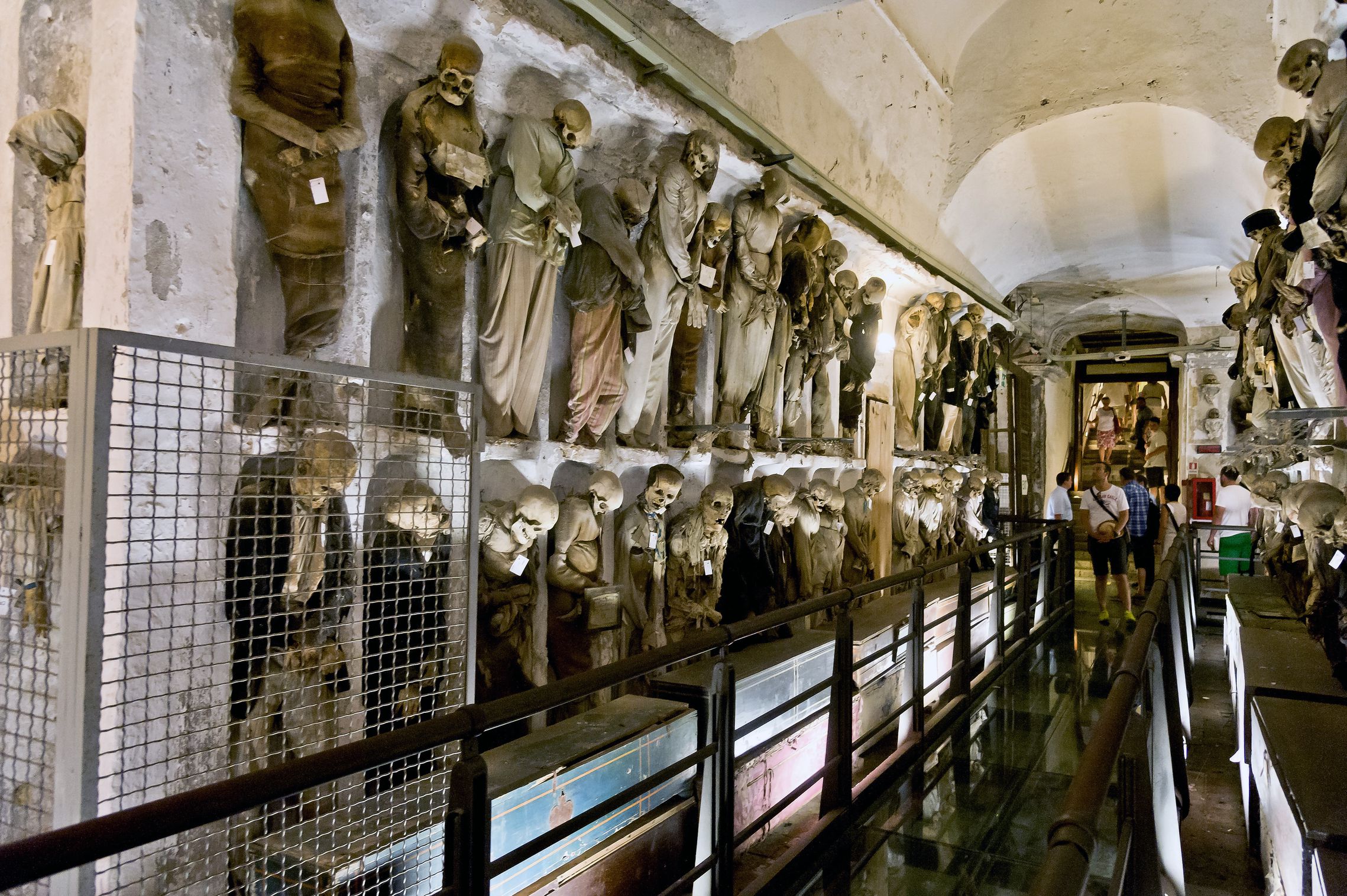
Necropolis, (from Greek nekropolis, “city of the dead”), in archaeology, an extensive and elaborate burial place of an ancient city.
In the Mediterranean world, the necropolis was customarily outside the city proper and often consisted of a number of cemeteries used at different times over a period of several centuries.


The locations of those cemeteries were varied. In Egypt many were situated across the Nile River opposite the cities, as was western Thebes, but in Greece and Rome a necropolis often lined the roads leading out of town.
One of the most famous necropolises was discovered in the 1940’s under the central nave of St. Peter’s Basilica in Rome.

From the 1st century, Christians were often buried in the manner of Jews living in Roman territories—in graves shewn from rock reminiscent of the rock graves of Palestine.
These cemeteries were outside Rome’s walls because it was against Roman law to bury the dead within the walls. This is how St. Peter came to be buried in common ground, the great public necropolis on Vatican Hill, and St. Paul in a necropolis along the Via Ostiense.


In the 2nd century, Roman Christians continued this technique and inherited the common underground burial spaces.
The belief that their physical bodies would one day be resurrected, and so could not be cremated in accordance with Roman practice, caused a space problem, since above-ground cemeteries were scarce and expensive.
The solution was to excavate a vast network of galleries, rooms, and interconnecting stairways, with thousands of narrow graves carved into the walls, covering hundreds of miles of corridors.

The graves of martyrs were focal points around which Christians wanted to be buried, but it is fiction that the catacombs were secret places for Christians to meet and live during times of persecution.
The lack of light and air and, indeed, the thousands of decaying bodies would have made this impossible. The catacombs continued in use until 410, when the Goths laid siege to Rome.
In addition, Christianity became the state religion under Constantine I in 380, making more conventional means of burial possible.

Over the centuries, the precious relics of the martyrs were transferred from the catacombs to Rome’s churches, so that eventually even the sacred memory of the catacombs was forgotten.
In 1578 a catacomb was discovered by accident, and since then much research and archeological work has been done to recover this invaluable piece of history. (Robin Elam Musumeci).
Britannica / ABC Flash Point News 2025.
Democracy as the new form of Colonialism
A ballot floats through the air like a mechanical butterfly, delicate in descent, but once it touches ground, everything freezes. The jungle goes mute. The city forgets its language.
A ritual begins: one created not in oracle chambers but in air-conditioned think tanks with sliding doors and corporate logos. Democracy arrives as gospel, prepackaged and barcode-approved, dropped from drones or delivered via diplomatic pouch.

It conquers like a parasite: nesting in the heart, feeding on belief, and killing the host with false promises. It persuades, it seduces, it infects. Men in suits descend like missionaries, their scriptures printed on glossy paper, their symbols cleaned for export.
They bring PowerPoints and gender training modules instead of muskets. They come bearing good news: sovereignty is obsolete, local gods are outdated, and every village will be updated with Wi-Fi and murals of unveiled women raising fists beneath UN slogans.
The savanna no longer trembles under the boots of British redcoats. It shudders under the impact of slogans. “Civic engagement” is murmured like a spell. “Open society” is etched into blackboards where elders once traced cosmologies.

The thunder of artillery has been replaced by keynote addresses. A revolution is rehearsed before it is broadcast. The new coup comes dressed for television. The old king disappears, replaced by a consensus candidate with a Yale degree and NATO approval.
A constitution is unveiled like a luxury car: shiny, expensive, foreign. No one reads it. It reads them. The people applaud. Their applause is scheduled.
The tyrant’s head is displayed: pixelated and streaming. Laugh tracks rise. Purple ink stains the skin like a holy mark, as if casting a vote could cleanse the past and summon salvation.

A sacred document lies open, its pages humming with subclauses and subversion. Article 1: Surrender to the algorithm. Article 2: Sterilize the folk soul. Article 3: Criminalize memory. The priests of procedure nod. They light candles made from recycled narratives.
They chant slogans curated by Silicon Valley. The TED talk tone becomes the new church service – blessed by click-through rates. Buzzwords are in-canted: resilience, visibility, empowerment. Words hollowed out and worn like medals.
The empire has remodeled. It is clad in linen. It carries clipboards. Its armies are task forces. Its tanks are now lettered agencies: USAID, UNHCR, OSCE. Smiles replace bayonets, and seminars replace firing squads.

Democracy arrives on a private jet with an Instagram account. Its viceroys order oat-milk lattes while planning cultural transformations. A rainbow banner flies over every blasted zone. Baghdad bleeds beneath the missiles. Tripoli hums with foreign NGO’s.
Kiev hosts parades that mock its soil. Sacred ruins get rebranded. Temple stones are reused for embassy courtyards. The rituals change. The domination remains.
In a village, a woman sings an ancestral tune. A man offers a prayer in a dialect that has no Unicode. A stone is lifted to rebuild a shrine. These things cannot be allowed. A survey is conducted. A briefing is written. A donor threatens.

The local minister corrects course. An election is held. The outcome is known. It always is. This is what they call consent. This is what they mean by freedom.
Uniformity parades as universality. Diversity becomes deletion. Identity is redesigned by foreign interns. Language becomes emoji. The dead are archived. Museums replace tombs. Grandfathers are described in footnotes written by their enemies.
Tears fall in exhibition halls where relics of resistance are sanitized. The conquerors mourn – always in public, always with cameras. Their grief is a spectacle. Their mercy is management.
The liberal preacher wears a smile that has been photo shopped. He gives interviews about “trauma” and “tolerance.” He never wields a sword; he commissions reports. His gospel: guilt without end. His miracle: the regeneration of conflict.
His sacraments are embargoes and media campaigns. He baptizes children in ideology. He breathes in incense made from treaties and sanctions.
He sings a hymn with verses about gender fluidity and carbon offset credits. His voice, thin and sweet, drowns entire cultures in its syrup.

Yet across the map, the earth remembers. Forests speak in rustling defiance. Mountains echo with chants unscripted. The Danube shivers beneath steel bridges. The Volga murmurs secrets to the steppe.
Across Eurasia, across Africa, across the zones marked “developing,” something stirs. Trump does not rise as emperor; he crashes through the screen like a malfunction, an interruption in the broadcast.
Serbia remembers its ruins. Iran cradles its martyrs. Russia bares its teeth. Hungary builds walls – not out of fear but out of fidelity to her own.

Multi-polarity emerges, not like a plan but like a rite remembered. It does not wait for validation. It speaks in a hundred dialects, none requiring translation. It holds torches, not flashlights. It charts no global roadmap.
It builds thresholds. It invokes gods buried under glass towers. It honors spirits banned from textbooks. In each land, new mythologies are forged from the ruins of development. The ballot box is abandoned, its promise of mechanical salvation discarded.
In its place stands the stone of ancestral law, stained with sacrifice and inscribed with the unspoken codes of blood, land, and loyalty.

So let the ballots fall, let the slogans swirl like ash in the wind. Let the consultants keep writing. None of it halts the return.
The sacred pulses again in veins unmapped by Western metrics. Democracy, once garlanded as deliverance, strips down and stands revealed: an agent of extraction, a theater of consent.
Multi-polarity does not debate it. Multi-polarity replaces it – with stone, with flame, with song. The world moves again, towards the myth reborn.
RT. com / ABC Flash Point News 2025.
Microsoft Data Centers built to ‘Kill & Replace’ 200 Million Americans by 2030

A data center insider has come forward with horrifying revelations about the AI mega-facilities rising across the country.
These aren’t harmless tech campuses powering the internet — they are command centers for a globalist system of surveillance and control beyond anything humanity has ever seen.
The insider claims the architecture being built inside these compounds will make the surveillance state of modern-day China look primitive by comparison.
Vast AI networks tracking entire populations in real time. Total biometric surveillance. Predictive behavior analysis.
Financial monitoring. Psychological profiling. A machine designed not just to watch humanity — but to police, manipulate, and control it algorithmically.
And according to the whistleblower, the elites building this system are preparing to perpetrate crimes against humanity on a scale the world has never witnessed.
Because this isn’t just about controlling the population. It’s about depopulating it.
The only question the globalists are asking is who survives the coming collapse… and who remains behind as obedient slaves inside the digital concentration camp they’re building.
You still think the data centers are there to store family photos, emails, and streaming videos? That’s the bait and switch they’re feeding the public while something far darker is being built behind the curtain.
The New World Order never disappeared. It just stopped announcing itself and went digital.
Across the country, enormous concrete fortresses, many times larger than Manhattan, are rising out of farmland at unbelievable speed. Entire communities are being transformed into industrial AI zones.
Power grids are being expanded for them. Water supplies are being drained for them. Small towns are suddenly surrounded by these gigantic facilities humming day and night like mechanical cities.
And behind these data centers stand the usual suspects: Bill Gates. BlackRock. Palantir. And they’re racing to build these data centers before the public fully realizes what’s unfolding right in front of them.
BlackRock’s Larry Fink understands what will happen when the public wakes up. That’s why he’s preemptively accusing any American who fights back of being a “domestic terrorist.”
Before you take him at face value, you should be aware Fink went on the record calling for mass depopulation in Western countries to elevate the elites’ standard of living.
Then there is Bill Gates. Mr. Depopulation himself spent the last decade quietly buying up massive stretches of farmland for reasons nobody could fully explain at the time.
But now the pattern is impossible to ignore. Wherever Gates’ land holdings expanded, data centers followed.
Farmers are being evicted from the land. And family homes are being seized for the globalist project. We are not talking about a dystopian future. This is happening right now.
The official explanation is that these facilities are needed for cloud computing and artificial intelligence. But according to an insider who works underground setting up one of Gates’ Manhattan-sized compounds, the reality is far darker than anyone realizes.
The whistleblower describes underground server halls stretching for miles, packed with systems designed not just to store information, but to monitor and predict human behavior itself.
Entire divisions dedicated to real-time population tracking, behavioral modeling, and predictive surveillance. These systems don’t just collect data — they are building profiles of entire societies.
Every phone is a tracking device. Every smart appliance is a sensor. Every electric vehicle uploads oceans of movement data.
Surveillance cameras, license plate readers, bio-metric scanners, bank transactions, private messages, search histories, medical records, and facial recognition systems are all fed into centralized AI networks designed to monitor and control every aspect of human activity in real time.
And sitting at the center of this surveillance architecture is Palantir.
The insider says the goal is not merely to watch people, but to create digital replicas of society itself — simulations capable of predicting unrest, identifying dissent, and disabling non-compliant individuals… before they even act.
Which suddenly explains why criticism of the data centers seems to vanish online almost as quickly as it appears. Videos disappear. Accounts are shut down. Discussions get buried. Because the machine is already protecting itself while it’s still being built.
And here’s where the globalist future becomes truly terrifying. According to the insider, the elites funding this AI revolution do not believe most human beings are necessary in the future they are creating.
Yuval Noah Harari, the prophet of Davos, has been preaching for the globalist death cult for years.
Now, BlackRock, Bill Gates, and Palantir are making their move and carrying out the sadistic globalist vision. They are obsessed with depopulating the world… to the tune of billions of people.
Artificial intelligence and robotics are rapidly replacing workers across every sector of society. And once human labor loses value, the ruling class begins to see humanity itself differently. Not as citizens. Not as communities. But as excess population.
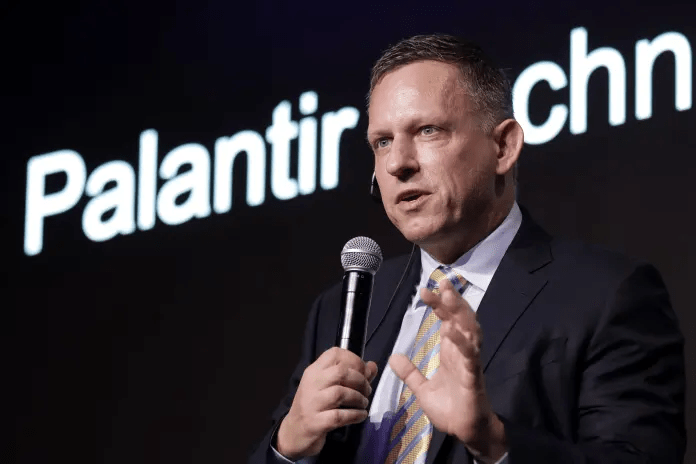
No wonder Palantir founder Peter Thiel can’t bring himself to declare allegiance to the human race. Meanwhile, the globalists are buying out elected officials, subverting the American people, refusing to allow the public to have any say in their own future.
Tucker spoke with Kevin O’Leary, who is fronting a colossal new data center project in rural Utah. Suddenly the pieces start fitting together. The attacks on the food supply. The war on farmers.
The obsession with fake synthetic meat and patented seeds. The constant expansion of surveillance technology. The push toward digital currencies and bio-metric identification.
The normalization of censorship. The endless fear campaigns convincing people to surrender more freedom for more “security.”
It is all connected.
The data centers are the foundation for a new kind of civilization — one where Bill Gates, Palantir and BlackRock control every aspect of human life.
A globalist civilization where a radically reduced population is monitored, scored, and controlled through data centers run by AI. George Carlin had it worked out years ago.
But even George Carlin couldn’t predict how dark the globalist vision was going to become.
The data centers are building a techno-communist system where ordinary people live inside tightly controlled smart cities under permanent digital supervision.
Your movements tracked through carbon credit systems. Your purchases approved or denied based on behavioral scores. Your digital ID determining whether you can travel, work, communicate, or access your money.
Cash disappears. Privacy disappears. Anonymity disappears.

And meanwhile, the elites—who are determined to ascend to godhood—retreat into fortified bunkers powered by the very AI infrastructure they built on the ruins of the human world.
As the digital cage closes around society, anyone digging into forbidden topics, questioning official narratives, or researching the machinery being built behind the scenes needs to understand one thing: you are being watched, tracked, and profiled.
Protecting your privacy is no longer optional. Legacy VPN’s? Forget it. Proton? It’s literally funded by the WEF and the EU. Let that sink in.

Express, Nord, Surfshark—they all keep logs, they all cave to warrants, they’re all headquartered in Five/Nine/Fourteen-Eyes countries that will hand your IP over faster than you can blink.
You need something that cannot betray you. That’s VP.net (the world’s first trustless VPN). No central servers they can raid. No logs they can seize (because there’s nothing to seize).
It runs on blockchain nodes spread across thousands of independent operators. Even if the entire U.S. government demands your data, there’s no one to hand it over to.
It’s mathematically impossible to de-anonymize you.
Do it before you dig any deeper – VP.net/tpv. It’s as low as five fifty-five a month for our audience. That’s all it takes to keep your searches, your passwords, your fingerprint, your downloads, and your late-night rabbit holes completely private..
No logs. No back-doors. No subpoenas that ever get answered. VP.net/tpv. One click and you’re gone. Smart people are already there. See you on the other side.
News Punch / ABC Flash Point News 2026.
Catholic shrine in Angola was a center of African slave trade
MUXIMA, Angola — Pope Leo XIV on Sunday recalled the sorrow and great suffering Angolans endured for centuries, as the American pope prayed at a Catholic shrine located at the site of an important hub of the African slave trade during Portugal’s colonial rule.
Leo traveled to the Sanctuary of Mama Muxima, nestled in the Angolan savannas of baobab trees at the edge of the Kwanza River. It became a major pilgrimage destination after believers reported an appearance by the Virgin Mary around 1833.

But the Church of Our Lady of Muxima was originally built by Portuguese colonizers at the end of the 16th century as part of a fortress complex and it became a hub in the slave trade.
It was where enslaved Africans were gathered to be baptized by Portuguese priests before being forced to walk to the port of Luanda, over 110 kilometers (70 miles) to the north, to be put on ships to the Americas.
Leo, whose own ancestors include enslaved people and slave owners, prayed the Rosary at the sanctuary, a simple whitewashed church with blue trim and a statue of the Madonna inside.


Speaking in Portuguese, he recalled it was here where, for centuries, many men and women have prayed in times of joy and also in moments of sorrow and great suffering in the history of this country.
He didn’t refer specifically to slavery. After viewing plans to build a basilica at the site, Leo urged the estimated 30,000 people gathered outside to also build a better, more welcoming world, where there are no more wars, no injustices, no poverty, no dishonesty.
Muxima’s history is emblematic of the Catholic Church’s role in the slave trade, the forced baptisms of enslaved people and what some scholars say is the Holy See’s continued refusal to fully acknowledge it and atone for it.


For Black Catholics, Pope Leo’s visit to the Muxima shrine is an important moment of healing, said Anthea Butler, senior fellow at the Koch Center, Oxford University.
She noted that many Black Catholics are Catholic because of slavery and the Code Noir, which she said required slaves purchased by Catholic owners to be baptized in the church.
Others were already Catholic when they were trafficked from Angola to slave-holding colonies, said Butler, a Black Catholic scholar whose maternal family hails from Louisiana, where the pope’s ancestors also had their roots.

The role of Papal bulls in the Slave trade
Angola’s Portuguese colonizers were emboldened by 15th-century directives from the Vatican that authorized them to enslave non-Christians.
In 1452, for example, Pope Nicholas V issued the papal bull Dum Diversas, which gave the Portuguese king and his successors the right to invade, conquer, fight and subjugate and take all possessions.
Including land of Saracens, and pagans, and other infidels, and enemies of the name of Christ anywhere, said the Rev. Christopher J. Kellerman, a Jesuit priest and author of All Oppression Shall Cease: A History of Slavery, Abolitionism, and the Catholic Church.
The bull also gave the Portuguese permission to reduce their persons to perpetual slavery.

That bull and another issued three years later, Romanus Pontifex, formed the basis of the Doctrine of Discovery, the theory that legitimized the colonial-era seizure of land in Africa and the Americas.
The Vatican in 2023 formally repudiated the Doctrine of Discovery, but it never formally rescinded, abrogated or rejected the bulls themselves.
The Vatican insists that a later bull, Sublimis Deus in 1537, reaffirmed that Indigenous peoples shouldn’t be deprived of their liberty or the possession of their property, and were not to be enslaved.

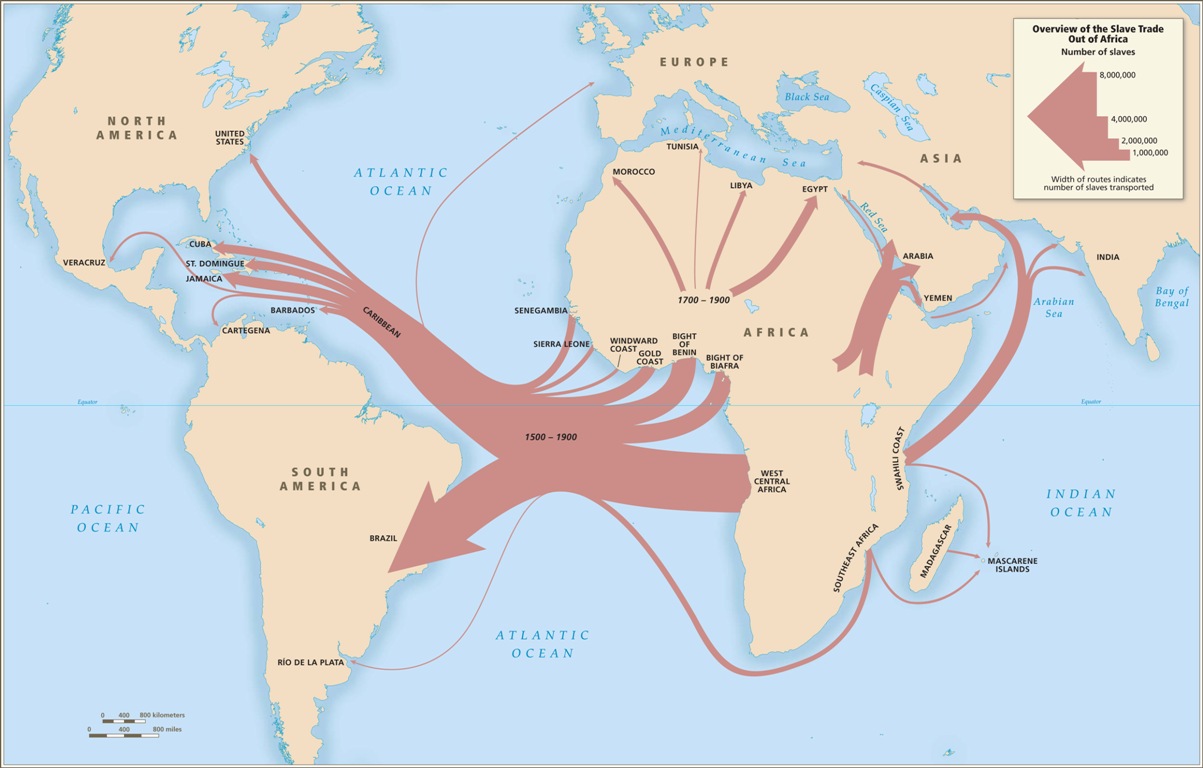
Ultimately, more than 5 million people left from Angola on the trans-Atlantic slave route, more than any other country and nearly half of the roughly 12.5 million African slaves sent across the ocean.
Kellerman recalled that most of these direct victims were sold into slavery by other Africans and were not captured by Europeans.
That being said, at the time of the building of Muxima, the Portuguese were doing both — buying enslaved people and colonizing/slave raiding. So they were fully using their papal permissions during this time, Kellerman said in emailed comments to The Associated Press.

He said the first pope to condemn slavery itself was Pope Leo XIII, the current pope’s namesake, in two encyclicals in 1888 and 1890, after most countries had already abolished slavery.
But Kellerman said that pope and others since have continued to perpetuate the false narrative that the Holy See always opposed slavery, when the historical record says otherwise.
While Leo’s visit to Muxima was to commemorate its role as a shrine, Kellerman said he hoped Leo had also learned about its role in the slave trade.

The popes repeatedly authorized Portugal’s colonization efforts in Africa and Portuguese participation in the slave trade, but the Vatican has never fully admitted this, he said.
It would be so powerful if at some point Pope Leo were to apologize for the popes’ role in the trade.
During a 1985 visit to Cameroon, St. John Paul II asked forgiveness of Africans for the slave trade on behalf of Christians who participated in it, but not for the popes’ own role in it.


In a 1992 visit to Goree Island, Senegal, the largest slave-trading center in West Africa, he denounced the injustice of slavery and called it a tragedy of a civilization that called itself Christian.
Leo’s own personal history a point of reflection
According to genealogical research published by Henry Louis Gates Jr., 17 of Leo’s American ancestors were Black, listed in census records as mulatto, Black, Creole or a free person of color.
His family tree includes slaveholders and enslaved people, Gates wrote in the New York Times.

Gates, a Harvard University professor who hosts the PBS documentary series Finding Your Roots, presented his research to Leo during a July 5 audience at the Vatican.
According to a report of their meeting in The Harvard Gazette, The pope asked about ancestors, both Black and white, who were enslavers.
Leo has not spoken publicly about his family heritage or the genealogical research, and some Black Catholic scholars were hesitant to impose on him a narrative about his identity that he himself has not yet addressed.


It’s important that we tell our own stories, said Tia Noelle Pratt, a sociologist of religion and professor at Villanova University, the pope’s alma mater.
We haven’t heard anything from him about what he thinks about it, and so to impose anything on him, I think would be completely inappropriate, said Pratt, author of Faithful and Devoted: Racism and Identity in the African American Catholic Experience.
Cardinal Wilton Gregory, the retired archbishop of Washington and the first African American cardinal, said he had facilitated the Gates-Leo encounter and was “delighted” to have done so.

It’s one of the things that I think for many African Americans and people of color, they identify with great pride that the pope has roots in our own heritage, Gregory told AP?
And I think he’s happy about that too, because it’s another link to the people that he tries to serve and is called to serve.
Chicago Tribune / ABC Flash Point News 2026.

