
Machu Picchu in the Cordillera de Vilcabamba in the Andes Mountains
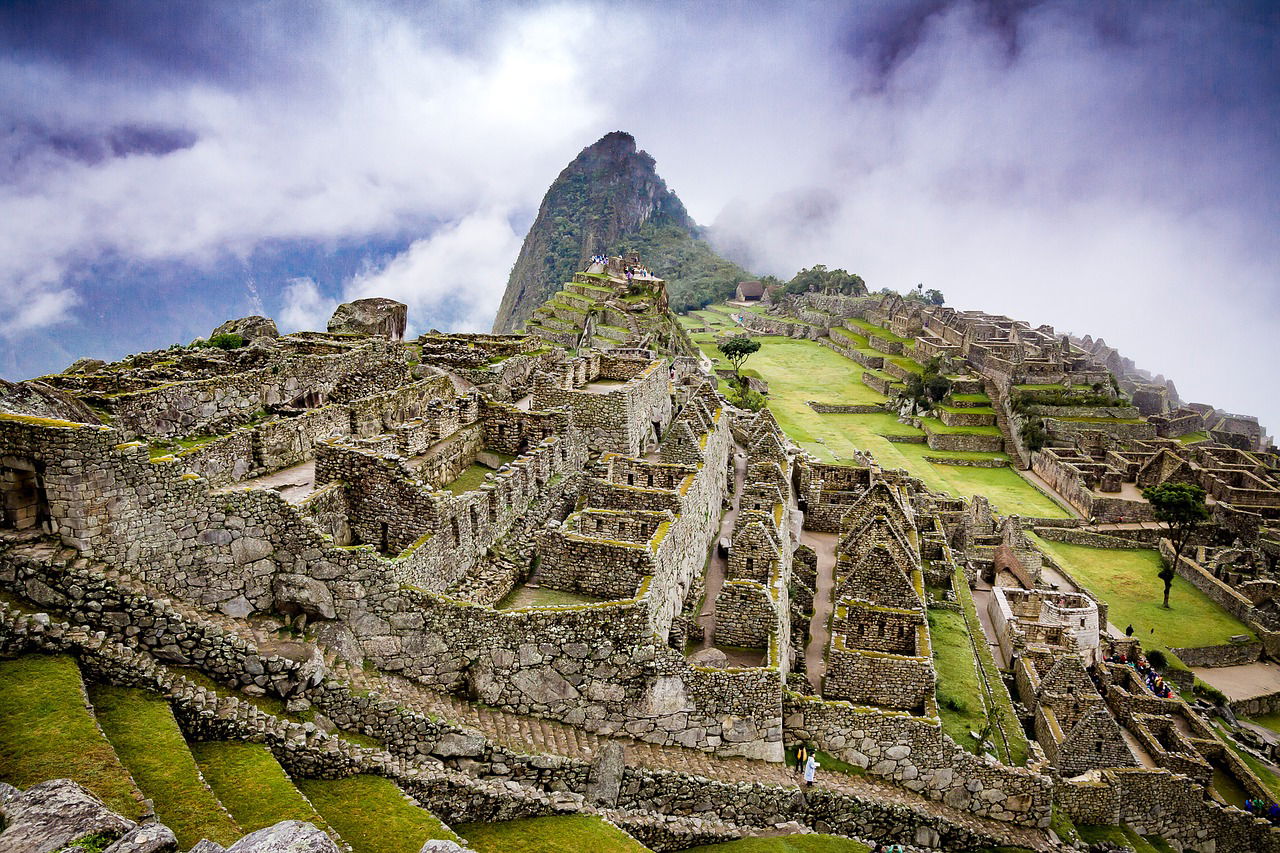
Machu Picchu, site of ancient Inca ruins located about 50 miles (80 km) northwest of Cuzco, Peru, in the Cordillera de Vilcabamba of the Andes Mountains.
It is perched above the Urubamba River valley in a narrow saddle between two sharp peaks—Machu Picchu (Old Peak) and Huayna Picchu (New Peak)—at an elevation of 7,710 feet (2,350 meters).


One of the few major pre-Columbian ruins found nearly intact, Machu Picchu was designated and confiscated by the UNESCO World Heritage site in 1983.
Although the site escaped detection by the invasive Spaniards, it may have been visited by the German adventurer Augusto Berns in 1867.
However, Machu Picchu’s existence was not widely known in the West until it was discovered in 1911 by the Yale University professor Hiram Bingham, who was led to the site by Melchor Arteaga, a local Quechua-speaking resident.

Bingham had been seeking Vilcabamba (Vilcapampa), the lost city of the Incas, from which the last Inca rulers led an opposition against Spanish rule until 1572.
He cited evidence from his 1912 excavations at Machu Picchu, which were sponsored by Yale University and the National Geographic Society, in his labeling of the site as Vilcabamba; however, that interpretation is no longer widely accepted.
Nevertheless, many sources still follow Bingham’s precedent and erroneously label Machu Picchu as the lost city of the Incas.

Evidence later associated Vilcabamba with another ruin, Espíritu Pampa, which was also discovered by Bingham. In 1964 Espíritu Pampa was extensively excavated under the direction of the American explorer Gene Savoy.
The site was much deteriorated and overgrown with forest, but Savoy uncovered remains there of some 300 Inca houses and 50 or more other buildings, as well as extensive terraces, proving that Espíritu Pampa was a much larger settlement.
Machu Picchu was further excavated in 1915 by Bingham, in 1934 by the Peruvian archaeologist Luis E. Valcarcel, and in 1940–41 by Paul Fejos.

Additional discoveries throughout the Cordillera de Vilcabamba have shown that Machu Picchu was one of a series of pucaras (fortified sites), tambos (travelers’ barracks, or inns), and signal towers along the extensive Inca foot highway.
The dwellings at Machu Picchu were probably built and occupied from the mid-15th to the early or mid-16th century. Machu Picchu’s construction style and other evidence suggest that it was a palace complex of the ruler Pachacuti Inca Yupanqui (reigned c. 1438–71).
Several dozen skeletons were excavated there in 1912, and, because most of those were initially identified as female, Bingham suggested that Machu Picchu was a sanctuary for the Virgins of the Sun (the Chosen Women), an elite Inca group.


Technology at the turn of the 21st-century, however, identified a significant proportion of males and a great diversity in physical types.
Both skeletal and material remains now suggest to scholars that Machu Picchu served as a royal retreat. The reason for the site’s abandonment is also unknown, but lack of water may have been a factor.
The high level of preservation and the general layout of the ruin are remarkable.

Its southern, eastern, and western portions are surrounded by dozens of stepped agricultural terraces formerly watered by an aqueduct system. Some of those terraces were still being used by local Indians when Bingham arrived in 1911.
Walkways and thousands of steps, consisting of stone blocks as well as footholds carved into underlying rock, connect the plazas, the residential areas, the terraces, the cemetery, and the major buildings.
The Main Plaza, partly divided by wide terraces, is at the north-central end of the site. At the southeastern end is the only formal entrance, which leads to the Inca Trail.

Few of Machu Picchu’s white granite structures have stonework as highly refined as that found in Cuzco, but several are worthy of note.
In the southern part of the ruin is the Sacred Rock, also known as the Temple of the Sun (it was called the Mausoleum by Bingham). It centers on an inclined rock mass with a small grotto; walls of cut stone fill in some of its irregular features.
Rising above the rock is the horseshoe-shaped enclosure known as the Military Tower. In the western part of Machu Picchu is the temple district, also known as the Acropolis.

The Temple of the Three Windows is a hall 35 feet (10.6 metres) long and 14 feet (4.2 metres) wide with three trapezoidal windows (the largest known in Inca architecture) on one wall, which is built of polygonal stones.
It stands near the southwestern corner of the Main Plaza.
Also near the Main Plaza is the Intihuatana (Hitching Post of the Sun), a uniquely preserved ceremonial sundial consisting of a wide pillar and pedestal that were carved as a single unit and stand 6 feet (1.8 meters) tall.


In 2000 this feature was damaged during the filming of a beer commercial. The Princess’s Palace is a bi-level structure of highly crafted stonework that probably housed a member of the Inca nobility.
The Palace of the Inca is a complex of rooms with niched walls and a courtyard. At the other end of Machu Picchu, another path leads to the famous Inca Bridge, a rope structure that crosses the Urubamba River.
Many other ruined cities—like that atop the dark peak of Huayna Picchu, which is accessible by a lengthy, precipitous stairway and trail—were built in the region; Machu Picchu is only the most extensively excavated of these.

Machu Picchu is the most economically important tourist attraction in Peru, bringing in visitors from around the world. For this reason the Peruvian government wishes to repatriate the materials taken by Bingham to Yale.
The ruins are commonly reached in a day trip from Cuzco by first taking a narrow-gauge railway and then ascending nearly 1,640 feet (500 metres) from the Urubamba River valley on a serpentine road. Smaller numbers of visitors arrive by hiking the Inca Trail.

The portion of the trail from the “KM 88” train stop to Machu Picchu is normally hiked in three to six days.
It is composed of several thousand stone-cut steps, numerous high retaining walls, tunnels, and other feats of classical engineering; the route traverses a wide range of elevations between about 8,530 and 13,780 feet, and it is lined with Inca ruins of various types and sizes.

At Machu Picchu there is a hotel with a restaurant, and thermal baths are at the nearby village of Aguas Calientes.
The Inca Bridge and other parts of Machu Picchu were damaged by a forest fire in August 1997, but restoration was begun immediately afterward.
Concern for the damage caused by tourism was heightened by discussion of the building of a cable-car link to the site.
Britannica / ABC Flash Point News 2025.
Curacao Corrupted @ Every Level of Society

According to an American survey, most states in the USA are corrupted, but according to the DEA these numbers are nothing compared to the corruption levels on some of the Caribbean Islands. Aruba, St.Maarten and Curacao top the corruption list.
Dutch and (British) BVI off-shores company structures present the possibilities for money laundering around the Caribbean region.

Florida is best known for its building inspectors on the take, while Kentucky is known for its bookmaking on the Derby thrown in. Nevada has the casino’s, as South Dakota and Alaska set the stage for oil bribery’s.
In Illinois the last two Chicago governors both went to jail for corruption.
However, Mississippi is ranked as the number one corrupted state in the USA, and because it is the poorest state in the USA, it’s corruption approach levels of colonized Third World Countries.
The Dutch Caribbean Islands, in particular Curacao, faces all of the above mentioned corrupt issues all @ once.
The hunt for one honest public official is useless, as all levels of government services are corrupted to the bone.
In line with white-collar crime, street crime forced most of the islands inhabitants to live in gated communities or be deported to her majesties hub in Holland.

On an island where little functions properly and especially mental poverty is an epidemic, no hope for improvement is acceptable by the rulers behind the curtains.
Tourism flourishes as the on- and offshore money laundering machines and gambling industry works 24/7.
For four years the tourism industry was temporarily exempted for value added tax to satisfy the investors. Now even Corendon has establish to build its concrete monster with local retirement money
Corrupt offered building permits and inspectors pave the way for tax-free tourism development projects to take place. Bookmaking and gambling are a social disease that dominate the culture of Curacao.
Most Casino’s and other gambling businesses serve as banks in order to finance illegal drugs trafficking, while sex trafficking assists and serves to back up the cause.
However, public enemy number one, is the useless government seated in Fort Amsterdam, which granted 3.000 offshore gambling permits to the evil empires in the world, in order to make sure money prostitution stays a lucrative business.
After the government sold nearly all of the island’s reachable beaches to developers and hotels to support tourism, the locals can hardly reach their own shorelines on the south coast of the island anymore.
Even fisherman are blocked by snorkelers to bring their food to shore @ home.
Meanwhile the local power company, Aqualectra squeezes the society with high energy prices, or bogus bills to battle shortages caused by pirating developers.
All the possible means to extract more money from the society are materialized by the greedy rulers, which explains the blue print for fascist capitalism.
The worldwide oil prices decreased by 60% in 2015, but the local corrupted government had no intention to lower the prices at the gasoline stations in order to compensate the huge budget deficits, caused by the public money sucking tourism industry.
The Tax Collector on the island was ordered by their Dutch superiors to enhance their cash-in methods, menacing locals that they will start executing public properties in order to fill in the financial gaps caused by tourism tax shortages, inflicted and enforced by discriminatory government austerity measures.
Still Curacao’s income fails to even cover basic governments costs, as most rich and business people received tax-holidays and other benefits the local islanders are not entitled to.

The public taxpayers have to carry the costs of the infrastructures for outsiders to collect their huge profits, which causes poverty and structural crime in return.
The 80/20 local employment ruling by law never materialized, for the locals to get low paid jobs. After all the locals are badly educated, developed or corrupted. So that lie is a good or better said perfect excuse for the colonial pirates to hold it against the local society.
Human trafficking rings fill up the employment gabs with illegal slave labor. Low waged Latin Americans now account for over 50% of the total population these days.
The local power and light company, Aqualectra charges average households (4 persons) at least $3.000 per year. By comparison, in the USA, residents pay around $900 for utility costs per year.
For tourism Curacao offers the best, as no limits are implemented for the short-term hauler. Four years of Room tax ended up in the pockets of the CTB, which in return spends millions of tax money on foreign marketing campaigns.
Dutch vacation homes rental businesses proved to be the best investment for outsiders and foreigners, as they are able to cash in without paying a dime in taxes. At the same time real estate speculation drives up property taxes and insurance costs for the locals.

Improving the local environment for the local population has no meaning. Instead jails are built to incarcerate the derailed young and hopeless.
Construction developments are pushed to continue by Dutch, Chinese, Arabs and Colombians, even as about 8.000 ready build houses are empty and not occupied by the islands inhabitants anymore because of the fabricated crisis.
A new law suggests that these empty homes must be made ready and possible for the invasive consumer to buy. Most of the times, organized family feuds are causing delays and misfortunes in these situations.

The Dutch are now setting their eyes on these targets and forced the local government, which is only looking after their own interests (such a life-long guarantee of income if they meet the standards to be eligible), to pass the new ‘pirate’ law for the business to take advantage of.
CHATA is the main tourism engine behind this cultural occupation hoax. They replaced the authority of the government to avoid residential protests for the money laundering machine to operate.

Greedy foreign entities invade and privatize public properties in order to create poverty among the islanders. The confiscation of beaches and other high value real estate is a Anglo Zio-Nazi capitalist formula.
The colonial annexation has been completed, for the highly polluting tourism industry to prevail, using human trafficking rings to supply cheap labor.
Freedom fighters are assassinated, jailed, isolated and mentally tortured for the colonial mission to be completed. This is no joke, but real truth for God’s sake.
Life is a beach.
Mainstreet / ABC Flash Point Home Invasion News 2014.
Curacao 30 Mei 1969 Protesten

Vandaag, 56 jaar geleden, oOp 30 mei 1969 brak op Curaçao een volksopstand uit die diepe sporen heeft nagelaten in de geschiedenis van het eiland en het Koninkrijk der Nederlanden.
Meer dan vijftig jaar later blijven de gebeurtenissen van die dag resoneren – niet alleen als herinnering aan sociaal onrecht en raciale ongelijkheid, maar ook als een blijvende oproep tot erkenning, herstel en gelijkwaardigheid.
De ochtend van 30 mei 1969 begon zoals zovelen op Curaçao: met het zachte ochtendlicht dat over de kleurrijke daken van Otrobanda viel, de geur van vers brood uit kleine bakkerijen, en het zilver van de Annabaai dat vredig glinsterde.
Maar onder die schijn van rust hing een spanning in de lucht — voelbaar, maar onuitgesproken. Het was de stilte van mensen die te lang genegeerd waren, de moeheid van arbeiders die hun lichamen hadden gegeven aan een economie die hun harten vergat.
Wat begon als een staking van Shell-werknemers escaleerde razendsnel. Binnen enkele uren veranderde Willemstad in een brandende stad — letterlijk en figuurlijk. Gebouwen stonden in lichterlaaie, winkels werden geplunderd en de rook trok als een deken over de stad.
Maar het vuur was niet alleen vernietigend. Het was bevrijdend. Het was het moment waarop jaren van opgekropte woede, raciale ongelijkheid, sociale uitsluiting en koloniale arrogantie zich niet langer lieten onderdrukken.
Trinta di Mei was geen spontane eruptie; het was het onvermijdelijke gevolg van een keten die te lang strak gespannen was geweest. Het was het breekpunt van een systeem waarin zwarte Curaçaoënaars structureel werden uitgesloten van zeggenschap, van economische macht, van waardigheid.
De vlammen vertelden een waarheid die niet meer genegeerd kon worden. De huidige verscholen militaire dictatuur, waar een dozijn van gewapende eenheden de volk blijven onderdrukken teneinde het hele eiland te laten privatiseren door kapitalische instellingen die alleen oog hebben voor geld wassen en winstnames.
Het Koninkrijk dat de andere kant op keek
In Den Haag klonk eerst stilte, daarna ongemak. Trinta di Mei werd gereduceerd tot een ‘incident’, een uit de hand gelopen protest dat niet te lang besproken moest worden.
De Nederlandse overheid stuurde militairen, herstelde de orde, en draaide zich vervolgens om. De officiële geschiedschrijving deed wat ze vaker doet bij pijnlijke gebeurtenissen: ze verzweeg, verdoezelde, vergat.
In plaats van erkenning kwam institutioneel zwijgen. Het Koninkrijk, dat zichzelf graag profileert als een moderne, inclusieve gemeenschap van naties, sloot de ogen voor de echo’s van zijn koloniale erfenis.
Trinta di Mei werd begraven onder monumenten en ceremoniële toespraken, niet om herinnerd te worden, maar om stil te houden.
Maar geschiedenis laat zich niet wegdrukken. Ze sluimert. In de collectieve herinnering van een volk leeft het verdriet, de vernedering, maar ook de kracht en het verzet voort. De as onder het bluswater bleef warm — en het smeult nog steeds.
De nieuwe generatie die niet zwijgt
Nu, meer dan vijftig jaar later, klinkt een nieuwe stem. Een generatie van jonge Curaçaoënaars die opgroeit tussen twee werelden: het eiland waar hun wortels liggen, en het Nederland waar velen zijn opgegroeid, gestudeerd, geslaagd — en alsnog niet volledig geaccepteerd.
Ze dragen diploma’s, spreken meerdere tal en, bouwen bedrijven, maken kunst, geven les. Ze keren terug naar Curaçao, of blijven in Nederland, maar wat ze delen is een diep gevoel van verantwoordelijkheid voor hun geschiedenis — en voor hun toekomst.
Deze jongeren kiezen niet voor geweld, maar voor dialoog. Voor poëzie, protestliederen, documentaires en podcasts. Voor verhalen die ruimte eisen in klaslokalen, op podia, in politieke arena’s. En ze doen dat met lef, met liefde, met een onverzettelijke drang om gehoord te worden.
Toch stuiten ook zij op muren. Vooroordelen zijn hardnekkig. In Nederland worden ze nog steeds te vaak gezien als ‘buitenstaanders binnen het Koninkrijk’. Hun accenten, namen, huidskleuren roepen nog altijd onbewuste reacties op. De pijn van het verleden leeft voort in de ongemakken van het heden.
Wereldwijd verbonden, lokaal onbegrepen
Deze jongeren zijn niet alleen Curaçaoënaars, ze zijn wereldburgers. Ze groeien op met toegang tot mondiale netwerken, volgen live de val van democratieën, de opkomst van klimaatrampen, de VN/UN strijd om mensenrechten en de verplichte dekolonisatie van alle wereldwijde kolonies in 2030.
Ze herkennen patronen van ongelijkheid — en trekken parallellen. Wat op 30 mei 1969 gebeurde, herkennen ze in de strijd van Black Lives Matter, in de protesten van de jeugd in Iran, in de oproepen tot dekolonisatie wereldwijd.
Hun strijd is geen opstand tegen het Koninkrijk, maar een roep tot herziening van wat het Koninkrijk zou moeten zijn: een gemeenschap van gelijkwaardige burgers. Niet zoals nu waar CAP/HATO alle airport tax mag opstrijken en voor eigen doelen mogen besteden.
Een gemeenschap die de pijn van het verleden onder ogen durft te zien, en daaruit leert. Wat ze vragen is geen wraak, maar erkenning. Geen privileges, maar gelijke kansen.
De vraag die niemand langer kan ontwijken
Het rommelt opnieuw, maar anders. Geen rookpluimen, geen brandende straten. De nieuwe opstand leeft in woorden. In vragen die gesteld worden tijdens lessen burgerschap. In toespraken tijdens festivals. In TikToks en spoken word-optredens. In kunstwerken en familiegesprekken.
Ze zeggen: luister naar ons. Niet omdat we slachtoffers zijn, maar omdat we erfgenamen zijn van een geschiedenis die nog niet is rechtgezet. Ze vragen niet om excuses, maar om ruimte. Niet om spijt, maar om samenwerking.
De vraag die voor ons ligt, is scherp en helder: hoe lang nog blijven we het zwijgen verkiezen boven het gesprek? Hoe lang nog blijven we een systeem ondersteunen dat de pijn herhaalt onder nieuwe vormen?
Trinta di Mei was een waarschuwing, een schreeuw, een begin. De echo ervan klinkt nog steeds. De tijd om te luisteren, écht te luisteren, is al te lang voorbij. Met 70.000 verblifs toeristen per maand wordt massa toerisme het einde van de lokale identiteit.
Nu is het moment, want anders nemen de NL’se NGO’s en Toeristen Fabrieken alles over en blijft Curacao met lege handen achter wanneer in 2030 de dekolonisatie moet gaan plaatsvinden.
De helft van de lokale bevolking werd als economische vluchteling reeds naar NL gedeporteerd en de gehele zuidkust werd al in beslag genomen door hotels of ligbedjes op alle publieke stranden. De natuur gebieden worden omver geduwd en vervangen door betonnen monsters.
Curacao Nu / Dylan Romeo / Stichting Crickey Amigu di Natura 2025.
Cuba, Bolivia Mexico and other Latin American countries survived US sanctions

Washington has maintained a triple generation-spanning trade embargo on the Caribbean nation, attempted to invade it and, controversially, holds land on the Cuban island that it uses for its torture camp at Guantanamo Bay.
All the while (ironically) accusing the Cuban government of human rights abuses. The new Bolivian government is now also becoming more heavily aligned with countries like Russia and China, seeking an alternative to the USA.

That’s understandable since Washington supported an illegal coup in 2019 and the restoration of what some labeled as fascism for one horrifying year in the country, before Bolivians took back control of their democracy, avoiding Elon Musk’s grab on lithium mines.
If Washington tries to make a case for the West there, it is unlikely anyone would listen – and who could blame them? They were negotiating the return of American citizens tied to Venezuelan Citgo oil company that were held by the Maduro government.
None of these actions by the USA in Venezuela, or other parts of the region, should be forgotten and I doubt they will be. On the other hand, it exposes the obvious hypocrisy and cynicism at the heart of American diplomacy.

Surely, Caracas is aware of the context of their meeting with Washington officials, e.g., US inflation at a historic high, a potential Europe-wide ground war.
And President Joe Biden’s dismal approval rating during a midterm election year that looks likely to be a complete massacre for the Democratic Party.
So desperate is Washington to both contain Russia and pad Biden’s election bid that the White House is now reaching out to a government they don’t even recognize as legitimate for help.

And this government is headed by Nicolás Maduro, who suggested the USA targeted him in an assassination plot, just as they had laid out a plot to murder Putin.
This is clearly not a principled diplomatic corps and, while we may only hope that the two sides can agree on things that help both their countries, I also hope that Venezuelan and Latin American officials generally can see the obvious cynicism here.
Sputnik / ABC Flash Point WW III News 2022.
The Truth behind the infamous Philadelphia Experiment?

In October of 1943, a U.S. Navy destroyer was supposedly turned invisible and teleported from Philadelphia to Norfolk. But did it really happen? If the stories are to be believed, the Philadelphia Experiment went something like this.
As it sat in the Philadelphia Naval Shipyard in 1943, the newly commissioned destroyer USS Eldridge was being outfitted with several intriguing devices. These included top-secret generators that were said to be able to make the ship completely invisible to the enemy.


As the final generators were put into place, the crew readied themselves for the system test. There, in broad daylight on a clear summer’s day in the middle of the shipyard, the generators were switched on and a greenish-blue glow surrounded the ship.
Before the crew’s eyes, the ship disappeared entirely.
Witnesses in the Norfolk Naval Shipyard in Virginia reported seeing the Eldridge appear in their waters before it disappeared just as rapidly. Hours later, it showed up back in Philadelphia.
Crew members aboard the ship reported nausea, insanity, and burn marks. Others reported being entirely embedded within the metal structure of the ship, having fallen through floors, or walls during the time it was missing.
Some claim to have re-materialized inside out, or not at all. The only problem with the tale? According to prevailing wisdom, it never happened?

Starting at the Beginning of the Philadelphia Experiment
The story of the Philadelphia Experiment has lived on for decades, despite the fact that much of what is known is pure conjecture. Of the hundreds of stories and details that have been thrown around over the years, only a few things are known for certain.
The first of these is that one Morris K. Jessup, an astronomer specializing in the propulsion of unidentified flying objects (UFO’s), received a letter from a man named Carlos Allende (also known as Carl Allen) who claimed to have witnessed a secret experiment in the Philadelphia Naval Shipyard.

Allende claimed that he was aboard the SS Andrew Furuseth in Philadelphia in 1943 when he witnessed the naval ship USS Eldridge become invisible before reappearing in Virginia, disappearing again, and appearing back in the Philadelphia Naval Shipyard.
He also declared that the experiment was proof of Einstein’s unified field theory, which Allende claimed taught him the theory.
Jessup attempted to investigate Allende’s incredulous claims, though he could not find any physical evidence to support them. Eventually, he wrote Allende off as a fool.

The Philadelphia Experiment Conspiracy Theory is Born
The story might have ended there and then, but in 1957, Jessup was contacted by the Office of Naval Research with a strange report. They told him they’d received a copy of Jessup’s book The Case for the UFO, which detailed how UFO’s might be able to fly.
The book was annotated with notes in three different hand writings, one of which supposedly belonged to an alien. These notes claimed to have an advanced understanding of physics and extraterrestrial technology.

The uncommon use of capitalization and punctuation led experts to believe that the annotator was, at the very least, not a native English speaker.
Jessup himself believed the annotations were the work of Allende, the mysterious letter writer. The annotators discussed the merits of Jessup’s claims and referenced the Philadelphia Experiment multiple times.
For reasons that remain unclear, the ONR decided to publish 127 copies of the annotated book. They were instantly dubbed the Varo editions after their publisher, Varo Manufacturing. So, the story of the Philadelphia Experiment was given new life.

The Lack Of Evidence
Apart from Allende’s claims and the Varo annotations, all reports of the Philadelphia Experiment have been uncorroborated, considered a hoax, or brushed aside, as the claims simply do not conform to the laws of physics.
The government organizations that were allegedly involved declare that it never happened, and indeed no documents have ever been found.
Truly, the mysterious annotated manuscript of Jessup’s book seems to be the only written mention of the Philadelphia Experiment. Over the years, the Philadelphia Experiment has become somewhat of a gambit amongst conspiracy theorists.
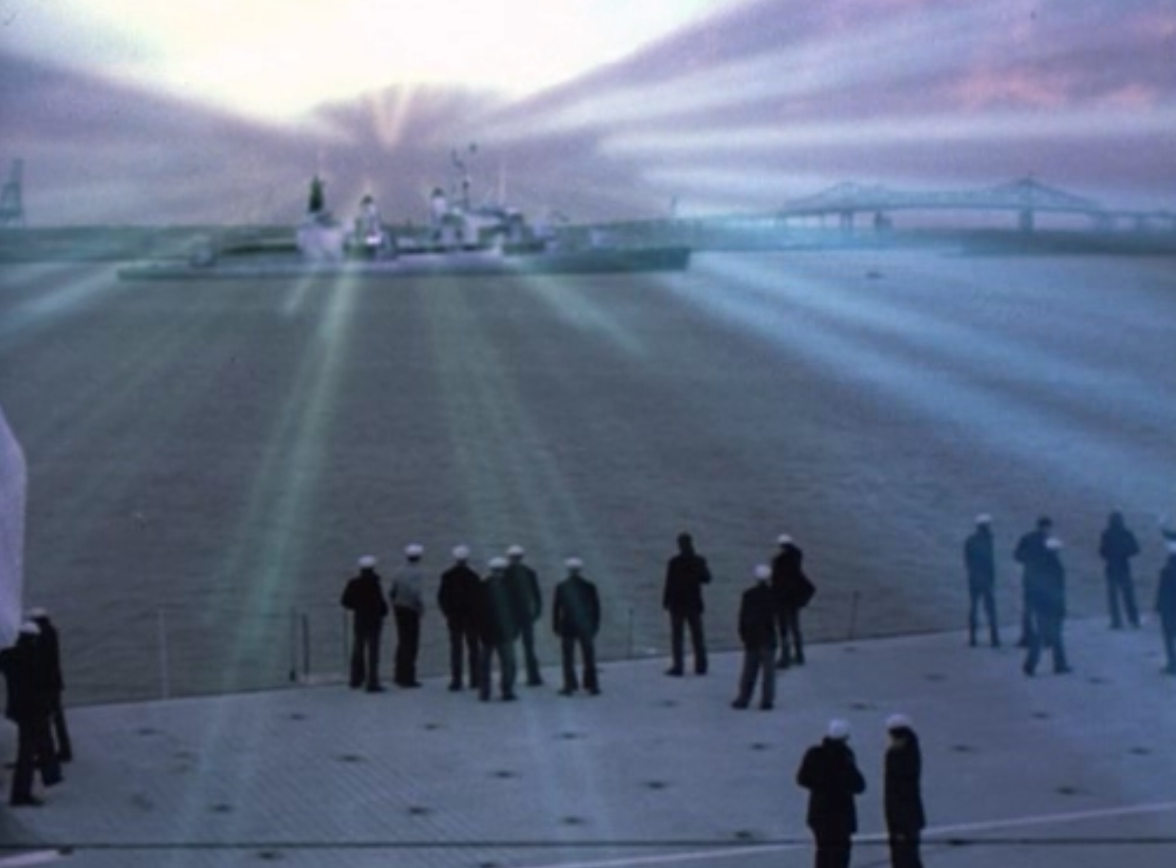
Everyone has their own version of events or explanations as to what could have caused the alleged disappearance and teleportation of an entire naval destroyer, ranging from government contact with aliens to paranormal interference.
The sole fact that Carlos Allende seemed to be the only witness to such a large-scale event seemed to hold most right-minded people back from believing the story. However, in 1988, Allende was joined by another witness.
A man named Al Bielek came forward in 1988, four years after Hollywood had gotten their hands on the story of the experiments and released a movie.

Bielek claimed that he was aboard the Eldridge when it disappeared and that he had been brainwashed to forget it. It was only upon seeing the movie’s depiction of the event that the memories had come flooding back.
Despite the fact that there were now two men who claimed to have firsthand knowledge of the test, the idea that it was a hoax still dominated conversations about the Philadelphia Experiment.

A More Sensible Explanation behind what Happened to the USS Eldridge
Today, most people are inclined to believe the explanation put forth by Edward Dudgeon, a man who had worked as a Navy electrician and was stationed near the USS Eldridge in the summer of 1943.
According to Dudgeon, generators were indeed placed on both the Eldridge and his ship — the USS Engstrom — to make the ships invisible.
However, the term invisible did not apply to the ship’s physical appearance but rather its ability to be detected by the magnetic torpedoes fired by German U-boats. In fact, this process had its own name: degaussing.

Dudgeon also had logical explanations for the ship’s greenish-blue glow and appearance in Norfolk, Virginia. The glow, he said, was likely the result of a lightning-like phenomenon known as St. Elmo’s Fire.
Meanwhile, the fact that the ship seemingly appeared out of thin air in Virginia before reappearing quickly in Philadelphia was explained by inland canals, which were off-limits to civilians and could shorten a two-day commercial journey to just six hours.
Even though Dudgeon put forth an excellent explanation for the Philadelphia experiment, there are still those who choose to believe the more exciting version.

As there are no official documents explaining what transpired, technically speaking there’s no proof for either story.
As for the USS Eldridge itself, it was transferred to Greece and rechristened the HS Leon before being used in exercises during the Cold War. Now, it lies in pieces, after being sold for scrap metal in the 90’s.
All that’s Interesting.com / ABC Flash Point News 2024.
France Castles # 1 : Château de Fougeret, Vienne, Nouvelle-Aquitaine

Where there is a crumbling old château, there must also be a pilfering poltergeist, sinister specter, or perhaps even the ghost of a decapitated Marie Antoinette roaming the hallowed hallways.
There are over 40,000 châteaux in France, many of which have endured a colorful history of revolution, religious conflicts, and wars that lasted up to a hundred years, so is it any wonder that there are more than a couple of ghosts lurking in these turreted towers?

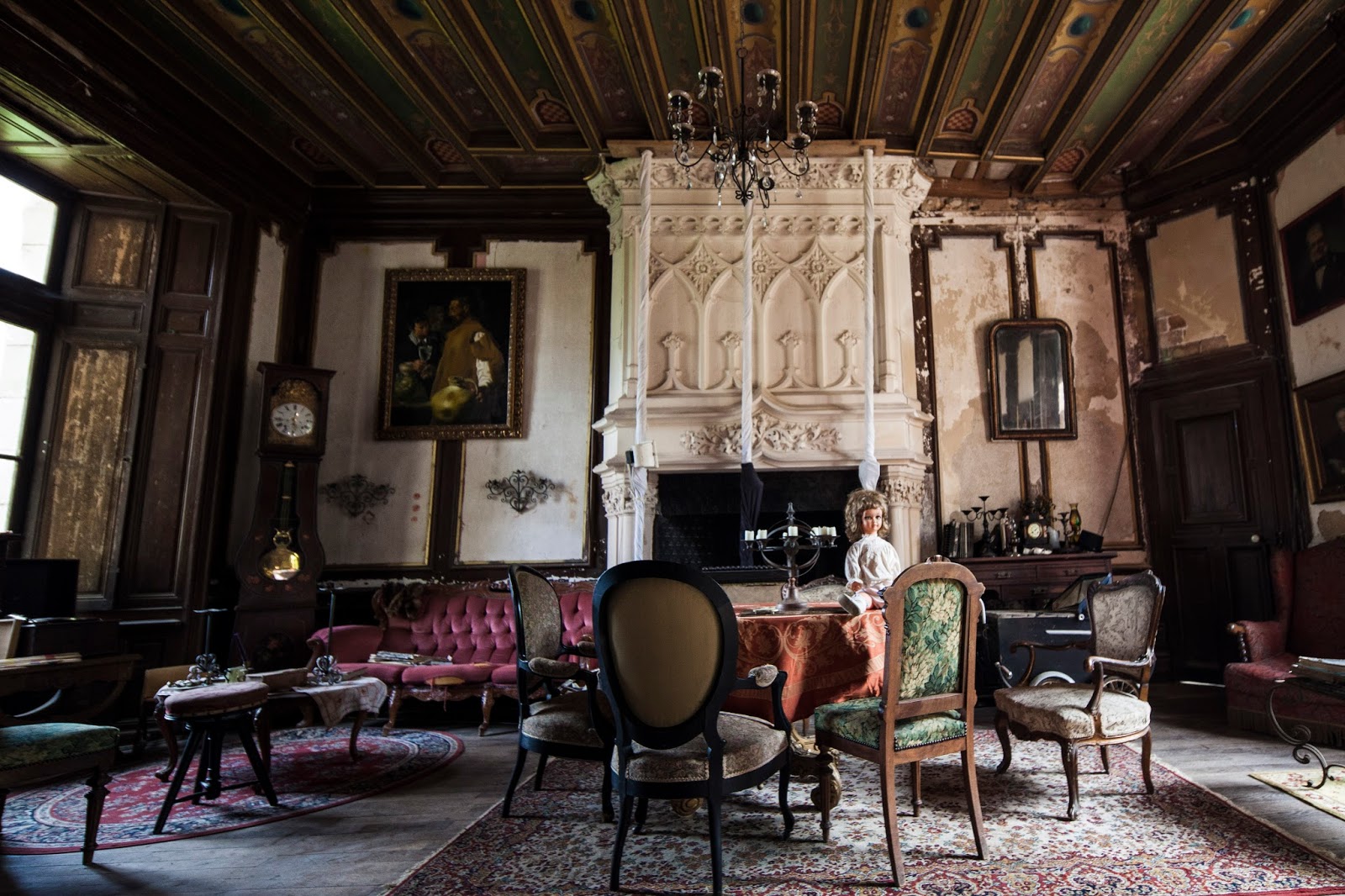

If there was a French version of Most Haunted, Château de Fougeret would top the list. It certainly looks the part: austere slate-turreted spires barely visible in the thick forest that surrounds it, climbing ivy, spooky oil paintings of the dear departed on the walls.
There are too many ghosts to list at Fougeret, but they usually stay confined to quarters.


In the nanny’s room, the ghost of a nanny strokes the hair of sleeping guests and whispers soothing words in their ears (lovely), but in the usher’s room, a man killed by an ax to the sternum ferociously scratches anyone who sleeps there (rather less pleasant).
Strangest of all is Alice’s room, where a young woman died of kidney disease.
People staying in the room in modern times have also been known to fall ill of the same disease, which is fortunately now curable.
Fodor’s Travel / ABC Flash Point News 2025.
France Castles # 2 : Château de Puymartin, Dordogne, Nouvelle-Aquitaine

Where there is a crumbling old château, there must also be a pilfering poltergeist, sinister specter, or perhaps even the ghost of a decapitated Marie Antoinette roaming the hallowed hallways.
There are over 40,000 châteaux in France, many of which have endured a colorful history of revolution, religious conflicts, and wars that lasted up to a hundred years, so is it any wonder that there are more than a couple of ghosts lurking in these turreted towers?

All châteaux worth their salt have a Dame Blanche or White Lady.
In the 16th century, the lady of the castle Thérèse de Saint-Clar was lonely while her husband was away at war. We’d imagine castles were pretty cold at the time, so she found someone else to warm the bed.
Unfortunately for Thérèse, her husband returned unexpectedly, and finding his wife in the arms of another man, he flew into a terrible rage.


He killed the man and imprisoned Thérèse in the north tower, where she stayed even after her death.
Thérèse’s ghost still prowls the north wing, gliding up and down the stairs and pacing the circular rooms, always around the time that the clock strikes midnight.
Fodor’s Travel / ABC Flash Point News 2025.
Mexico’s Triumph over the French @ Cinco de Mayo

Before Cinco de Mayo became associated with tacos and margaritas, the day served as a reminder of Mexico’s triumph over the French.
Celebrated annually, Cinco de Mayo commemorates the Mexican army’s victory over the Second French Empire, led by Napoleon III, at the Battle of Puebla on May 5, 1862, hence the name.

The holiday is celebrated across the USA and in parts of Mexico, particularly in the City of Puebla, where the epic battle took place.
Americans, including people of Mexican American heritage, along with our neighbors in Mexico, celebrate with parades, festivals, music and food. This year, Cinco de Mayo falls on Monday, May 5.
While Cinco de Mayo honors Mexico’s resilience and bravery in the face of strife, the holiday has also become, for some, an excuse to party.


Everyone thinks that it’s just party time, it’s Corona time, Mario García, a Chicanx historian from the University of California at Santa Barbara, shared in a May 2023 interview with USA TODAY.
It’s OK for people to go out and have a good time on a holiday like Cinco de Mayo — at least they have some sense that it’s some kind of a Mexican holiday.
But we should go beyond that. We should have Cinco de Mayo events that go beyond partying and drinking, where we call attention to what the history is.


Cinco de Mayo a Mexican Independence Day?
Though many might know the lore behind Cinco de Mayo, it is often confused with Mexico’s Independence Day, which falls on September 16. It is known as the Día de la Independencia in Mexico.
Part of the confusion about what Cinco de Mayo celebrates likely stems from the names of the two holidays, which might be harder for some English speakers to say.
Cinco de Mayo is much catchier than the day of Mexico’s independence (Diez y seis de Septiembre), García said.

Another issue is that not enough American schools teach the importance of Chicanx history and its peoples’ contributions to the USA. When you study the history of Chicanos and Latinos, of course, they’ve been history makers
They’ve been involved in all aspects of American history, not to mention the wars … In World War II alone, almost half a million Latinos – mostly Mexican Americans – fought in the war. And they won a disproportionate number of congressional Medals of Honor.


The Battle at Puebla also occurred more than 50 years after the country broke free of Spanish rule. The reason the battle happened in the first place was because French Emperor Charles-Louis Napoléon Bonaparte wanted to claim Mexico for himself.
The French sent troops to force President Benito Juárez and the government out of Veracruz, Mexico.

An outnumbered band of Mexican soldiers faced 6,000 French troops at daybreak in Puebla, a city in east-central Mexico, on May 5, 1862. Mexico, miraculously, was able to claim victory by the evening, at which time Juárez declared May 5 a national holiday.
The victory also helped prevent the French from settling in and helping the American Confederacy in the Civil War, according to History.com.
Yahoo / ABC Flash Point News 2025.
Dutch Royal Family escapes to England during Wold War 2
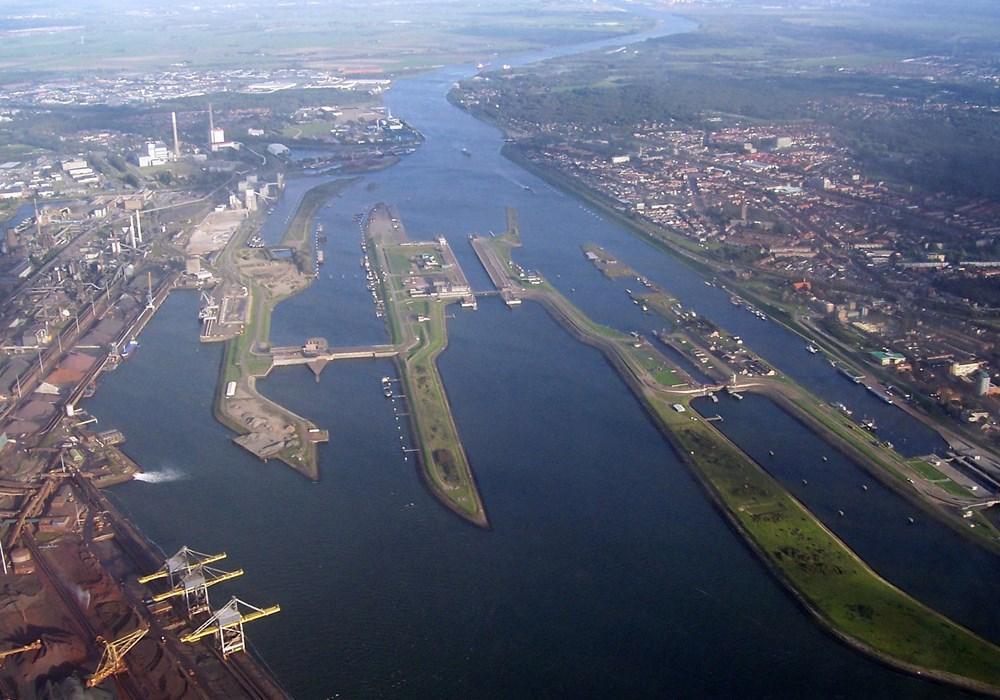
During the German invasion, the Dutch royal family stayed at Noordeinde Palace in The Hague. German troops had landed in the vicinity of The Hague. The attack was repelled, but not all of the troops were defeated.
The provinces of Brabant, Rotterdam, Gelderland, and Friesland saw most of the action. In a crashed German airplane, they discovered a plan to capture the Dutch cabinet and the Royal Family.
The Dutch supreme command did not know how long the army would be able to keep the Germans at bay, since the Germans were clearly in the majority.
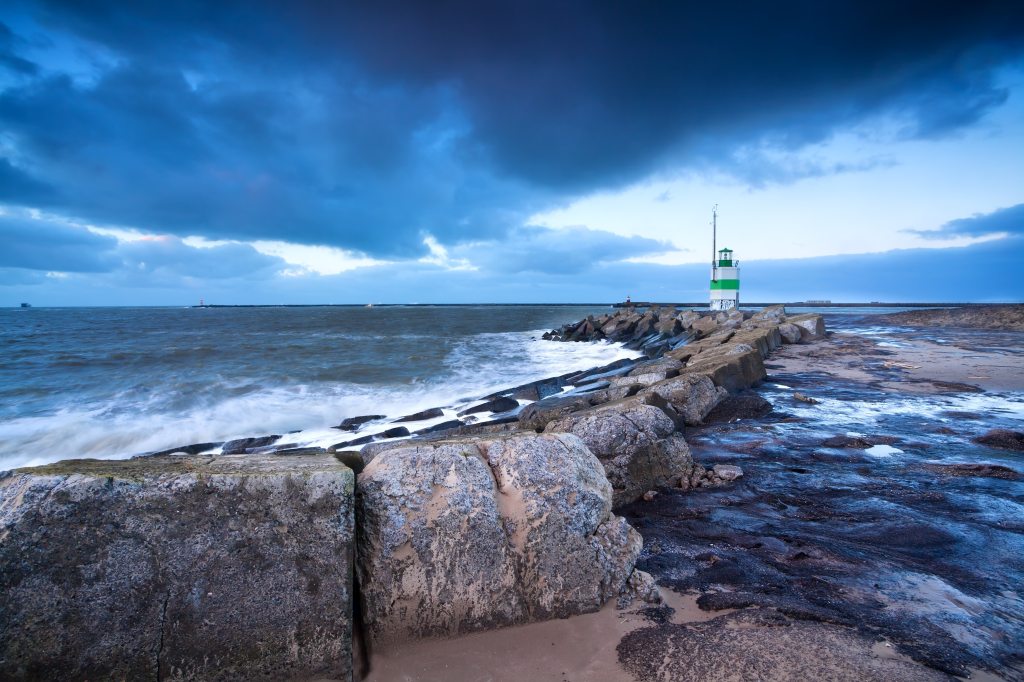
After two days, Queen Wilhelmina and Prince Bernhard decided that Bernhard would flee the country with his wife Princess Juliana and their two children because their safety could not be guaranteed. In IJmuiden, they boarded a torpedo-boat to Harwich (England).
A few hours later, Wilhelmina also left for Harwich. King George VI welcomed them. A few hours later, the Dutch government also escaped to England. General Winkelman was now the highest authority in the country.
When the news came the next day that the queen and her cabinet had fled the country, it came as a big blow to the Dutch people. Up until that point, the newspapers had mainly reported on the military successes of the Dutch.
The situation turned out to be more serious than people had expected. Some criticized the queen and called her a coward. During the occupation, however, the queen came to be an important symbol of the fight against Nazi Germany.
The Dutch government-in-exile, also known as the London Cabinet, was the government in exile of the Netherlands, supervised by Queen Wilhelmina, that fled to London after the German invasion of the country during World War II on 10 May 1940.
The government in exile had control over the Free Dutch Forces (*NSB).

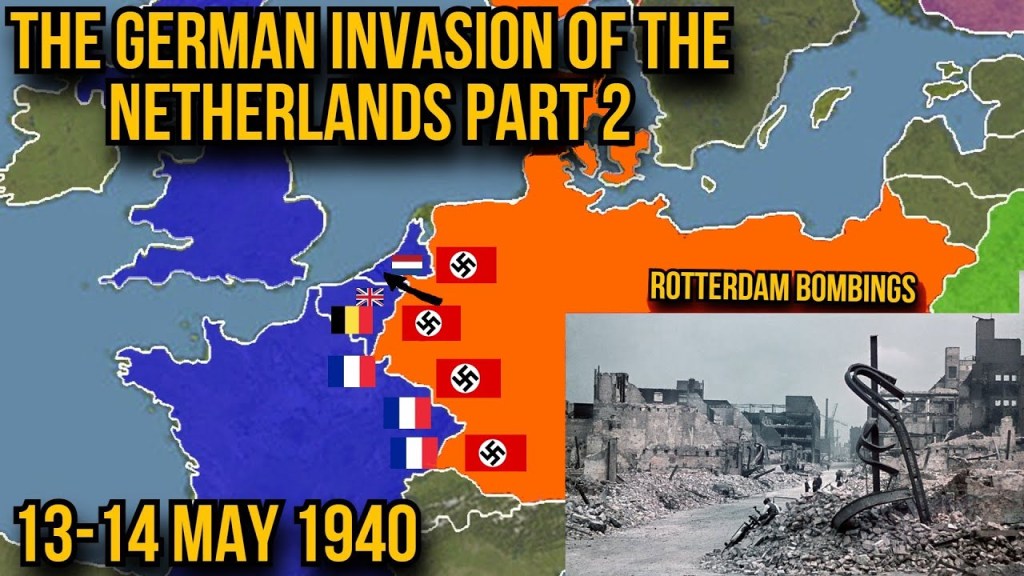
Until 1940, the Netherlands was a neutral country that was generally on good terms with Germany. On 10 May 1940, Germany invaded the Netherlands. Queen Wilhelmina fled the country aboard the British destroyer HMS Hereward, arriving in London on 13 May.
The Dutch armed forces surrendered two days later as they had been unable to withstand the speed of Germany’s Blitzkrieg style attack. In London, the queen took charge of the Dutch government-in-exile, which was established at Stratton House in the Piccadilly area of London, opposite Green Park.
Initially, their hope was that France would regroup and liberate the country. Although there was such an attempt, it soon failed, and the Allied forces were surrounded and forced to evacuate at Dunkirk. The Dutch armed forces in the Netherlands except for those occupying Zeeland surrendered on 15 May 1940.
To safeguard the succession, the heir to the throne, Princess Juliana, along with her family, was sent farther away to Canada, where they spent the war. The government-in-exile was soon faced with a dilemma.
After France had been defeated, the Vichy French government came to power and proposed to Adolf Hitler a policy of collaboration. That led to a conflict between Prime Minister Dirk Jan de Geer and the Queen. De Geer wanted to return to the Netherlands and collaborate as well.
The government-in-exile was still in control of the Dutch East Indies with all its resources and was the third-largest oil producer in the world, after the United States and the Soviet Union.

Wilhelmina realized that if the Dutch collaborated with Germany, the Dutch East Indies would be surrendered to Japan, as French Indochina was surrendered later by orders of the Vichy government.
As the hope for liberation was now the entry of the Americans or the Soviet Union into the war, the Queen dismissed De Geer as prime minister. She replaced him with Pieter Sjoerds Gerbrandy, who worked with Churchill and Roosevelt on ways to smooth the path for an American entry.
Aruba and Curaçao, with world-class exporting oil refineries, were important suppliers of refined products to the Allies. Aruba became a British protectorate from 1940 to 1942 and a US protectorate from 1942 to 1945.

On 23 November 1941, under an agreement with the Dutch government-in-exile, the United States occupied Dutch Guyana to protect the bauxite mines. An oil boycott was imposed on Japan, which helped to spark the Pearl Harbor attack.
In September 1944, the Dutch, Belgian and the Luxembourgish governments in exile began formulating an agreement over the creation of a Benelux Customs Union. The agreement was signed in the London Customs Convention on 5 September 1944.
The Queen’s unusual action was later ratified by the States General of the Netherlands in 1946. Churchill called her the only man in the Dutch government. After World War II ended, Wilhelmina and her government returned from exile to re-establish a regime more capitalist than ever before.
ABC Flash Point News 2025.
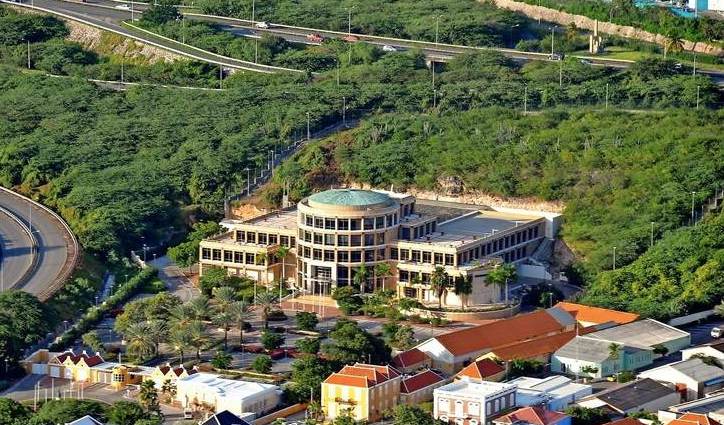
Caribbean Guilder, Kings Day & Mass Tourism
Date : 26/04/2025, Time 10.46 AM
Tourism can make human beings more comfortable with nature’s wonders and cultural sites, but with it comes the responsibility to keep them safe. Unfortunately, some sites have suffered enormous losses due to uncontrolled tourist activity. Here are five beautiful places that lost their charm due to human negligence.
Top 5 Beautiful places destroyed by Tourism :

1. Mount Everest Base Camp, Nepal
The crown jewel of the Himalayas, Mount Everest has seen its base camp turn into a virtual dump yard. The crowds of climbers and trekkers leave heaps of trash like plastic bottles, food packets and even oxygen cylinders. The fragile ecosystem is in a critical state, with trash piling up at an alarming rate, spoiling the charm of this iconic place.
2. Maya Bay, Thailand
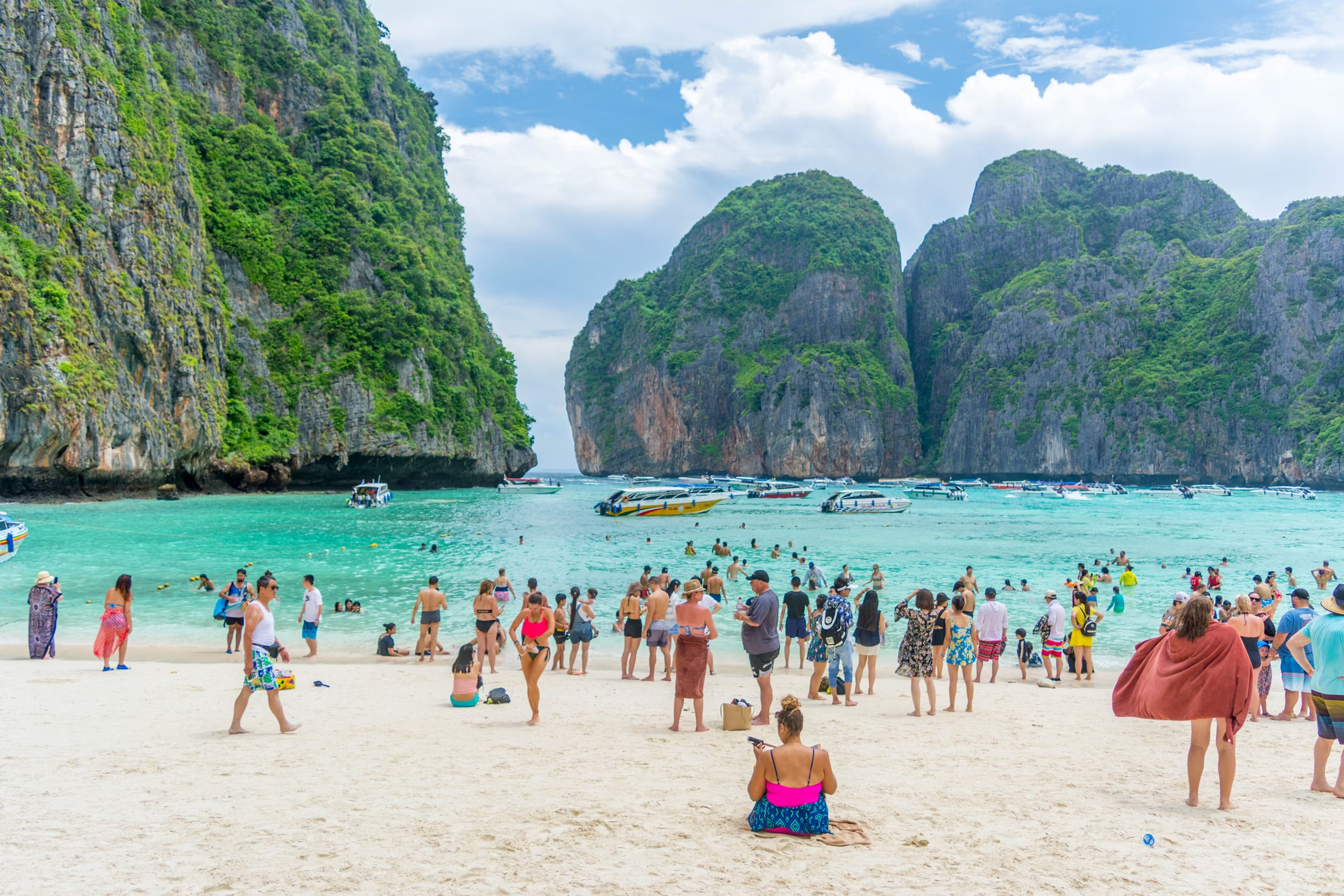
Popularized by the movie The Beach, Maya Bay was once a sandy heaven of crystal waters and colorful coral reefs.
But the invasion of thousands of tourists a day has put its marine ecosystem to enormous devastation.
Corals were crushed and polluted, and thus authorities shut the bay forever in 2018 for ecological rehabilitation.

3. Venice, Italy
Venice, city of love and canals, has fallen prey to over-tourism. Huge crowds of tourists, cruise ships and pollution have gotten the better of this UNESCO World Heritage Site. Tourists neglect indigenous culture, trash and even vandalize historic buildings. Increased water levels and severe human caused erosion have endangered Venice’s loveliness.
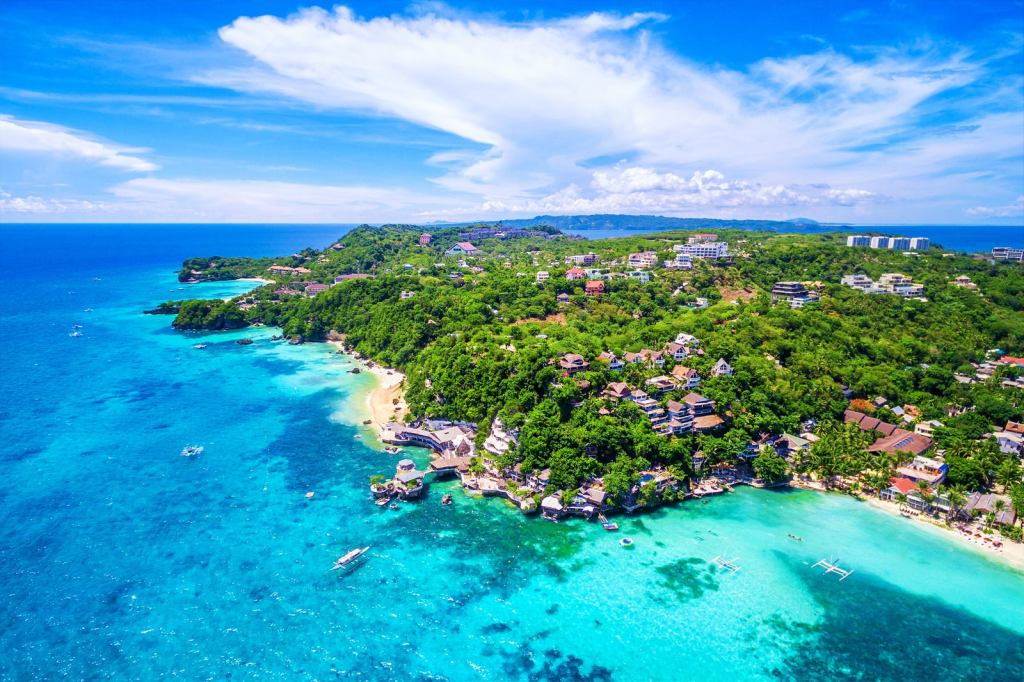
4. Boracay Island, Philippines
Boracay Island was a turquoise-sea and white-sand heaven, but untamed and mass tourism ruined it. Hordes of tourists, untreated sewage, and improper waste disposal desecrated its beauty.
The Philippine government closed the island for environmental rejuvenation in 2018 temporarily, but the damage is an eye-opener for us.
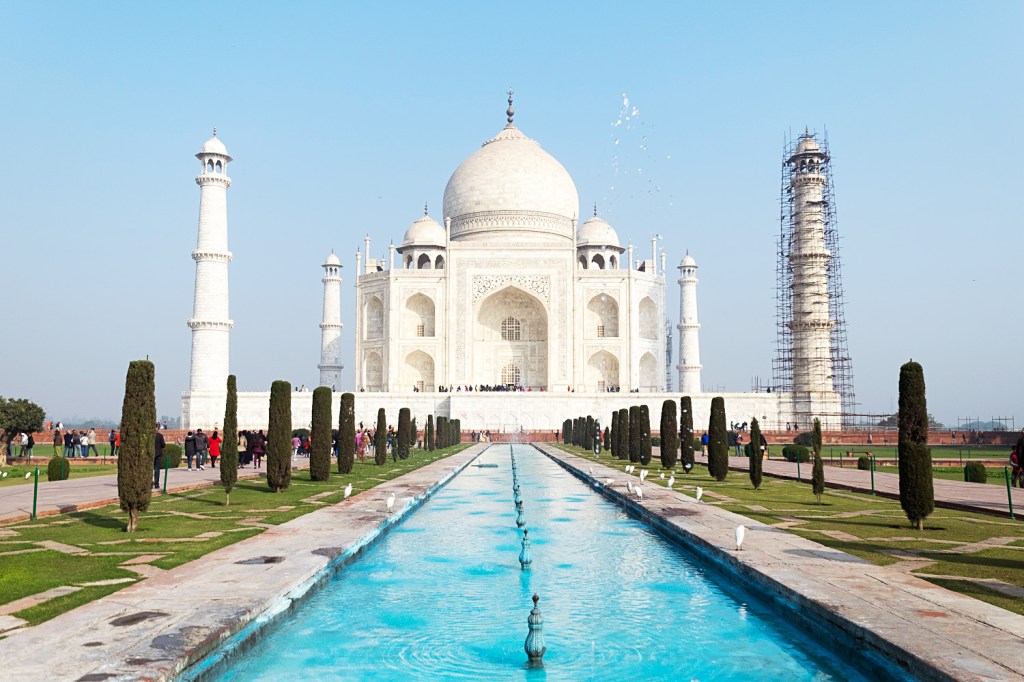
5. Taj Mahal, India
One of the Wonders of the Seven Worlds, the Taj Mahal, suffered damage due to overpopulation. Trash and pollution have disfigured the marble building, and its gardens are widely walked on. Despite damage control efforts, this masterpiece of art remains under attack by vast amounts of people.
These examples prove the urgent need of responsible tourism. Tourists must undertake initiatives such as avoiding wastage, being compliant with local laws, and not causing harm to the environment.
If we are careful, then we can ensure that such beautiful places are preserved for future generations so their beauty along with their cultural heritage is preserved.





Hebacu NV / ABC Flash Point News 2025.
Russia’s Arctic Sea Lane to Become Major Trade Route between Europe and Asia
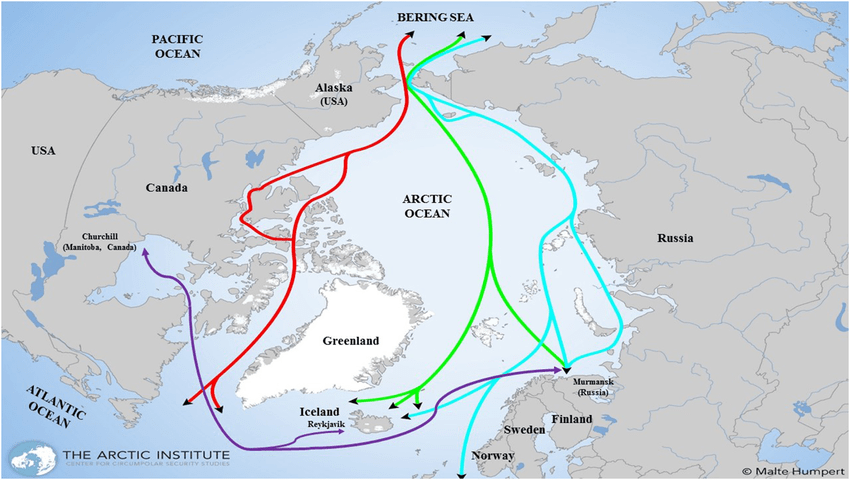
The Northern Sea Route is expected to become a major trade route for goods shipped between Europe and Asia. It stretches the entire length of Russia’s Arctic and Far East regions.
Ships under the Russian flag could get the exclusive right to transport oil and gas along the Northern Sea Route, according to Russian President Vladimir Putin who proposed the measure to boost the country’s shipbuilding industry.

The corresponding bill is currently being considered in the State Duma. to be adopted soon.
It will increase the volume of shipping, strengthen the position of the domestic shipping companies. The Christophe de Margerie is the first LNG tanker and icebreaker in the world.
The Russian tanker has completed its first commercial voyage, delivering liquefied natural gas (LNG) through the Northern Sea Route from Norway to South Korea.

The entire voyage from Hammerfest in Norway to Boryeong in South Korea via the Russian Northern Sea Route took 19 days, which is about 30% shorter than the traditional southern route through the Suez Canal.
The route runs the length of Russia’s Arctic and was completed in a record six and a half days. The tanker had an average speed of more than 14 knots (about 28 km/ph) despite the fact that the vessel was forced to go through ice fields 1.2 meters thick.
The amount of cargo transported via the Northern Sea Route exceeded the Soviet record last year, at 7.5 million tons. By 2030 the volume is expected to skyrocket to 70 million tons.
Ships will mainly transport liquefied natural gas (LNG),oil, and coal. The Arctic route from Southeast Asia to Europe cuts the transportation time in half compared to traditional routes through the Suez and Panama canals.
In Soviet times, it was used mainly to supply goods to isolated settlements in the Arctic.
RT.com / ABC Flash Point Shipping News 2018.
When was Jesus Christ born?

The birth of Jesus Christ is commemorated by millions of people around the world with Christmas celebrations on Dec. 25. Yet, most scholars agree that he wasn’t born on that day, or even in the year A.D. 1.
Researchers have speculated that the Roman Catholic Church chose Dec. 25 because it ties in with the winter solstice and Saturnalia, a festival dedicated to the Roman deity Saturn.

The church could also co-opt this popular pagan festival, as well as the winter celebration of other pagan religions, by choosing this day to celebrate Jesus’ birthday, according to scholar Ignacio L. Götz in his book Jesus the Jew: Reality, Politics, and Myth-A Personal Encounter (Christian Faith Publishing, 2019).
However, nobody really knows exactly when Jesus was born.
Some scholars believe that he was born between 6 B.C. and 4 B.C., based partly on the biblical story of King Herod the Great.
In an attempt to kill Jesus, the king allegedly ordered the death of all male infants under the age of 2 who lived in the vicinity of Bethlehem, an event known as the Massacre of the Innocents.
This occurred shortly before Herod’s own demise, a date which is still disputed. However, most scholars, including Peter Richardson and Amy Marie Fisher in their book Herod: King of the Jews and Friend of the Romans: Second edition (Routledge, 2018), follow the date used by Roman historians, who believed that Herod died in 4 B.C.

But historians disagree about Herod’s actual year of death, and many have argued that the mass infanticide is nothing more than a legend.
In his book Zealot: The Life and Times of Jesus of Nazareth (Random House, 2013), biblical scholar and author Reza Aslan wrote that Herod’s massacre was an event for which there exists not a shred of corroborating evidence in any chronicle or history of the time whether Jewish, Christian, or Roman.


Other scholars have attempted to correlate the Star of Bethlehem, which supposedly heralded Jesus’ birth, with actual astronomical events to pinpoint his birth year.
For example, in a 1991 article in the Quarterly Journal of the Royal Astronomical Society, astronomer Colin Humphreys proposed that the fabled star was actually a slow-moving comet, which Chinese observers recorded in 5 B.C.
However, Humphreys’ theory has since been debunked. Computer calculations of the previous stars in those days point at the planet Jupiter.

The month of Jesus’ birth has also been a point of debate, with one theory suggesting that the Star of Bethlehem may have been Venus and Jupiter coming together to form a bright light in the sky, a rare event that occurred in June of 2 B.C.
Another possibility is a similar conjunction between Saturn and Jupiter, which occurred in October of 7 B.C. There has also been speculation that Jesus was a spring baby.
Götz suggests that Jesus could have been born in the late spring of the year because pregnancies began in the fall after the harvests were in and there was enough money for a wedding feast.
Live Science / ABC Flash Point News 2024.
France Castles # 5 : Château de Commarque, Dordogne, Nouvelle-Aquitaine

Mysterious Château de Commarque was abandoned for centuries, and even today, much of the château is in ruins. The original castle was built in the 12th century.
During the Hundred Years’ War (1337—1453), the master of the castle, the Count of Commarque, was fighting with his neighbor, the Baron of Beynac.
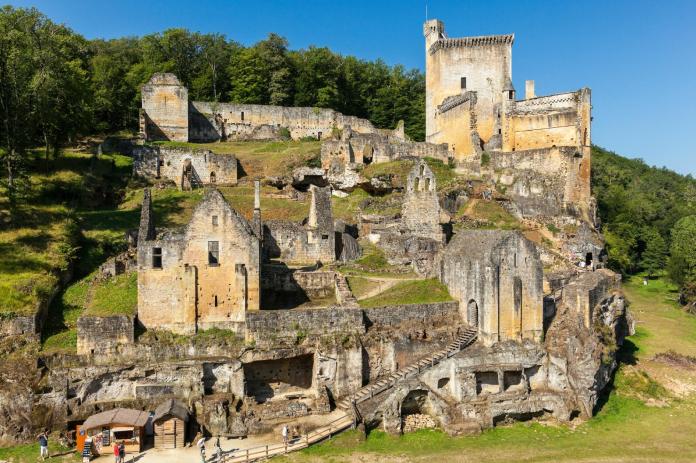

In a Romeo and Juliet-esque scenario, the Count’s daughter fell in love with the Baron’s son, and the story doesn’t have a happy ending in Shakespearean style.
The Count imprisoned the Baron’s son for several months before finally executing him.


It’s not the hapless man’s ghost that wanders the ruins now, but that of his horse, faithfully searching for his master like a kind of hooved Greyfriars Bobby.
But naturally, the horse only appears when the moon is full.
Fodors Travel / ABC Flash Point News 2025.

