Oceans getting more Acidic since the Industrial Revolution

Ocean acidification refers to a reduction in the pH of the ocean over an extended period of time, caused primarily by uptake of carbon dioxide (CO2) and methane released into the atmosphere.
For more than 200 years, or since the industrial revolution, the concentration of carbon dioxide (CO2) in the atmosphere has increased due to the burning of fossil fuels and land use change.


The ocean absorbs about 30% of the CO2 that is released in the atmosphere, and as levels of atmospheric CO2 increase, so do the acidic levels in the ocean, leading to less oxygen and depletion of shelled animals.
Carbonate ions are an important building block of structures such as sea shells and coral skeletons.
Decreases in carbonate ions can make building and maintaining shells and other calcium carbonate structures difficult for calcifying organisms such as oysters, clams, sea urchins, shallow water corals, deep sea corals, and calcareous plankton.


These changes in ocean chemistry can affect the behavior of non-calcifying organisms as well. Certain fish’s ability to detect predators is decreased in more acidic waters. When these organisms are at risk, the entire food web may also be at risk.
Ocean acidification is affecting the entire world’s oceans, including coastal estuaries and waterways. Many economies are dependent on fish and shellfish and people worldwide rely on food from the ocean as their primary source of protein.
For good reason, ocean acidification is often called climate change’s evil twin. The overload of carbon dioxide (CO2) in our ocean is literally causing a sea change, threatening fragile, finite marine life and, in turn, food security, livelihoods and local to global economies.
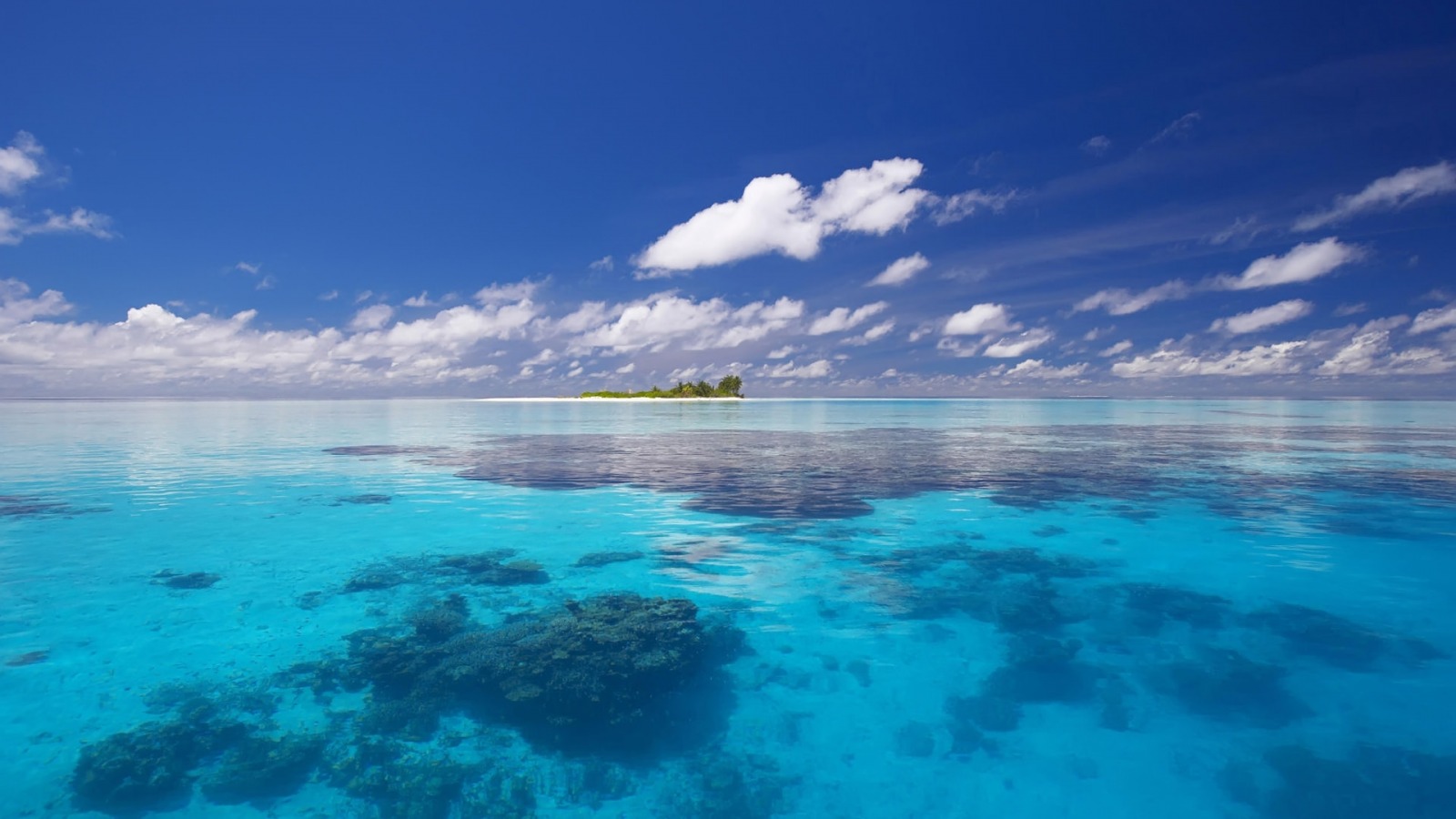


The consequences of disrupting what has been a relatively stable ocean environment for tens of millions of years are beginning to show.
While much is still unknown about ocean acidification, science already shows that its consequences can be profound. Some of the two most vulnerable species are the small life forms that salmon and other commercially-important fish depend on for food.
How these fish may adapt to an eroding food supply is a critical question.

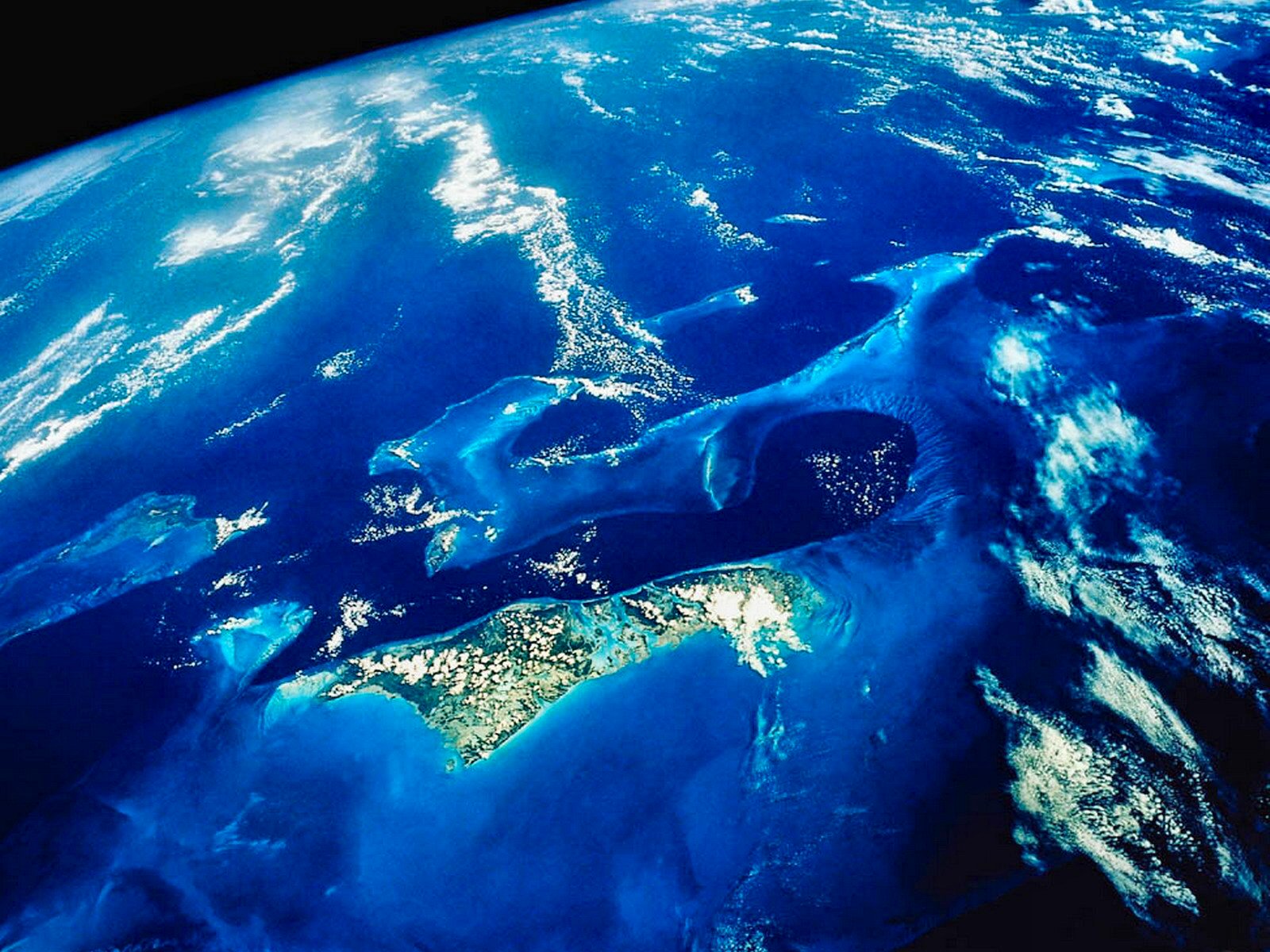
Along with increasingly acidified waters, the ocean is warming, and the oxygen critical to marine life is decreasing. Each stressor is a problem.
But all three hitting our ocean at one time is a triple threat, with enormous implications for food security, local to global economies, jobs, and vital consumer goods and services.
For good reason, ocean acidification is often called climate change’s evil twin. The overload of carbon dioxide (CO2) in our ocean is literally causing a sea change, threatening fragile, finite marine life and, in turn, food security, livelihoods and local to global economies.
NOAA / ABC Flash Point News 2024.
Sloop Plaza Hotel, Boogjes en Fort Punda

Het volks- en ambtenaren pensioen fonds van Curacao (APC) en de koloniale ontwikkelings partner Heritage Plaze Consortium (HPC) hebben aangekondigd om de herontwikkeling van Water Fort Plaza een andere vorm te geven, want er wordt asbest in het beton aangetroffen?
Het plan is om Plaza Hotel te vervangen met een levendig nieuw ontwerp wat een bijdrage zou moeten leveren aan de toeristische heropbouw van Punda, op een moment dat massa toerisme de grootste vervuilende voetafdrak op Curacao vormt?
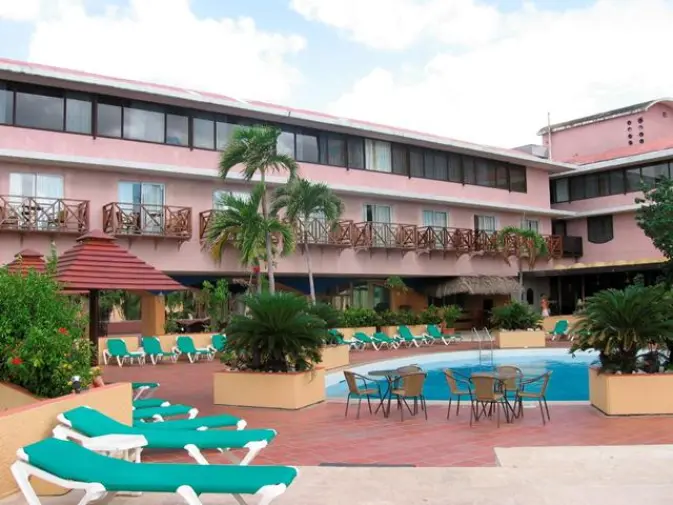




Sinds de aankoop van het failliet verklaarde Plaza Complex zijn er gesprekken gevoerd met buitenlandse NGO’s die achter de schermen bezig zijn geweest met een zogenaamde haalbaarheids analyze gestalte te geven.
Het eeuwen oude fort (*waar geen zogenaamde beton rot heerst) aan de Punda zijde moet ook maar gesloopt worden tezamen het traditionele hotel, wat Curacao wereldwijd bekendheid bracht.
Mooie woorden, moeten met daden opgevolgd worden, na de onverwachte dood van de voorganger (FNV bons de Boer) in deze eenzijdig beoogde ontwikkeling, waarbij APC de rol speelt van de gezelschaps dame.
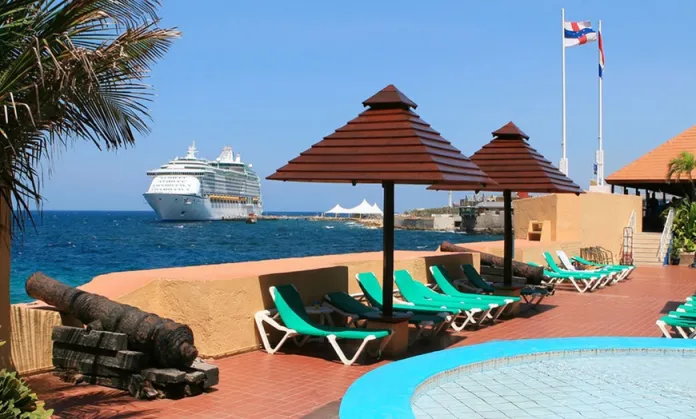
Monumentenzorg en het Monumenten Fonds hebben samen met UNESCO carte blanche gekregen in deze metamorfose voor herontwikkeling, alsof Curacao in de huidige staat ineens niet deugt sinds het vertrek van de PAR coalities, waarbij Rhuggenaath voor zijn veiligheid naar Suriname moest vluchten?
Dat Plaza Hotel en de Venozolaanse barkjes Curacao op de kaart hebben gezet doet er Den Haag niet toe. De handlangers op het eiland in de Carabische Zee streven naar andere doelen, waarbij de toekomst niets meer met het welzijn van het volk te maken heeft.
Wijlen Wiels werd daarvoor omgelegd en velen anderen die ook deze dans niet konden ontspringen. Het gaat goed met de economie (graadmeter ‘ontwikkeling bedrijfsleven’), dus moeten conservisten de mond gesnoerd worden?
ABC Flash Point News 2021.
What share of global CO₂ emissions come from Aviation?

Flying is one of the most carbon-intensive activities — yet it contributes just 2.5% of the world’s carbon emissions. How does this add up? Well, almost everyone in the world does not fly. Studies estimate that just 10% of the world flies in most years.
Between 1990 and 2019, both passenger and freight demand has approximately quadrupled. More people are flying, and more stuff is being moved around. In 2019, passengers traveled more than 8 trillion kilometers: that’s about the same as a light year.


Airplanes emit around 100 times more CO2 per hour than a shared bus or train ride, and the emissions of global aviation are around 1 billion tons of CO2 per year — more than the emissions of most countries, including Germany.
Aviation contributes an estimated 2.4% of global annual CO2 emissions, most of it from commercial travel. In 2018, there were 4.3 billion passenger journeys recorded.
The COVID-19 pandemic halted global travel and reduced aviation by 45% in 2020, but CO2 emissions persist for hundreds of years, so all emissions from all past flights are still at play.

Recent disruptions may have slowed warming by about five years, but they’re not all that significant to aviation’s overall climate impacts.
When jet fuel burns, it produces CO2 as well as non-CO2 emissions, including nitrogen oxides (NOx), soot, water vapor and sulfate aerosols.
All of these interact with the atmosphere and have an effect on the climate in different ways and at different time scales, making them complicated to calculate.

To calculate carbon emissions from aviation, we need to know three metrics:
- Aviation demand: How many passenger and freight kilometers;
- Energy efficiency: How much energy is used per kilometer;
- Carbon intensity: What fuel is being used, which tells us the carbon emitted per unit of energy.
Multiply these metrics together, and we get carbon dioxide (CO2) emissions.

At the same time, flying has become more than twice as energy efficient. Traveling one passenger-kilometer in 1990 used 2.9 megajoules (MJ) of energy. By 2019, this had more than halved to 1.3 MJ.
This efficiency has come from improved design and technology, larger planes that can carry more passengers, and a higher ‘passenger load factor’. Empty seats are less common than in the past.
The carbon intensity of that fuel — how much CO2 is emitted per unit — has not changed at all. We used standard jet fuel in 1990 and are using the same stuff today. It has not gotten any cleaner. Bio-fuels and other alternatives are just a tiny fraction of global demand.

New research that provides the most comprehensive calculations of aviation’s impact on the climate finds that global air travel and transport is responsible for 3.5% of all drivers of climate change from human activities.
The study, published in the journal Atmospheric Environment, evaluated all of the aviation industry’s contributing factors to climate change, including emissions of carbon dioxide (CO2) and nitrogen oxide (NOx).
And the effect of contrails and contrail cirrus – short-lived clouds created in jet engine exhaust plumes at aircraft cruise altitudes that reflect sunlight during the day and trap heat trying to escape at night.

For those of us that take regular holidays abroad and travel on business, flying makes up a considerable chunk of our carbon footprint, but are there ways of reducing those emissions?
Everything we do, from the food we eat, products we buy to the way we travel, releases greenhouse gases into the atmosphere, and so has an impact on the planet’s climate. But some activities have a far greater impact than others.
For those of us that do fly, it is likely to make up a significant slice of our personal carbon footprint. This is because, mile for mile, flying is the most damaging way to travel for the climate.

A return flight from London to San Francisco emits around 5.5 tonnes of CO2 equivalent (CO2e) per person – more than twice the emissions produced by a family car in a year, and about half of the average carbon footprint of someone living in Britain.
Even a return flight from London to Berlin emits around 0.6 tonnes CO2e – three times the emissions saved from a year of recycling. And emissions from planes are rising rapidly – they increased by 32% between 2013 and 2018.
While improving fuel efficiency is gradually reducing the emissions per passenger, it is not keeping up with the rapid increase in total passenger numbers, which are projected to double in the next 20 years.

You have fuel efficiency improvements on the order of 1% per year, and flights are increasing 6%. It’s not even close. And it is not just the CO2 pumped out from jet engines that is having an effect.
A single passenger traveling on a domestic flight in Britain, for example, can lead to climate impacts equivalent to 254g of CO2 for every kilometer they travel, according the UK’s Department for Business, Energy and Industrial Strategy (BEIS).
The same calculations estimate a long-haul flight can release the equivalent to 102g of CO2 for every kilometer – a lower figure on average per kilometer because of the huge amount of emissions given off during take-off and landing.


But an intercity train releases the equivalent of just 41g for every passenger mile. Traveling by coach releases even less – the equivalent of just 28g of CO2.
All this means that if a journey is possible to do by coach or train, this is likely to be far more climate friendly than flying.
Even driving is usually less carbon intensive than flying, says Rutherford, provided you can give someone else a lift. Driving alone in a medium-sized petrol car produces about 192g of CO2 for every kilometer you travel, but with passengers that can be shared.

Ground transport can also often be cheaper and faster than air travel for shorter distances once you take into account the time taken getting to the airport, checking in, queuing at security and waiting for baggage.
Sites like The Man in Seat Sixty-One can help with planning long-distance routes by bus, train and ferry by the cheapest route.
And there are other benefits to taking trains: they tend to connect directly between city centers rather than being out of town as many airports are.


They also offer the chance to see and explore new destinations. It is also easier to get up and walk around on a train, and, of course, there is the view.
But there is plenty still to be done to provide better low-carbon travel options.
Rail is already common in Europe, where the overnight sleeper train network is rebounding. But trains can be more expensive than flying on some routes and are often more time consuming.
BBC / ABC Flash Point News 2024.

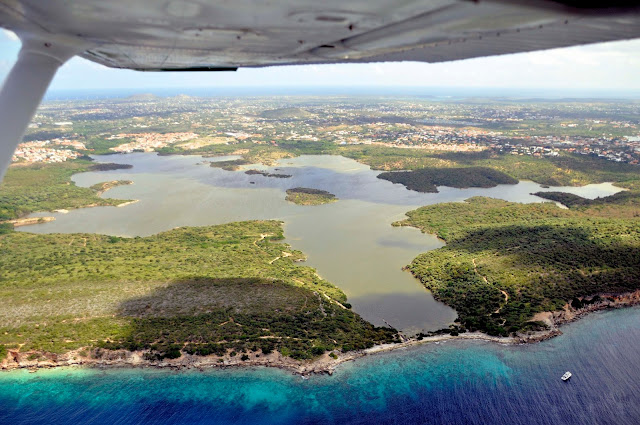
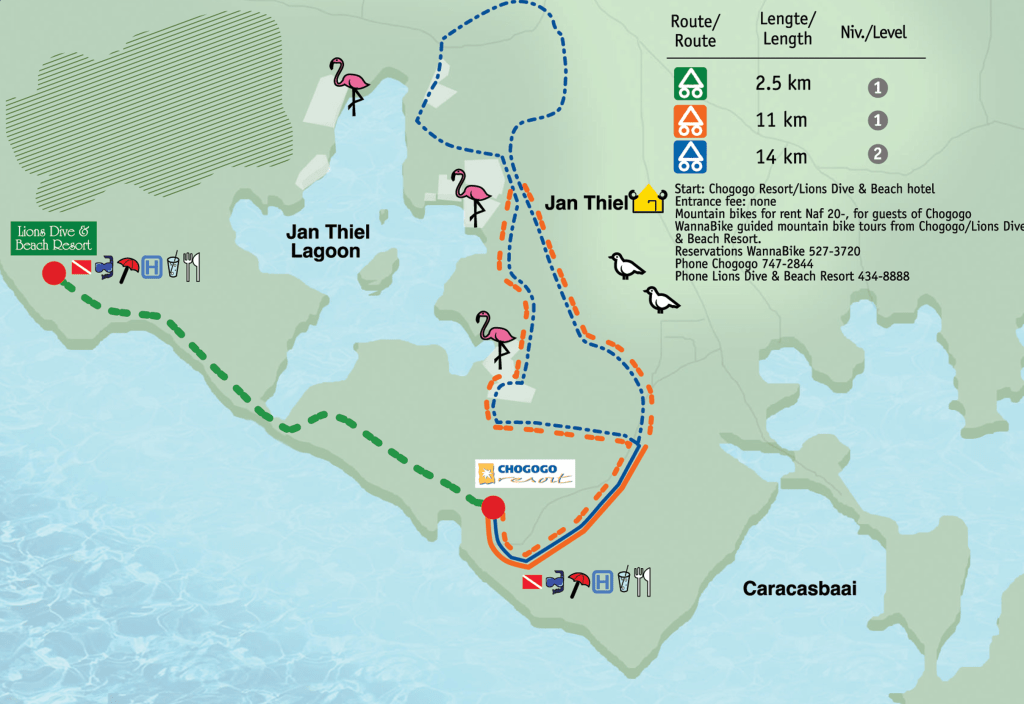



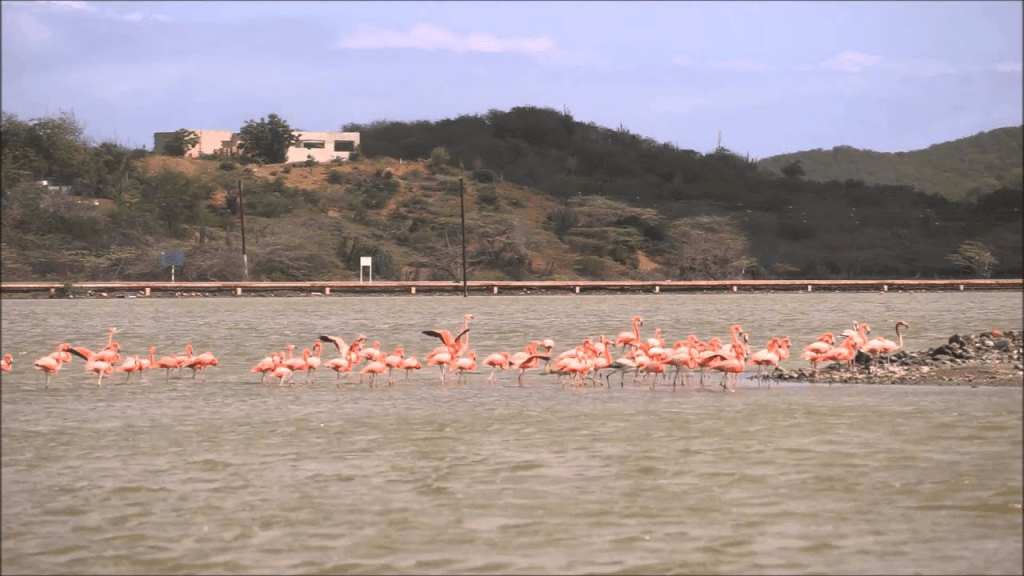
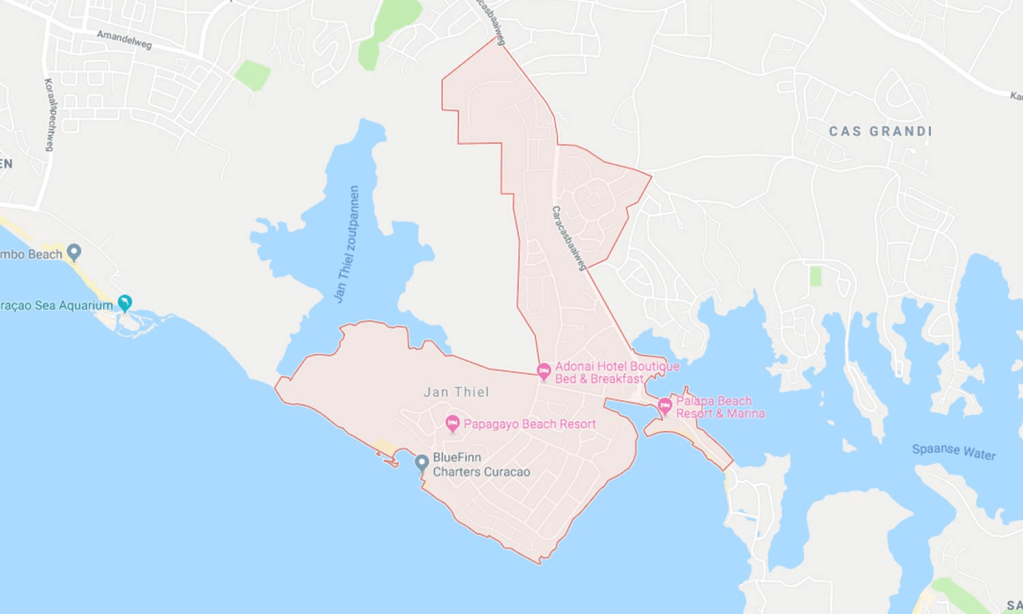
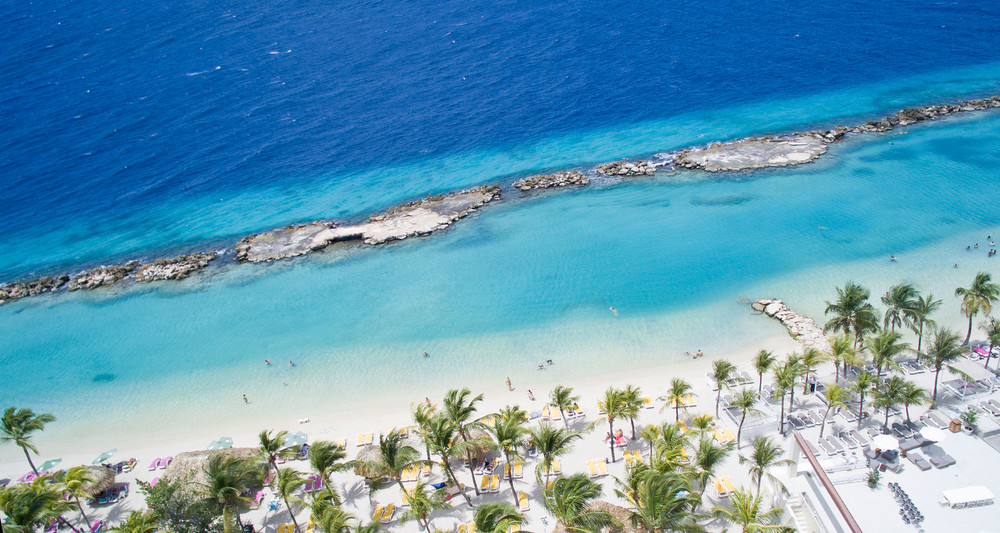
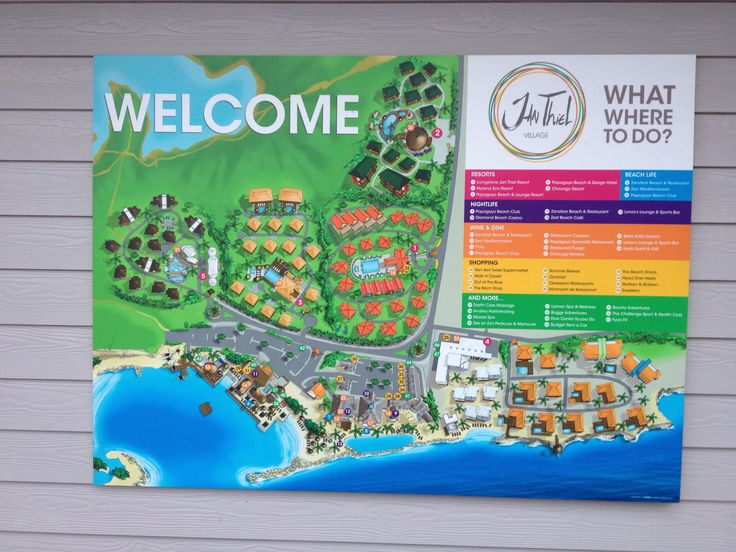
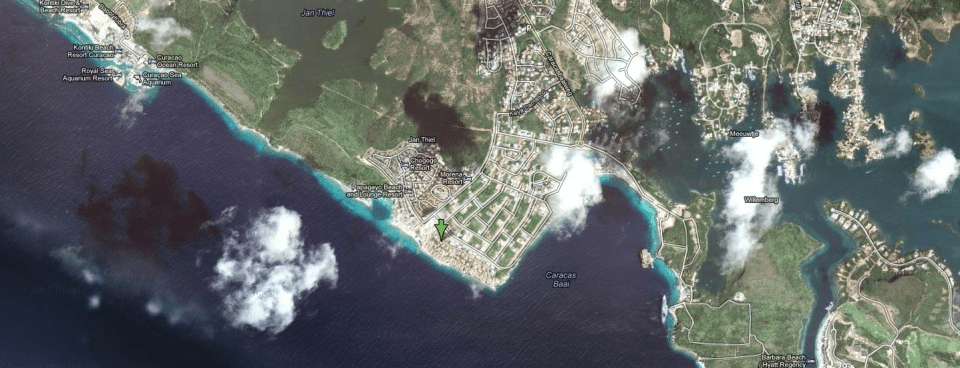
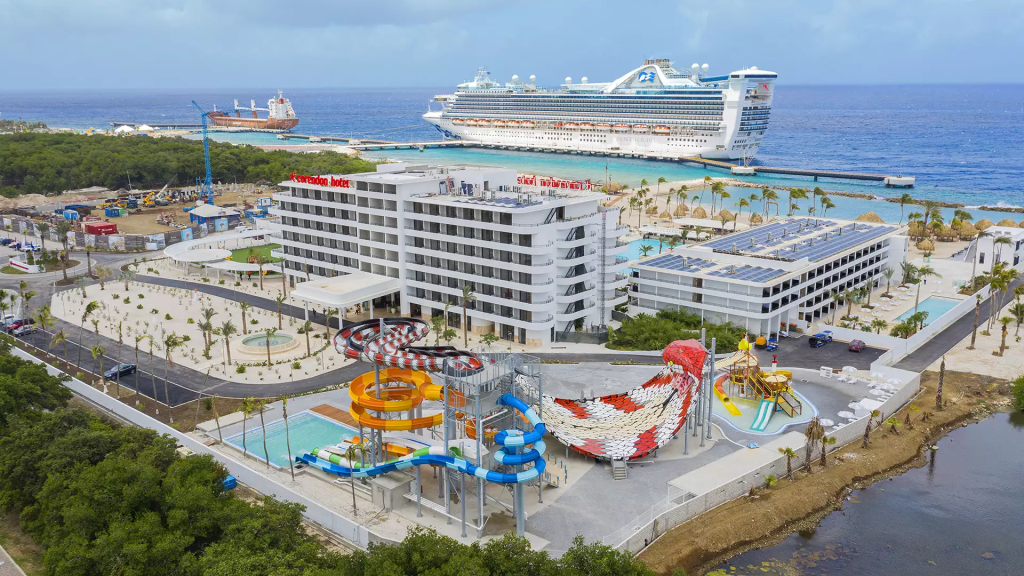
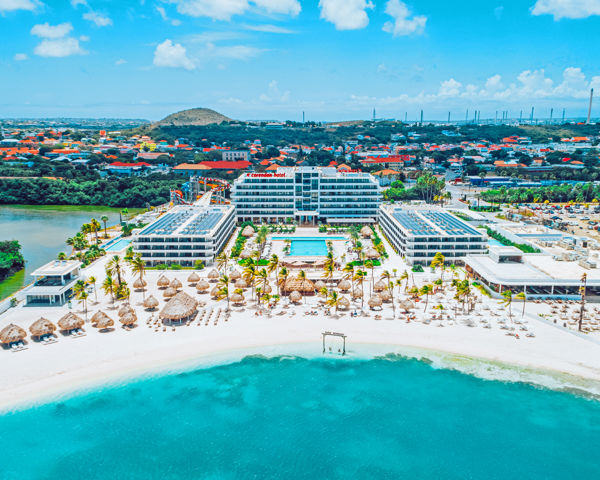
Plan Pisas om Caracasbaai verder te Moderniseren waarbij Vrije Toegang Kustlijn nog verder in Gevaar komt?

Het onderwerp over eigendom en toegankelijkheid van de stranden op de Nederlandse Antillen is al jaren een discussiepunt. Van wie zijn de stranden op Bonaire, Curaçao, etc.?
Veel mensen zijn de toegang tot stranden geweigerd. Sommige mensen, eigenaren en uitbaters die aan de kust wonen, eigenen zich de stranden toe, wat tot ergernis en discussies leidt op sociale media anno 2024.

Openbaarheid van Stranden :
Op Curaçao zijn alle stranden officieel openbaar volgens de Landsverordening Openbare Wateren en Stranden (PB 1989, no. 77). Deze wet bepaalt dat de kuststrook tot 50 meter vanaf de hoogwaterlijn tot het openbaar domein behoort. Hierdoor heeft iedereen recht op vrije toegang tot deze gebieden.
Bedrijven mogen faciliteiten zoals strandstoelen, parasols en toiletten aanbieden, maar zij mogen de toegang tot het strand zelf niet volledig blokkeren.
Artikel 24, 25 en 26 uit Boek 5 van het Burgerlijk Wetboek van Curaçao :
Hier is een eenvoudige uitleg van de relevante artikelen die de eigendom en toegankelijkheid van stranden regelen:
- Artikel 24: Onroerende zaken die geen andere eigenaar hebben, behoren toe aan het Land Curaçao waar zij zijn gelegen.
- Wat betekent dit? Onroerende zaken zoals land en gebouwen zonder specifieke eigenaar worden automatisch eigendom van de overheid van Curaçao.
- Artikel 25: De bodem van de territoriale zee is eigendom van het Land Curaçao.
- Wat betekent dit? De zeebodem binnen de territoriale wateren van Curaçao is eigendom van de overheid.
- Artikel 26: De stranden der zee, de grond onder de binnenwateren, alsmede de grote en kleine eilanden en platen die in die wateren voorkomen, worden vermoed eigendom te zijn van het Land Curaçao waar zij zijn gelegen.
- Wat betekent dit? Stranden, de grond onder binnenwateren en de eilanden worden beschouwd als eigendom van de overheid, tenzij het tegendeel wordt bewezen.
- Beperking van de openbaarheid van stranden door vervreemding, bezwaring, ingebruikgeving of anderszins, behoeft een bij landsverordening te verlenen bijzondere toestemming.
- Wat betekent dit? Beperkingen van de toegankelijkheid van stranden vereisen speciale wettelijke toestemming via een specifieke landsverordening.
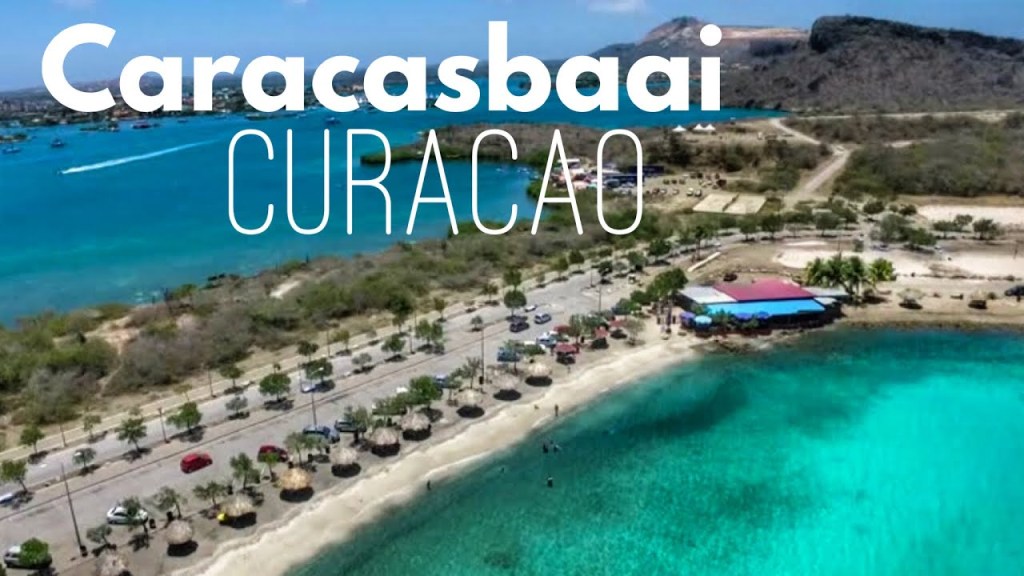
Voor de volledige tekst van deze artikelen kunt u de officiële bron raadplegen: Burgerlijk Wetboek van Curaçao, Boek 5. Caracasbaai is het enige door PAR beloofde overgebleven strand waar het lokale volk van Curacao nog onbetaalde toegang tot heeft.

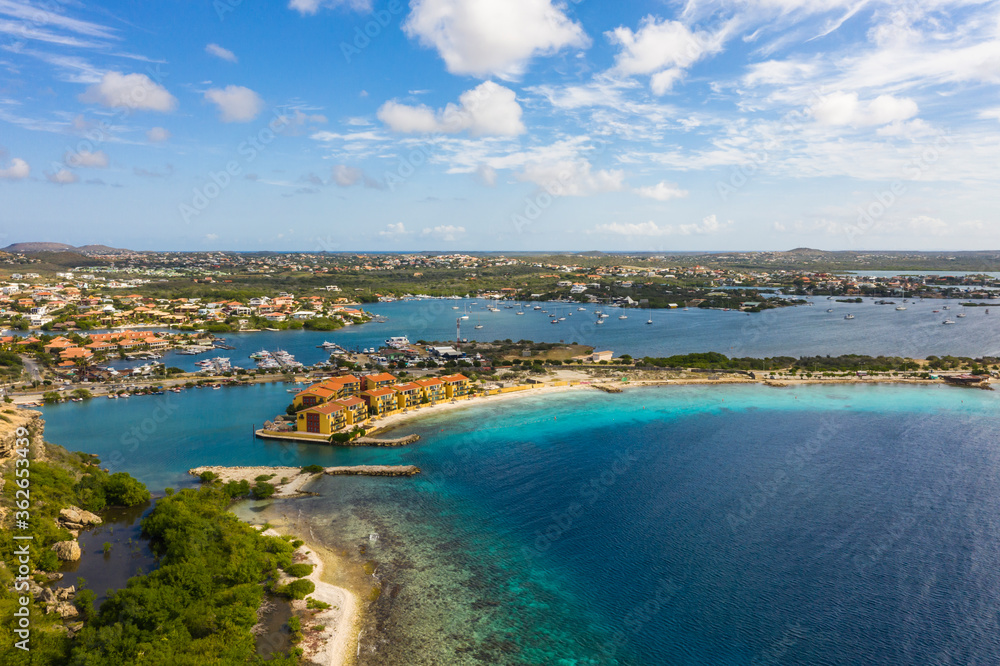


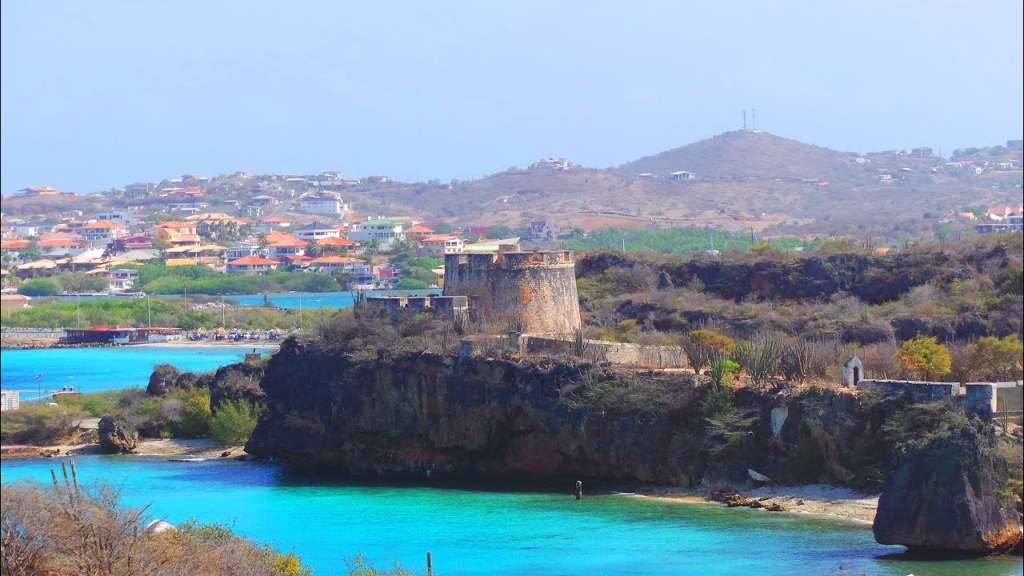
Kan iemand eigenaar worden van een strand op Curaçao?
Gezien artikel 25 van het Burgerlijk Wetboek van Curaçao is de bodem van de territoriale zee eigendom van het Land Curaçao. Voor stranden, zoals vermeld in artikel 26, blijft de eigendom bij de overheid tenzij er speciale wettelijke toestemming is verleend via een landsverordening.
Hierdoor is het zeer onwaarschijnlijk dat individuen of bedrijven volledig eigendom van een strand kunnen verkrijgen. In een artikel van het Antilliaans Dagblad van 5 november 2011, werd het proefschrift van Jeffrey Sybesma besproken. Hij stelt dat alle stranden vrij toegankelijk moeten zijn.
Prof. Jan de Boer benadrukte tijdens de verdediging van het proefschrift het belang van artikel 26, lid 2, van het Burgerlijk Wetboek van Curaçao, dat bijzondere toestemming vereist via een landsverordening om de openbaarheid van stranden te beperken.
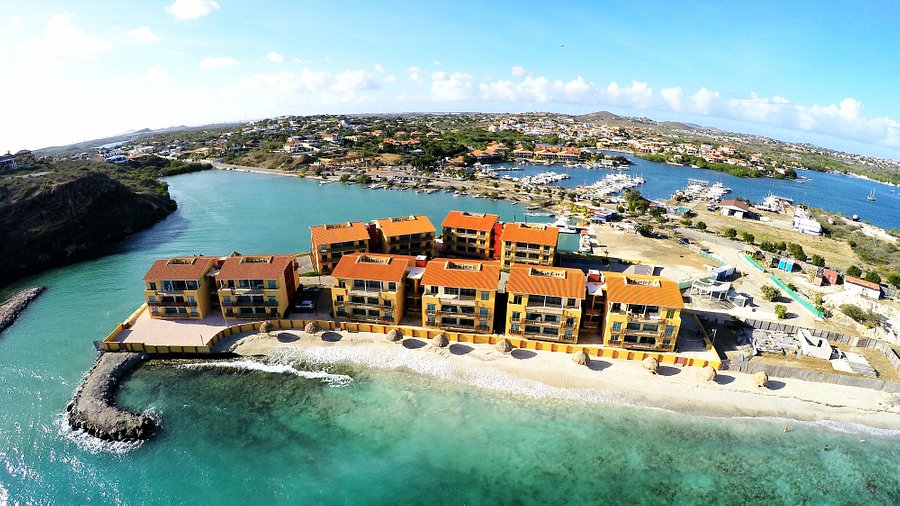
Prof. De Boer stelde kritische vragen over de handhaving van deze regelgeving en vroeg zich af of kuststroken, zoals die van het Palapa Curaçao Beach Resort, zonder de vereiste wettelijke toestemming zijn uitgegeven.
Hij wees erop dat indien de overheid kuststroken zonder de noodzakelijke toestemming heeft uitgegeven, deze handelingen nietig zijn volgens artikel 40, lid 2 van Boek 3 van het Burgerlijk Wetboek van Curaçao.
Het is essentieel om het verschil tussen eigendom en toegang te begrijpen. Eigendom betekent dat een persoon of entiteit wettelijk eigenaar is van een stuk grond. Toegang verwijst naar het recht van het publiek om het strand te gebruiken.

Essentie van Overwegingen bij Toegangsweigering :
In het verleden werden sommige stranden bij hotels of particuliere eigendommen ontoegankelijk gemaakt voor het publiek. Dit gebeurde vaak omdat eigenaren of exploitanten geloofden dat ze het recht hadden om hun eigendom af te schermen voor commerciële doeleinden of privacy.
Echter, de wet is hierin duidelijk: toegang tot stranden moet openbaar blijven!
De uitspraak ECLI:NL:OGEAC:2021:180 van het Gerecht in eerste aanleg van Curaçao maakt dit nog duidelijker. Hierin werd de openbaarheid van het strand bij het Marriott-hotel besproken.
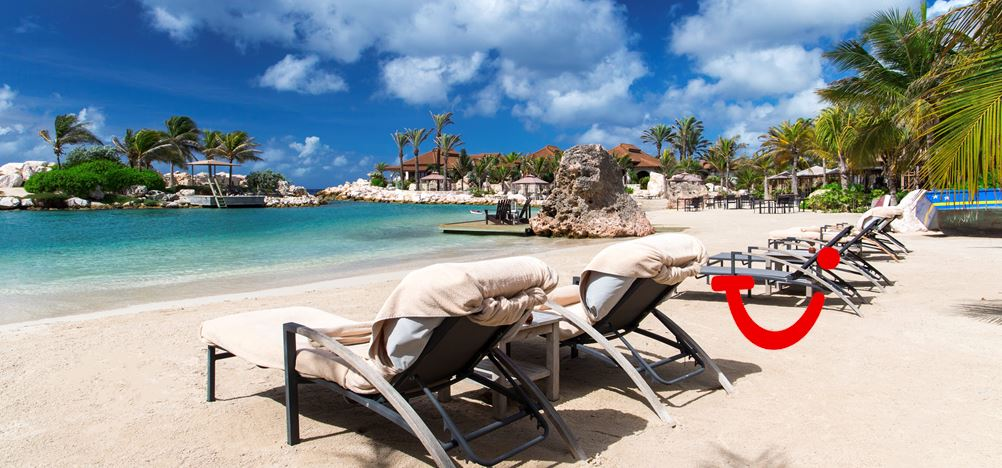
Het was mogelijk om de openbaarheid van het strand te beperken door middel van een beheersovereenkomst tussen het Land en de exploitant van het hotel.
Deze overeenkomst bepaalde dat het strand gedurende de nachtelijke uren afgesloten kon worden, zonder in strijd te zijn met de wettelijke vereisten. Dit geeft aan dat hoewel eigendom bij een entiteit kan liggen, de toegang onderhevig is aan publieke rechten en wettelijke regels.

Opspuiten van Stranden :
Bij het opspuiten van stranden zijn er extra overwegingen en procedures die gevolgd moeten worden:
- Vergunning voor Opspuiten: Een vergunning moet worden aangevraagd bij de relevante autoriteiten, zoals het Ministerie van Verkeer, Vervoer en Ruimtelijke Planning (VVRP). Dit omvat een milieueffectrapportage (MER) om de impact van het project te evalueren.
- Goedkeuring en Publieke Consultatie: De overheid beoordeelt de aanvraag en kan publieke consultaties houden om de mening van de gemeenschap te horen voordat een definitieve beslissing wordt genomen.
- Concessieaanvraag: Na goedkeuring en opspuiten kan een concessie worden aangevraagd voor het beheer en de exploitatie van het nieuwe strand.
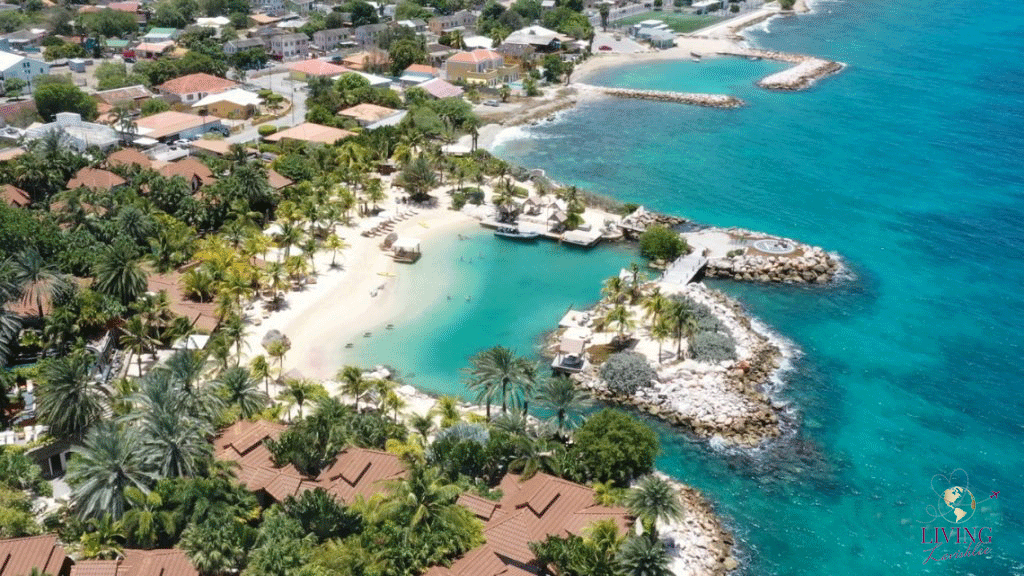
Kustwateren :
Het water voor een strand op Curaçao valt eveneens onder de wetgeving van openbaar domein, wat privé-eigendom onmogelijk maakt. Activiteiten in kustwateren zijn gereguleerd via concessies en vergunningen:
- Concessies: Bedrijven en particulieren kunnen concessies aanvragen voor specifieke activiteiten zoals het aanleggen van steigers of het exploiteren van duikscholen. Deze concessies geven het recht om bepaalde activiteiten uit te voeren, maar veranderen het eigendom van het water niet.
- Vergunningen: Vergunningen zijn vereist voor constructies en commerciële activiteiten in kustwateren. Deze worden verleend onder strikte voorwaarden om de openbare toegang en het milieu te beschermen.
- Milieuwetgeving: Alle activiteiten moeten voldoen aan milieuwetgeving en vaak een milieueffectrapportage ondergaan om negatieve impact te minimaliseren.
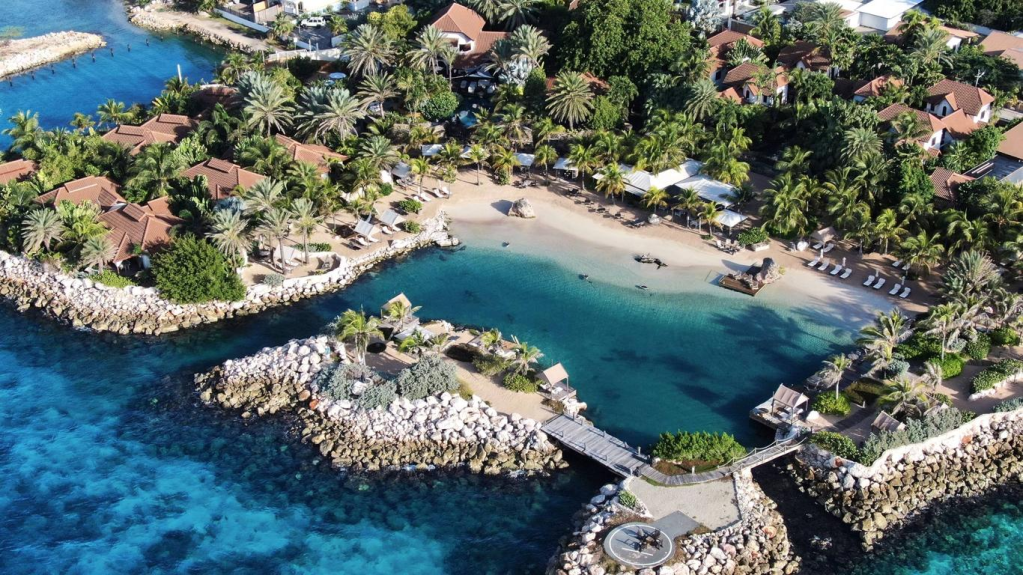
Veelgestelde Vragen :
- Zijn alle stranden op Curaçao openbaar? Ja, volgens de “Landsverordening Openbare Wateren en Stranden” (PB 1989, no. 77) zijn alle stranden officieel openbaar en moet de toegang voor iedereen vrij zijn.
- Kan ik een strand privé bezitten op Curaçao? Nee, stranden kunnen niet in privébezit zijn. Bedrijven kunnen echter concessies verkrijgen voor het beheren van faciliteiten op een strand.
- Wat zijn de regels voor het opspuiten van een strand? Voor het opspuiten van een strand is een vergunning nodig, inclusief een milieueffectrapportage. Na goedkeuring kan een concessie worden aangevraagd voor het beheer van het nieuwe strand.
- Kan ik het water voor een strand in privébezit krijgen? Nee, het water voor een strand kan niet in privébezit zijn. Activiteiten in kustwateren kunnen echter worden uitgevoerd onder concessies en vergunningen die de openbare toegang en het milieu beschermen.
- Wat zijn concessies en vergunningen voor kustwateren? Concessies en vergunningen geven het recht om specifieke activiteiten in kustwateren uit te voeren, zoals het aanleggen van steigers of het exploiteren van duikscholen. Het eigendom van het water blijft bij de overheid.
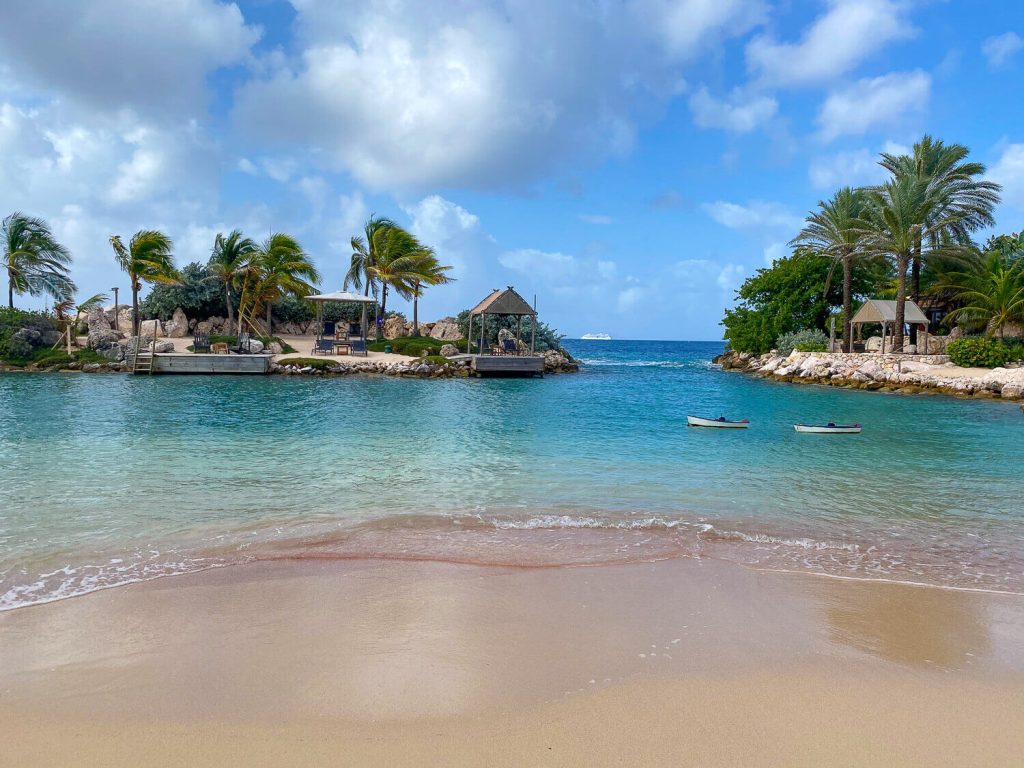
Belangrijke Punten om te Onthouden :
- Stranden op Curaçao zijn in principe openbaar en eigendom van de overheid.
- Beperkingen van de toegankelijkheid van stranden vereisen speciale toestemming via een landsverordening.
- Zonder de juiste wettelijke toestemming blijven dergelijke beperkingen ongeldig en zijn de stranden toegankelijk voor het publiek.
Indien iemand beweert eigenaar te zijn van een strand op Curaçao, is het cruciaal dat de specifieke landsverordening die dit recht verschaft wordt getoond.
Zonder deze wettelijke toestemming blijft het eigendom en de openbaarheid van stranden gegarandeerd voor het publiek. Tot heden heb ik zo’n landsverordening niet gezien.
AVR-Law / Crickey Amigu di Natura Foundation 2024.
Cristal Meth, Coke and Booze fueling Shale Industry in Texas
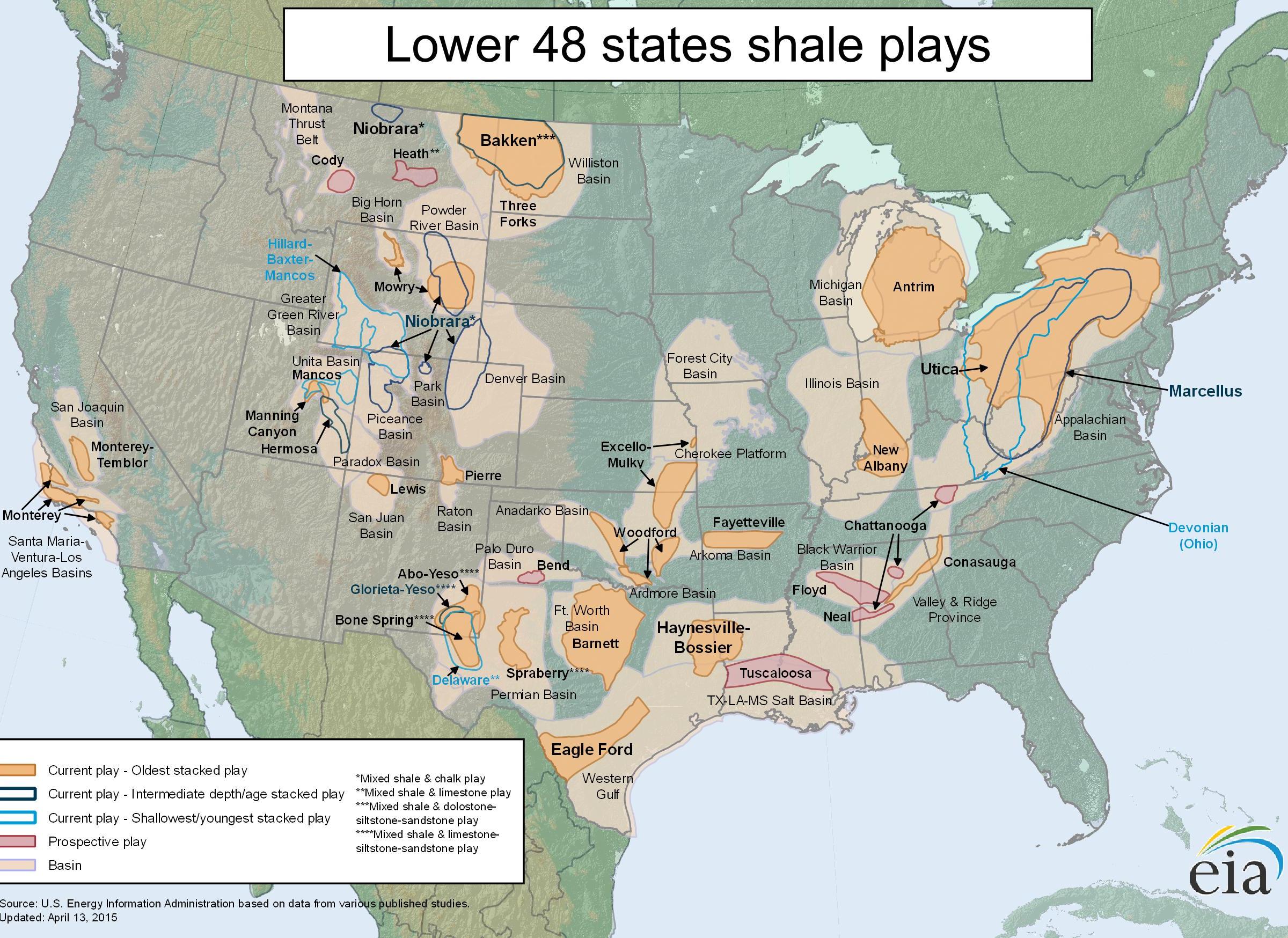
The fastest-growing oil region in the USA is fueling not only the second American shale revolution, but it is also fueling a subculture of drug and alcohol abuse among oil field workers.
The Permian shale play in West Texas is once again booming with drilling and is full of oil field workers, some of which are abusing drugs and alcohol to help them get through long shifts, harsh working conditions, and loneliness and isolation.
There is a strong correlation between the rise of drilling activity and the number of crystal meth seizures by authorities in the Permian area.

Some oil field workers and contractors use drug cocktails or various substances depending on the condition they seek to achieve during their 24-hour-plus shifts.
Drugs are easily accessible in the Permian, which is close to highways and to Mexico. For oil field workers making six-figure salaries, money is not a problem to buy all kinds of illegal substances to shoot, snort and swallow to get through 24-hour-plus shifts.
The physically exhaustive work also sometimes causes aches for workers, making them susceptible to getting hooked on prescription opium-based painkillers all together.

The drug and alcohol abuse subculture in the Permian is a known—yet rarely reported or discussed—issue in the most prolific US shale play, where oil production is booming, and relentless drilling attracts oil field workers from all over Texas and all parts of the USA.
Oil workers are not speaking up at work about their addiction for fear of getting fired, implicating they do not have anything negative to say about the oil industry, which is the backbone of the economic growth in the Permian Midland.
At the beginning of a long or overnight shift, they would use ‘uppers’ like cocaine and methamphetamines, and finish the shift with ‘downers’ such as prescription medication or alcohol.
There is a strong correlation between the rise of drilling activity and the number of crystal meth seizures by authorities in the Permian area.

Thanks to the oil boom, the unemployment rate in Midland is at a record-low 2.1%, and the unemployment rate in Odessa is also a historically low of 2.8%.
According to local statistics, Midland and Odessa are the top two Texas cities for drunken-driving fatalities.
The Permian’s drug of choice is crystal meth, a stimulant increasingly supplied by DEA controlled Mexican drug cartels, according to law enforcement officials who spoke to the Houston Chronicle in May.
RT.com / ABC Flash Point Shale Oil News 2018.
Playa Jeremi Restaurant, Beach Front Entree Gebouw & Loop Pier

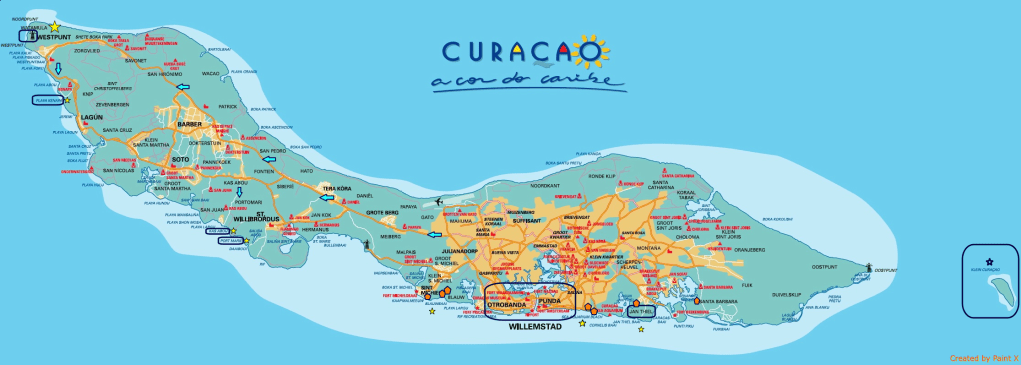
De plannen om drie authentieke stranden op Curaçao – Playa Jeremi, Playa Lagun en Caracasbaai – te moderniseren, leiden tot een golf van protesten.
Lokale bewoners en natuurbeschermers vrezen dat de bouwprojecten de natuur en cultuur van de eilanden onherstelbaar zullen schaden.
Hoewel de overheid stelt dat de aanpassingen nodig zijn om de stranden aantrekkelijker te maken voor toeristen, zijn veel Curaçaoënaars het hier niet mee eens.
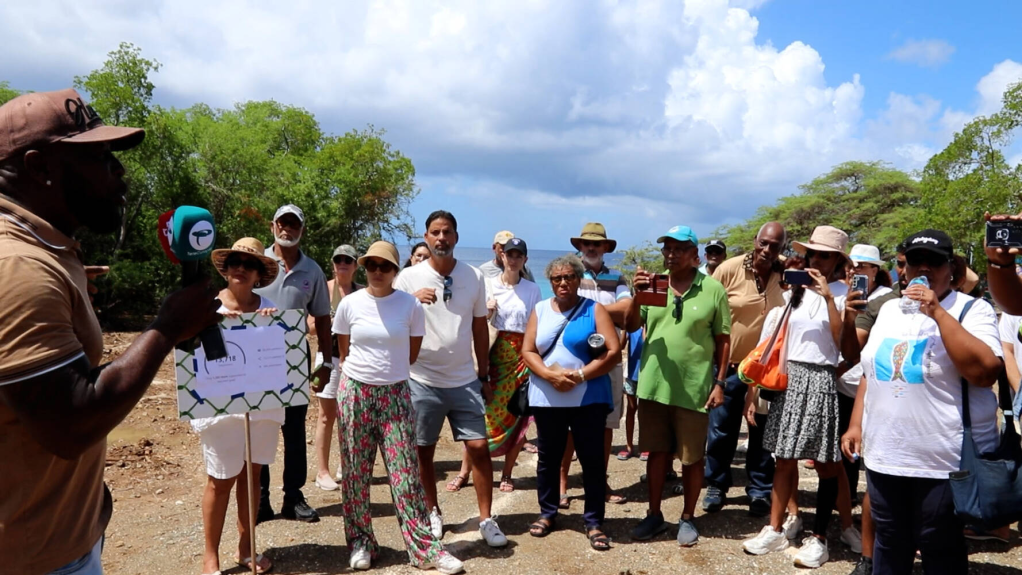
Daniella de Windt, een bezorgde bewoner en fervent voorstander van behoud van de natuurlijke stranden, benadrukt dat de protesten geen politieke insteek hebben. We willen duidelijk maken dat we onafhankelijk zijn van enige politieke agenda. We zijn hier voor de authentieke stranden van Curaçao.
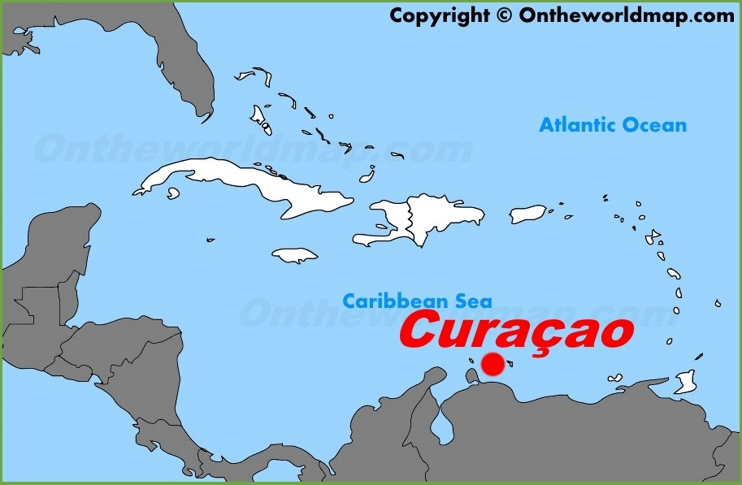
Ana-Maria Pauletta, parlementslid van de PAR, benadrukt dat er bezorgdheid is aan beide kanten. Veel mensen in de gemeenschap willen welvaart en economische vooruitgang, maar er zijn ook veel zorgen over de impact op het milieu.
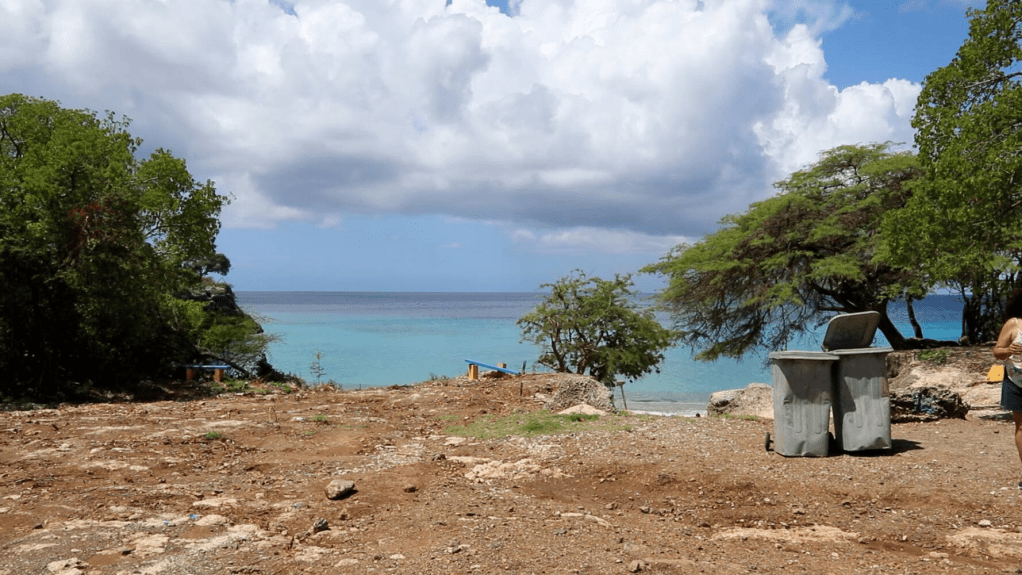
Ze benadrukt dat een petitie tegen de plannen inmiddels al door 15.000 mensen is ondertekend. Als 10% van de bevolking aangeeft dat er iets niet klopt, moet de overheid luisteren.


Caribisch Netwerk heeft premier Gilmar Pisas, die verantwoordelijk is voor de stranden, om een reactie gevraagd hierover. Maar tot op heden hebben nog geen antwoord ontvangen.
Wel heeft hij afgelopen week in het parlement gezegd dat hij niet begrijpt dat momenteel de indruk wordt gewekt dat de regering iets verkeerds doet? Bouwen zonder bijbehorende vergunningen moet kunnen. Vergunningen kunnen altijd later afgegeven worden zoals het geval bij Boase, van v/d Valk.

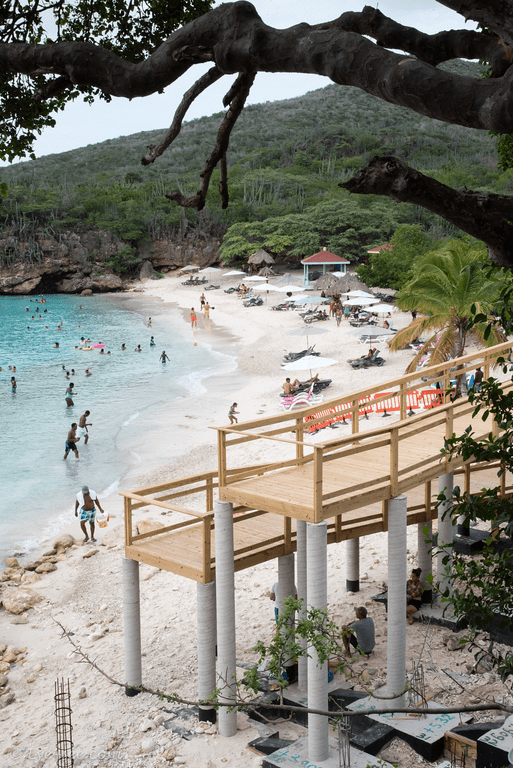
In de afgelopen jaren is er door vorige regeringen niets aan de stranden gedaan. Behave op Grote Knip, maar daar werd de rolstoelbrug voor toeristen alsnog verwijderd !
Nu vallen de stranden onder de verantwoordelijkheid van het ministerie van Gezondheid, Natuur en Milieu. We knappen de stranden op (?) en daarmee maken we ons eiland mooier en aantrekkelijker voor toeristen en bewoners.
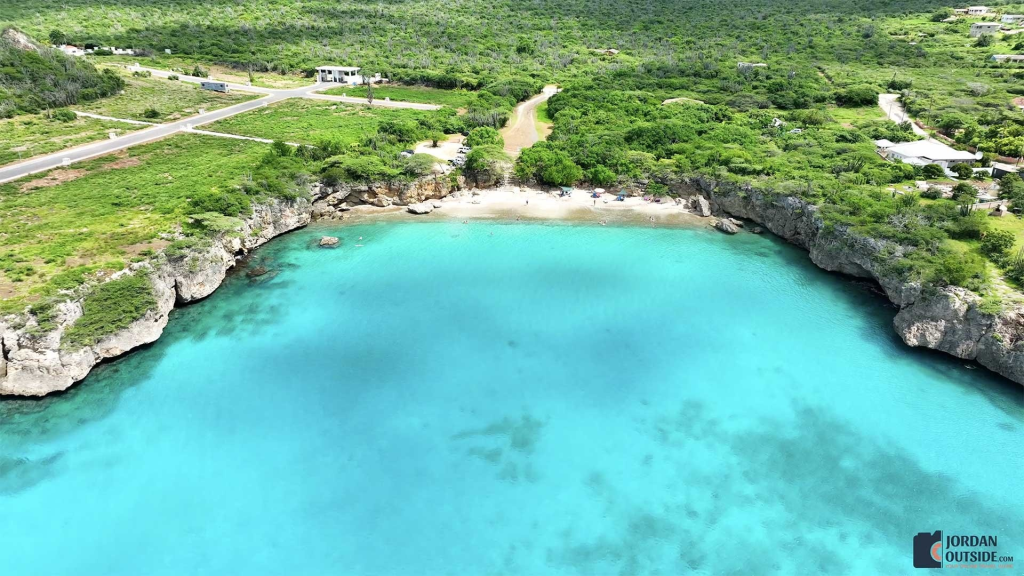
Pisas wil iedereen vragen: laat de regering gewoon haar werk doen, alsof het volk als belastingbetaler en uitkeerder van de ambtenaren salarissen, hierom had gevraagd?
Maar ook van de extreem hoge voorzieningen die statenleden en ministers krijgen (inclusief levenslang pensioen uitkering na 4 jaar werken om vergunningen en subsidies (fl.150 miljoen aan Zakito mangrove vernietigers) aan bedrijven te gunnen.
Na het uitvoeren van hun taken aan (belastingvrije) bedrijven, krijgen zij werk bij deze uitvoerders aangeboden. En nu de verkiezingen er weer aankomen, raggelen de ministers nog even alles rond om de bedrijven een laatste gunst te bewijzen.
Crickey Amigu di Natura Foundation Curacao.
California brings back Mask Mandates in several Counties

Mask mandates are back yet again in some parts of California. Yes the same mask mandates that have already failed repeatedly since 2020 are being reinstated in the Bay Area ahead of winter.
Outkick reports: Local news in San Francisco reported on Thursday that a number of counties in the Bay Area are reinstating mask mandates in several settings through *at least* March 2025.


That’s at least five months of masking in Alameda, Contra Costa, Santa Clara, San Mateo and Napa counties, starting November 1, 2024.
Those counties cover a population of over 5.5 million people; roughly the same population as Minnesota and just a few hundred thousand behind Colorado.
Those people who go to hospitals, skilled nursing facilities and any other healthcare-related facility will be forced to mask through the start of spring 2025.
News Punch / ABC Flash Point News 2024.
Curacao Public Beach invasion by Tourism Industry @ Lagun Village
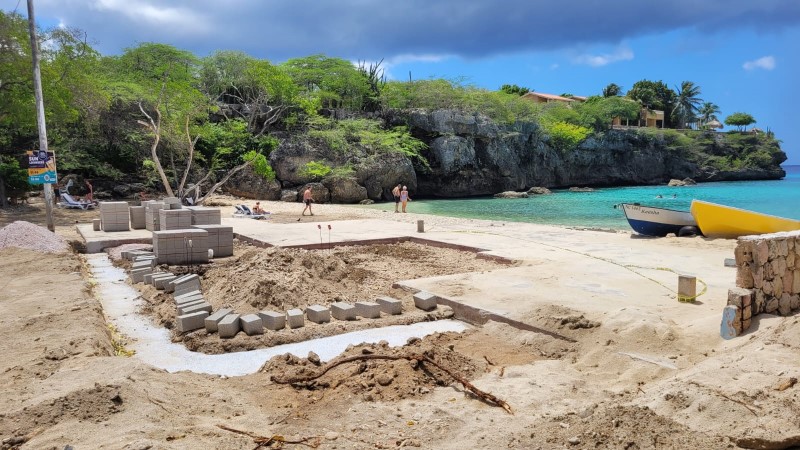
The government seated in Fort Amsterdam in Curacao is waving public properties away by developing structures in the middle of the Lagun Beach without a valid building permit?
For this reason Stichting Amigu di Natura (KvK # 115369) in Curacao has filed a LOB verzoek complaint with the Pisas government in order to receive more information about the destiny of the public beach.
At first it is understood that the CTB was to be the entity to regulate the construction of an cemented building, in order to be used as another tourism hot spot, without consent of people living in Lagun village and/or the rest of the local community?
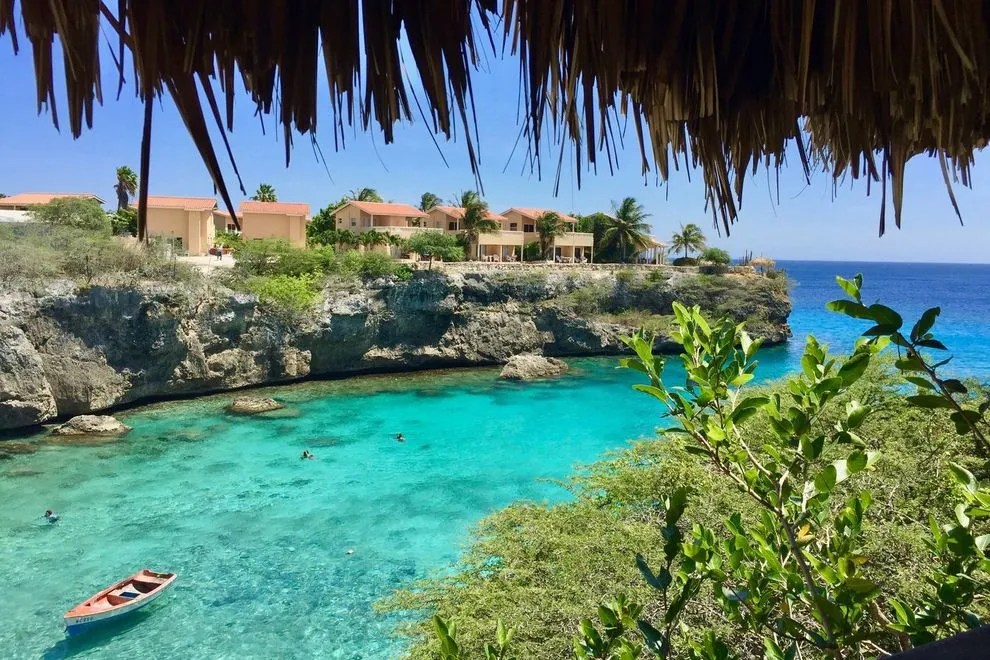




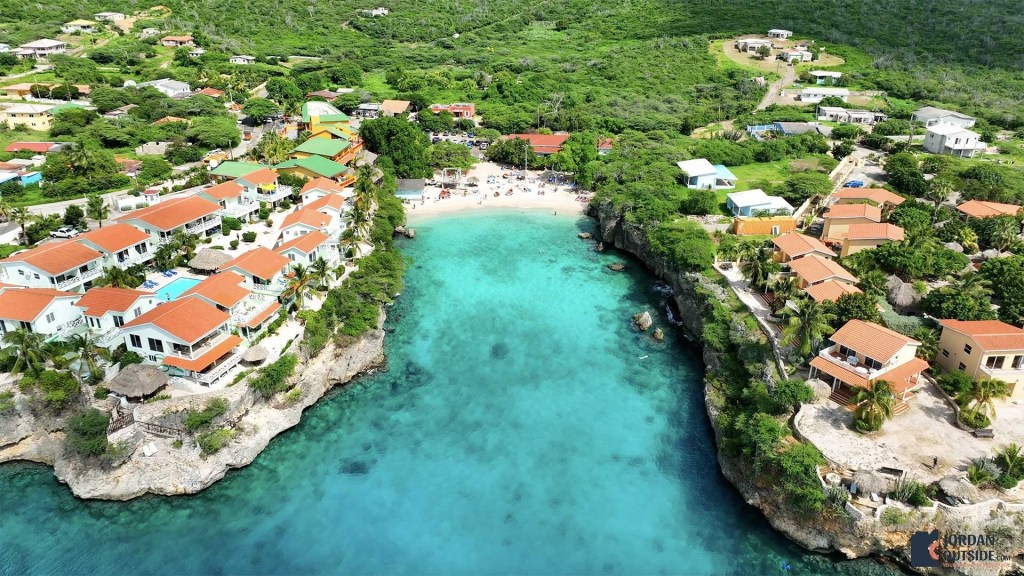
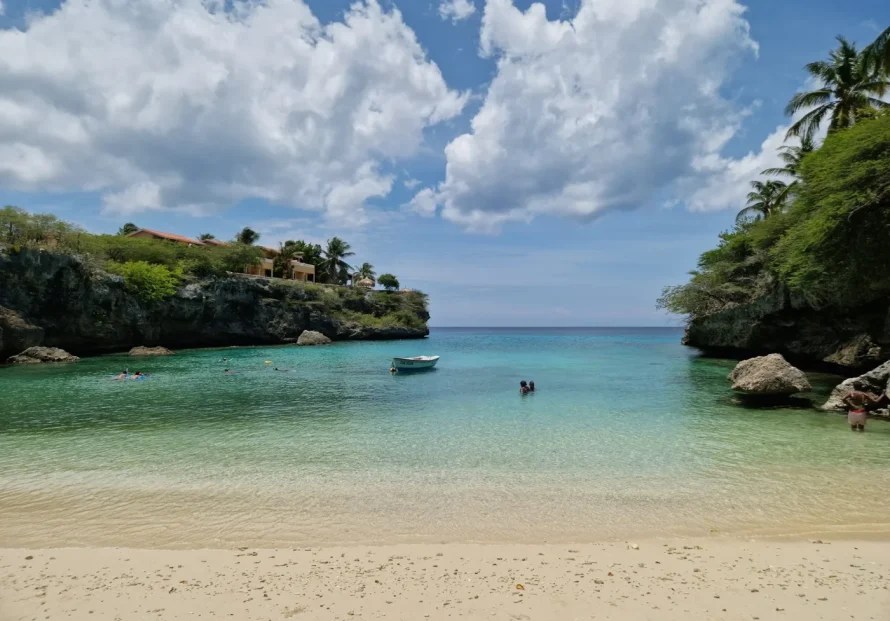
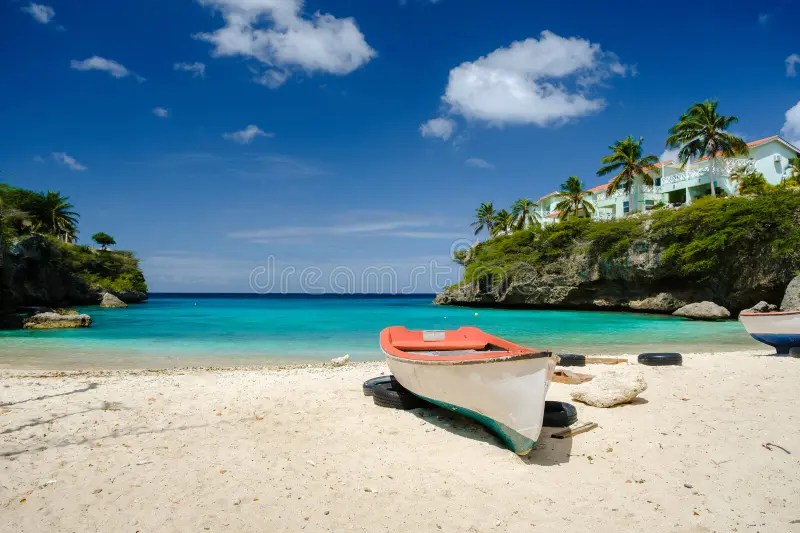
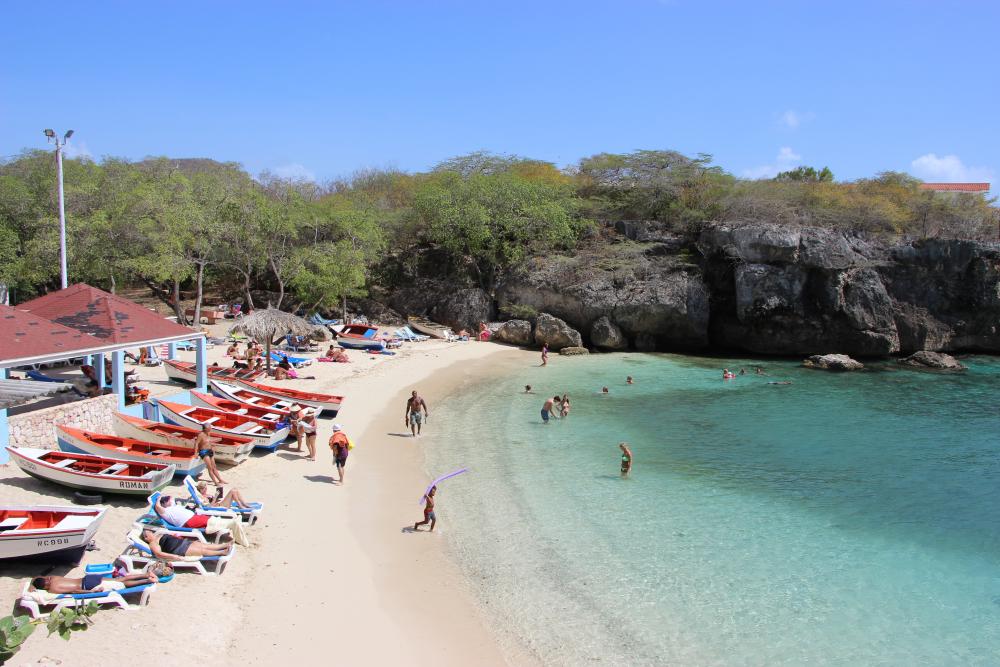
The pictures above show how the Lagun beach has been heisted and confiscated piece by piece to promote the tourism business, instead of protecting the native rights of local fisherman living in the surrounding village at Curacao.
Mass tourism is having a devastating effect on the local community leading to poverty en deportation of the locals to go live as migrant refugees in the Netherlands, in order to facilitate foreign hotels and other entities at the cost of wildlife (turtle nesting spots and canister fishing).
Most and half of the tourists in Curacao consist of Dutch invaders, while the other 50% of the customers of the human trafficking rings come from Canada, Brazil en the ever invading society of the USA.
Crickey Amigu di Natura Wildlife Foundation Curacao 2024.
Dopamine keeps Humans on track for Life

Dopamine is known as the feel-good neurotransmitter—a chemical that ferries information between neurons. The brain releases it when we eat food that we crave or while we have sex, contributing to feelings of pleasure and satisfaction as part of the reward system.
This important neurochemical boosts mood, motivation, and attention, and helps regulate movement, learning, and emotional responses.

In lab experiments, dopamine prompts a rat to press a lever for food again and again. This is no different in humans; it’s the reason why we partake in more than one helping of cake.
This press-the-lever action applies to addiction as well. People with low levels of dopamine may be more prone to addiction; a person seeking pleasure via drugs or alcohol or food needs higher and higher levels of dopamine.
Swedish pharmacologist and neuroscientist Arvid Carlsson won the Nobel prize in 2000 for his research on dopamine, showing its importance in brain function.


He helped show that the neurotransmitter is heavily involved in the motor system. When the brain fails to produce enough dopamine, it can result in Parkinson’s disease.
The primary treatment for Parkinson’s disease is a drug called L-dopa, which spurs the production of dopamine.
Dopamine has also been implicated in schizophrenia and ADHD; the brain systems underlying these conditions (as well as substance abuse disorder) are complex.


The activity of the dopamine system depends on the state of one’s dopamine receptors, and in people with these conditions, the chemical interacts with other factors in ways that have yet to be explained,
Scientists who study neurological and psychiatric disorders have long been interested in how dopamine works and how relatively high or low levels of dopamine in the brain relate to behavioral challenges and disability.
There are ways to up one’s dopamine levels naturally, and basic self-care is the place to start. A night of fitful sleep, for one, can reduce dopamine drastically.

. Here are some tips to boost levels:
- Eat foods rich in tyrosine including cheese, meats, fish, dairy, soy, seeds, nuts, beans, lentils, among others. While tyrosine supplements are available, consuming foods is preferred.
- Up magnesium intake with foods such as seeds, nuts, soy, beans, whole grains, among others.

- Avoid processed foods, high-fats, sugar, caffeine.
- Proper sleep hygiene is mandatory, as it fuels dopamine production.
- Exercise daily.
- Avoid stress, apply techniques such as meditation, visualization, breathing exercises.
- Consider the use of natural nootropics including L-Tyrosine and L-theanine.
Psychology Today / ABC Flash Point Health News 2023.
Dutch Family Hiding in Basement for 9 Years found by Police

A Dutch family of six who spent nine years living in a basement have been discovered by police in the Netherlands after one of them suddenly turned up at a local pub.
Five siblings aged between 18 and 25 along with their sick father have been rescued from a hidden basement in a Dutch farmhouse after the eldest son wandered into a local pub to seek help.

According to the local news station RTV Drenthe, the family have been living in a basement for years, waiting for the end of time.
The children and a bedridden man, initially believed to be their father, had lived concealed in the basement of the farmhouse for nine years, waiting for the “end of time,” according to Dutch media.
One Josef B., 58, a handyman who was previously the only known tenant of the house, was arrested at the scene for refusing to cooperate with the investigation.

The siblings lived in the basement of the house, which was only accessible through a hidden staircase behind a cupboard in the living room, and were reportedly unaware there were other people in the world.
The house itself was isolated by a canal, accessible by a single bridge, and secured by a locked gate. Neighbors who tried to investigate found that the property was dotted with surveillance cameras.
According to the eldest sibling, the children had never been to school, and they were not registered by any local authorities. The family was believed to be self-sufficient, with a vegetable plot and livestock to sustain them.
:quality(50)/cdn-kiosk-api.telegraaf.nl/ff3369c4-f8e7-11e9-868f-0217670beecd.jpg?w=696&ssl=1)
Their mother is thought to have died before the family moved to the farmhouse – “a long time ago,” according to the mayor – though some reports suggest she is buried on the property.
The only one seen off the property was Josef B., whom neighbors witnessed driving in and out of the farm daily. He would also watch with binoculars to ward off intruders, neighbors reported.
Police are still investigating how the family lived for so long in isolation and the exact nature of the relationship between Josef B. and the family. The siblings have been removed from the home.
News Punch / ABC Flash Point News 2019.
Benefits of Jewish Exile under Babylonian and Persian Rule
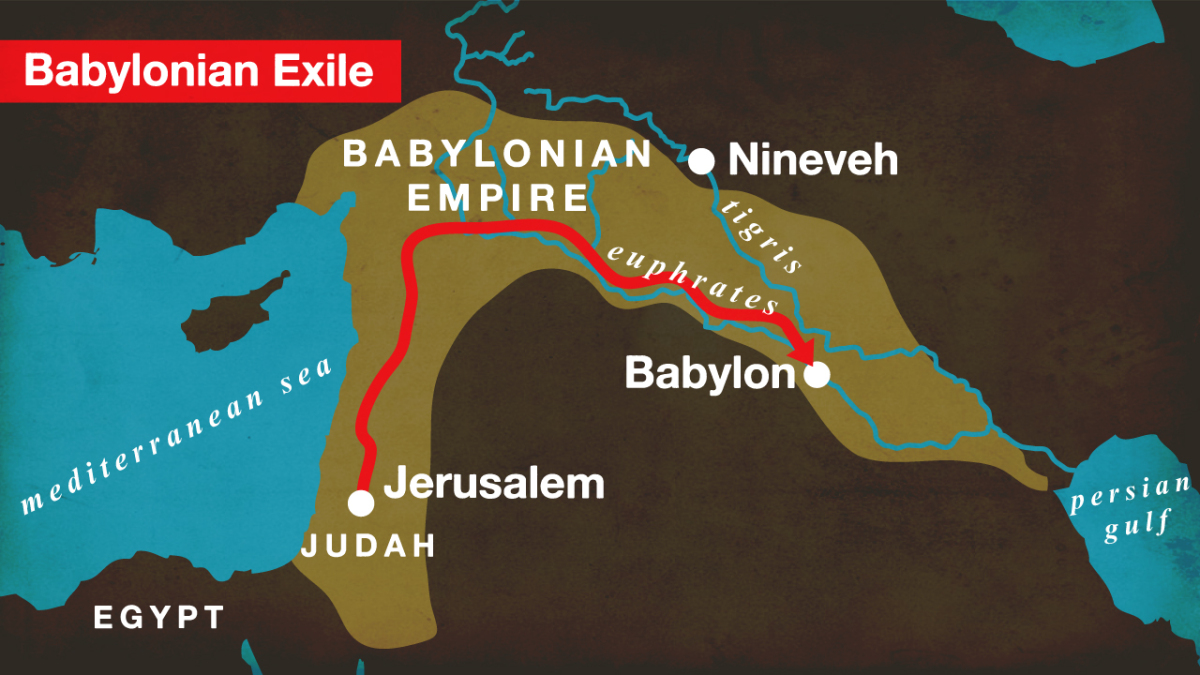
The Babylonian exile, although very traumatic, nevertheless had a great benefit to the Jewish people. There were no more corrupt kings or nobility – in Babylon the Torah scholars had complete authority.
Moreover, the Babylonians were not anti-Semites per se; while they only wanted to destroy Judah as an independent political power, they harbored no ill feelings toward the Jewish religion.

As such, Jews were given their own cities, where earlier exiled Jews welcomed them warmly. The Talmud tells us that God chose Babylon as the place of exile for several reasons: Aramaic, the language of Babylon, was very similar to Hebrew.
Abraham was born in Babylon, so the Jews were not regarded as foreigners. And it was easy to make a living from the abundant date trees. All told, then, life was pleasant for the Jews once they reached Babylon.
Despite the relative ease of their exile, the Jews reacted in vastly different ways. Some of them, traumatized by the shock of heathens conquering Jerusalem, an occurrence they had previously deemed impossible, despaired of a future redemption, saying that God had severed His relationship with the Jewish people.

Others settled down comfortably and planned to assimilate. Accordingly, the prophet Ezekiel addressed both of these concerns.
To the first group, he shared his prophetic visions of the Heavenly Chariot and the Third Eternal Temple, telling them that God did not forsake them.
He also revived the dry bones in the Valley of Dura, symbolizing the rejuvenation of the Jewish people. To the second group, he burst out with fiery denunciations, saying that God will never allow the Jewish people to assimilate. Nevertheless, many Jews did assimilate.


Some Jews even rose to prominence at Nebuchadnezzar’s court. Daniel was appointed governor over the realm, while Hananiah, Mishael, and Azariah also attained high positions in the government.
After a reign of 45 years, Nebuchadnezzar died and was succeeded by his son Evil Merodach. This king treated the Jews favorably and released the former Judaic king Jehoiachin from prison.
Subsequently, Jeconiah bore children in Babylon, thereby preserving the Davidic line and uplifting the spirits of the exiled Jewish people, who realized that this venerable house had not been destroyed by the exile.

Hundreds of years later, there were still individuals who could trace their ancestry to this royal family.
At the time, there were three possibilities as to when the 70 years began, but only one interpretation was correct. Two monarchs calculated the starting point erroneously and brought disaster upon themselves.
Evil Merodach ruled 23 years, then his son Belshazzar assumed the throne in the year 3386. In 3389, the third year of his reign, he realized that 70 years had elapsed since Nebuchadnezzar’s domination of the Jewish people in 3319.

In 3389, Darius the Mede became monarch of the Persian-Median Empire, the new world power. He was very favorably inclined toward the Jewish people and appointed Daniel chief minister of the realm.
Jealous of Daniel’s high position, Darius’ other officials plotted to rid themselves of the king’s favorite minister.
As such, they convinced Darius to enact a law saying that any person who prays to anyone other than the king will be thrown into a den of lions.


When Daniel emerged unscathed from the den, a greatly relieved Darius threw the plotting ministers and their families into the den instead, such being the system of justice in those times.
Even before the ministers and their families hit the ground, the lions tore them to pieces. After ruling but one year, Darius died in 3390.
Darius’ successor is known in world history as Cyrus the Great, and Jewish history likewise considers him to be an extraordinary person, albeit for different reasons.

Cyrus permitted the Jews to go to Jerusalem and rebuild the Bais Hamikdash; indeed, his famous proclamation to that effect is the very last verse of the Bible.
Thus said Cyrus, king of Persia: ‘Hashem, G‑d of Heaven, has given to me all the kingdoms of the earth, and he has commanded me to build Him a Temple in Jerusalem, which is in Judah.


This remarkable personality missed an opportunity to play a unique role in Jewish and world history. Had Cyrus personally involved himself in bringing the Jews back to Eretz Israeland building the Bais Hamikdash, he would have ushered in the Messianic Era.
Bible critics, uncomfortable with such an accurate prophecy, try to say that there were three prophets named Isaiah, and that the third one lived during the time of Cyrus.
However, the language and style of the book of Isaiah strongly indicate that there was only one author. Cyrus ruled for three years, 3390-3393.

The king of the Purim story was a rabid anti-Semite. Upon the instigation of the Samaritans, bitter enemies of the Jews residing in the land of Israel, he halted the construction of the Temple.
Ahasuerus, too, miscalculated the end of the 70 years, figuring them from 3327, the date that Nebuchadnezzar exiled the 1,000 Jewish sages.
In the year 3395, the third year of his reign, believing that the 70 years had passed without Jewish redemption, Ahasuerus made his famous feast. (Although only 68 years elapsed from 3327, Ahasuerus reckoned partial years of previous kings as full years.


That was not an error, as the Talmud reckons the reign of monarchs in a similar way. His mistake was the starting point for the 70 years.
Disaster then struck when, drinking from the holy vessels of the Bais Hamikdash, he ordered the execution of his queen Vashti.
The ensuing story of Purim is well known, and the following chart gives the dates for the major events of the book of Esther. Note that the Purim story unfolds over a 14-year span, from 3393-3406.
Chabad Organization / ABC Flash Point News 2021.
Vikings reached New World long before Columbus
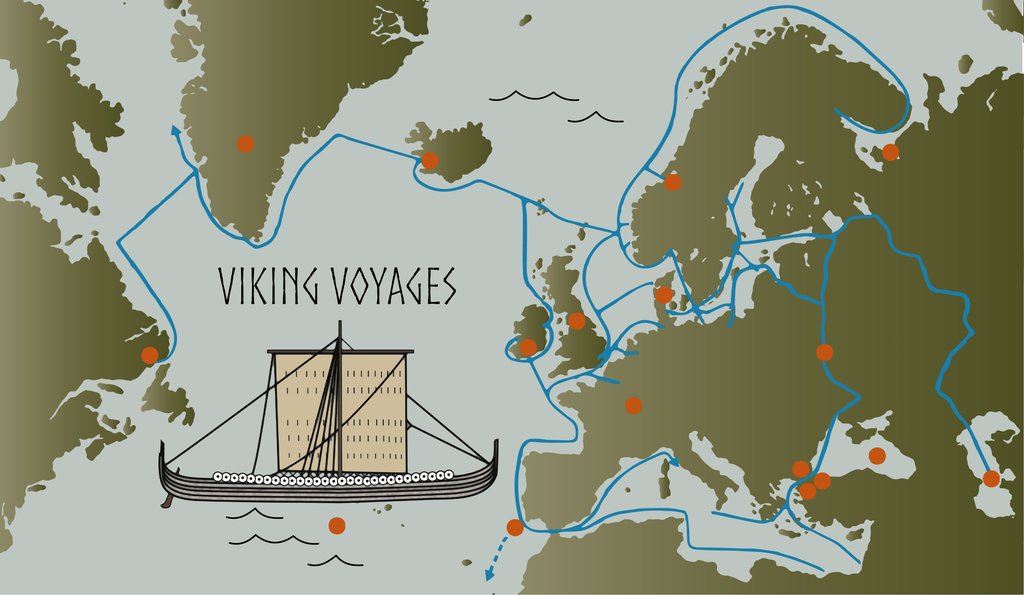
The Italian explorer has been dubbed the discoverer of the New World. His transatlantic voyages carried out at the end of the 15th and the beginning of the 16th centuries opened the way for European exploration and colonization of the Americas.
Vikings reached the New World long before Christopher Columbus, claims an international group of scientists from Canada, Germany, and the Netherlands.


According to the findings of their study, published in the journal Nature, they reached North America around 1021, 471 years ago before Christopher Columbus embarked on his first journey.
Researchers examined a Norse settlement site discovered in the Canadian province of Newfoundland in the second half of the 20th century, in particular various wooden artifacts.
Using a new type of dating technique, they were able to find out when the Vikings built their settlement. The dating method takes into account solar storms, which produce a distinctive radiocarbon signal in a tree’s annual growth rings.
Researchers used a solar storm that occurred in 992 as a reference point. All pieces of wood from three different trees showed the same number of rings, that formed after the one impacted by the 992 solar storm.
Scientists say their discovery corroborates events described in the Icelandic Sagas. They tell of a Viking presence in the Americas at the end of 10th and the beginning of 11th centuries.
A leader named Leif Erikson encountered the indigenous people of North America, the Sagas say, adding that the interactions were sometimes peaceful, and sometimes violent.

It is not known how long the Vikings stayed in North America, with the researchers suggesting it may have been a decade or less. It is generally believed they left from Greenland, where wood suitable for construction is extremely rare.
Why did the Vikings embark on a voyage to the New World in the first place? Scientists assume that having impeccable boat-building skills, the Vikings sought to discover resources.
It is fair to describe the trip as both a voyage of discovery and a search for new sources of raw materials. Many archaeologists believe the principal motivation for them seeking out these new territories was to uncover new sources of timber, in particular.

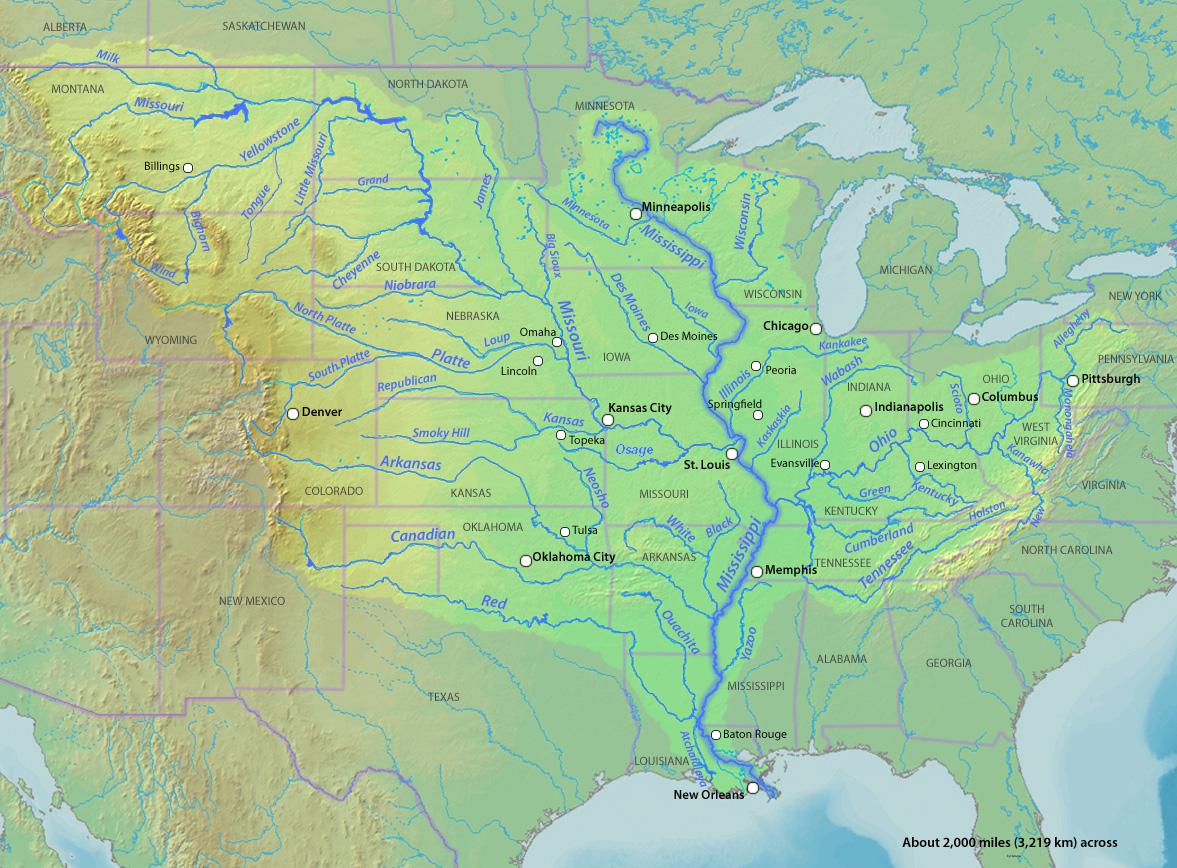
The heavily damaged ship was found near the confluence of the Wolf and Mississippi rivers, and lies on a private property.
Also a group of volunteers cleaning up the shores of the Mississippi river near the biggest city in Tennessee, have stumbled upon the remains of an ancient boat encrusted in mud.
A team of archeologists from the University of Memphis that was rapidly called to the site, confirmed that the ship is most certainly a Viking knarr, suggesting the Norse would have pushed their exploration of America a lot further than historians previously thought.

It has a length of about 16 meters, a beam of 4.5 meters, and a hull that is estimated capable of carrying up to 24 to 28 tons, a typical size for this type of ship.
Knarrs were naval vessels that were built by the Norsemen from Scandinavia and Iceland for Atlantic voyages, but also used for trade, commerce, exploration, and warfare during an era known as the Viking Age, that goes approximately from 793 to 1066 AD.
They were clinker built, which means the overlapping of planks riveted together. It was capable of sailing 75 miles (121 km) in one day and held a crew of about 20 to 30 men.
Sputnik / ABC Flash Point News 2021.
 Crickey Amigu di Natura