Morena Resort Bouwt in Stedelijk Woongebied of Conserveringsgebied?
De Clowns en Schapen dwalend in het politieke moeras op Curacao weten heel goed hoe ongewenste mede-acteurs van het toneel moeten worden verwijderd om de omkoperij en corruptie vrij baan te blijven geven.
Het belangerijkste gereedschap om dit gedaan te krijgen is om oneindig verwarring te zaaien in de lopende zaken, om de geldwasmachines op volle toeren te laten door draaien.

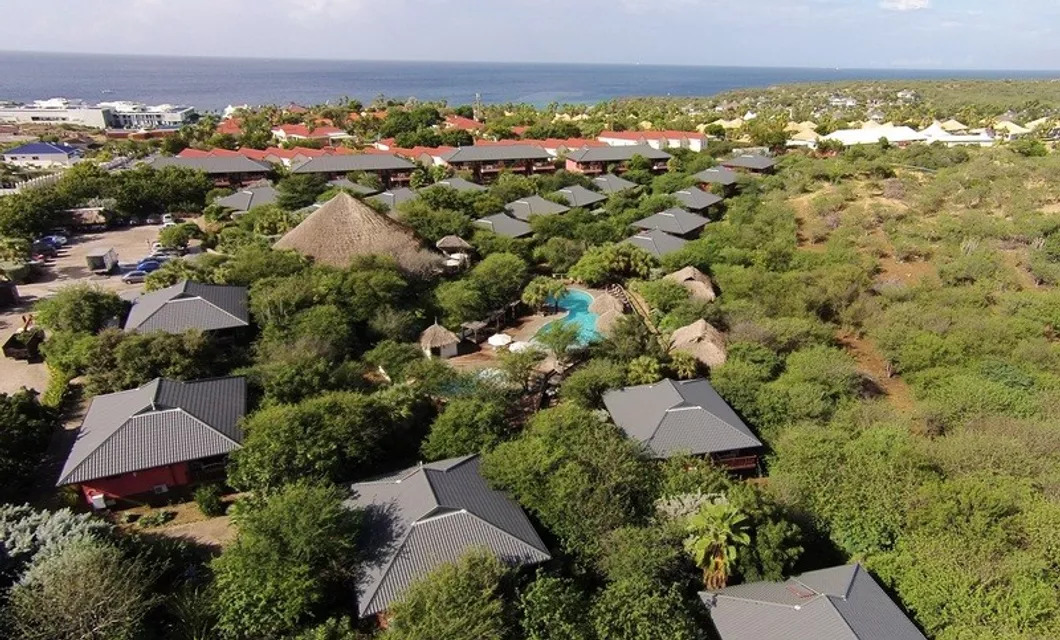
Morena resort heeft de tijdelijke zandweg voor het bouwen van Morena fase II (2015) met toestemming van APC (voorheen APNA) aangelegd, doch zonder aanleg vergunning van ROP (voorheen DROV).
De tijdelijke zandweg werd als bewijs van ‘powerplay’ dwars door het conserveringgebied, pal voor de woning van de natuurstichting Crickey Amigu di Natura aangelegd.
De bouw van Morena resort Fase 2 werd in de December 2016 door uitvoerder Frits van Zwienen opgeleverd. Op deze wijze probeert Kruithof de publieke pensioenen van de harde werkers te waarborgen?
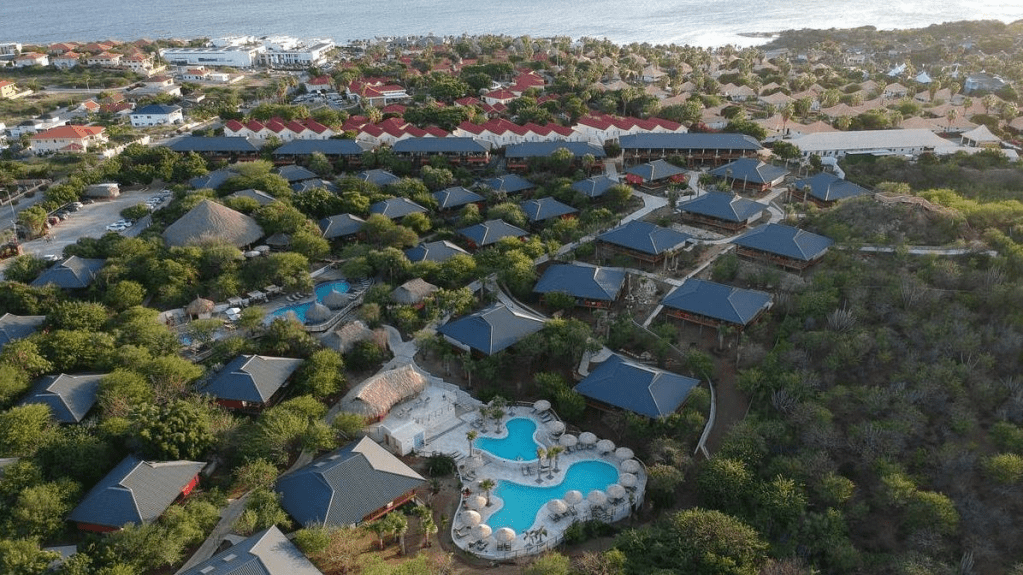
Uit informatie van APC blijkt dat Morena weer onrechtmatig een stuk grond in het conserverings gebied van het pensioenfonds heeft aangekocht om het resort (fase 3) weer verder uit te gaan breiden?
Hoogstwaarshijnlijk zal Morena resort deze zandweg op Jan Thiel weer gebruiken voor de uitbreiding van het resort van de Brummelhuisjes.
Om verder nog meer druk uit te oefenen op de bewoners van Vista Royal wordt deze gelegenheid wederom aangepakt om deze van nog meer 7-daagse geluidshinder te voorzien in de komende jaren.
De politici en bijbehorende ambtelijke stromannen kijken als toezicht houders erop toe dat dit plan wederom feiloos zal kunnen gaan verlopen.
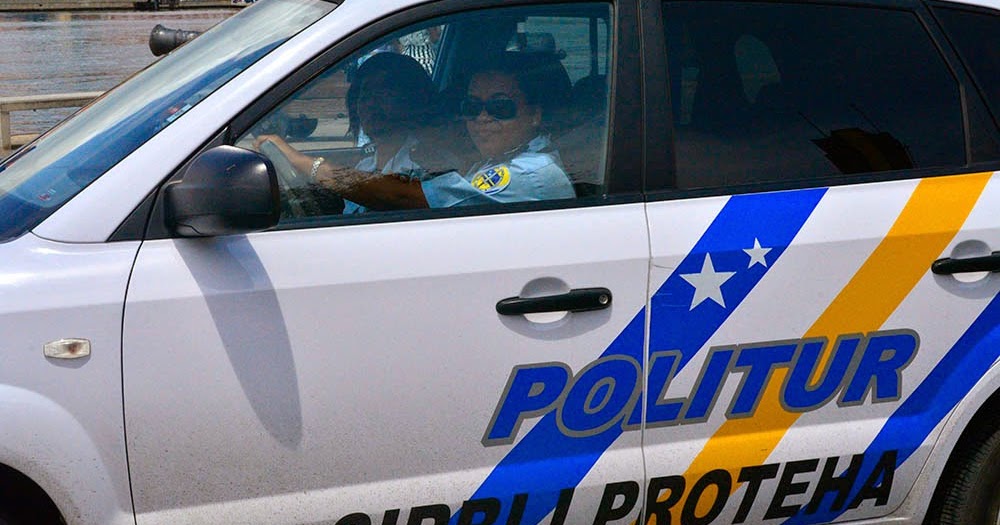
Dwz, de KPC (politie) treedt niet op, OW (voorheen DROV), Officieren van Justitie en ROP kijken gewoon toe, zodat hun bijbehorende netwerken belastingvrij miljoenen mogen gaan binnenscheppen.
De Toeristen fabrieken op Jan Thiel behoren tot een van de meest vervuilende setoren in de maatschappij. Vliegtuigen vervuilen per km per persoon 10x zoveel als het rondrijden in een V8 auto.

De carbon footprint wordt verder opgevoerd doordat onafbreekbare chemische afvalstoffen niet worden verwerkt en dus de natuur verder ter kwader trouw aantasten.
De mensenhandel zorgt verder voor goedkopere arbeidskrachten die ingezet worden om de winsten van de kapitalisten te vergroten en de werkeloosheid en armoede op Curacao verder te stimuleren.

In 2019 werd een LOB verzoek ingediend om de status van de onrechtmatig aangelegde zandweg te laten bevestigen. Met deze bevestiging werd in Januari 2020 het Kabinet verzocht om de zandweg die dwars door Conserveringsgebied loopt via handhaving te laten verwijderen.
Daar werd na doorverwijzing naar het Ministerie van Verkeer, Vervoer & Ruimtelijke Planning tot op heden (Oktober 2020) nog geen reactie op ontvangen?
Om de kwestie wat kracht bij te zetten, zal de Ombudsman van Curacao ingeschakeld worden, in een poging om verdere onrechtmatige praktijken een halt toe te roepen. Maar ook dat zal op een illusie aflopen, omdat zij allen worden bestuurd door dezelfde onzichtbare krachten.
ABC Flashpoint News 2019.
Download Link to PDF:
Animals held in Captivity for Human Entertainment is Animal Abuse

It doesn’t take an animal activist to realize that animal theme parks are an unsophisticated display of mankind’s imposed dominance over caged animals.
We have reached a juncture in anti-captivity efforts that will lead us toward the possibility of a post-captivity society and align us with other anti-captivity countries, like Costa Rica.

Thanks to social media and a little documentary that you might have heard of called “Blackfish,” the American public (not just activists) are demanding change and freedom for animals in captivity.
The film has captivated the interest of people from all walks of life and has called into question the purpose of captive animals in today’s society.
Finally, the ramifications of holding animals captive have breached the headlines of mainstream media and they are here to stay.

When it comes to captivity, animals pay the ultimate price. Like the Taiji dolphin hunt(happening in Japan) is driven by the demand for marine mammal entertainment.
Animals die prematurely in captivity because their social, physical, and mental needs are not adequately met, and cannot be met because animals do not belong in captivity.
Death in captivity isn’t limited to animals, it also happens to their caretakers. Keeping wild animals in captivity is a dangerous business that has no place in our society. Both the animals and humans involved must be protected from the greed of the business.

Captive flamingos and elephants, alike, suffer from foot problems due to being heldin unnatural habitats, captive chimpanzees suffer from heart disease, and now, captive elephants are suffering from weight problems.
The National Institute for Health (NIH) retired nine baboons to Born Free USA Primate Sanctuary and is poised to retire 310 chimpanzees to sanctuaries around the USA.
In 2011, PETA filed suit against SeaWorld for violating the rights of five captiveOrca’s (Tilikum, Katina, Kasatka, Corky, and Ulises) citing that they are forced to perform and are being held as slaves, which is a violation of the 13th Amendment.

Flamingos do not belong in Denmark, or polar bears do not belong in the hot European sun, and whales certainly do not belong in bathtubs.
The big business of animal theme parks is a lackluster endeavor that, despite its prominence, is largely unpopular with the American public.
Animal abuse for human entertainment has been blacklisted for some time now. Worldwide circuses are being closed together with most of the sea aquariums in the USA.

Some Caribbean aquariums remain open, like in Curacao were dolphins are being tortured 7 days per week to rake in profits disguised as swimming with dolphins. One person must pay hundreds of dollars to experience a caged dolphin encounter.
This doesn’t mean that you shouldn’t experience wild animals. Hop on a boat and take a whale tour, grab a pair of binoculars and go birding, visit a sanctuary, volunteer at a wildlife refuge, or simply take a hike!
There are so many ways to experience wildlife, in the wild! Sometimes, all you need to do is look around you.
One Green Planet.org / Crickey Conservation Society 2018.
Climate Change is Turning Antarctica Green
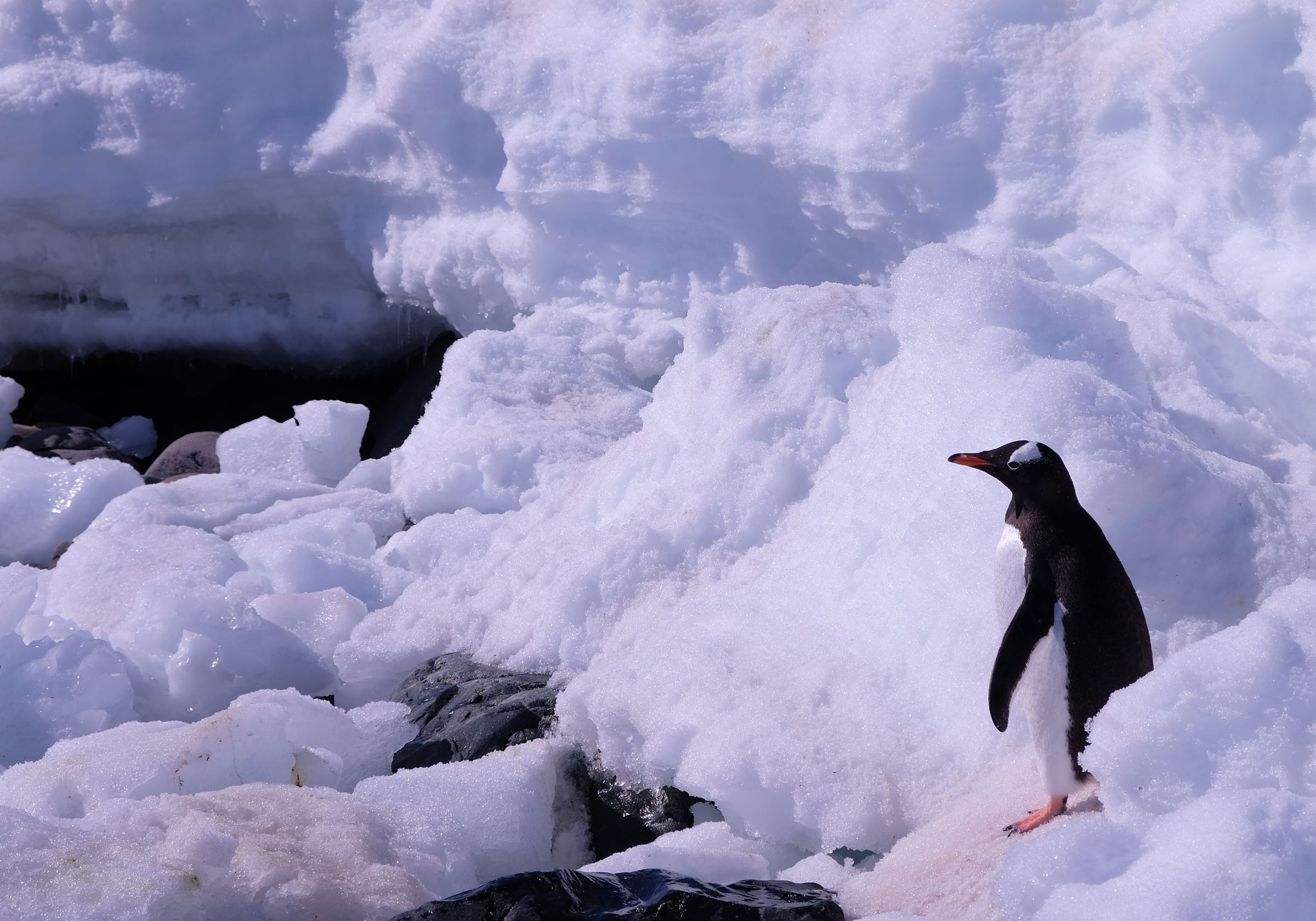
Scientists say climate change is prompting “unprecedented” ecological change across the Antarctic Peninsula, which is home to the Gentoo and chinstrap penguins.
Antarctica, the desolate southernmost continent boasting the coldest climate on Earth, usually brings to mind visions of ice, snow and penguins.
But global warming is transforming Antarctica’s icy expanses, new research from the University of Exeter in the UK shows. Parts of the continent are “greening,” researchers say — and exponentially fast.

Moss has been growing on the Antarctic Peninsula at a dramatically faster rate in the past 50 years, and warming temperatures are the culprit. If you’d taken a photograph of these parts of the peninsula 50 years ago it would have been a monochrome shot of ice. Nothing but glaciers.
The Antarctic Peninsula, the northernmost part of the continent, is known to be one of most rapidly warming region on Earth. Average temperatures there have jumped about 1 degree Fahrenheit each decade since the 1950s.
Previously, scientists only identified such a response in a single location at the far south of the Antarctic Peninsula, but now we know that moss banks are responding to recent climate change across the whole of the peninsula.”
Antarctica is following in the footsteps of the planet’s other polar region, the Arctic, which has been experiencing a similar greening because of climate change.
The changes aren’t just ecological; melting Arctic and Antarctic ice has the potential to significantly contribute to sea level rise in the coming decades, which poses a threatto millions of coastal dwellers around the globe.
Huffington Post / Crickey Conservation Society 2018.
Earth’s Magnetic Field is pushing North Pole from Canada towards Siberia
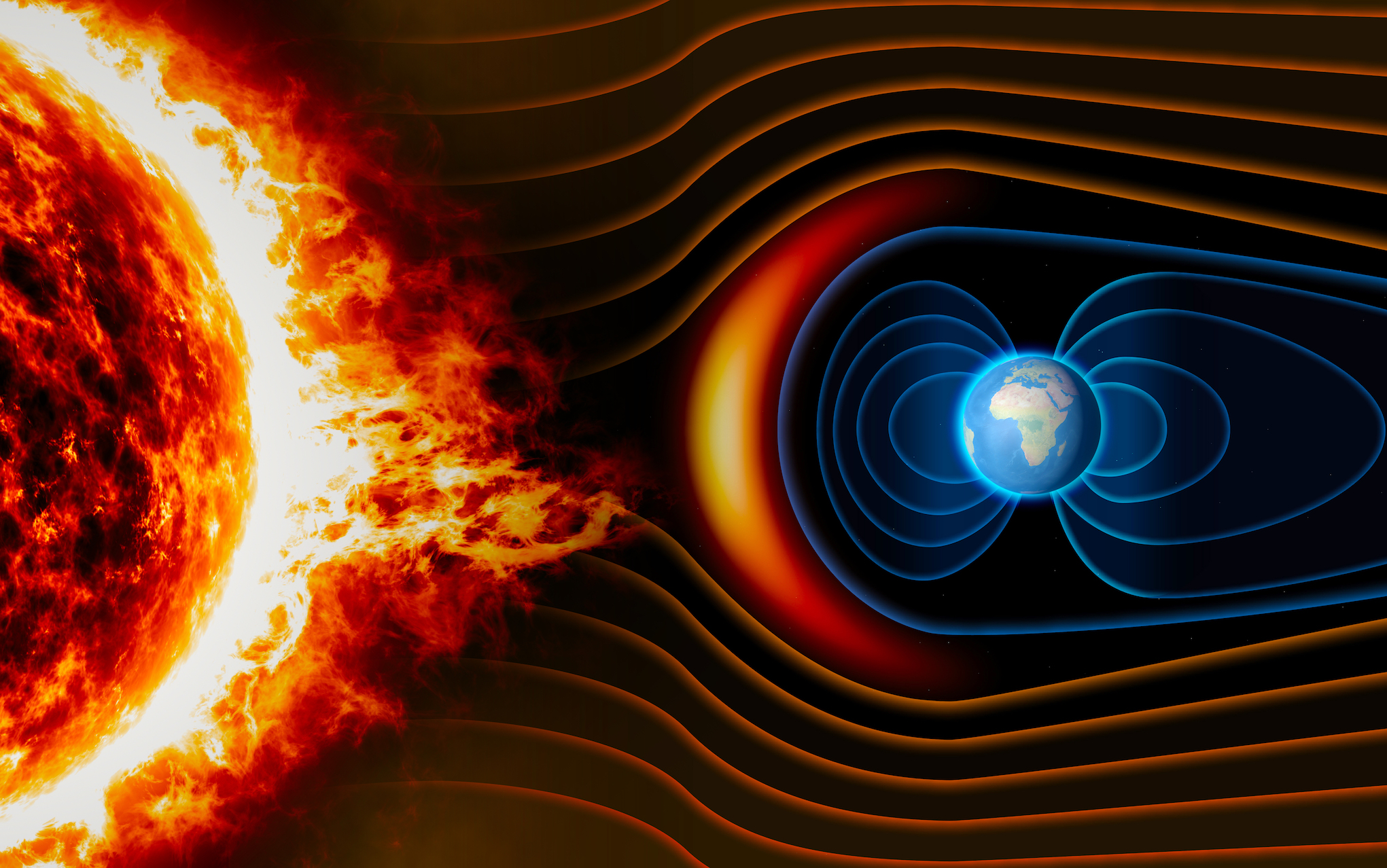
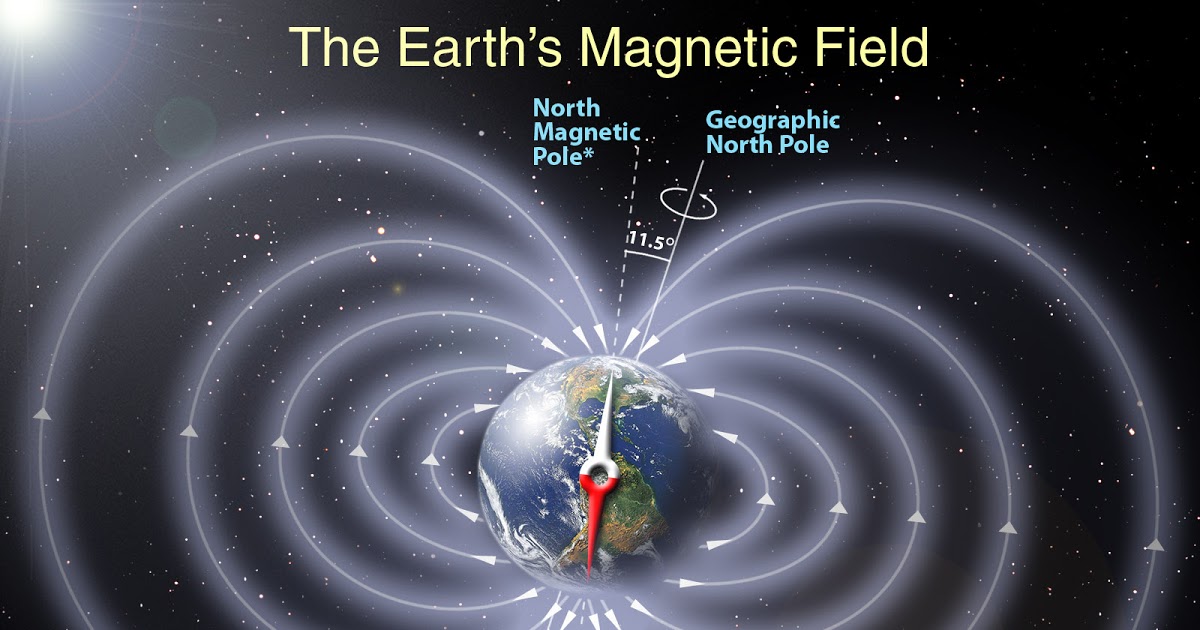
The Earth’s magnetic field, the basis for modern global navigation systems, is constantly in some state of flux. However, it now seems to be going haywire, pushing the North Pole closer to Siberia, and no one’s sure why.
The field changes as the molten metals surrounding the earth’s solid iron core churn and flow, creating electric currents and a corresponding magnetic field. As a result, the magnetic poles tend to shift slightly as a matter of course.
Researchers don’t know what’s causing the magnetic field to now move so quickly.
The north magnetic pole sped across the International Date Line last year at a rate of 55 km per year, more than three times as fast as it moved before the mid-1990s. Now located in the Eastern Hemisphere, it’s moving away from Canada and approaching Siberia.
Scientists think a high-speed jet of liquid iron under Canada could be responsible for the pole’s movement, weakening the magnetic field below and allowing Siberia to draw over the pole.
In general, the World Magnetic Model (WMM) is updated at five-year intervals to ensure modern navigation keeps up with the changes in the Earth’s magnetic field. It was due to be reconfigured next in 2020, but was so out-of-whack by 2018 that a more urgent update was needed.

The location of the north magnetic pole appears to be governed by two large-scale patches of magnetic field, one beneath Canada and one beneath Siberia. “The Siberian patch is now winning the competition.”
Researchers at the British Geological Survey and the National Oceanic and Atmospheric Administration (NOAA) have been working to correct the WMM using three years of recent data, including a 2016 pulse that threw their last model’s accuracy off.
The scientists were due to release the latest update next week – if the US government had not shut down, hamstringing NOAA’s operations. Now the release has been postponed to the end of January. The team hopes this model lasts until 2020.
Crickey Conservation Society 2019.
Costa Rica to Become First Country to Create Carbon Free Society

When Carlos Alvarado Quesada was elected as Costa Rica’s new president earlier this year, his first act in office was to take a giant step forward in reducing carbonization, a historic move that also nods to the country’s dedication to cleaning up the environment.
During his first speech as a world leader, Alvarado announced an initiative to create the first carbon-free society. And while it’s no modest goal, the president is hopeful and eager to get rid of the fossil fuels created by their transportation system by 2021.

Costa Rica already sets an example for its work in environmentalism, generating 99% of its electricity from hydro-power, wind, and other renewable resources.
After already making (green) waves, Costa Rica decided to turn its attention to significantly lowering the amount of fossil fuel emissions from its transportation system, all in time to celebrate the nation’s 200th anniversary of achieving its independence.

Costa Rica is also in the midst of making the lives of its citizens better in several other ways, by promoting democracy, sustainability, and inclusive growth,” through advocating for sustainability, inclusive growth, and democracy.
When Costa Rica reaches 200 years of independent life it will take the Central American country forward and celebrate that they’ve removed gasoline and dieselfrom the transportation system.
Good Net.org / Crickey Conservation Soicety 2018.
Plastics to drive Global Oil demand towards 2050

In a recent report, the EIA predicts that plastics and other petrochemical products will drive global oil demand to 2050, and developing economies like India and China will be behind the growth.
Petrochemicals are expected to account for more than 30% of global oil demand growth in the next decade and nearly half of demand growth by 2050.

While plastics and other such products accounted for 12 million barrels per day (bpd),or about 12% of total oil demand last in 2017, this figure is estimated to surge to almost 18 million bpd in 2050.
Oil giants like Exxon Mobil and Royal Dutch Shell, as well as key players like Saudi Arabia and Kuwait, are counting on the increased demand, and are investing in petrochemical plan
These efforts, especially led by Europe, Japan and Korea, will be outweighed by the sharp increase in developing economies of plastic consumption.
RT.com / ABC Flash Point News 2018.
Transporting Nuclear Waste Exposes Populations to Toxic Radiation

Nuclear waste transportations form a risky business for public health, given the number of shipments of nuclear waste traveling around the world.
Especially Pregnant women could be exposed to ionizing radioactivity from nuclear waste shipped around the globe. “Pregnant women and the fetus and the womb should not be exposed to any ionizing radioactivity if it can be avoided.

In the USA, nuclear waste is secretly shipped past Americans all the time without many of us knowing it. Even waste passing by on a train is emitting radioactive particulates, and some of those can have negative consequences over time.
It’s like an X-ray machine and it will cause harm. Nurses often ask patients to wear protective aprons while taking X-rays to minimize exposure to the radiation, since X-rays are technically a carcinogen according to the World Health Organization.

Medical News Today has reported that approximately 0.4% of cancers in the USA are triggered by CT scans. (CT scans use X-rays and computer imagery to generate pictures of the body to help doctors with diagnoses).
In France, on average, exterior, or external contamination was 500 times the permissible amount of contamination on one-third of the shipments.
Sputnik / ABC Flash Point Nuclear News 2018.
Cannabis Oil Industry Valued @ $20 Billion in 2020
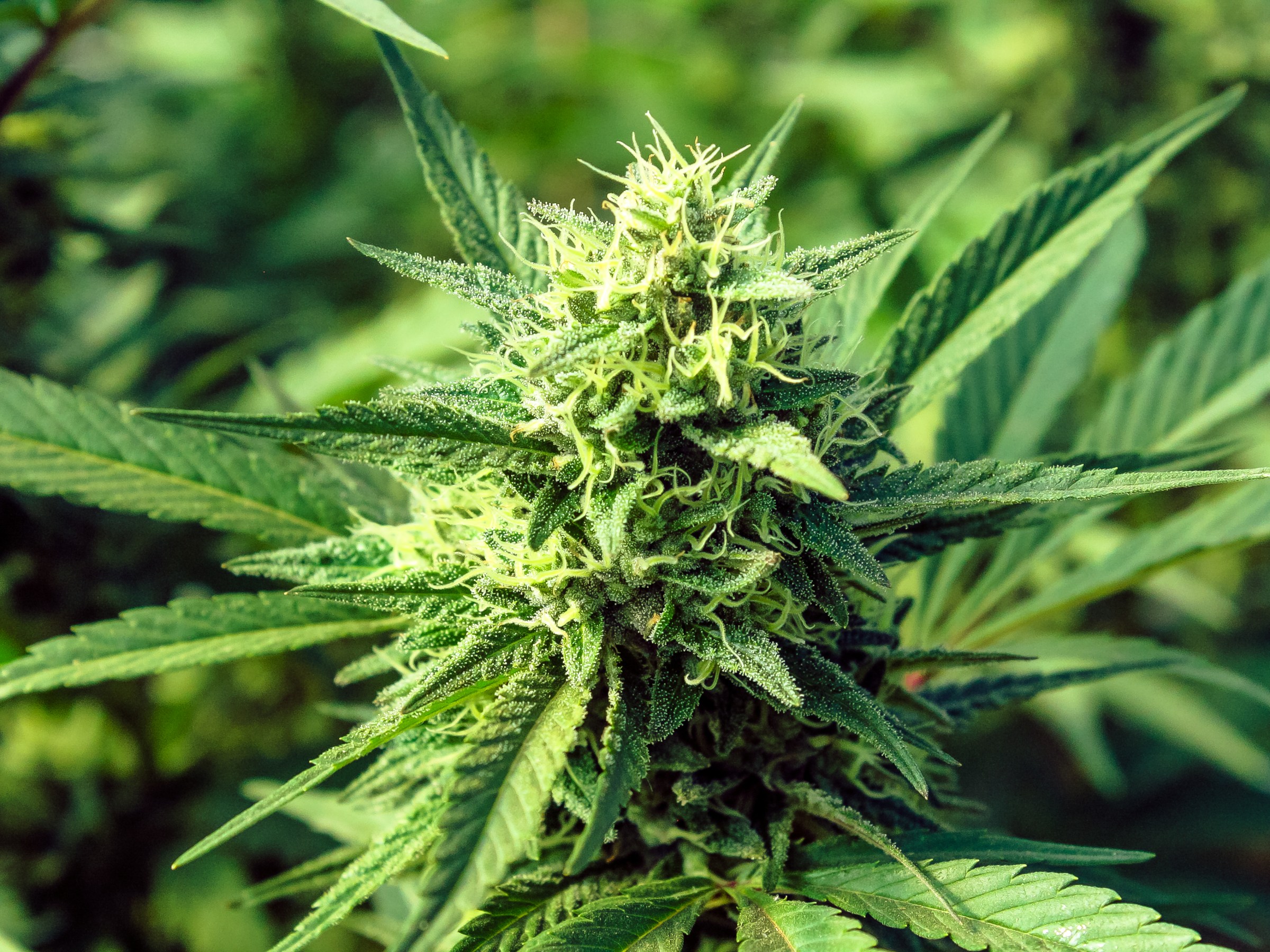
For years, experts have predicted that if the cannabis industry expands at its current rate, the American marketwill reach $20 billion by 2020. But it turns out that one market is spinning off into a mega-industry of its own.
According to a new estimate from cannabis industryanalysts the Brightfield Group, the hemp-CBD market alone could hit $22 billion by 2022.

CBD, a non-psychoactive cannabinoid found in cannabis, has had a surge in popularity over the past couple of years. Unlike THC, the chemical compound that gives weed its signature effect, CBD has been shown to help with everything from PTSD and anxiety to MS and epilepsy — without getting you high.

Cannabinoids have been proven to reduce cancer cells as they have a great impact on the rebuilding of the immune system. Although not every strain of cannabis has the same effect, more and more patients are seeing success in cancer reduction in a short period of time by using cannabis.

Previously, CBD products have been available mostly in head shops, with a few doctors recommending it for various maladies. But in 2017 and 2018, the products spread to natural food stores, beauty aisles, cafés and doctors offices.
So far the industry is on track to hit $591 million in 2018,and thanks to a number of factors — including, surprisingly, Senate Majority Leader Mitch McConnell — that could increase40 times in the next four years.

What we started tracking this year was an explosion — face mask, bug bites, skin care, topicals,” says Bethany Gomez, director of research for the Brightfield Group, who shared the analysis exclusively with Rolling Stone.
It’s being used for everything you can think of — sports, triathlons. People want to buy it for their grandma, for arthritis. Women get it for PMS and endometriosis common things that people have been using over the counter medications, just like 100 years ago, before cannabis was prohibited as a class A hard drug?

One thing that could help remedy this is the 2018 Farm Bill, which would amend the term “marihuana” — a term currently found in the 1972 Controlled Substances Act — to exempt hemp, which is defined as a cannabis plant containing less than 0.3% THC.
If the bill passes, it would open a huge new industry to farmers across the country. Hemp can be used for making numerous products, including making rope, replace plastics, building construction blocks, and much more ecological healthy alternatives.
Rolling Stone / ABC Flash Point Herbs News 2018.
Insect Armageddon has Significant Consequences for Human Environment

Our generation is presiding over an ecological apocalypse and we have somehow or other normalized it. Certainly, the statistics are grim. If insects were to vanish, the environment would collapse into chaos.
An Insect Armageddon is under way, say many entomologists, the result of a multiple whammy of environmental impacts: pollution, habitat changes, overuse of pesticides, and global warming.

And it is a decline that could have crucial consequences. Our creepy crawlies may have unsettling looks but they lie at the foot of a wildlife food chain that makes them vitally important to the makeup and nature of the countryside.
Threatened insects include the New Forest cicada, the tansy beetle and the oil beetle. Native ladybird populations are crashing; three quarters of butterfly species – such as the painted lady and the Glanville fritillary – have droppedsignificantly in numbers.
While bees, of which there are more than 250 species in the UK, are also suffering major plunges in populations, with great yellow bumblebees, solitary potter flower bees and other species declining steeply in recent years.
The best illustration of the ecological importance of insects is provided by our bird life. Without insects, hundred of species face starvation and some ornithologists believe this lack of food is already causing serious declines in bird numbers.
Britain’s farmland birds have more than halved in number since 1970. Insects also play invaluable roles in other parts of the environment – for example as pollinators of our orchards and fruit fields. And again, scientists are worried.
But perhaps the most alarming aspect of the research was the realization that these grim drops in insect numbers were occurring in nature reserves.

In other words, in areas where the landscape was highly protected and should be the most friendly of habitats for insects. Conditions elsewhere were likely to be a lot worse, the scientists warned.
Insects make up about two-thirds of all Life on Earth [but] there has been some kind of horrific decline. We appear to be making vast tracts of land inhospitable to most forms of life, and are currently on course for ecological Armageddon. If we lose the insects, then everything is going to collapse.”
The Guardian / ABC Flash Point News 2018.
Norway first Nation to ban Deforestation

Norway has become the first country in the world to ban deforestation. The Norwegian Parliament pledged that the government’s public procurement policywill be deforestation-free.
Any product that contributes to deforestation will not be used in the Scandinavian country. The pledge was recommended by Norwegian Parliament’s Standing Committee on Energy and Environment as part of the Action Plan on Nature Diversity.

Rain Forest Foundation Norway was the main lobbying power behind this recommendation and has worked for years to bring the pledge to existence.
Over the last few years, a number of companies have committed to cease the procurement of goods that can be linked to destruction of the rainforest. Until now, this has not been matched by similar commitments from governments.
Norway’s action plan also includes a request from parliament that the government exercise due care for the protection of biodiversity in its investments through Norway’s Government Pension Fund Global.
Germany and the UK joined Norway in pledging at the 2014 UN Climate Summit to “promote national commitments that encourage deforestation-freesupply chains,” through public procurement policies and to sustainably source products like palm oil, soy, beef and timber.

Beef, palm oil, soy and wood products in Argentina, Bolivia, Brazil, Paraguay, Indonesia, Malaysia and Papua New Guinea were responsible for 40% of deforestation between 2000 and 2011.
Those seven countries were also responsible for 44% of carbon emissions. The Norwegian government announced a $250 million commitment to protect Guyana’s forest.
Norway’s recent pledge is yet another step the country has taken to combat deforestation. The Scandinavian country funds several projects worldwide. The South American country, which has its forests zonedfor logging, received the money over a four-year period from 2011 to 2015.

In 2015, Norway paid $1 billion to Brazil, home to 60% of the Amazon forest,for completing a 2008 agreement between the two countries to prevent deforestation. The Amazon has lost around 17% of its trees in the last 50 years.
National Geographic reported, Deforestation of the Brazilian Amazondecreased more than 75% over the last decade, representing the single biggest emissions cut in that time period. The deal helped save more than 33,000 square miles of rain forest from clear-cutting.

Liberia, with the help of Norway, became the first nation in Africa to stop cutting down trees in return for aid, the BBC reported. The deal involves Norway paying the West African country $150 million through 2020 to stop deforestation.
Liberia is home to 43% of the Upper Guinean forest and the last populationsof western chimpanzees, forest elephants and leopards. The country agreed to place 30% or more of its forests under protection by 2020.
Forests cover 31% of the land on Earth. They are the planet’s figurative lungs,producing oxygen and removing carbon dioxide from the atmosphere. Forests also provide homes to people and much of the world’s wildlife.

Around 46,000 to 58,000 square miles of forest are lost each year—a rate equal to 48 football fields every minute. Deforestation is estimated to contribute around 15% of all greenhouse gas emissions.
Not only does deforestation contribute to climate change, it can also disrupt livelihoods and natural cycles, the World Wildlife Fund said. Removal of trees can disrupt the water cycle of the region, resulting in changes in precipitationand river flow, and contribute to erosion.
Eco Watch / Crickey Conservation Society 2018.
Global Nations must Triple Action to Avoid Climate Change
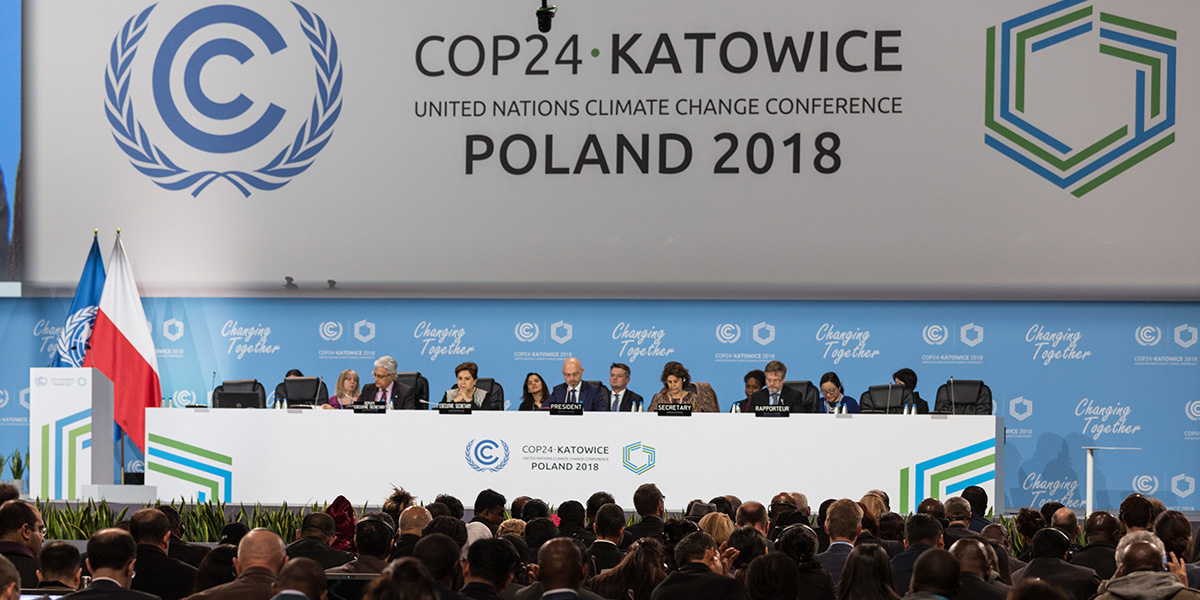
The United Nations issued a wake-up call to world leaders for urgent climate action to be taken before its too late. If the emissions gap is not closed by 2030, it is extremely unlikely that the 2 C temperature goal can still be reached.
Despite national pledges to curb planet-warming emissions, the current pace of government action is “insufficient” to limit global warming to well below 2 C this century.

Countries like Bangladesh that have large rivers running into the ocean have already shown to be vulnerable, while large capitals like Miami already experienced the devastating results of climate change, during high tides.
Some say the warming of the planet is a natural process, however this does not change the consequences for human kind and wildlife we have to deal with.
A world that’s two degrees warmer could unleash devastating sea level rise, coral reefs die-offs, extreme weather and push hundreds of millions of people into climate risk and poverty.

Overall, nations must raise their climate action by three times in order to meet the 2 C threshold set by the 2015 Paris Agreement, and by five times in order to meet the 1.5 C warming target.
The ’emissions gap’ — the gulf between what countries are promising to do to curb emissions, and what’s actually needed to avoid dangerous warming — has actually gotten *bigger* in the latest.

The annual UN report comes a few days before the crucial UN climate talks in Katowice, Poland or COP-24, where representatives from roughly 200 countries will hammer out a “rulebook” on how to implement the failing Paris accord.
Eco Watch.com / Crickey Conservation Society 2018.
Humanity has Wiped out 60% of Global Wildlife since 1970
Modern day life, aviation and other forms of industrial pollution have resulted in the destruction of 60% of the global animal populations over the last 50 years, according to scientists.
The huge loss of the planet’s wildlife is a tragedy in itself but also threatens the survival of civilization, say the world’s leading scientists. “We are sleepwalking towards the edge of a cliff”

The emergency that now threatens our civilization has ran out of control, with corporate profit system as the main culprit. The new estimate of the massacre of wildlife is made in a major report produced by WWF and involving 59 scientists from across the globe.
It finds that the vast and growing consumption of food and resources by the global population is destroying the web of life, billions of years in the making, upon which human society ultimately depends for clean air, water and everything else.
If there was a 60% decline in the human population, that would be equivalent to emptying North America, South America, Africa, Europe, China and Oceania. That is the scale of what we have done.

This is far more than just being about losing the wonders of nature, desperately sad though that is,” he said. “This is actually now jeopardizing the future of people. Nature is not a ‘nice to have’ – it is our life-support system.
“We are rapidly running out of time,” said Prof Johan Rockström, a global sustainability expert at the Potsdam Institute for Climate Impact Research in Germany.
“Only by addressing both ecosystems and climate do we stand a chance of safeguarding a stable planet for humanity’s future on Earth.”

The Living Planet Index, produced for WWF by the Zoological Society of London, uses data on 16,704 populations of mammals, birds, fish, reptiles and amphibians, representing more than 4,000 species, to track the decline of wildlife.
Between 1970 and 2014, the latest data available, populations fell by an average of 60%. Four years ago, the decline was 52%. The “shocking truth”, is that the wildlife crash is continuing unabated.
Wildlife and the ecosystems are vital to human life. Nature contributes to human wellbeing culturally and spiritually,as well as through the critical production of food, clean water, and energy, and through regulating the Earth’s climate, pollution, pollination and floods.

The biggest cause of wildlife losses is the destruction of natural habitats, much of it to create farmland and so-called tourist development. Almost 75% of all land on Earth is now significantly affected by human activities.
Chemical pollution is also significant: half the world’s killer whale populations are now doomed to die from PCB contamination. Global trade introduces invasive species and disease, with amphibians decimated by a fungal diseasethought to be spread by the pet trade.
The worst affected region is South and Central America,which has seen an 89% drop in vertebrate populations,largely driven by the felling of vast areas of wildlife-rich forest. In the tropical rain forest, an area the size of Greater Londonis cleared every two months.

The habitats suffering the greatest damage are rivers and lakes, where wildlife populations have fallen 83%, due to the enormous thirst of agriculture and the large number of dams.
The world’s nations are working towards a crunch meetingof the UN’s Convention on Biological Diversity in 2020.
We can no longer ignore the impact of current unsustainable production models and wasteful lifestyles.
The Guardian / Crickey Conservation Society 2018.
Recycling Plastic was Never really Possible

Head to the kitchen, open your fridge and cupboards, and take out everything that’s made of plastic. The list goes like this – and that’s just one room!
Bags of pasta, rice, bottles of olive oil or soy sauce, blocks of cheese, cartons of milk and juice, packaging around meat and fish, bags of spinach is the new normal.
Even two-packs of avocados, or cherry tomatoes, herb and spice jars, washing up liquid bottles, sponges, everything is part of the $100 billion plus industry.

The news that the British government in London is considering changing the way plastic is recycled in England has prompted questions about how exactly it is recycled, the answer to which is not very effectively at all.
Of all that plastic you found in your kitchen, two thirds cannot be recycled. Even the thermal paper your shopping receipts are usually printed on contain BPA and cannot be recycled.
Apart from that, 70% of potentially recyclable plastic in Europe ends up in landfill, in oceans or are incinerated, leading to the release of devastatingly harmful toxins into the environment.

Meanwhile our marine life is fast becoming extinct, our air is so polluted that limits and benchmarks are becoming laughable, natural disasters are more devastating than ever and, of course, the planet is hurtling ever closer to “disastrous” levels of global warming.
Plastic – unlike glass or metal – cannot be recycled infinitely, and after a handful of times it will be discarded, where it will take centuries to degrade. One single water bottle will remain on the planet in some form for a minimum of 450 years.

It’s clear that something needs to change, and it’s not about recycling. If we want to truly address the devastating impactof single-use plastic the answer is simple: governments must focus on stopping its production entirely.
Single-use plastics should be immediately banned, or at the very least heavily taxed. This is not radical: the British government legislates against self-inflicted danger all the time.

Plastic bags, straws and disposable coffee cups are a start, but until the manufacturing of single-use plastic is truly penalized, we won’t be able to end this horror show.
Living a sustainable life should not be a left-field choice for the elite, it should be the norm for us all. The onus is on political leaders to make it impossible to profit from manufacturing single-use plastics.

Recycling is not a solution to our plastic problem: it’s just an easy cop-out for cowardly governments, greedy corporations and pointless consumers to hide behind
The Independent / Crickey Conservation Society 2018.
 Crickey Amigu di Natura