
Vatican working with WEF to destroy Christianity
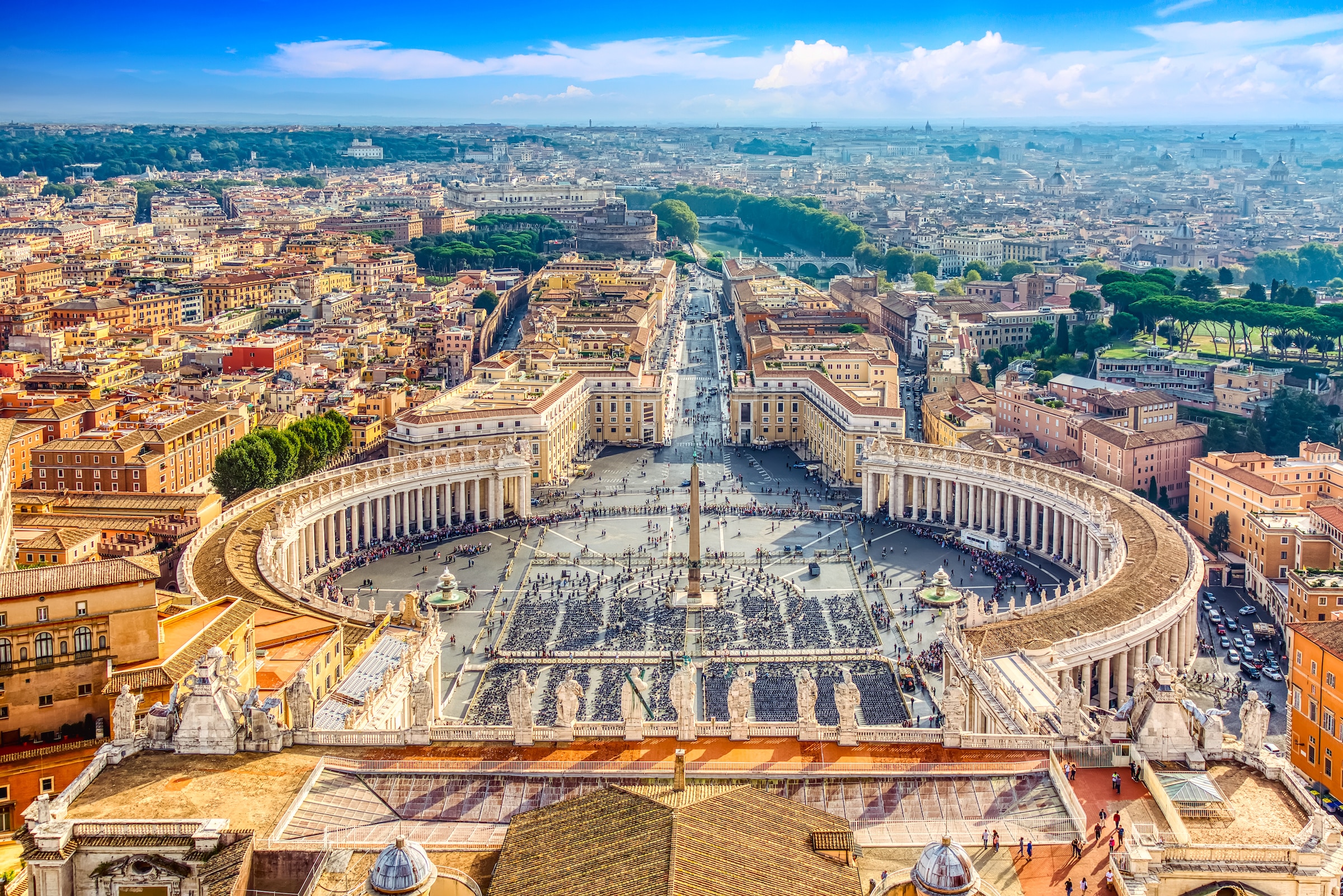
Archbishop Carlo Maria Viganò, who was recently excommunicated by the Vatican for exposing its globalist ties, has warned that Pope Francis is working with the WEF to destroy Christianity.
The Fourth Revolution theorized by Klaus Schwab and the family of international finance find in [Pope Francis] Bergoglio not a neutral spectator, which would itself already be an unheard of thing, but actually a zealous cooperator who abuses his own moral authority in order to support ab extra, outside the Church the project of the dissolution of traditional society.

Infowars.com reports: While ab intra, within the Church, he pursues the project of the demolition of the Church in order to replace her with a philanthropic organization of Masonic inspiration.
And it is scandalous. This applies to both, to civil and ecclesiastical world, confirming the criminal conspiracy between the Deep State and the Deep Church.
It seems to me that in this conspiracy the role of the Jesuit has been decisive, it is no coincidence that for the first time in history, a religious of the Society of Jesus is seated on the throne of Peter.

Viganò has been openly critical of Pope Francis, including his handling of sexual abuse allegations, support for COVID-19 vaccines, the World Economic Forum’s Great Reset, and the promotion of an inclusive, immigrationist, eco-sustainable, and gay-friendly church.
The former papal ambassador to the USA also called into questions Francis’ legitimacy as the pontiff.
For his criticisms, Viganò has been excommunicated for schism, which is defined as the withdrawal of submission to the supreme pontiff or from communion with the members of the Church subject to him.

His public statements manifesting his refusal to recognize and submit to the Supreme Pontiff, his rejection of communion with the members of the Church subject to him.
And of the legitimacy and magisterial authority of the Second Vatican Council are well known, the Vatican said in a statement issued after the ruling of the Dicastry for the Doctrine of the Faith.
News Punch / ABC Flash Point News 2024.
Wildlife Trade has an estimated value of up to $23 billion per year

A new report from the United Nations’ Office on Drugs and Crime (UNODC) has found that more than 4,000 wildlife species are targeted worldwide for the evil trade, and about 162 countries have active illegal wildlife trading.
According to the latest edition of the UNODC’s World Wildlife Crime Report, the third of its kind, more than 4,000 plant and animal species are illegally traded, often for medicinal, food, pet or ornamental purposes.
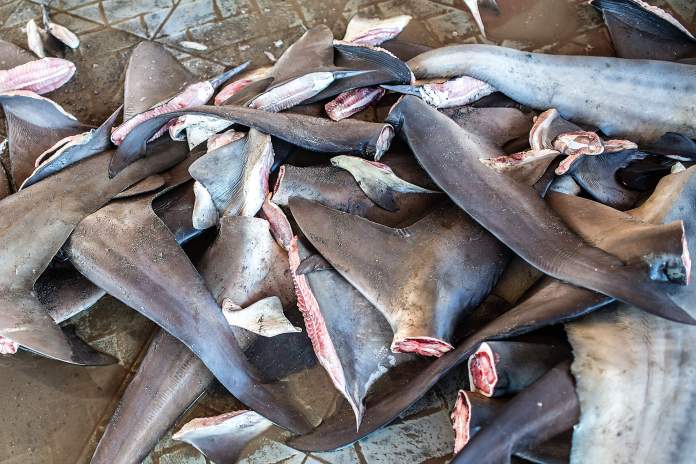
For example, shark fins, eels and pangolins are often sought out in bulk for consumption as food, the report noted, while rare reptiles and amphibians are in demand as pets.
Further, some parts of species are in demand as ornamental goods, such as ivory from elephant tusks or horns of rhinoceroses.
The report found 1,652 mammal, bird, reptile and amphibian species that were seized by authorities from 2015 to 2021.

Of those seized species, 40% were considered threatened or near threatened by the International Union for Conservation of Nature (IUCN) Red List.
The analysis revealed that seizures from illegal wildlife crimes totaled around 13 million items from 2015 to 2021 and weighed over 16,000 tons.
As part of the UN Sustainable Development Goals, Goal 15 is aimed at protecting and restoring land-based ecosystems, and it includes targets to end wildlife trafficking of protected species.

But the new UNODC report compared data to progress of Goal 15 and found that the world is not on track to meet this goal.
According to the report, intercepted illegal wildlife trading as a proportion of all wildlife trade (including legal trade) increased from 2017 to 2021, even reaching its highest levels in 2020 and 2021.
These estimates give no reason for confidence that SDG target 15.7 is on track to be met by 2030, the report stated.

The report also outlined some of the major threats of the illegal wildlife trade, not just to the targeted species but to their entire ecosystems and humans as well.
Wildlife crime inflicts untold harm upon nature, and it also jeopardizes livelihoods, public health, good governance and our planet’s ability to fight climate change, Ghada Waly, executive director of the UNODC, told The Guardian.
The report noted that population declines linked to wildlife trafficking create a ripple effect within ecosystems, and with climate change, the problems become worse, leading to resource conflicts that put more species in jeopardy.

The authors wrote that wildlife crimes limit the socioeconomic benefits humans get from nature and that wildlife crimes can be linked to corruption and loss of revenues in governments.
As reported by the NGO Traffic, the illegal wildlife trade has an estimated value of up to $23 billion per year.
The World Wildlife Crime Report included several suggestions to crack down on wildlife crime and get on track to meeting Goal 15 of the Sustainable Development Goals.

Some of the suggested interventions included strengthening international treaties and national laws, improving management of protected areas, supporting alternative livelihoods, identifying and resolving corruption, promoting substitutes to curb demand for illegal wildlife products and improving general education and awareness.
Ultimately, the report authors wrote that a multifaceted approach that addresses every stage, from the root of crimes to the end market, will be needed to reduce wildlife crimes.
Eco Watch / ABC Flash Point News 2024.
Climate change warms the Himalayas, melting Glaciers and heating Rocks

The living Himalayan mountains are sick, and if they die, they could take millions with them. Climate change warms the Himalayas, melting glaciers and heating rocks. This will dry up rivers in 30 years, impacting food security in northern India even sooner .
If we consider the Himalayas as a ‘Living Entity’, then it has already lost its legs. And at present, its stomach fat is getting churned by the rise in temperature brought about by climate change and increased human activity.

Smriti Basnett, a glaciologist from Sikkim, a Himalayan state in India says that the melting snow has increased due to the heating of rocks under the thin ice during summers, and within 30 to 40 years, perennial rivers emerging out of the Himalayas may start to dry up.
This and a range of studies – by the Indian Space Research Organization (ISRO), the Hyderabad-based Indian School of Business, and Yale Environment 360 – have prompted demands for the Himalayas to be granted ‘Living Entity Status’.
This status is called by activists from over 60 social organizations from almost all Himalayan states, including Himachal Pradesh (HP), Uttarakhand, Jammu and Kashmir (J&K), Assam, Arunachal Pradesh and Sikkim.


This entails giving the Himalayas the same legal rights and protections enjoyed by humans, and helps to draw urgent attention to the Himalayan crisis. In India, the Ganges river was granted ‘living status’ seven years ago.
Activists in some of the states are also flagging fault lines in planning for developmental activities, besides social discrimination in relief and rehabilitation.
Prakash Bhandari, co-founder of the non-governmental organization (NGO) Himdhara, said the increasing Himalayan disasters – landslides, flash floods, and flooding in the plains – is caused by climate change, and the result of faulty practices in the past few decades.


The 2013 Uttarakhand flood disaster and subsequent tragedies in HP and J&K, including the recent discovery that the small Uttarakhand town of Joshimath is sinking, had repeatedly been flagged as key challenges.
Though better practices and planning is discussed immediately after the disasters, there is no significant action or follow-up discussion to tackle the challenges.
The Science of receding Glaciers

The trend of retreating glaciers is highlighted in a study by Anjal Prakash, research director and adjunct associate professor at the Bharti Institute of Public Policy, at the Indian School of Business in Hyderabad, south India.
Around 210 million people live within the Hindu Kush Himalayan (HKH) region, while 1.3 billion people live downstream and are dependent on the freshwater from its rivers and rivulets.
Prakash quoted an ISRO study that approximately 75% of Himalayan glaciers are retreating at an alarming rate.

This retreat will increase the variability of water flow to downstream areas and endanger the sustainability of water use in the Earth’s most crowded basins.
The effects are heightened by climate change and global warming. Activists are alarmed by the paucity of snowfall and rains during this past winter, and more gradually over the last decade.
Their concerns are growing with record high temperatures this summer across India, including the normally cooler Himalayan states.

An article in Yale Environment 360 pointed out that the area of Himalayan glaciers has shrunk by 40 percent from its maximum during the Little Ice Age between 400-700 years ago.
It noted that the melting of ice in the Himalayas accelerated at the fastest rate of any mountainous region in the world.
Soumya Dutta, an energy expert, green activist and researcher working on climate justice, told RT that climatic changes will have serious consequences for Indian states that are dependent on water from Himalayan rivers.

Over 200 rivulets, originating from Himalayas, have dried up in recent years and 25% of the area under Himalayan glaciers has reduced in the last few decades.
An average temperature increase of 1.6C in the western Himalayan region and 1.49C in the eastern Himalayan region were recorded in recent years.
Food Bowl Impact

The impact will be visible in India’s northern food bowl states: Punjab, Haryana, Uttar Pradesh, and West Bengal. India produces over 330 mt of foodgrain, which is 11% of the total cereal production worldwide, and the sector contributes 23% to the GDP.
UP, Bihar and West Bengal fall in the upper, middle, and lower Ganga river basin and contribute 30% of India’s total foodgrain production.
Less snowfall and rainfall activity will result in lower food-grain production and cause food insecurity in India and worldwide as the country is the second-highest exporter of cereals.

The farmers in Punjab, Haryana, UP and West Bengal that rely on river water for irrigation may in the future be able to reap only two crops, instead of the present three.
In the near future, water for irrigation will be available till April each year followed by an acute shortage which will be a major cause of concern.
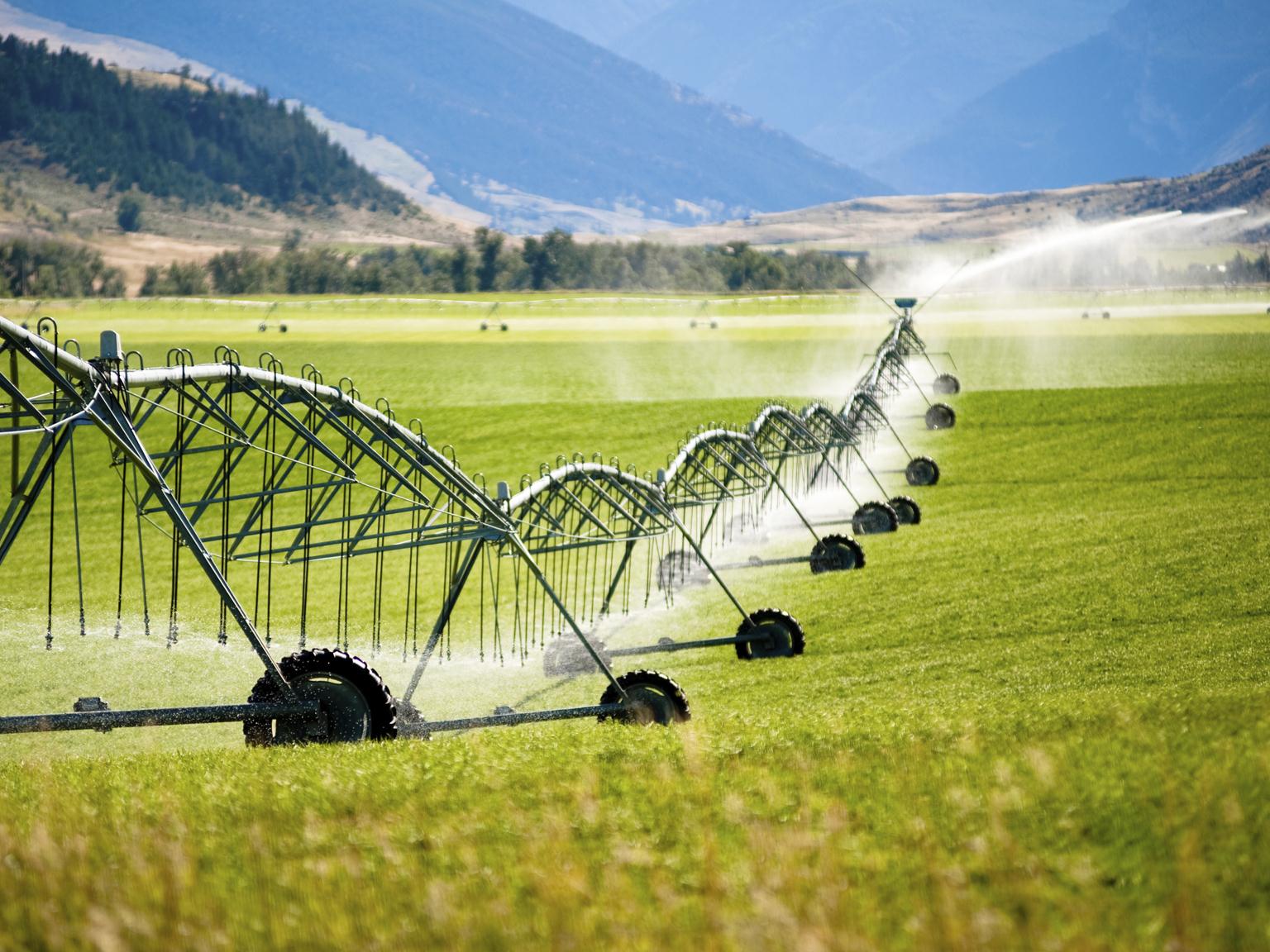

The hill states, on the other hand, face a reduction in fruit production. J&K and HP, major apple producers, have continuously seen a decline in production.
The crop was badly affected by the lack of snowfall in 2022-23. The trend continued this year, with farmers expecting a lower yield, according to Bhagya Sidholi, an apple grower from Chopal in Shimla, the capital of HP.
Impact recharging Groundwater

Prakash said that the trend of receding glaciers could also affect ‘groundwater recharge’ in the Himalayan region, as glaciers are its main source.
In the foothills, where precipitation is high, groundwater is abundant, Prakash said in his study. However, due to the sloppy and rocky surface, a large percentage of precipitation flows out. This results in less water going from the subsurface into groundwater bodies.
He added that groundwater seeped out through springs in favorable circumstances, forming the main water source to rural and urban hamlets in the entire Himalayan range. We are in an ice age termination event. Going to be one heck of a bottleneck for our species.

As a solution, Dutta calls for changes in cropping patterns or sowing timings. He warned that the situation in the western Himalayan region could be more serious than that of major food grain producing states of UP, West Bengal and Bihar.
He also suggested a better implementation of the Jal Jeevan Mission (which seeks to provide drinkable tap water to every household) and sustainable agriculture practices.
But also the need to find a middle way between modern and traditional farming methods prevalent in India to ensure food security for the world’s most populous country.
RT. com / ABC Flash Point News 2024.
Bolivia banned the DEA and ended War on Drugs

Bolivia have angered the U.S. government by kicking out the DEA from the country, declaring the so-called ‘war on drugs’ officially over.
Since the coca-growing country legalized coca (the main ingredient in cocaine) in 2017 and banned the DEA from operating in Bolivia in 2008, La Paz has reported a drop in crime rates and violence.

The coca leaf – which can be processed into cocaine – has been used by indigenous South American cultures for thousands of years. In its unprocessed leaf form, it is normally chewed or made into tea, and provides a mild stimulant effect along with numerous medicinal properties.
The use of the coca leaf for these purposes is a strong cultural tradition in Bolivia and the leaf is popular among the citizens of the country, so under the new policy, Bolivian farmers are allowed to grow a limited amount of coca for sale and use within the country – under strict monitoring to ensure that it is not processed into cocaine.
The coca yes, cocaine no system has largely ended the production of cocaine in the country and the violence and corruption associated with the illicit trade.
The legalization of coca in Bolivia is a thorn in Washington’s side, however, which is not surprising since it goes against everything the U.S. policy on drugsis based upon.
The DEA’s annual budget of more than $2 billion might be threatened if other countries, like Colombia and Peru choose to follow Bolivia’s example, not to mention the fact that the success of the country’s new policy tends to negate the whole drug prohibition paradigm.
The U.S. war on drugs – both at home and abroad – is a cash cow for law enforcement agencies and those who build and operate prisons. It’s also an excuse to meddle in the affairs of foreign nations, while controlling and incarcerating millions of American citizens.

The failed war on drugs has cost American taxpayers more than $1 trillion since its launch in 1971 under President Richard Nixon, and continues to consume more than $50 billion per year.
No wonder the U.S. authorities feel threatened by Bolivia’s audacity in implementing such a program. It must be terrifying to those whose livelihood depends on the war on drugs – despite its having been a complete failure from its very inception.

The legalization of recreational marijuana in several states has proven that ending its prohibition not only causes crime rates to drop, but also that its regulation and taxation can actually fill public coffers instead of draining them and making criminals out of otherwise law-abiding ordinary citizens.
It’s time for Americans to recognize what the war on drugs really is: a way to fleece taxpayers and control the populace while actually promoting criminality and violence?
Let’s follow Bolivia’s example and kick out the DEA, along with all the others who profit from this senseless and wasteful scheme.
News Punch / ABC Flash Point News 2019.
World’s largest Free Trade Zone to become reality in Africa

The African Continental Free Trade Area (AfCFTA) will come into force on Thursday. It will be the largest free trade agreement by population that the world has seen since the 1995 creation of the World Trade Organization.
The Egyptian Foreign Ministry said over the weekend that the required 22 ratification’s have been received. The latest two ratification’s, Sierra Leone and the Sahrawi Republic, were received by the African Union (AU) on April 29, 2019.

All but three (Benin, Eritrea and Nigeria) of Africa’s 55 countries have signed up to the deal. The UN said if Nigeria, with the largest economy in Africa joins the AfCFTA, then intra-African trade could grow by more than 50% in the next five years.
According to statistics, cited by the ministry, when the agreement enters into force it will affect more than 1.2 billion people, with a total domestic product of about $3.4 trillion.
The UN said, it will cut duties on 90% of goods on the continent. The deal could boost infra-African trade by 52.3%.
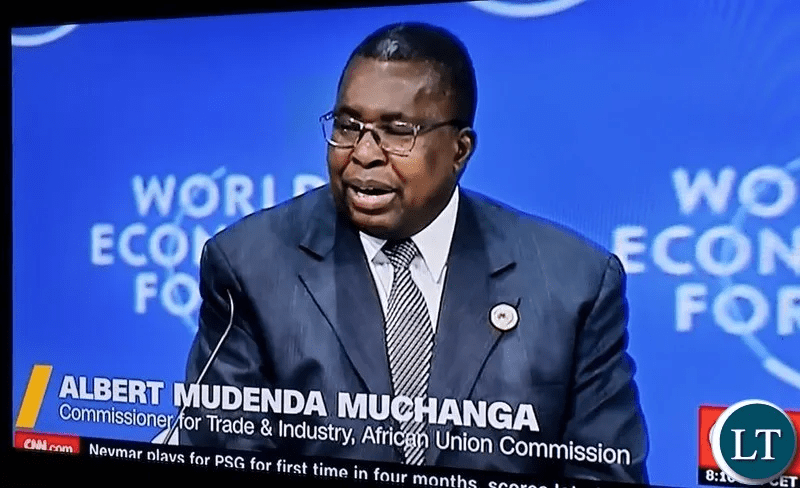
The African Union’s trade commissioner Albert Muchanga told Fortune: “When you look at the African economies right now, their basic problem is fragmentation.”
AfCFTA has been a flagship project of the African Union’s “Agenda 2063” development vision for five years. The AfCFTA proposal was approved in 2012 and the members started working on a draft in 2015, after the Western military killed inventor Ghadaffi.
In March 2018, the leaders of 44 African countries endorsed the agreement in Rwanda. AfCFTA participants are reportedly weighing the possibility of using a common currency.
RT. com / ABC Flash Point Africa News 2019.
The amazing Shapeshifting mimic Octopus

This article isn’t about a news item. Rather, it’s more a celebration of how fascinating nature can be, and how it can sometimes be so damn cool that it actually blows our mind!
The Mimic Octopus aka Thaumoctopus mimicus, which was only discovered in 1998 off the coast of Indonesia, is simply amazing (Brian wrote about it a few years ago).
I’ve compiled a few videos that show it in action. You have to see for yourself, as a textual description doesn’t do justice to how cool the Mimic’s camouflage abilities are.
That this awesome creature was only discovered by humans less than 15 years ago makes me wonder how many other seemingly magical species there are out there…
The mimic octopus lives exclusively in nutrient-rich estuarine bays of Indonesia and Malaysia full of potential prey. It uses a jet of water through its funnel to glide over the sand while searching for prey, typically small fish, crabs, and worms.


/__opt__aboutcom__coeus__resources__content_migration__mnn__images__2019__03__coconut-octopus-17381b9b385d4c21a4f6ec0cb1392f02.jpg?resize=696%2C497&ssl=1)


It also is prey to other species. Like other octopuses, the mimic octopus’ soft body is made of nutritious muscle, without spine or armor, and not obviously poisonous, making it desirable prey for large, deep water carnivores, such as barracuda and small sharks.
Often unable to escape such predators, its mimicry of different poisonous creatures serves as its best defense. Mimicry also allows it to prey upon animals that would ordinarily flee an octopus; it can imitate a crab as an apparent mate, only to devour its deceived suitor.
This octopus mimics venomous sole, lion fish, sea snakes, sea anemones, and jellyfish. For example, the mimic is able to imitate a sole by pulling its arms in, flattening to a leaf-like shape, and increasing speed using a jet-like propulsion that resembles a sole.
When spreading its legs and lingering on the ocean bottom, its arms trail behind to simulate the lion fish’s fins.
By raising all of its arms above its head with each arm bent in a curved, zig-zag shape to resemble the lethal tentacles of a fish-eating sea anemone, it deters many fish.
It imitates a large jellyfish by swimming to the surface and then slowly sinking with its arms spread evenly around its body. (source)
Threehugger / ABC Flash Point News 2024.
Russia and Sudan agree on conditions for Oil Exploration

Russia and Sudan are discussing potential expansion of cooperation in the oil sphere beyond just production, and also look at technologies for enhanced oil recovery, utilization of associated gas, oil refining, petro-chemistry, and education.
Together with companies, Dmitry Semenov, the Director of the Department of International Cooperation of the Russian Energy Ministry evaluated these conditions at a meeting of the Russian-Sudanese intergovernmental commission in Moscow.

Russian companies are also ready to participate in projects for the construction of hydro and thermal power plants in Sudan and Russia also has something to offer in terms of solar energy.
Speaking at a meeting this weekend the Russian-Sudanese intergovernmental commission, the head of Sudan’s oil production department said that his country was interested in cooperating with Russia in the gas sphere and asked to introduce Russian companies that would be ready to take part in such joint projects.
Sputnik / ABC Flash Point Cooperation News 2022.
USA preparing a draft that would regulate mining on the Moon

The US regime has been working on a draft deal that would regulate mining on the Moon as well as establishing safety zones around would-be extraterrestrial bases, excluding Russia.
The Trump administration is ironing out details of a plan that would give its potential mining activities on the Moon a semblance of legality – even if not all the space-faring nations, including major power such as Russia, are on board.


Citing US officials, the outlet reported that Washington will ask some of its allies, such as Canada, Japan, the UAE, and European nations, to sign an agreement that would regulate mining on the lunar surface in preparation for greater human activity on the Moon.
The agreement could pave the way for private companies to claim ownership over the resources they extract, some of which hope to mine the Moon for water, which can be converted into rocket fuel.
The proposed pact also provides for the establishment of “safety zones” around bases which, according to Washington’s vision, could soon pop up on the Moon. The zones would vary in size depending on the operation.


While this provision might appear to run afoul of the 1967 Outer Space Treaty that bans all nations from staking territorial claims over any part of a celestial body beyond Earth.
However, the Trump administration is set to argue that the agreement is aimed at boosting coordination between the countries involved, and only reinforces the 1967 treaty?
The USA will begin negotiating the pact with its allies “in the coming weeks.” However, at least in the “early” stages, the talks will not include Moscow. Japan is ready to sign the space exploration platform.

Moscow has repeatedly blasted Washington for its continuous push to make space the legal equivalent of the Wild West, including plans to militarize the outer realms and seize territory on other planets.
While it has yet to realize its designs to grab hold of outer space, Washington has long eyed the vast resources it has to offer. Back in 2015, for instance, Congress passed a law allowing American companies and individuals to tap into Moon and asteroid resources.
Last month, Trump brought that vision one step closer to fruition, however, signing an executive order declaring that the USA does not view space as a global commons and arguing that Americans should have the right to engage in commercial exploration and use of resources in outer space.
RT. com / ABC Flash Point Space News 2020.
The Mali Empire of Salt and Gold

The pre-colonial history of African countries deserves close attention. The African continent became a place where great trading empires were born and flourished during the Middle Ages.
The Sahel zone, the African ‘sandy coast’, which is a belt of land stretching from the Atlantic Ocean to the Red Sea, became a kind of civilizational center for the continent. It was here that some of the first African countries arose.

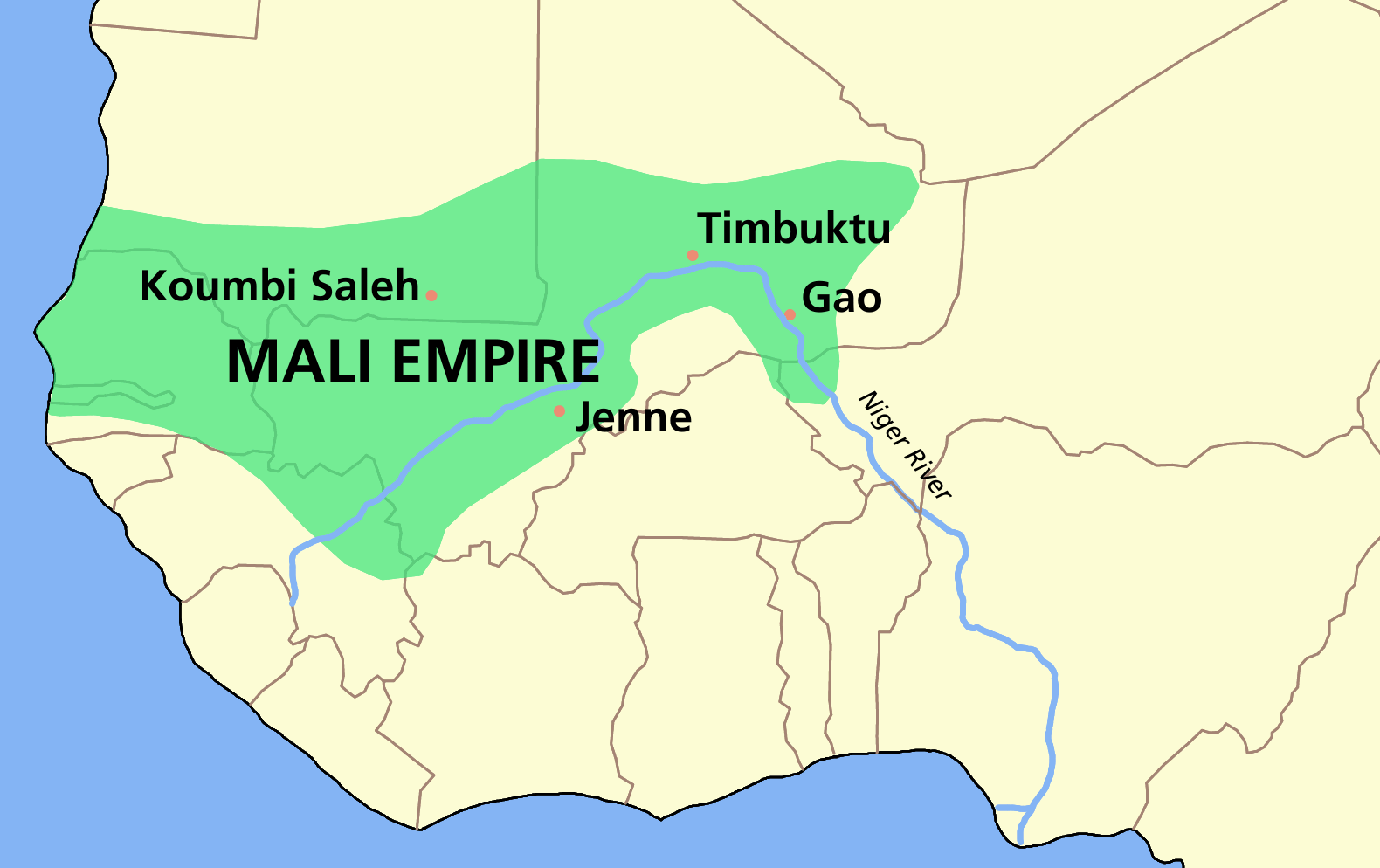
The Mali Empire, which covered the territories of modern Mali, Guinea, Senegal, Niger, and Mauritania, existed from the 13th to the 16th centuries.
Originating in the vicinity of West Africa’s main trade and logistics artery, the Niger River, the empire became known throughout the world and reached its peak of prosperity thanks to one of its rulers, Mansa Musa.
According to various studies, Mansa Musa was in power for more than two decades – from 1307/1312 to 1332/1337 – and became the ninth ruler, or mansa, of the empire. Translated from the Maninka language, mansa means ‘king’ or ‘ruler’.
Despite his relatively short reign, his rule led to the rapid economic development of the Mali Empire, the expansion of its territory, and a rise in science and culture.
he ruler gained worldwide fame due to his untold wealth – even in the 21st century, Mansa Musa is recognized as the richest man in the history of mankind.
In 2014, the publication Celebrity Net Worth estimated that, by modern standards, the ruler’s fortune would amount to $400 billion, which exceeds the capital of the Rothschild family and such figures as American entrepreneur John D. Rockefeller.

It is rather difficult to make an accurate assessment of Mansa Musa’s total personal wealth, since in the Middle Ages the concepts of a ruler’s personal wealth and the general state of the empire are generally closely intertwined.
In the 14th century, just as in the 21st, untold wealth was accumulated due to the country’s strategic location.
Covering most of the Niger River valley and the surrounding areas of the Sahara Desert, the Mali Empire controlled the main routes along which the lucrative gold and salt trade with both Arab and Mediterranean countries took place.

At that time, gold had already become both a symbol of prestige and a settlement currency, while salt was necessary for preserving food. This made these commodities essential for meeting the key needs of that time.
Deposits of basic commodities were also located on the empire’s territory, and Mali’s geographical location allowed its ruler to set taxes and trade duties, as well as to regulate the logistics chains of that time.
The former brought the largest revenues to the state coffers. Thus, the Mali Empire occupied a central position in trans-Saharan trade, connecting West Africa, the Mediterranean, and the Arab world.
Pilgrimage to Mecca and World fame

In 1324, after more than a decade in power, Mansa Musa fulfilled the duty of every wealthy Muslim – he carried out the Hajj, or pilgrimage to Mecca. It was through this journey that the world learned about the wealth of both the Mali Empire and the ruler himself.
Mansa Musa went to Mecca accompanied by a large retinue. The size of the entire procession was 60,000 people, while Mansa’s personal escort numbered 12,000 slaves.
The most striking part of the procession was 500 slaves, each of whom held an ingot of gold or a staff decorated with gold. In addition, the delegation was accompanied by 80 camels, which were also loaded down with gold.
Michael A. Gomez, a professor at New York University and a specialist in the history of West Africa, suggests that the volume of gold taken on the Hajj could have been up to 18 tons.
/268075-003-56a536a35f9b58b7d0db89be.jpg?resize=696%2C537&ssl=1)
:max_bytes(150000):strip_icc()/GettyImages-1046502598-5c6b219346e0fb0001b35dc4.jpg?resize=696%2C466&ssl=1)
Such a procession could not go unnoticed. An equally important purpose of the pilgrimage was to demonstrate one’s wealth and power. On the way to Mecca, the delegation passed through the territory of modern Mauritania, Algeria, and Egypt.
Throughout the journey, Mansa Musa generously shared his wealth and distributed gold to all the poor and needy he met on the road.
Upon his arrival in Cairo, which was capital of the Mamluk Sultanate at that time, the emperor’s huge outlays of gold even drove down its price, disrupting the stability of local markets.

Mansa Musa’s pilgrimage led to unprecedented growth in the power of the empire and increased trade turnover.
Gold began to course through the markets of Mediterranean countries, undermining their economies, which only contributed to developing the trans-Saharan trade routes, while elevating the role of the Mali Empire as its main trading center.
Thanks to its success in the economic sphere and the growing number of foreign traders arriving in Mali, the empire’s territory expanded and developed. New cities emerged, built in accordance with the latest architectural trends.
Culture and Science flourishing

There was active construction of religious buildings – mosques and madrasas, where scientific centers were established.
After the end of Mansa Musa’s Hajj, the port cities of Timbuktu and Gao became part of the Mali Empire. For their construction, the emperor attracted Muslim architects from the Middle East and continental Europe.
Among them was Abu Ishaq al-Saheli, a native of the Al-Andalus region, a Muslim territory on the Iberian peninsula now known as the Spanish region of Andalusia.

Under the leadership of al-Saheli, five mosques were built, among them the Djinguereber Mosque, built in Timbuktu in 1327, which has been partially preserved to this day.
Other notable historical and cultural monuments include the Sankore Mosque, which was built in the same period, and the Sidi Yahia Mosque, which was completed after the end of Mansa Musa’s reign.
Along with the Jingereber Mosque, these formed a local scientific cluster – the University of Sankore. Quranic education began to develop in the region in the 11th century.

However, during the heyday of the Mali Empire, Muslim scholars began to flock to the region from all over the world, which contributed to the development of a local scientific school.
By the end of Mansa Musa’s reign, the University of Sankore had the largest library on the continent, with an extensive collection of books and manuscripts.
The city of Timbuktu became the main Islamic scientific center in West Africa. First and foremost, scientists worked on manuscripts, especially in Arabic, using the Ajami script, which is based on Arabic graphics and adapted to African languages.

The collection of manuscripts includes works on astronomy, mathematics, medicine, and philosophy, as well as religious works and numerous transcriptions of the Quran.
Manuscripts from Timbuktu are still being translated and studied to this day. Over the past decades, a number of international projects have been launched, aimed at preserving and deciphering manuscripts.
Three of them have become the most ambitious. These are the Norwegian Timbuktu Manuscripts Project (University of Oslo), Timbuktu Manuscripts (governments of Luxembourg and Mali).

And third, the Timbuktu Manuscripts Project by the University of Cape Town, implemented with the support of the African Union’s New Partnership for Africa’s Development (NEPAD) and the government of South Africa.
The entire collection of manuscripts numbers from 400,000 to 500,000 copies.
Legacy and fall of the Empire

The reign of Mansa Musa is often called the Golden Age of the Mali Empire.
According to estimates by the Oxford Centre for Global History, he ruled over the territories of modern Senegal, Mali, Guinea and Guinea-Bissau, as well as Mauritania, Burkina Faso, Gambia, and Ivory Coast.
Not only the empire’s territorial expansion, but also its cultural flourishing – the rapid development of construction, international relations, and science, which subsequently continued – testify to the high level of Mansa Musa’s managerial and diplomatic abilities.

However, despite the continued growth in the cultural sphere, with the death of Mansa Musa, the political development of the state began to experience a crisis.
Under Mansa Musa’s heirs, the power of the empire was significantly reduced, which was facilitated by both internal socioeconomic discrepancies and external pressure, which the new leaders were unable to cope with well enough to hold the empire’s vast territory the together.
The territories sought to separate from the center in order to pursue their own economic policies and increase prosperity, and the disorder of the succession led to internal strife and the weakening of the state.

The lands in the east of the country and then the cities of Timbuktu and Gao, the main economic and cultural centers, were absorbed by the Songhai people, who were strengthening their power at that time.
By the middle of the 15th century, the Mali Empire had lost most of its territory to the north, suffered frequent attacks on trade routes, and faced pressure from the east from the growing Songhai Empire, which later completely absorbed Mali.
The fall of the Mali Empire as Europe’s main gold supplier led to changes around the world, and to some extent prodded European countries into expanding into both Latin America and Africa’s coastal areas in search of new sources of precious metals.

Portugal, the largest maritime power of the time, was highly dependent on gold coming from Mali through Morocco. It was these funds that were used to explore the lands of the New World.
The destruction of the usual trading network and the establishment of colonies in West Africa’s coastal zone after the fall of the Mali Empire allowed the Portuguese to mine gold in the region without the need for intermediaries.
Despite the demise that all great empires come to sooner or later, the period of Mali’s heyday under the leadership of Mansa Musa is enshrined in the material wealth of that era, as well as the collective memory of the Mande peoples that formed the basis of the country’s population.
RT. com / ABC Flash Point News 2024.
Great Britain ranked second-most miserable country in the World

Great Britain has been named the second-most unhappy country in the world in a survey conducted by Sapien Labs, a neuroscience foundation. According to the survey, Britons’ mental health has plunged since the Corona-virus pandemic, with no sign of recovery.
The average Briton is less happy than someone from Yemen or Ukraine, a new survey has found. Published last week, Sapien Labs’ fourth annual ‘Mental State of the World’ report assessed the mental well-being of 419,175 Internet-enabled participants across 71 nations.


The results painted a grim picture of the English-speaking world. Out of 71 countries surveyed, the Anglophone nations of the UK, Ireland, Australia and New Zealand sit in the bottom quartile, with residents of the UK happier only than those of Uzbekistan.
The survey ranks the UK eight places behind Yemen and 12 places behind Ukraine in terms of its population’s overall mental health.
Some 35% of Britons told Sapine Labs that they were either distressed or struggling, a figure down by only 0.7% since last year, when Britain came in last place in the rankings.


To determine each nation’s overall mental health, the foundation asked individuals 47 questions about their mood and outlook, social self, drive and motivation, and adaptability and resilience, among other categories.
While Sapien Labs noted that answers to these questions are inherently subjective, other reports have come to similar conclusions.
Amid a historic decline in living standards, the British Office of National Statistics found in November that Britons experienced a drop in happiness and personal satisfaction in the year ending last March.


According to a report published in The Lancet medical journal last month, some 1.8 million people in Britain are currently awaiting mental health treatment.
Sapien Labs noted that levels of mental well-being across the English-speaking world plummeted during the Corona-virus pandemic, and that this decline continues to persist with no sign of recovery.
Furthermore, the report found that mental well-being was lower in countries where processed food was commonly eaten, children were given smartphones at a younger age, and relations between family members were more distant.

Wealthy, English-speaking countries scored least favorably across all of these three metrics.
The Dominican Republic topped the list as the world’s happiest country, followed by Sri Lanka in second place and Tanzania in third. All of the top ten countries were African, Asian, or Latin American nations.
This pattern suggests that greater wealth and economic development do not necessarily lead to greater mental well-being.
RT. com / ABC Flash Point News 2024.
Oryx Midstream gaat de Olieraffinaderij op Curacao redden van de ondergang

Oryx Midstream dat in Hong Kong is opgericht heeft vandaag de leaseovereenkomst met RdK getekend. Het contract heeft een duur van 30 jaar en behelst zowel de faciliteiten in Emmastad als op Bullenbaai.
De schoorstenen van de raffinaderij zullen voorlopig niet roken. De eerste drie jaar zal Oryx gedetailleerde onderzoeken uitvoeren, zowel technisch als economisch, maar ook op milieuvlak.


Op basis daarvan wordt er een koers uitgestippeld voor de opstart van de raffinaderij. Om aan alle nieuwe internationale en lokaal opgezette veiligheids- en milieuwetgeving te voldoen, zal Oryx de komende 5 jaar ruim 70 miljoen dollar investeren.

Volgens RdK-directeur Patrick Newton is de deal met Oryx goed en ‘fair’. Ghanim M Al Saad, voorzitter van Oryx Group ziet de potentie van verdere samenwerking. De lokale olie raffinaderij in de grootste in het Caribische gebied en staat in de top-25 van de wereld.
Voor samenwerking met derden moeten er kansen zijn op het gebied van lokaal onderwijs, algemeen vastgoed, vervuilende hotels en luchtvaart en veel te duur geworden gezondheidszorg.

In 1918 opende de Koninklijke Nederlandse Petroleum Maatschappij (later Shell) de raffinaderij van Curaçao. Van 1985 tot en met 2019 baatte de Venezolaanse staatsolie maatschappij PdVSA de petroleumfaciliteiten uit.
De zoektocht naar een nieuwe exploitant voor de grootste raffinaderij in het Caribisch gebied had veel voeten in de aarde, omdat politici in Den Haag voor dat gebied een zogenaamde Toeristische Greentown voor ogen hadden.
De vier grote olie raffinaderijen in Rotterdam draaiden zonder enige problemen wel gewoon door. Deze zorgen voor een zeer grote carbon footprint midden in een gebied waar miljoenen mensen wonen en werken.

Het vorige akkoord met de Chinese Guangdong Zhenrong werd (met behulp van een dubieus en eigenaaridig ConocPhillips rapport) in 2018 door het kabinet-Rhuggenaath om zeep geholpen en teruggedraaid.
De vorige mislukte voorkeurskandidaat, Caribbean Petroleum Refinery, is verwikkeld in tal van georganiseerde rechtszaken. Ook zijn ze het doelwit in een strafrechtelijk onderzoek naar valsheid in geschrifte. Iets wat helaas op Curacao veelvoudig voorkomt.
Dus de vraag ofdat de raffinaderij werkelijk nog open gaat blijf de hamvraag.
Paradise FM / ABC Flash point Blog News 2024.
Curacao Marriott Courtyard Hotel against Human Trafficking

Perched off the coast of Venezuela, the island of Curaçao is home to pristine beaches, picturesque national parks, and native flora and fauna.
While some of the Caribbean’s top tourism destinations are lauded for their lush jungles and humid climate, rain is a rare occurrence on Curaçao, even during its three-month wet season. Yet, despite its dry climate, the island is abundant with native wildlife.

There’s no shortage of places to explore on Curaçao, but perhaps the crown jewel can be found in its northern reaches: Christoffel National Park.
Though only 4 square miles in size, it’s the largest park on the island and serves as Curaçao’s top destinations for hiking or viewing flora and fauna. For ambitious adventurers, the Christoffel Mountain Trail in the national park offers gorgeous views of the island.
The hike takes roughly three hours and ends atop the 1,220-foot-tall Christoffelberg, the tallest mountain on the island. Due to Curaçao’s extreme heat, hikers must embark on this trail before 10 o’clock in the morning.

Marriott Beach Hotel Curacao belongs to the world’s largest travel company, offering unmatched choice for guests and driving unrivaled value for owners.
With Marriott’s expansive portfolio of brands, dynamic sales and marketing platform, and the world’s most admired guest loyalty program, Marriott Bonvoy, we focus on driving long-term profitable partnerships with owners.
It’s never been easier for owners to tap into the power of the world’s leading hospitality company. With over 6,500 hotel properties globally, we are Marriott International, as we expand our world and improve the communities we serve.

Founded by J. Willard and Alice Marriott, and guided by family leadership since 1927, their principles remain embedded in the company’s culture and in everything else.
Marriott’s home, North America, will see the most openings across all regions – 383 properties with 80,999 rooms are being planned here. Nevertheless, Asia ranks a close second, with 371 projects and 90,289 rooms underway.
Europe comes in a very distant third place with 82 openings and 16,132 keys. The Middle East is next in line with 56 projects and 16,273 rooms, followed by Africa (48 hotels and 10,568 keys) and South America (23 properties with 4,166 rooms).

Marriott launched an enhanced version of our human trafficking awareness training to build on the foundation of the original training by providing additional context around the potential indicators and further guidance on potential situations of human trafficking.
Marriott’s partnership with the Global Fund to end Modern Slavery (GFEMS) and the Alliance, to support survivors and at-risk youth interested in pursuing careers in the hospitality industry.
Marriott International is publishing these highlights in accordance with our human rights and social impact goals and in compliance with the United Kingdom Modern Slavery Act 2015.
Marriott / ABC Flash-Point Worldwide Hospitality Blog News 2022.
France ready to Construct more new Nuclear Power Stations

French President Emmanuel Macron announced on Thursday that the government will back the construction of six new nuclear reactors across the country. The first will enter service by 2035, according to the French leader.
We must continue the great adventure of civil nuclear power in France, Macron told the media on a visit to the eastern city of Belfort – the home of General Electric’s France-based turbine unit.

Macron also announced the commissioning of a study to assess the feasibility for a further eight nuclear reactors in France.
The six new units will be EPR’s – originally known as European Pressurized Water Reactors – which have been designed and developed by French company Framatome and its parent Électricité de France (EDF).
The credible technology is also being used in the UK’s Hinkley Point power station and in Taishan, China. The new EPR reactors will be supplemented by small modular reactors (SMR) with the aim of creating 25 gigawatts of new nuclear capacity by 2050.

The president added that he had made two further big decisions. He said he had asked EDF to study the conditions for extending the lifespan of a reactor beyond 50 years and claimed he wanted future reactors to be ever-lasting, only shutting down for safety reasons.
France has strongly supported the development of its nuclear industry throughout the last four decades, however neighboring Germany has phased out nuclear power, with environmental and safety concerns at the heart of its reasoning.
Nearly 80% of France’s energy is empowered by nuclear technology these days.
Sputnik / ABC Flash Point News 2022.
 Crickey Amigu di Natura