
Dutch Royal Family escapes to England during Wold War 2
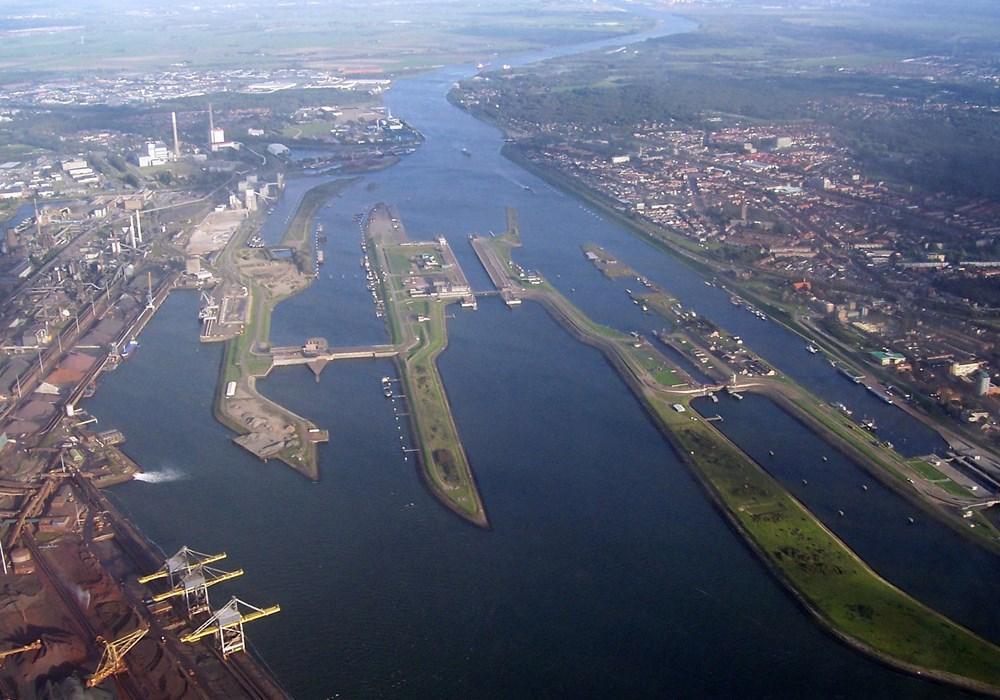
During the German invasion, the Dutch royal family stayed at Noordeinde Palace in The Hague. German troops had landed in the vicinity of The Hague. The attack was repelled, but not all of the troops were defeated.
The provinces of Brabant, Rotterdam, Gelderland, and Friesland saw most of the action. In a crashed German airplane, they discovered a plan to capture the Dutch cabinet and the Royal Family.
The Dutch supreme command did not know how long the army would be able to keep the Germans at bay, since the Germans were clearly in the majority.
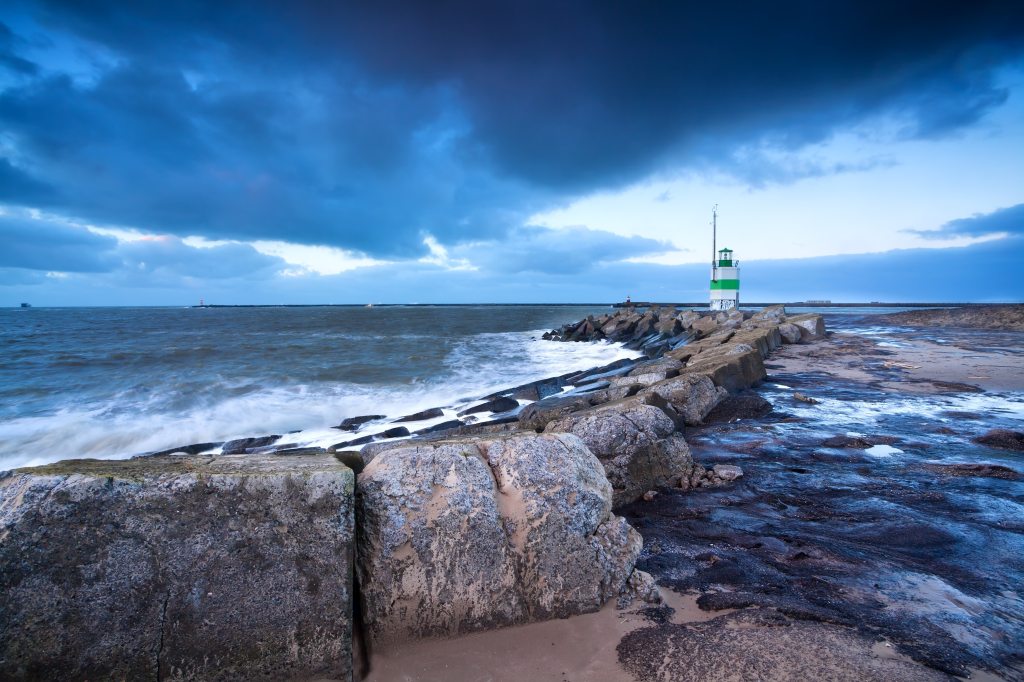
After two days, Queen Wilhelmina and Prince Bernhard decided that Bernhard would flee the country with his wife Princess Juliana and their two children because their safety could not be guaranteed. In IJmuiden, they boarded a torpedo-boat to Harwich (England).
A few hours later, Wilhelmina also left for Harwich. King George VI welcomed them. A few hours later, the Dutch government also escaped to England. General Winkelman was now the highest authority in the country.
When the news came the next day that the queen and her cabinet had fled the country, it came as a big blow to the Dutch people. Up until that point, the newspapers had mainly reported on the military successes of the Dutch.
The situation turned out to be more serious than people had expected. Some criticized the queen and called her a coward. During the occupation, however, the queen came to be an important symbol of the fight against Nazi Germany.
The Dutch government-in-exile, also known as the London Cabinet, was the government in exile of the Netherlands, supervised by Queen Wilhelmina, that fled to London after the German invasion of the country during World War II on 10 May 1940.
The government in exile had control over the Free Dutch Forces (*NSB).

Until 1940, the Netherlands was a neutral country that was generally on good terms with Germany. On 10 May 1940, Germany invaded the Netherlands. Queen Wilhelmina fled the country aboard the British destroyer HMS Hereward, arriving in London on 13 May.
The Dutch armed forces surrendered two days later as they had been unable to withstand the speed of Germany’s Blitzkrieg style attack. In London, the queen took charge of the Dutch government-in-exile, which was established at Stratton House in the Piccadilly area of London, opposite Green Park.
Initially, their hope was that France would regroup and liberate the country. Although there was such an attempt, it soon failed, and the Allied forces were surrounded and forced to evacuate at Dunkirk. The Dutch armed forces in the Netherlands except for those occupying Zeeland surrendered on 15 May 1940.
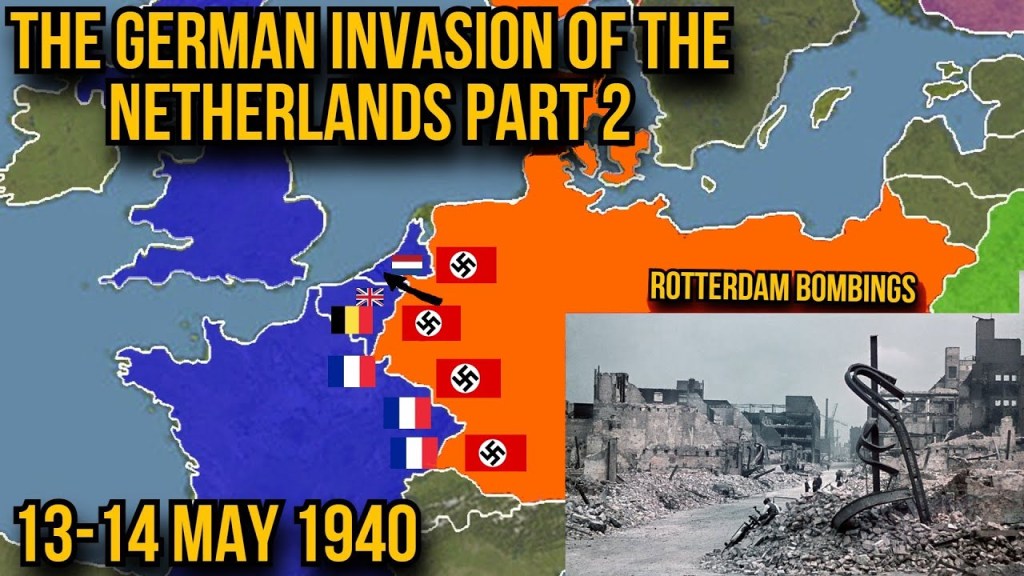
To safeguard the succession, the heir to the throne, Princess Juliana, along with her family, was sent farther away to Canada, where they spent the war. The government-in-exile was soon faced with a dilemma.
After France had been defeated, the Vichy French government came to power and proposed to Adolf Hitler a policy of collaboration. That led to a conflict between Prime Minister Dirk Jan de Geer and the Queen. De Geer wanted to return to the Netherlands and collaborate as well.
The government-in-exile was still in control of the Dutch East Indies with all its resources and was the third-largest oil producer in the world, after the United States and the Soviet Union.

Wilhelmina realized that if the Dutch collaborated with Germany, the Dutch East Indies would be surrendered to Japan, as French Indochina was surrendered later by orders of the Vichy government.
As the hope for liberation was now the entry of the Americans or the Soviet Union into the war, the Queen dismissed De Geer as prime minister. She replaced him with Pieter Sjoerds Gerbrandy, who worked with Churchill and Roosevelt on ways to smooth the path for an American entry.
Aruba and Curaçao, with world-class exporting oil refineries, were important suppliers of refined products to the Allies. Aruba became a British protectorate from 1940 to 1942 and a US protectorate from 1942 to 1945.

On 23 November 1941, under an agreement with the Dutch government-in-exile, the United States occupied Dutch Guyana to protect the bauxite mines. An oil boycott was imposed on Japan, which helped to spark the Pearl Harbor attack.
In September 1944, the Dutch, Belgian and the Luxembourgish governments in exile began formulating an agreement over the creation of a Benelux Customs Union. The agreement was signed in the London Customs Convention on 5 September 1944.
The Queen’s unusual action was later ratified by the States General of the Netherlands in 1946. Churchill called her the only man in the Dutch government. After World War II ended, Wilhelmina and her government returned from exile to re-establish a regime more capitalist than ever before.
ABC Flash Point News 2025.
 Crickey Amigu di Natura
When a King and Queen escape their country during wartime, they can never return to be King or Queen again. But obviously there are always exceptions when they form part of the scam or plot.
LikeLiked by 1 person
Who benefits is the question and the answer during those miscellaneous events.
LikeLiked by 1 person
Bilderberg fascists are not to be trusted at all.
LikeLiked by 1 person
Nep Staat der Nederlanden. NL bestaat officieel niet, omdat de Koningin tijdens de WW II gevlucht was, waarbij de NL’se staat officieel werd ontbonden, en dus nog steeds onderdeel is van Nazi Duitsland. Na terugkomst werden er geen verkiezingen gehouden,waarbij volgens artikel 120, de staat is komen te vervallen!
LikeLiked by 1 person