AstraZeneca shot linked to rare IMMUNE DISORDER
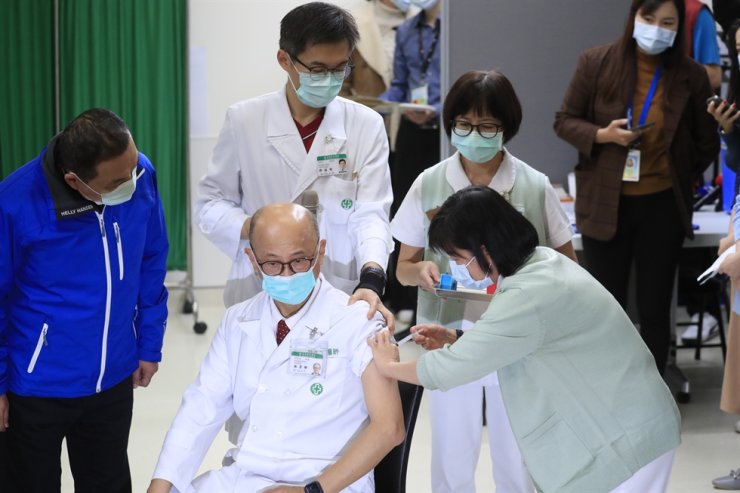
The European Medicines Agency (EMA) is investigating reports of AstraZeneca’s Covid-19 vaccine causing Guillain-Barre syndrome, as the pharmaceutical company remains embroiled in controversy over the jab’s link to blood clotting.
In a meeting this week, the European Medicines Agency’s Pharmacovigilance Risk Assessment Committee (PRAC) revealed that it was “assessing reports” of the rare immune system disorder being found in people following vaccination.
/cloudfront-us-east-2.images.arcpublishing.com/reuters/PNDKRBGUGBP4VLA2X4NKK6WAIQ.jpg?resize=696%2C476&ssl=1)

According to the British National Health Service (NHS), Guillain-Barre syndrome is a very rare and serious condition that affects the nerves, and can create feelings of numbness, weakness, and pain in those who have it.
Though the NHS advises that Guillain-Barre syndrome is a treatable condition and that most people will eventually make a full recovery, it can also be life-threatening and leave those who have had it with long-term problems.

Following hundreds of cases of blood clotting – and dozens of deaths – AstraZeneca’s Covid-19 vaccine has already been restricted in many countries to older people only.
In the UK, those under the age of 40 are set to be offered an alternative vaccine provided this causes no “delays” in the vaccination program, however the European Medicines Agency maintains that the vaccine’s benefits outweigh the risk for much of the population.
RT. com / ABC Flash Point News 2021.
Global Migrant Slaves sent $529 billion Home to their Impoverished Families

The volume of money sent by foreign workers to their home countries reached a record-breaking $529 billion last year, and is set to become the main source of external financing for those states in 2019.
The amount represents an upsurge of 9.6% against the previous record of $483 billion fixed in 2017.

Money transfers to poor and developing countries accounts for 77% of global remittances that reportedly reached $689 billion in 2018, up from $633 billion in 2017, according to the latest migration and development brief released by the World Bank earlier this week.
India retained the position of the world’s top recipient of the transfers with its nationals sending home an estimated $79 billion last year. The country saw a significant boost in remittances over the last three years, from $62.7 billion in 2016 to $65.3 billion 2017.

India was followed by China ($67 billion), Mexico ($36 billion), the Philippines ($34 billion), and Egypt ($29 billion).
This year, cash transactions by migrants are expected to reach $550 billion, turning into a major channel of external inflows for low-income and middle-income countries.
The total amount of money transfers to South Asia grew 12% to $131 billion in 2018, marking a 12% year-on-year growth.

Transactions to the East Asia and Pacific region increased by around 7% to $143 billion, while Europe and Central Asia saw a significant boost of an estimated 11% to $59 billion.
According to the global lender, Kyrgyzstan, Tajikistan, and Uzbekistan benefited from the sustained rebound of economic activity in Russia.”

Remittance flows into Latin America and the Caribbean rose by 10% to $88 billion, while cash transactions to the Middle East and North Africa grew 9% to $62 billion.
Remittances to South Asia increased by 12% to $131 billion, while Sub-Saharan Africa saw almost 10% growth to $46 billion.
Excluding China, remittances to low and middle-income countries ($462 billion) were significantly larger than foreign direct investment flows in 2018 ($344 billion), the World Bank concludes.
RT. com / ABC Flash Point News 2019.
Europe sounds Alarm on Water Crisis ahead of another Extreme Summer

European lawmakers issued a stark warning about the region’s growing water crisis ahead of another extreme summer, saying there is a pressing need to tackle issues such as scarcity, food security and pollution.
The Water Crisis in Europe, forced parliament lawmakers to call for increased action to preserve and improve water resources, already affected by several years of depleting groundwater levels as the climate crisis continues to intensify.
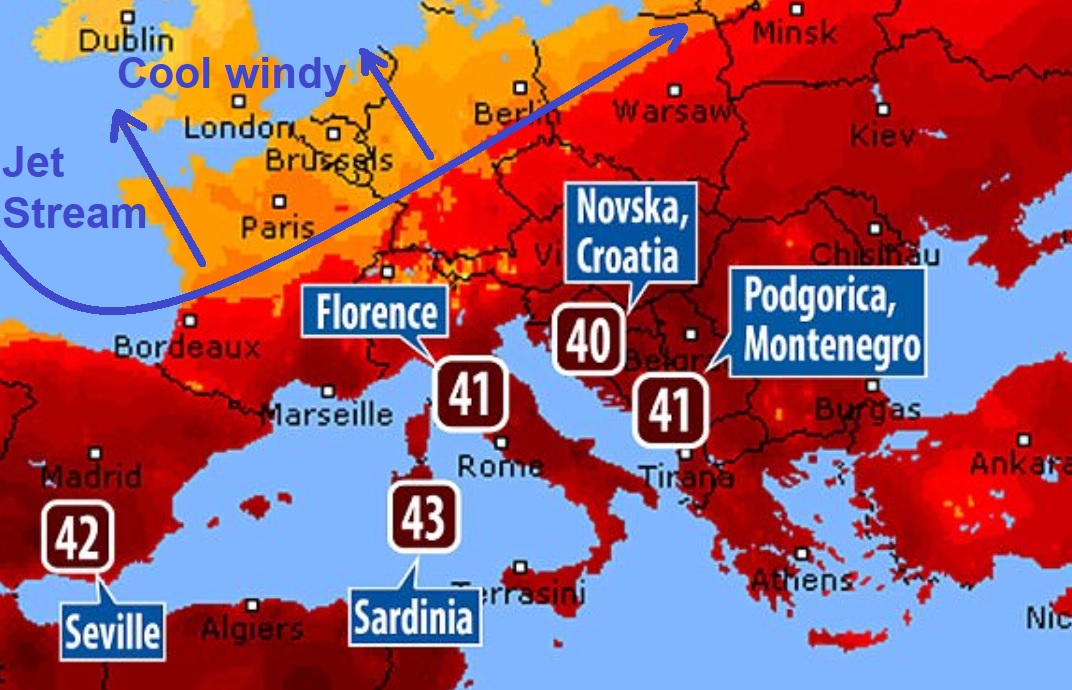
Record-breaking temperatures through spring and a historic winter heatwave have taken a visible toll on the region’s rivers and ski slopes, while protests have broken out over water shortages in both France and Spain.

Copernicus satellite imagery acts as a sad confirmation that many parts of the union face intense difficulty, EU Commissioner for Energy Kadri Simson said during her opening remarks.
Some regions are suffering from water scarcity due to the droughts, while others are suffering from floods. Most are suffering from the consequences of water pollution but none of this is new.

The European Union’s environment agency, in a report published Wednesday, described the overall outlook as pessimistic.
It added that while the 27 EU states and European Economic Area members had national adaption policies in place, all of them could do much more to limit the negative effects of extreme weather this summer.
Some of the suggested measures included cities increasing the number of trees and water spaces — which can lower temperatures and reduce the risk of flooding — and farmers adapting crop varieties and changing sowing dates.
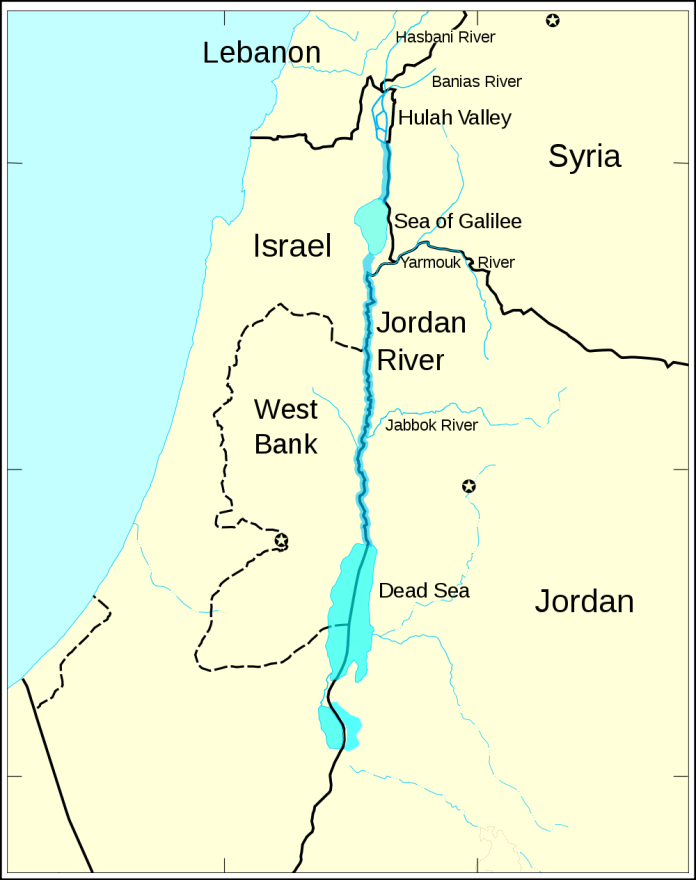

For now, Europe is being affected by drought, rivers are drying up, and agriculture is under pressure, nature is suffering. This is a war. A war for water, just like in Israel that confiscated the Golan Heights and West Bank for total control of the Jordan River and Sea of Galilee.
We must do everything in our power to try and put a stop to the fallout of climate change and indeed to counter it. But it is key, too, for us to understand how to manage the global drinking water.
Satellite data analyzed by researchers from Austria’s University of Graz at the start of the year found that drought was impacting Europe on a much larger scale than researchers had previously expected.

The study was published after EU researchers found that Europe experienced its hottest summer ever last year, with the intense drought thought to be the worst the region had seen in at least 500 years.
Summer after summer, Europe is suffering from a scarcity of water — and it just seems to get worse. This summer may be the worst of all. Spanish water resources were currently at less than 50% of their capacity.

The combination of a lack of rain and extreme temperatures is endangering our food security and the economic survival of millions of farmers.
Farming was one of the sectors likely to be hardest hit by diminishing water resources, making it more difficult to produce food. Our food security depends on the way we manage our water resources!
CNBC / ABC Flash Point Agricultural Weather News 2023.
The Antichrist will control Mankind through Smart-Phones

The head of the Russian Orthodox Church has warned that mankind’s dependency on smart phones will ‘result in the coming of the Antichrist’.
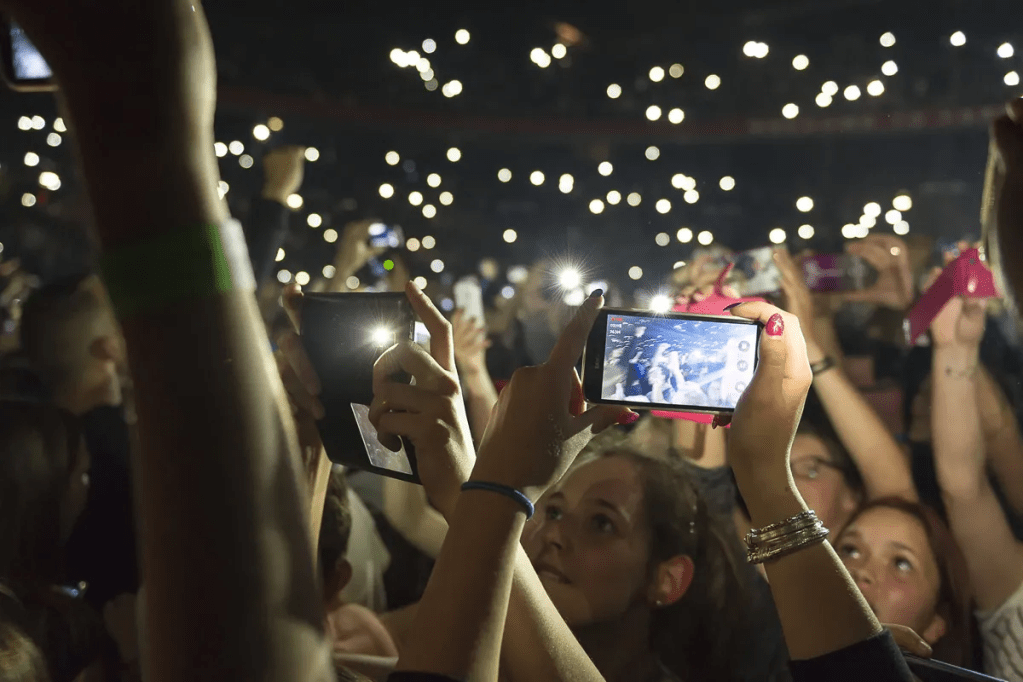
The Antichrist is a personality that will be at the head of the world wide web controlling the entire human race. What Christians and Muslims reveal as 666, the Jews see him as the Messiah.

Patriarch Kirill, 72, told Russian state media the Antichrist will control the ‘entire human race’ through gadgets, smart phones and the Internet.
This is not the first time Patriarch Kirill, whose real name is Vladimir Mikhailovich Gundyayev, has made interesting statements on the causes of evil in the world.

In January 2016, the septuagenarian suggested the rise of ISIS is partly the result of the world accepting homosexuality.
He claimed Muslims may be fleeing to join the terror group in Syria and Iraq to avoid being part of a civilization that holds events like Gay Pride Parades.
That same year, the Patriarch, who became the leader of the Russian Orthodox Church in 2009, compared silencing priests that speak against same-sex marriage to censorship in Nazi Germany.
Daily Mail UK / ABC Flash Point News 2019.
Chemicals in Tap Water causing Cancer Deaths across Europe

Each year, more than 6,500 cases of bladder cancer, roughly 5% of all cases in Europe, are found to be attributable to exposure to trihalomethanes (THMs) in drinking water – and it’s all perfectly legal.
For a study of countries’ water quality, the EU28 became the EU26, as adequate data for Bulgaria and Romania could not be obtained. Nevertheless, the project covered 75% of the total EU population, and a reading of its findings is ominous.

THM’s are a class of molecule that appear as a by-product of the disinfectants used to clean drinking water. When chlorine, the main chemical used to clean drinking water, comes into contact with organic matter, it breaks down into THM’s.
And despite being legal up to certain levels, long-term exposure to them has been consistently associated with an increased risk of bladder cancer.

The EU has set that legal limit at 100 lg=L, but anything over 50 lg=L causes a 51 percent increase in the probability of bladder cancer, in men at least.
This study was undertaken at the Barcelona Institute for Global Health, in a city which has THM levels above the present regulatory maximum limit of 100 lg=L. Astonishingly, there is no provision for the lowering of this maximum in the latest European Council directive.
RT. com / ABC Flash Point Health News 2021.
Caribbean Greatest Shapeshifters
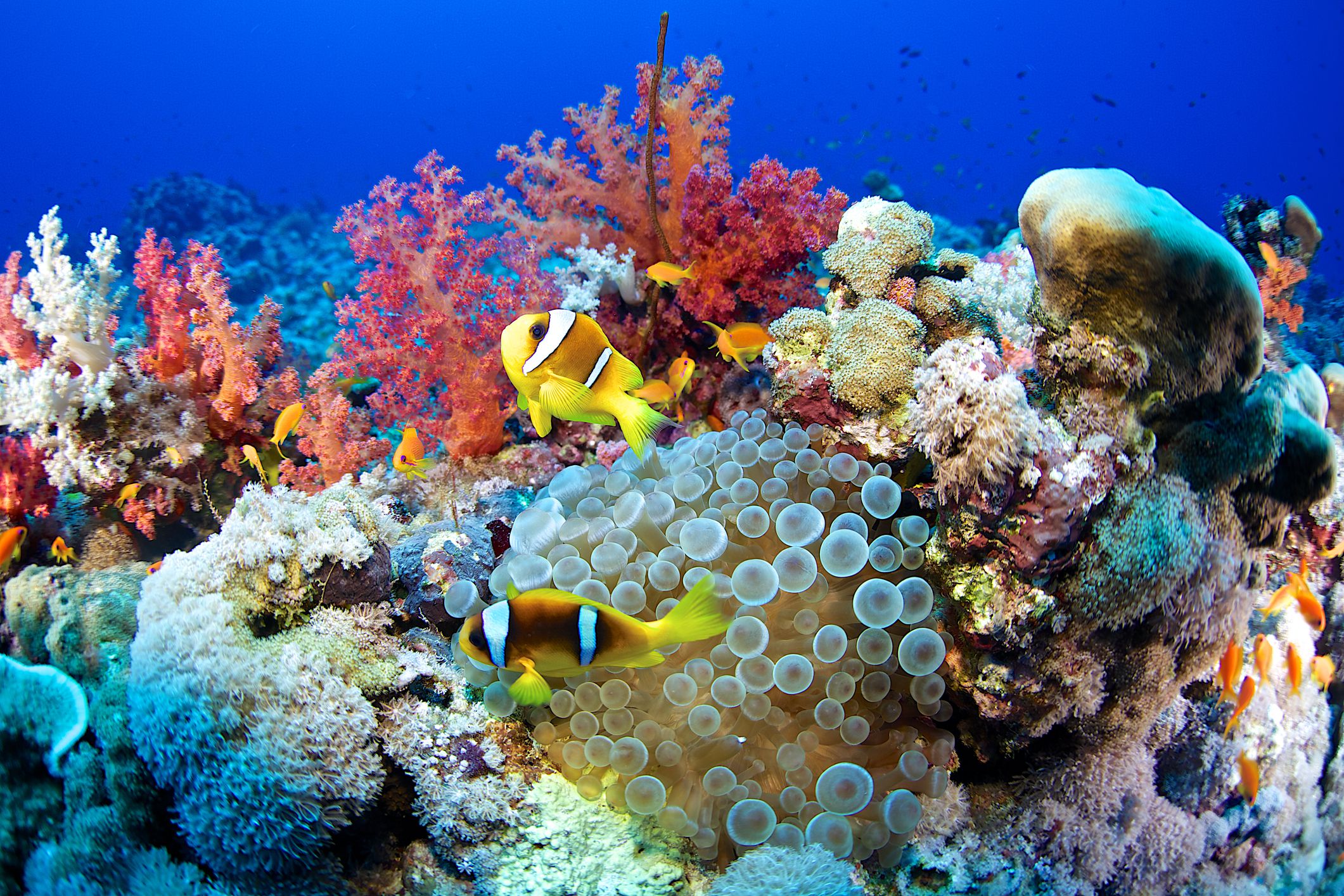
Shapeshifting is regarded as one of the greatest superpowers in the DC Comics Universe. Many of the publishing company’s most well-known heroes and villains either possess this power and have used it to infiltrate organizations as spies or as organic weapons.
Many shapeshifters combine skills of espionage, intelligence gathering, and professional acting to achieve their goals, proving themselves to be valuable assets.
Although numerous shapeshifters share similar powers and abilities, a special group stands out for their proficiency and creativity, establishing themselves as the greatest of all time.

However, deep within the lush central highlands of Puerto Rico lies a hidden history that goes far beyond the legend of the Chupacabra, a mythical, bloodsucking devil dog that has been long blamed for the killing of livestock and pets.
This remote region is a prime hunting ground for cryptozoologists—people who search for mythical creatures—but for travelers looking for a more tangible adventure, a journey through these mountains reveals an often overlooked experience: the Taína Route.
From ancient petroglyphs secreted away in caves by the sea to sacred ceremonial centers in the mountains, this 40-mile-long trail explores the culture of the island’s Indigenous Taíno community, using Highway 10 to cut a path from Arecibo on the north shore to Ponce on the southern coast.

The Taíno people descended from migrating Arawak-speaking communities in South America. While once believed to have been wiped out after the Spanish conquest, the Taíno continue to endure across the Caribbean’s Antilles islands, Colombia, and Venezuela.
The Taíno peoples’ legacy is woven into the fabric of Puerto Rico’s identity, from pasteles, meat and vegetable-filled yuca, to traditional hammock-weaving using maguey plants.
Even the moniker used to self-identify as Puerto Rican, Boricua, comes from the Taíno word Borinquen.

Christina Gonzalez, a researcher with the Smithsonian Institution’s Caribbean Indigenous Legacies Project, writes that understanding the Taíno way of respecting the living world is not just about the past or specific sacred spaces, but also the survival of the planet.
Whatever becomes of Taíno resurgence moving forward, its survived and rekindled spiritual expressions point to a desired and needed world where the future is ancestral, the future is ancient, the future is Atabey, one of two supreme ancestral spirits in the Taíno religion.
Since 2016, a collaboration between archaeologists, the Institute of Puerto Rican Culture, and local conservationists has been trying to promote this legacy through the heritage trail.

As Taíno groups call for more inclusion in how their narrative is told, there are emerging opportunities for travelers to immerse themselves in Taíno culture.
Whether you rent a car and go at your own pace or join a tour, here’s where you can connect with the customs that helped shape this complex island—and where to keep an eye out for Chupacabras along the way.
Some of the highest concentrations of petroglyphs on the island reside on the Taína Route, starting from the sea cave Cueva del Indio near northern Arecibo, a 45-minute drive from San Juan, to a ceremonial site on the southern coast near Ponce.
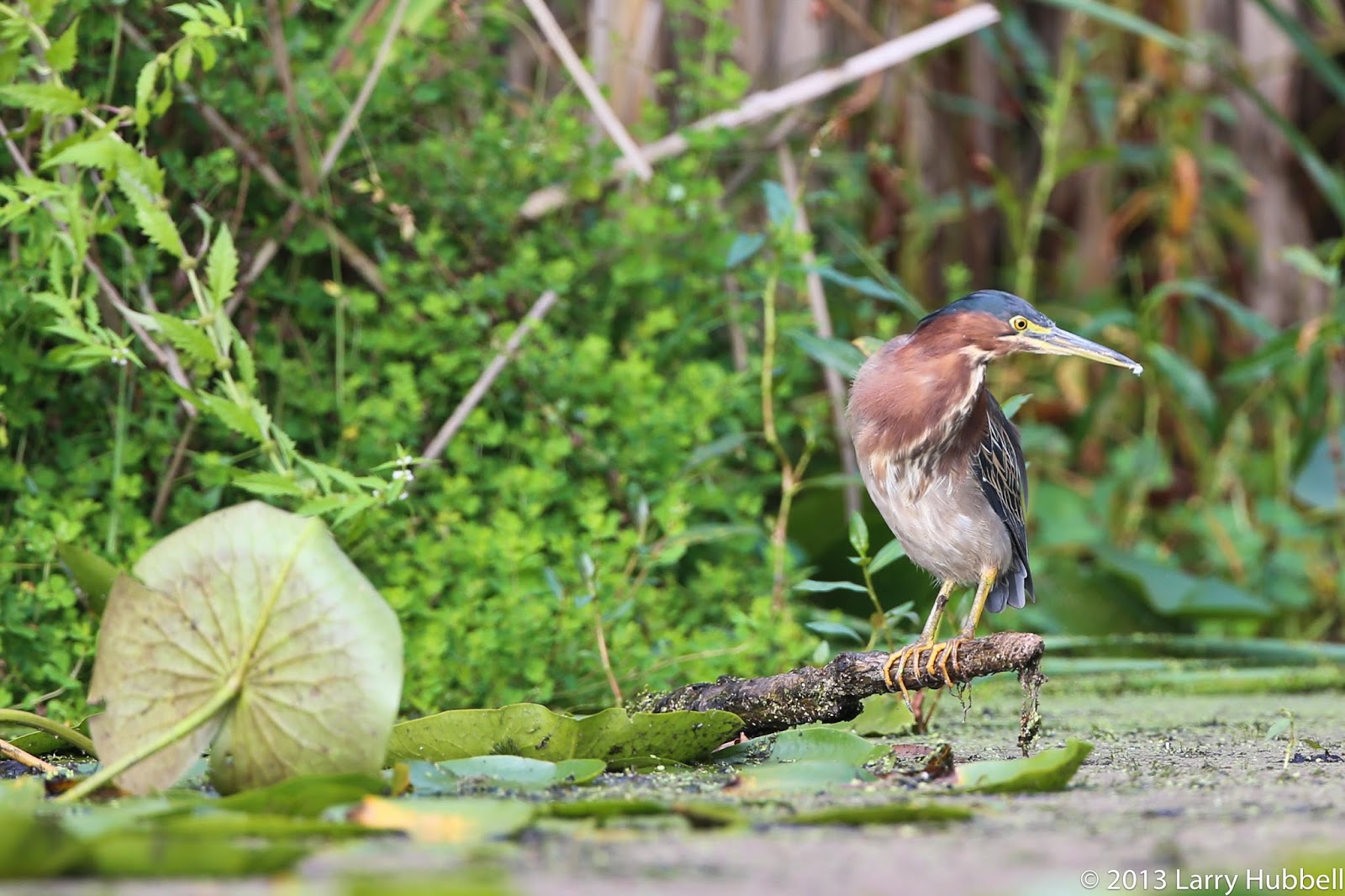
More than intriguing symbols, these seventh to 15th-century etchings of faces, animals, and divine figures give insight into the mostly oral Taíno history.
While the coastal sites along the route endpoints are worth visiting, the verdant middle section captures the essence of the community’s spiritual traditions.
In a mountain clearing just west of the trail’s central city of Utuado, multiple courtyards are lined by petroglyph-etched granite stones, some at least waist-high, in the Caguana Ceremonial Indigenous Heritage Center.
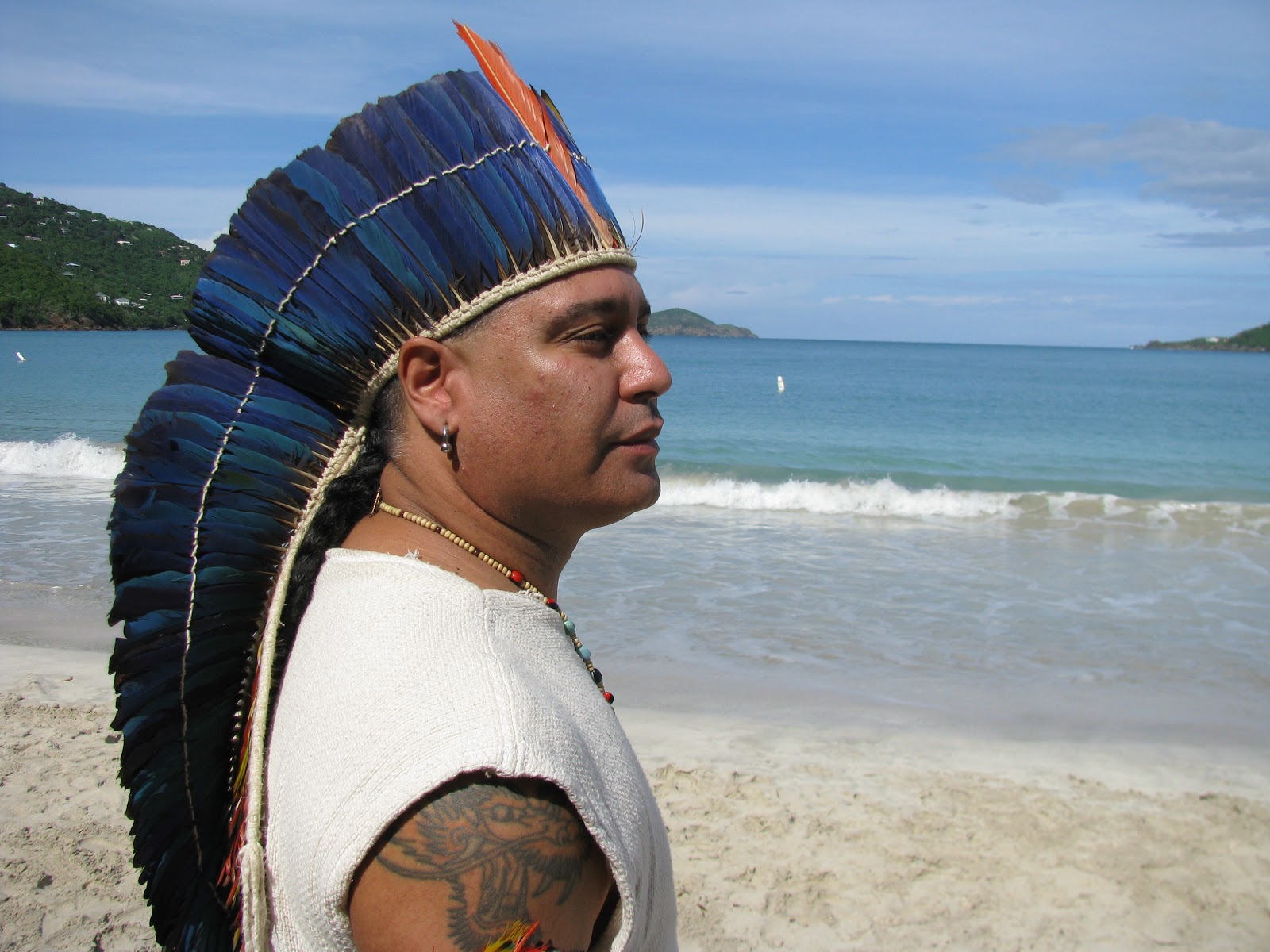
These plazas, called bateyes, are considered sacred venues for ritual dances, devotional practices, and ceremonial ball games.
Taíno literally means good people, says Roberto Múkaro Agüeibaná Borrero, president of the United Confederation of Taíno People (UCTP). The way you interact and the ceremonies the community participated in is what made them Taíno.
The petroglyphs at Caguana are also some of the most vivid across the Antilles islands. They are impressive, hinting at a very old and complex mythological tradition.

The most famous is the crouching figure of Atabey, described as the mother of creation and the consciousness of the earth. Her prominent figure is a crucial reminder that everything is alive and connected for the Taíno.
To the east is the region of Jayuya, named after the Taíno chief Hayuya and known as the Indigenous capital of the island. Here Tres Picachos, the three-peaked mountain revered by the Taíno, looms over one of the route’s most popular spots.
A well-marked walk takes travelers to a 13-foot-tall boulder covered in petroglyphs called La Piedra Escrita, or the Written Stone. It’s not just the size of this artifact or the vast number of petroglyphs near its top that draws crowds.

The Written Stone sits in the Saliente River, creating a natural swimming pool that helps visitors to understand the Taíno’s respect for an interconnected world.
Just down the road is the Museo el Cemí. The design of this three-pointed museum matches the artifacts it displays–the cemí. Typically carved from stone, these spiritual figurines represent and embody ancestral guardian spirits.
Like the sacred three mountain peaks, most cemís also have three points representing creation and the overlapping spirit realms of the living and dead.

The route ends at Ponce, near the region of Indios where a large population of Taíno lives today. Rivaling Caguana in size, excavation continues at the Tibes Indigenous Ceremonial Center.
So far archaeologists have discovered pre-Taíno and Taíno artifacts dating from A.D. 25, which can be explored at the on-site museum.
Vampiric creatures and ghouls have haunted the “Island of Enchantment” long before Puerto Rico was center stage for an international Chupacabra hunt in 1995. The Taíno believed in hupia, or the spirits of the dead.

These shapeshifters could take the form of owls, bats, and humans that would emerge at night with sometimes sinister motivations.
The most famed hupia, an urban legend popularized in the 1990 novel Jurassic Park, was a snarling vampire beast who kidnapped small children after sunset. In 1975 near Moca, Puerto Rico, a bloodsucking, bat-like humanoid reportedly killed livestock.
A new vampire cryptid called the Gargoyle emerged in 2018 near Barceloneta. This two-legged, winged predator smelled of sulfur like its predecessor, the Chupacabra.

Whether people believe in the beasts or not, the legend of the Chupacabra took root in these hills, adding to the history of lands that still ring of folkloric magic.

According to Melina Aguilar, a history tour guide with Isla Caribe, the existence of Puerto Rican historical sites older than 500 years is startling for most visitors–and many Puerto Ricans.
It’s not just that people are surprised by what they see when they get here, it’s that it’s even here to be seen in the first place, she says. And there’s more underground.

Unexcavated sites and further restoration need more funding, but the devastating effects of Hurricanes Maria in 2017 and Fiona in 2022 hamper growing infrastructure.
The already isolated regions along the trail are some of the last to have utilities restored and damage cleared. But growth is possible, particularly as Taíno activists seek co-management to bring ancestral knowledge to the sites.
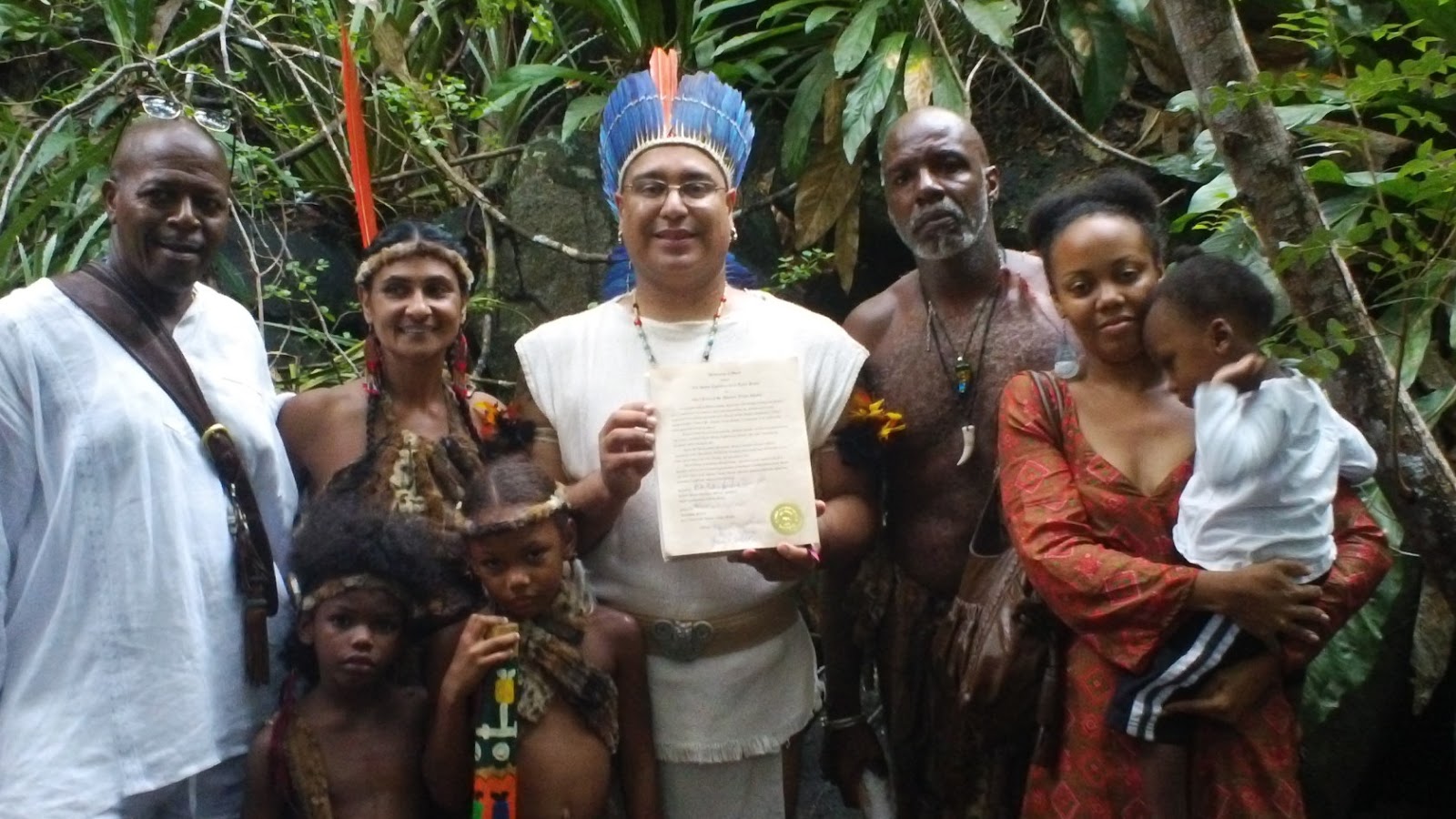
Why is it that people who do not have a connection to our heritage are able to tell us who we are and how to present our heritage? We feel as Taíno people that we have obligations and responsibilities to the land and to our ancestors.
UCTP and other organizations are working on creating a centralized community center run by Taíno people and a directory of Taíno businesses.
He invites visitors interested in connecting with locals for tours, oral histories, and cultural insights to reach out to the UCTP.
National Geographic / ABC Flash Point Caribbean Conservation News 2022.
Scientists discover Fast Super Highway through the Solar System

Humanity could be making its way through the Solar System much faster thanks to the discovery of a new superhighway network among space manifolds. Scientists find routes using arches of chaos that can lead to much faster space travel.
Don’t get your engines roaring along this “celestial autobahn” just yet, but the researchers believe the new pathways can eventually be used by spacecraft to get to the outer reaches of our Solar System with relative haste.

The celestial highway could get comets and asteroids from Jupiter to Neptune in less than a decade. Compare that to hundreds of thousands or even millions of years it might ordinarily take for space objects to traverse the Solar System.
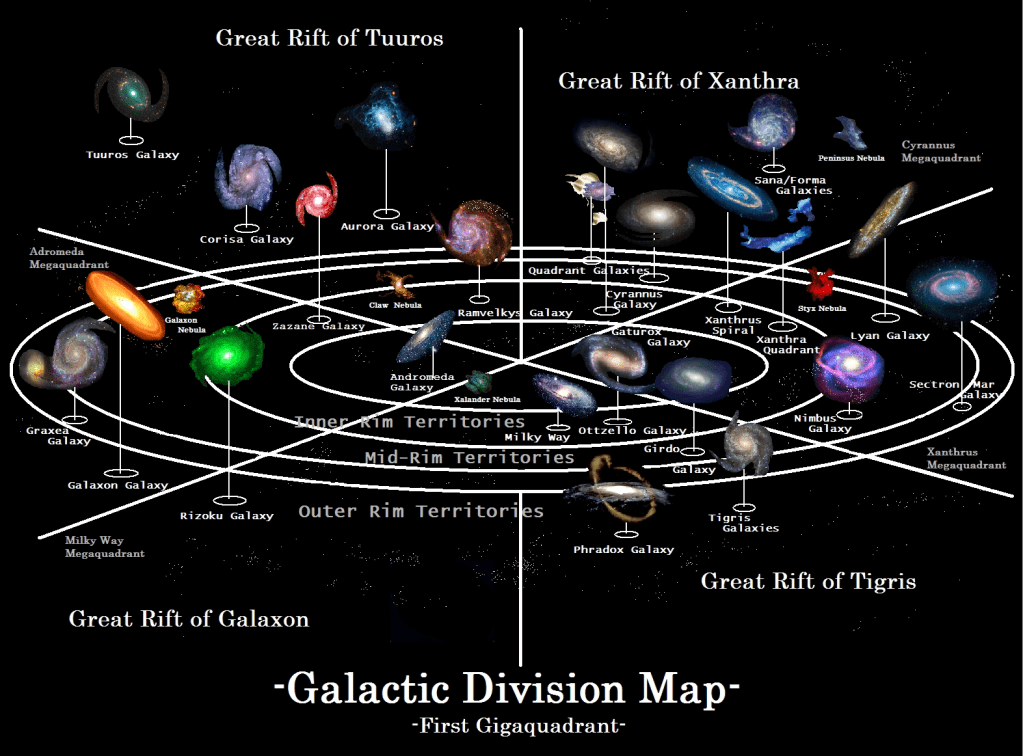
In a century of travel along the new routes, a 100 astronomical units could be covered, project the scientists. For reference, an astronomical unit is the average distance from the Earth to the Sun or about 93 million miles.
The international research team included Nataša Todorović, Di Wu, and Aaron Rosengren from the Belgrade Astronomical Observatory in Serbia, the University of Arizona, and UC San Diego.

Their new paper proposes a dynamic route, going along connected series of arches within so-called space manifolds. These structures, coming into existence from gravitational effects between the Sun and the planets, stretch from the asteroid belt to past Uranus.
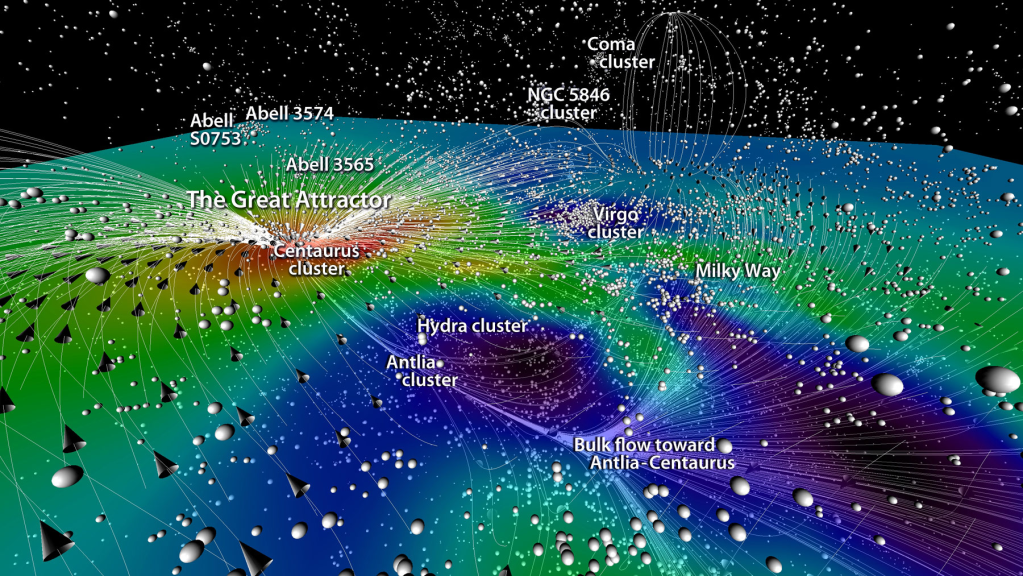
The most pronounced of these structures are linked to Jupiter by its strong gravitational pull, explained UC San Diego’s press release.
They influence the comets around the gas giant as well as smaller space objects called “centaurs,” with are like asteroids in size but exhibit the composition of comets.

Space manifolds act as the boundaries of dynamical channels enabling fast transportation into the inner- and outermost reaches of the Solar System, write the researchers.
Besides being an important element in spacecraft navigation and mission design, these manifolds can also explain the apparent erratic nature of comets and their eventual demise.
The researchers discovered the structures by analyzing collected numerical data on the millions of orbits in the Solar System. The scientists figured out how these orbits were contained within known space manifolds.

To detect the presences and structure of the space manifolds, the team employed the fast Lyapunov indicator (FLI), used to detect chaos.
The scientists ran simulations to compute how the trajectories of particles approaching different planets like Jupiter, Uranus and Neptune would be affected by possible collisions and the manifolds.

While the results are encouraging, the next step is to figure out how these arches can be used by spacecraft for much speedier travel.
It’s also not clear how similar manifolds work near Earth. Also unclear is how they impact our planet’s run-ins with asteroids and meteorites or any of the man-made objects floating up in space near us.
ABC Flash Point Space News 2021.
Accessing the arches of chaos in the solar system for fast transport ›
California prepares for 4th Year of Drought
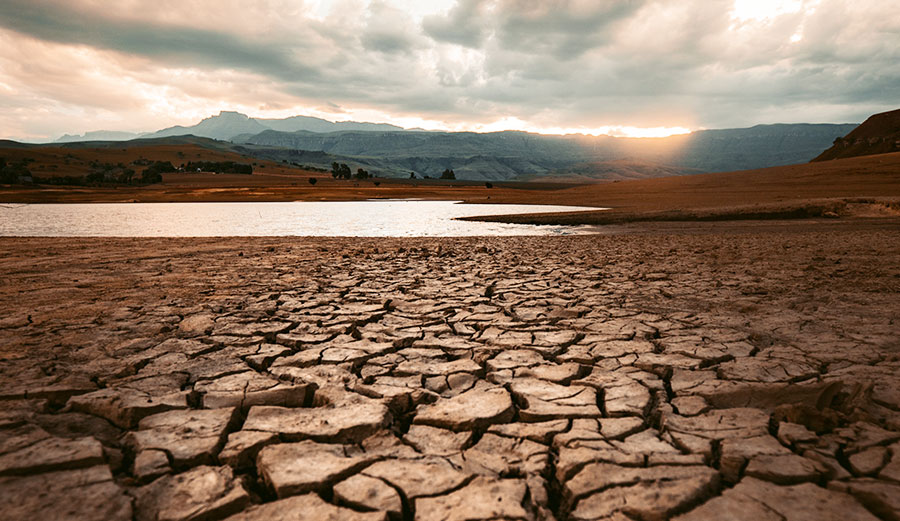
US federal water managers on Monday urged California cities and industrial users to prepare for a fourth dry year and the possibility of severe conservation measures.
The Bureau of Reclamation is asking its contractors receiving Central Valley Project water for municipal and industrial use to begin planning for potentially extremely limited water supply conditions in 2023.
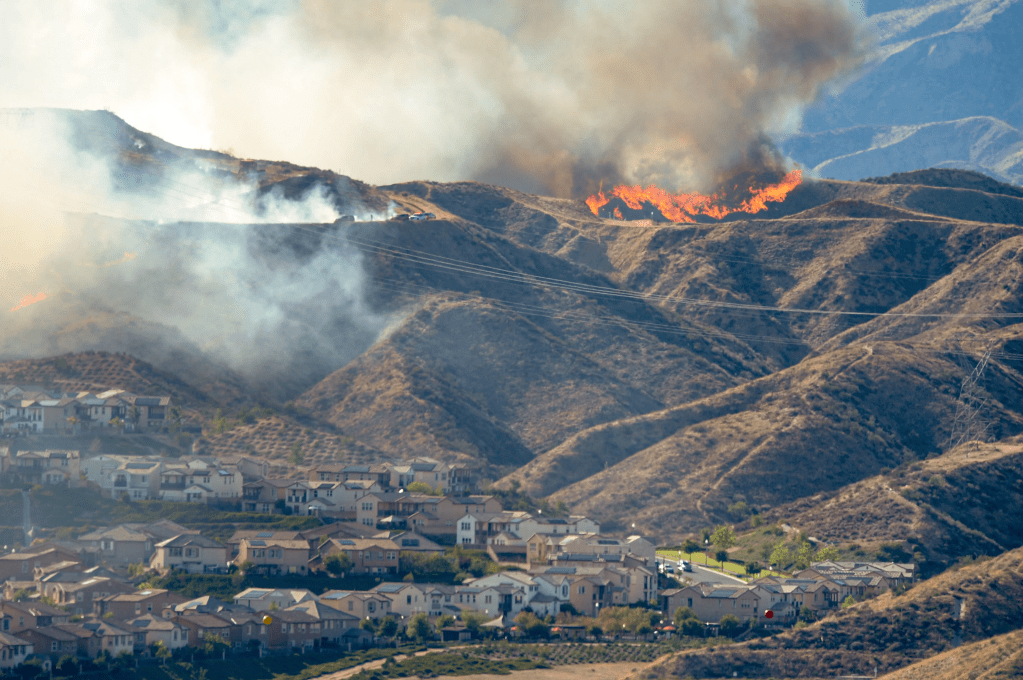
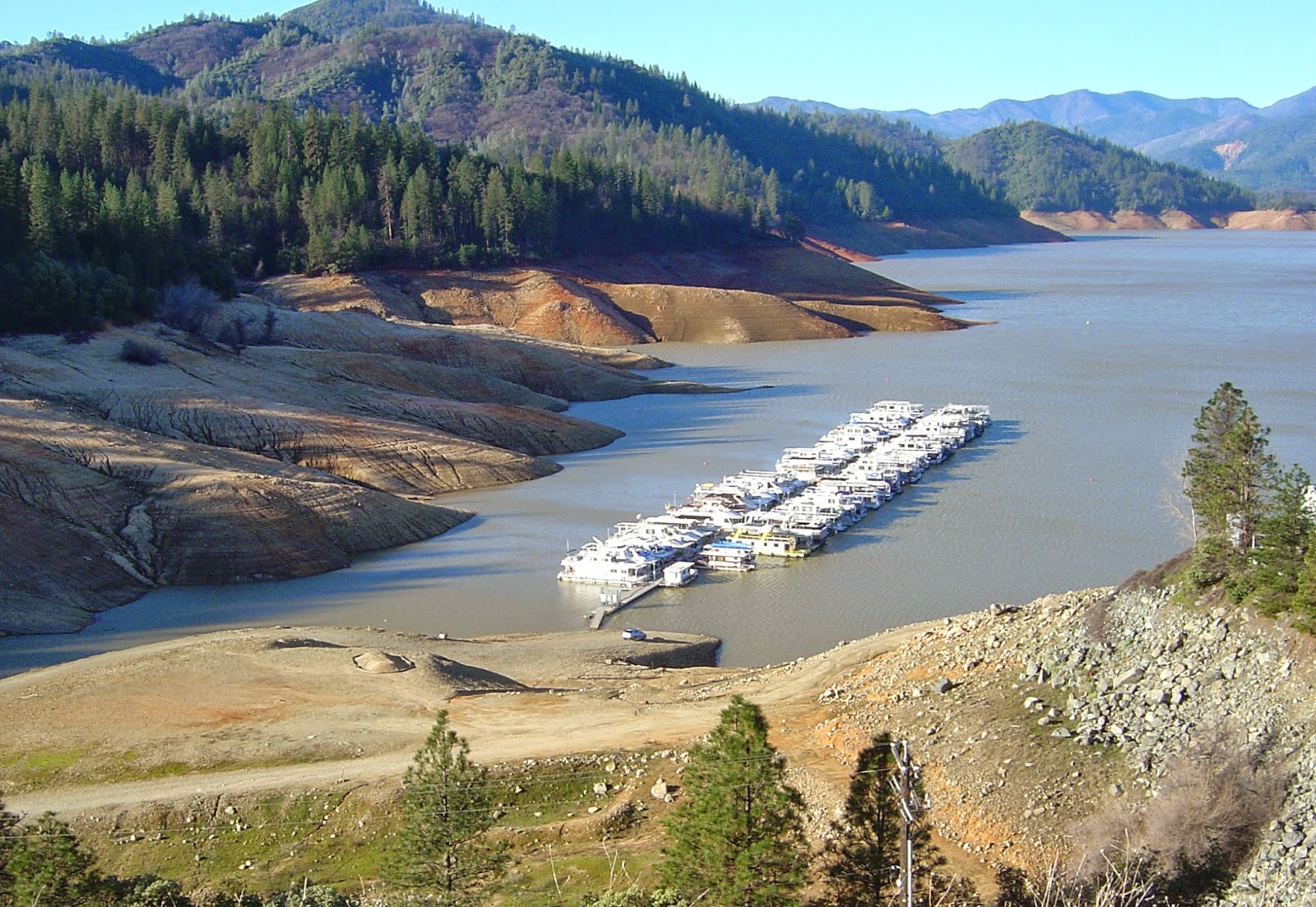
The bureau said that water storage is currently at historic lows in the reservoirs that it operates in the state of California.
The 2023 water year began on October 1st, and the Shasta Reservoir, which is California’s largest, is sitting at 31% capacity.
Water storage conditions will continue to be monitored, and the Reclamation Bureau will announce initial water supply allocations in February 2023.
Sputnik / ABC Flash Point News 2022.
Shape-Shifting Voyagers from Space

In mythology, folklore and speculative fiction, shape-shifting is the ability to physically transform through an inherently superhuman ability, divine intervention, demonic manipulation, sorcery, spells or having inherited the ability.
The idea of shape-shifting is in the oldest forms of totemism and shamanism, as well as the oldest existent literature and epic poems such as the Epic of Gilgamesh and the Iliad.

The concept remains a common trope in modern fantasy, children’s literature and popular culture. So, shape-shifting is the perceived ability to transform from one being or thing into another, whether physically or mentally.
When the term shape-shifter comes to mind, many of us will think of the classical Lycanthrope, who changes from man to wolf under the light of a full moon.
While, that is indeed true, we will not cover that here, due to the large list of shape-shifters that are out there. Instead, this page will focus on specific examples of shape-shifters from across the globe.

Spirits – Many gods or goddess are known for their shape-shifting abilities, and even demons from time to time are known to change form. However, there are also lesser spirits that can change shape. Such as the elemental spirits like the faeries, djinns, and yokai.
- Encantado – A river spirit, which name means “enchanted”, that can assume the form of a river dolphin (boto) and that of a human. These spirits are known for their musical talents, charm, curiosity, and love for parties. Encantados are also known for abducting humans, particularly those that they are fond of.
- Puca – Also known as Pooka, is an Irish shape-shifting goblin that can take the form of many animals and occasionally a human. The puca commonly appears as a horse, a goat, a giant bunny, a dog, a bull, and sometimes as humans. No matter what the form though, the puca is always dark black with glowing golden or red eyes. The puca if respected was a kind and helpful creature, but also mischievous.
- Leshy – A Slavic forest spirit that takes care of the forest and causes mischief with humans. It is said that the Leshy can imitate voices, lure people away, leave people astray, and making people sick. This spirit is also capable of changing it’s size and can assume the form of any animal, such as a wolf, bear, hare, horse, birds, or even things like a flaming fir tree and a talking mushroom.
- Selkies – Seal shapeshifters from the Orkeney and Shetland folklore. The beings are regarded as gentle and kindly creatures. Many stories tell of selkies coming to land and shedding their seal skin. If any person manages to steal the selkies skin then the selkie could no longer return to the sea and would be forced to marry that person. In many cases though the selkie would eventually find her skin and return to sea.
- Kitsune – As well as their Korean (Kumiho) and Chinese (Huli Jing) counterparts, are shapeshifting fox spirits from Japanese mythologies. Depending on the foxes age, wisdom, or power, they can have up to nine tails. It is said at a certain age the kitsune will gain the ability to take on human form. They can take on either male or female form, but most stories depict them as beautiful women, or older men. Kitsunes are also known for duplicating others. Kitsunes also have a range of powers from possession and invisibility to illusions and “fox-fire”.
- Tanuki – A raccoon dog with the ability to shapeshift, known for it’s love of sake and it’s overly large testicles. However, like the kitsune, the tanuki has incredible shapeshifting ability. The tanuki can take the shape of anything, including inanimate objects.
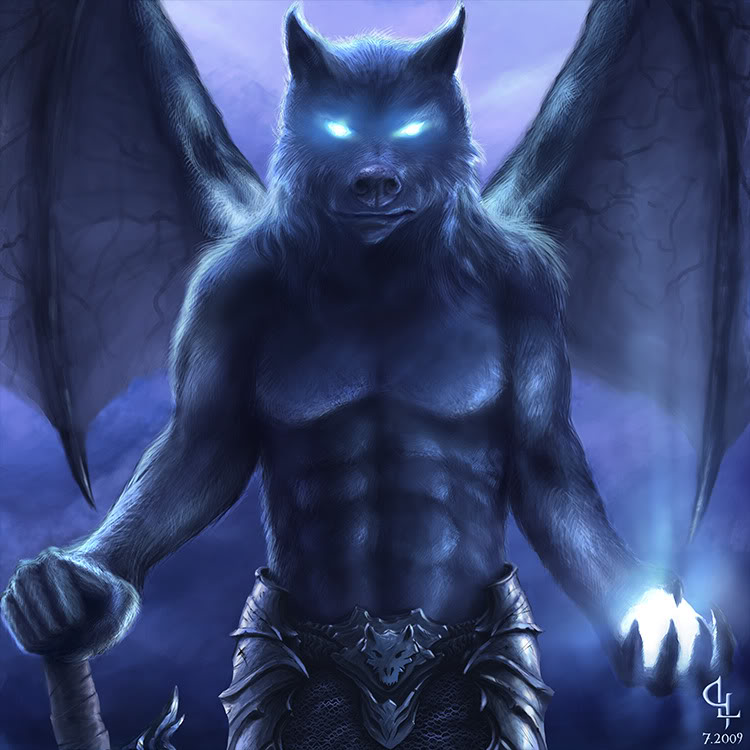
Vampires :
European – The classical bloodsucking un-dead creature that we all know and love. At some point of it’s existence it was known for it shape-shifting ability, particularly that of a bat.
They were also known to take the forms of wolves, and even turn into mist or clouds of dust. They could change their size, and control animals like owls, wolves, rats, foxes, bats, and moths.

Aswang – A fearsome vampire creature from the Philippines, the Aswang was described as a flying upper torso of a woman with bloodshot eyes. They are said to take the form of human women during the day, and have jobs relating to meats (ie. butcher).
At night, they can assume their monstrous form or that of pigs, dogs, cats, and birds, and go out to feast on human remains. Other simular creatures are the manananggals, amalanhig, the Ekek or Wakwak, and sigbin.

Others :
- Beserkers – Ancient norse warriors who donned animal skin and fought with the fury equivalent to that of a beast. While they are not known to physical change shape, many report that they have the mentality of an animal.
- Skinwalkers – Evil shamans from Navajo lore, that can assume the shape of any animal by donning its skin.
- Reptilians – According to modern accounts, some people believe that there is an alien race of intelligent bipedal reptilian creatures take on the human form. There are many conspiracies on whether or not some of these beings hold power within our civilization.
Weebky / ABC Flash Point News 2020.
6G will be 8,000 times Faster than 5G with Speeds up to 1TB per second

5G is not for us. It is for the machines. With 6G everything will be automated and the useless eaters will be slaughtered and the rest will be so enslaved. That they will not be able to know whether they are coming or going. They will be like the machines.
We are yet to get 5G but China has already taken a step forward and is looking at 6G. The Chinese Ministry of Science and Technology has reportedly launched preparatory work for the development of the future network.

Reports have it that the foundations for 6G have already been laid and according to some experts, 6G speeds could reach 1 terabyte (TB) per second – that’s 8,000 times faster than 5G.
China has reportedly set up two working groups to oversee research around 6G, one of which is made up of executives from the sector ministries.
This group is responsible for supporting the second group that is made up of 37 experts from universities, research institutes and technology companies.

In theory, at least, 6G networks could offer speeds of 1TB/ second or 1,000 gigabytes or 8,000 gigabits per second. Speeds like these would facilitate new types of uses and revolutionize technology.
According to a professor from the University of Sydney, Dr Mahyar Shirvanimoghaddam, the 6G era could, for example, offer new perspectives in terms of brain-computer interfaces and make it possible to use devices via our brain.
In terms of regular use, here’s an example you will be able to understand better. Broadcasting Netflix in the highest definition requires 56 gigabits of data per hour. With 6G you will be able to download over 142 hours of high-quality content every second.

However, let’s not get excited already. Researchers still have to remove significant obstacles to achieve 6G.
According to Shirvanimoghaddam, these 6G speeds would need significant improvements in materials science, computer architecture, chip design and energy use.

We must think about sustainable ways to supply all these devices without the risk of burning the Earth. However, this new speedy system can only work through satellite connections and cyber communications.

5G is still in its infancy and work on 6G has already begun – while this seems far too early, it would be good to remember that it took about 10 years to develop a new generation network.
The first steps of 6G are in plans for 2030, so starting now makes sense. And China is not the only country prepping for 6G, Japan is in the race too.
Hindustan Times / ABC Flash Point News 2020.
Cracking the Code of Suleiman the Magnificent
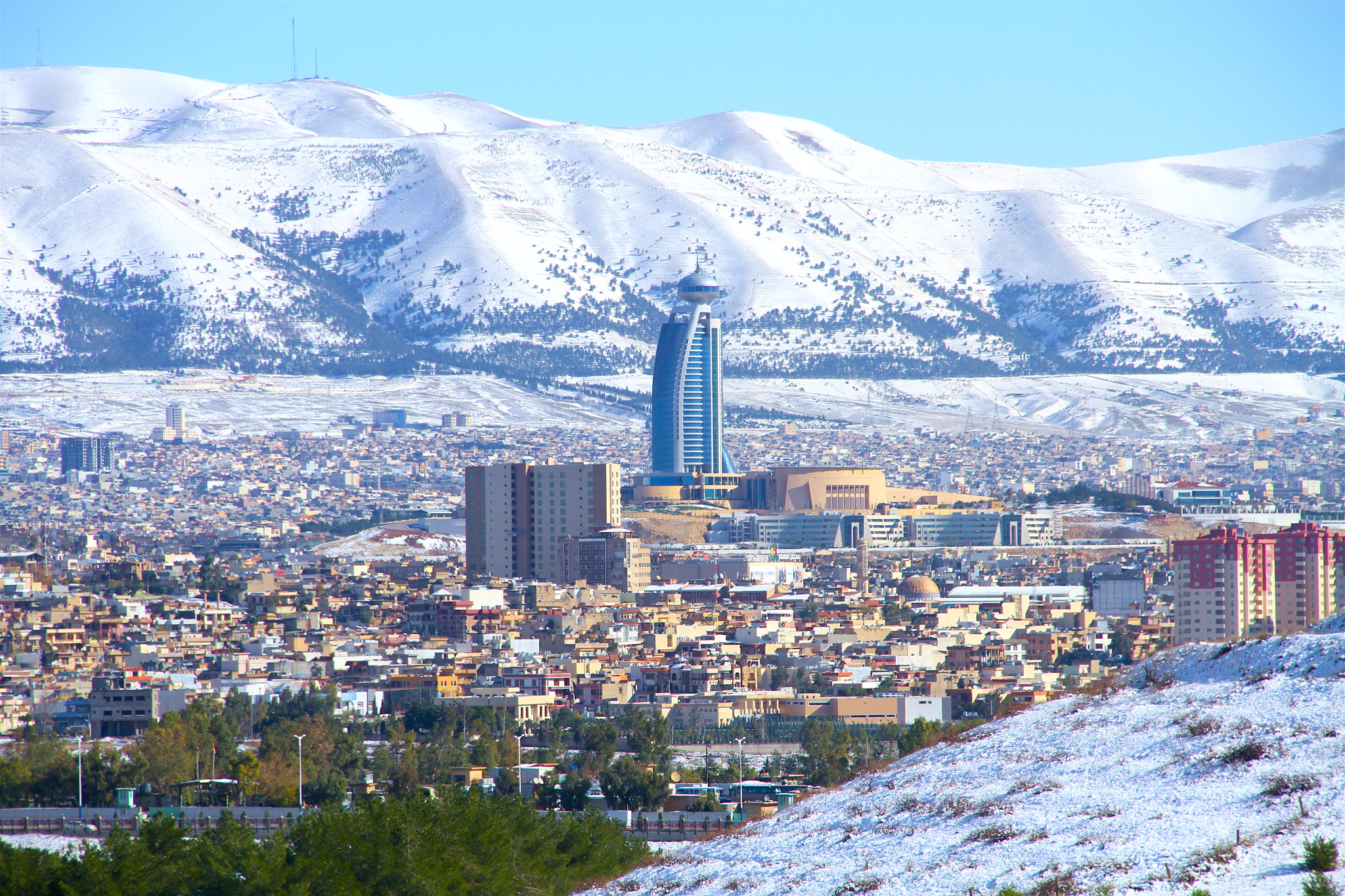
Popularly known in Europe as Suleiman the Magnificent, Ottoman Emperor Suleiman I was the 10th and longest-reigning sultan who ruled for 46 years.
Son of Sultan Selim I, Suleiman the Magnificent was widely known for his effective administration prowess, military intelligence, and foreign policy genius.
His reign was so impactful that many historians like to credit him with ushering in the Golden Age of the Ottomans. It’s therefore not surprising that he earned epithets like Grand Turc and Magnifique from his contemporaries in Europe.
Later Ottoman sultans would invoke his name and derive great pride from being related to him. On November 6, 1494, Suleiman was born in Trabzon, a city on the Black Sea coast of northeastern Anatolia (present-day Turkey).
He became a very well-educated prince, having been tutored by some of the best teachers in the empire on a variety of disciplines – including history, theology, literature, and military tactics.
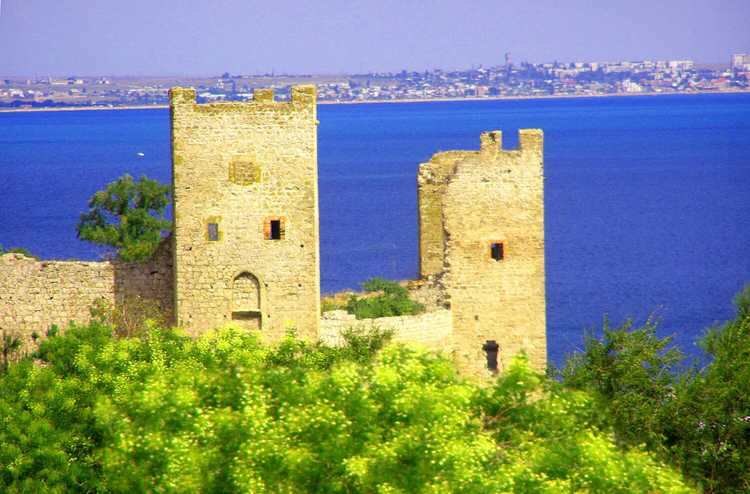
When he was around 17, he was appointed by his father to serve as the governor of Kefe (Caffa, also known as Feodosia) – on the Crimean Peninsula. He would later serve as the governor of Manisa and then Edirne.
During a campaign in Egypt, Selim I, Suleiman’s father, got struck by illness and died on September 22, 1520. He was 49. Suleiman, 26, ascended to the throne, becoming the 10th sultan of the Ottoman Empire.
The sword girding ceremony for Suleiman the Magnificent was done on September 30, 1520. One of his first decisions as sultan was to lift the trade ban on Iran. The ban, which had been imposed by his father, caused quite a lot of havoc for many traders.

Not only did Suleiman remove those trade restrictions with Iran, but he also gave out financial compensation to affected traders.
During his reign between 1520 and 1566, Suleiman the Magnificent was able to accomplish a lot of outstanding things. Some of his major accomplishments are as follows.
Suleiman hit the ground rolling upon becoming sultan with a number of military campaigns. Those initial conquests caused a powerful Mamluk nobleman in Damascus to revolt against the Ottoman Empire.

The nobleman, who had been appointed by Suleiman’s predecessor, Sultan Selim I, received ample support from a group of powerful knights from Rhodes (Knights of Rhodes/Knights Hospitaller).
Using the territory of Belgrade as a base, Sultan Suleiman marched his army on the Kingdom of Hungary.
The young sultan was able to bring large parts of Hungary under his control, a feat that his great-grandfather Mehmed II (also known as Mehmed the Conqueror) could not pull off due to the fierce resistance put up by Hungarian military general John Hunyadi (c. 1401406-1456).

Suleiman’s conquest of Belgrade in August 1521 allowed him to eliminate the major stumbling blocks, i.e. the Croats and the Hungarians, in his way to further conquests of other nearby Central European territories such as Austria.
Suleiman’s decision to go to war with Hungary not only stemmed from the perceived threat posed by Hungary’s alliance with Habsburg, but also due to that fact the Franco-Ottoman alliance at the time had wanted to diminish the power of the Holy Roman Empire.
In June 1526, Suleiman marched his forces up the Danube (Europe’s second-longest river), taking Nándorfehérvár (present-day Belgrade, Serbia) along the way.

As a result of a very weak resistance mounted by Hungary, Suleiman’s forces of between 60,000 to 100,000 successfully defeated Louis II on August 29, 1526. In addition to Louis II dying, the Battle of Mohács resulted in the end of the Jagiellonian dynasty.
After failing to defeat the Knights of Rhodes in 1480, many Ottoman rulers yearned for a day when they would successfully bring the Island of Rhodes to its knee. That responsibility fell to Ottoman Sultan Suleiman, who launched a siege to Rhodes in 1522.
It took Suleiman’s forces less than half a year to successfully expel the Knights of Rhodes from the Island, although suffering about 120,000 deaths in the process.

By annexing Rhodes, Suleiman the Magnificent was able to dominate trading activities in the Eastern Mediterranean. After securing his eastern European frontiers, Sultan Suleiman directed his attention to Persia.
In addition to being Shi’ite, the Persian ruler Tahmasp I (1514-1576) had incurred the wrath of Suleiman because he had murdered Baghdad governor, a staunch loyalist of Suleiman, and then replaced him with a puppet regime.
Suleiman also marched on the Persian Safavid dynasty because he hoped to bring the governor of Bitlis in line. Under the command of Grand Vizier Pergali Ibrahim Pasha, the Ottoman forces entered eastern Asia Minor and brought Bitlis back into its control in 1533.


Suleiman’s reputation among the city’s inhabitants increased after he paid restored and paid homage to the tomb of Abu Hanifa, an influential scholar of the Hanafi school of Islamic law.
Under the peace treaty, Armenia and Georgia was divided between the Sunni-based Ottomans and the Safavids Shi’ite. With the peace treaty, Ottomans gained control most of Iraq, including Baghdad. Suleiman also gained access to the Persian Gulf.
In return, the Persians were given permission to access holy sites in Mecca and Medina, as well as other Shia sites in Iraq. The peace treaty that was struck lasted for about 30 years.


During his over four-decade rule, Suleiman embarked upon a number of reforms, including social, education, taxation, and criminal law.
Regarding the latter, Suleiman tasked his chief judicial officer Ebussuud Efendi to merge the two forms of law in the land – sultanic (Kanun) and religious (Sharia).
In coming out with a single legal code, the Sultan is said to have compiled all the major judgments taken by the nine Ottoman sultans that reigned before him.

He made sure that the final legal code (Ottoman laws or kanun‐i Osmani) did not contravene Sacred Laws in Islam. Suleiman’s legal code remained in use throughout the empire for more than three centuries.
The idea behind the Ottoman laws during the reign of Suleiman the Magnificent was to help the Ottoman Empire keep up with the changing times. Sultan Suleiman’s accomplishment in this area is the reason he was referred to as “The Lawgiver” (Kanuni) in his kingdom.
Historians often consider Suleiman the Magnificent as one of the 23 greatest historical lawgivers in human history. He has been praised for coming out with new criminal laws that meant that specific offenses carried a set of fines or punitive measure.

Suleiman the Magnificent has been praised for the protection he gave to Jewish communities in his empire. In 1553, the Sultan issued a royal mandate (i.e. firman) outlawing blood libels against the Jews.
Blood libels against Jews is said to have skyrocketed during the medieval period. It refers to antisemitic irrational fabrications which see the Jew falsely accused of murdering Christian children and the using the blood for religious rituals.
In 1535, the Ottomans suffered a defeat at the hands of Charles V at Tunis (in present-day Tunisia). This defeat influenced Suleiman’s decision to go into alliance with France against Charles, who had annexed many territories in North Africa.

With the blessing of Suleiman, the Ottoman fleet under the command of Barbarossa responded by carrying out several pirate activities that targeted Spanish vessels. In 1542, France also solicited the help of Suleiman’s help to ward off threats from Habsburg.
In late spring of 1565, Sultan Suleiman began a siege to Malta. The Sultan’s goal was to dislodge the Knights Hospitaller from Malta. After they had been expelled from Rhodes, the knights settled in Malta.
The 1565 siege was the second time Suleiman attempted to take Malta. Similar to the first siege of 1551, the second siege ended in a loss for Suleiman. With support from Spain, the knights fought bravely and were able to defend Malta against Suleiman’s forces.

Desiring to have a lucrative trade with the Mughal Empire, Suleiman the Magnificent captured Aden in Yemen. The goal was to get rid of the Portuguese in the region so as to have access to trading routes heading to the Mughal Empire.
Suleiman used the city of Aden as a launch pad to attack Portuguese infrastructures. With time, Suleiman took the whole of Yemen, allowing the Ottoman Empire to seize control of the Red Sea. With that came increased trading activities with the Mughal Empire.
Trained by a Greek master in the art of jewelry making, Suleiman is said to have grown up loving the arts, literature and science.

His reign marked a sought of cultural renaissance for the Ottomans as many imperial artistic societies flourished in Istanbul and other places of the empire.
He was a patron of the arts, investing a sizable amount of resources into the arts. As a result, many of the best artisans, sculptors, and architects from all across the empire and beyond made their way to the Topkapi Palace.
By mixing styles from different cultures, the Ottomans during the reign of Suleiman were able come out with a distinct style in the arts. A very good poet himself, Sultan Suleiman is said to have written a number of poems under the pseudonym “Muhibbi” (“Lover”).

Driven by the goal to make the Ottoman capital, Istanbul, the hub of not just culture, arts, and science but also architecture in the Islamic world, Suleiman tasked his chief architect Sinan to design and construct many amazing buildings.
Sinan, who is considered by many historians as one of the greatest architects of all time, set about building mosques, bridges, and palaces across the Empire. Thus architecture attained its peak during the reign of Suleiman.
Some of the buildings commissioned by Suleiman include the Suleymaniye Mosque in Istanbul. Built by the imperial architect Mimar Sinan, the Süleymaniye Mosque was completed in 1557.

Up until the construction of the Grand Çamlıca Mosque in 2019, the Süleymaniye Mosque was the largest mosque in Turkey.
The mosque, which took seven years to complete, can boast of a many facilities, including a madrassa, hospital, imaret (soup kitchen), tabhane (sanatorium for ill people), school, and a bathhouse.
On September 6, 1566, Ottoman Empire’s longest-reigning monarch Suleiman the Magnificent died while on military campaign in Hungary.

The cause of his death was said to be of a natural cause. In his later years, the Sultan had to grapple with fatigue, dysentery, angina, and gout. It is also likely that he suffered from depression.
Suleiman’s death came before Ottoman victory at the Battle of Szigetvar in Hungary. It’s been stated that his last words “Isn’t this damned fortress taken yet?”, a reference to fortress of Szigetvar. His death came a few months before his 72nd birthday.
Not wanting to demoralize the Ottoman troops that were fighting, Suleiman’s courtiers purposely kept the death of the sultan a secret until the battle was won. His body was then quietly sent to Istanbul, where it was buried at the Suleymaniye Mosque in Istanbul.

Owing to the blistering autumn heat at the time, the Sultan’s aides removed the heart, liver and other internal organs of the Sultan. They were then placed in a golden coffin and buried beneath in a tomb (Turbék) outside Szigetvár (present-day southern Hungary).
Around the 1570’s, the place was converted into a shrine only for it to be later destroyed when the Hapsburgs recaptured the area.
His reign saw the Ottoman Empire increase from a size of 6.5 million square kilometers (2.5 million square miles) to 14.9 million square kilometers.

Suleiman was praised for his respect of the cultures and people that he conquered. For example, he did not try to convert Hungarians into Muslims as he respected their beliefs.
At the time of his reign, the Ottoman Empire had 25 million people across the Middle East, North Africa, and the Balkans. During his reign the Ottoman empire reached its zenith in terms of economic, military, and political power.
Suleiman was able to repel an attack by the Habsburgs during a siege to Buda.

The Ottoman sultan further captured a number of Habsburg castles and fortresses in 1541 and 1544, which in turn resulted in a five-year peace treaty with the Holy Roman Empire – present-day Austria, Germany, the Netherlands, and Spain.
In addition to the peace treaty, the Holy Roman Empire had to fork out yearly tributes to the Ottoman Empire. During the reign of Sultan Suleiman, the Ottomans brought the Somali Adal sultanate, a Sunni sultanate, into its territory.
This allowed the Empire to increase its presence in the Indian Ocean. The Ottomans could therefore compete properly with the Portuguese in the Indian Ocean.

Suleiman the Magnificent entrusted Ottoman naval commander Khair ad Din, also known as Hayreddin Barbarossa, to rebuild the Ottoman fleet. This was needed to halt Charles V of Spain from gaining a foothold in the Mediterranean.
In what was known as the biggest naval battle in history up to that time, the Battle of Preveza in September 1538 saw Suleiman’s chief admiral Barbaros Hayreddin Pasha command 122 ships and 20,000 soldiers to defeat the crusader fleet of 600 ships and 60,000 soldiers near Preveza in northwestern Greece.
World History Education / ABC Flash Point News 2023.
The British Crown’s off-shore banks hold the greatest Personal Wealth in the World estimated @ $35 trillion

The Queen’s Prerogative
English law prohibits questioning the Monarchy about their personal holdings and businesses. The wealth of the Monarchies is held outside of the countries that made the wealth.
The British Crown’s offshore banks hold the greatest personal wealth in the world estimated at $35 trillion. Perhaps it is because the British Crown still owns and controls its Commonwealth Nations, including the American “colonies.”
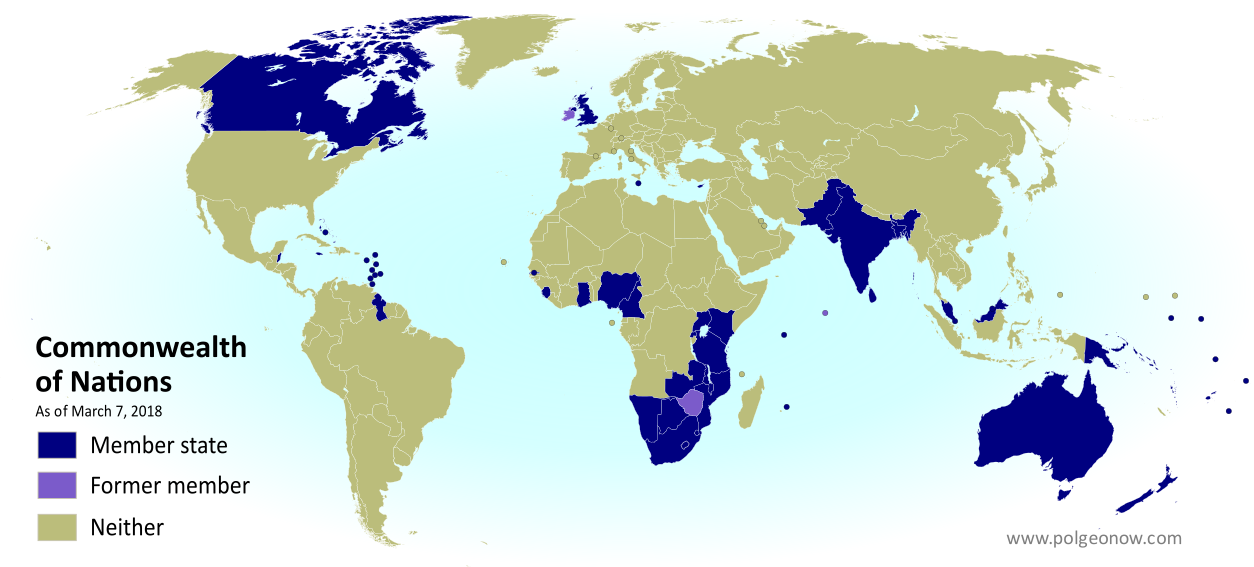
The Commonwealth of Nations, headed by Queen Elizabeth II, is made up of 53 nations, spanning the globe, accounting for one-fifth of the land mass of the Earth, and a very high percentage of its strategic resources and enslaved populations.
In 1840 the Jesuits put the Haus Sachsen-Coburg und Gotha bloodline into the position of the Monarchy of Great Britain.
This house is known today as the Windsor House which still rules the UK and the Commonwealth Nations.
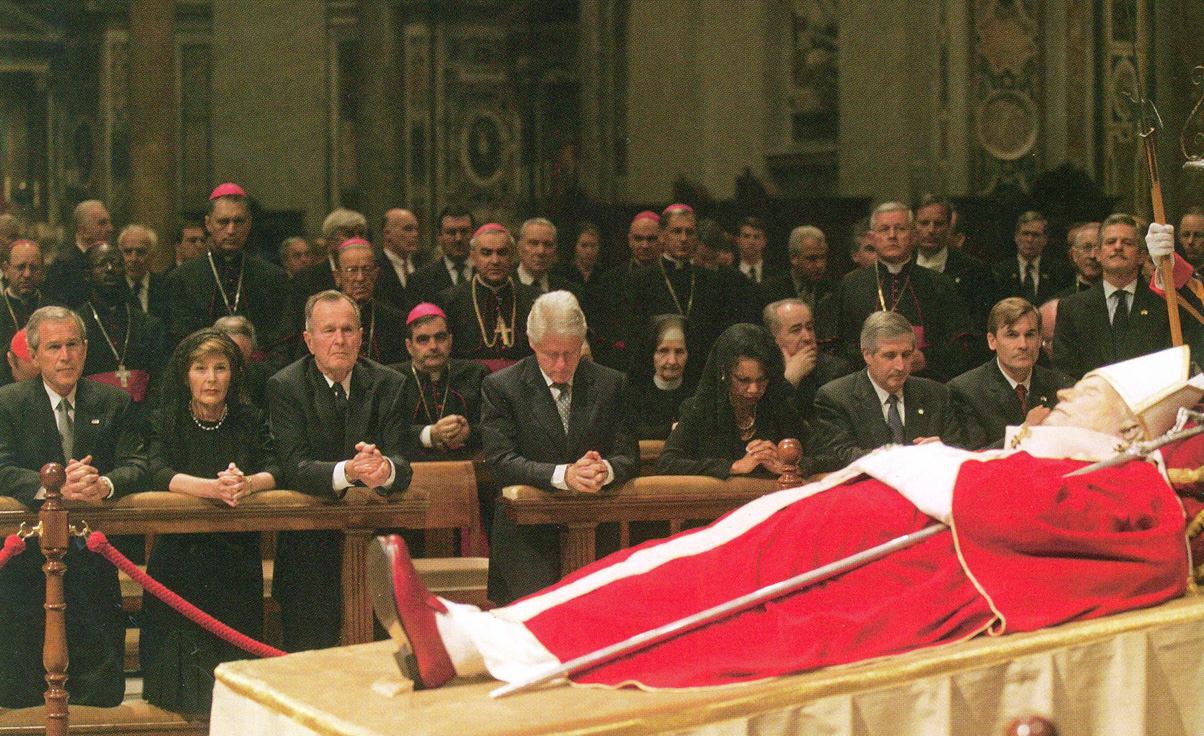
The same fate would eventually happen to the Vatican itself after suppressing the Jesuits in 1773. The Jesuit Order took control of the Papacy by 1814 and had enacted revenge once again for their persecution.
The Queen is a Knight of Malta and has vowed allegiance to the Pope through the largest insider trading club on the planet. The British Crown Agents are, in fact, also agents of the Vatican’s Knights of Malta.
Monarchies are not supposed to be warlord bankers who create conflict and chaos to turn a profit or destabilize an economy for personal gain.
But they have been for some time now, and history is a string of immoral wars caused by monarchies, the Vatican and other religions.

The Order of Malta and the recognized protestant divisions all play a role commanded by the Jesuit Order. This includes The Most Venerable Order of the Hospital of Saint John of Jerusalem controlled by Queen Elizabeth II.
The City of London was eventually rented out by the Order of Malta as their headquarters. The Jesuits took over Londinium in 1825 aided by the Rothschild family who had become the most powerful economic force in England.
The Knights of Malta are mainly involved in working for and with the Black Nobility (royalty without an active throne), the Vatican, and the various Papal and Royal Orders, especially the Jesuits who are ultimately in control of the Vatican and the Military Order of Malta.

“One third of all world wealth is held offshore, and about half of all world trade flows through those tax havens.”
Cayman Islands benefit from the added support of being a territory of the United Kingdom. The Caymans offer a number of tax-free incentives and little financial regulation and oversight.
Today the country is the world’s fifth largest financial services center. It plays host to over 10,000 mutual funds, over 200 banks, over 90,000 companies, and 140 trust companies. It’s the world’s top home for hedge funds and captive health insurance companies.
Aim for Truth Organization / ABC Flash Point Royalty News 2018.
Killer Viruses from Outer Space can Wipe Out Humanity

More than a century has passed since the discovery of the first viruses, but entering the second century of virology, we can finally start focusing beyond our own planet.
Viruses are infectious agents that replicate inside the living cells of other organisms. They can infect anything, from animals and plants to microorganisms like bacteria.
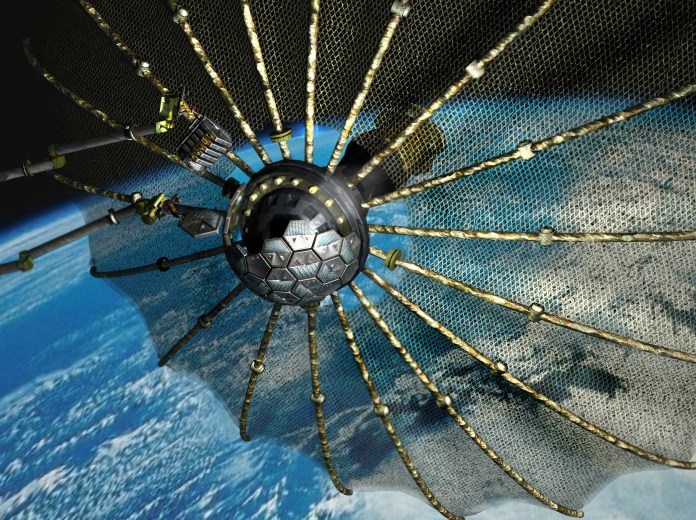
The team behind the study believes that because more viruses exist on Earth than any other cellular organism, they should exist on other planets, too.
With this research, scientists hope to inspire integration of virus research into astrobiology and also point out pressing unanswered questions in astrovirology, particularly regarding the detection of virus bio-signatures and whether viruses could be spread extra-terrestrially.”
But beware of “astrobiology”, it could be part of the Rothschild cabal’s global mind-control program. Check out Lynn Rothschild, who gives lectures in “astrobiology” at such places as Buckingham Palace and the Vatican.

Whatever they tell you about space invasions and such is just a bunch of kabbalistic lies to control your thinking.
From outer space and pharma labs sponsored by well known foundations. Yes, produced in the laboratories of DARPA and other Western military agencies.

God sometimes has a strange sense of humor, there are a subspecies of parasites that pretend be immortal. Its long been thought the flu virus comes from space and infects us. With each passing comet we get new viruses.
The USA did make Aids under the special cancer virus program. And Bird Flu. But natural flu is believed to be from outer space and then travels the atmosphere down to infect us.
RT.com / ABC Flash Point Biology News 2018.

