Nestle makes Billions bottling Water in 100 Factories all over the World

Nestle SA started bottling in 1843 when company founder Henri Nestlé purchased a business on Switzerland’s Monneresse Canal to provide healthy, accessible, and delicious refreshment to the consumer.
According to Euromonitor International, there are thousands of bottled water companies worldwide—there’s even Trump Ice—but Nestlé is the biggest globally in terms of sales, followed by Coca-Cola, Danone and PepsiCo.
Nestle Waters, the Paris-based subsidiary, owns almost 50 brands, including Perrier, S.Pellegrino, and Poland Spring.


The Romans were among the first to see water as more than a basic need. They ranked theirs by taste; Aqua Marcia, from a spring about 60 miles outside of Rome, was among the best. In the 19th century, some of the first mass-market brands were S.Pellegrino and Vittel, now owned by Nestlé, and Evian, a Danone label.
Last year, USA bottled water sales reached $16 billion, up nearly 10% from 2015, according to Beverage Marketing Corp.
They outpaced soda sales for the first time as drinkers continue to seek convenience and healthier options and worry about the safety of tap water.


Nestlé alone sold $7.7 billion worth worldwide, with more than $343 million of it coming from Michigan, where the company bottles Ice Mountain Natural Spring Water and Pure Life, its purified water line.
The Michigan operation is only one small part of Nestlé, the world’s largest food and beverage company.
But it illuminates how Nestlé has come to dominate a controversial industry, spring by spring, often going into economically depressed municipalities with the promise of jobs and new infrastructure in exchange for tax breaks and access to a resource that’s scarce for millions.

Where Nestlé encounters grass-roots resistance against its industrial-strength guzzling, it deploys lawyers; where it’s welcome, it can push the limits of that hospitality, sometimes with the acquiescence of state and local governments that are too cash-strapped or inept to say no.
There are the usual costs of doing business, including transportation, infrastructure, and salaries. But Nestlé pays little for the product it bottles—sometimes a municipal rate and other times just a nominal extraction fee. In Michigan, it’s $200.


Compared with the water needs of agriculture and energy production, the bottled water business is barely responsible for a trickle; in Michigan, it accounts for less than 1% of total water usage, according to Michigan’s Department of Environmental Quality (DEQ)
The United Nations expects that 1.8 billion people will live in places with dire water shortages by 2025, and 67% of the world’s population could be living under stressed water conditions.
Supply may be compromised in the USA, too. A recent Michigan State University study predicts that more than a third of Americans might not be able to afford their water bills in five years, with costs expected to triple as World War II-era construction breaks down.

Nestlé isn’t the only bottled water company operating in Michigan, but it’s the most controversial. Pepsi and Coca-Cola bottle municipal water from Detroit for their Aquafina and Dasani brands, respectively; they pay city rates, then sell the product back for profit.
Nestlé has been preparing for shortages for decades. The company’s former chief executive officer, Helmut Maucher, said in a 1994 interview with the New York Times: Springs are like petroleum.
You can always build a chocolate factory. But springs you have or you don’t have.
Bloomberg.com / ABC Flash Point Water News 2018.
Scientists build Army of 1 million Micro-Robots that fit inside a Hypodermic Needle
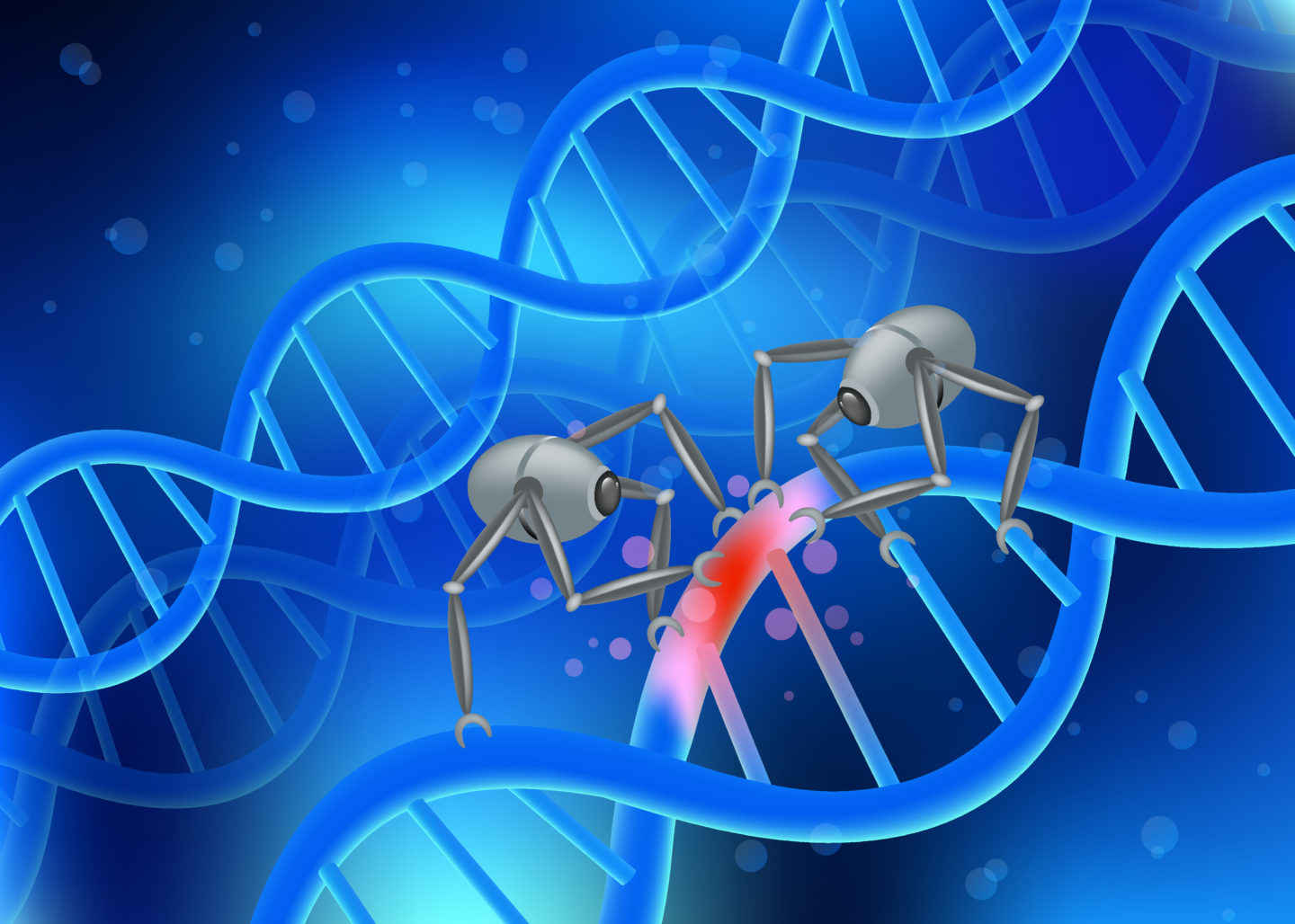
In a paper, published Wednesday in the journal Nature, a team of robotics detail the creation of their invisible army of robots, which are less than 0.1mm in size (about the width of a human hair) and cannot be seen with the naked eye.

The robots are rudimentary and are reminiscent of Frogger, the famous 1980’s arcade game. But they take advantage of an innovative, new class of actuators, which are the legs of the marionette micro-robots, designed by the team.
Controlling movement in these tiny machines requires the researchers to shine a laser on minuscule light-sensitive circuits on their backs, which propels their four legs forward.
They’ve been designed to operate in all manner of environments such as extreme acidity and temperatures. One of their chief purposes, the researchers say, could be to investigate and manipulate the human body from the inside out.

These types of devices are known as “marionettes” because their power source is not on board the device and their functions are controlled remotely.
Without the external input from researchers, the devices don’t have the capability to move around. But Brooks and Strano said the marionettes are important because they provide a stepping stone for future devices that can work autonomously.
The micro-robots are more tech demo than functional product for now, but they show what is capable in the microscopic world.

The research team were able to show the micro-robots devices could fit within the narrowest hypodermic needle and thus, could be “injected” into the body. That kind of capability isn’t worthwhile right now and not possible yet.
The machines aren’t intelligent enough to target a diseased cell or respond to stimuli, so there’s no application for this invisible army.
However, the researchers said that their capabilities can rapidly evolve and suggest that future production costs could be less than a penny per robot, making them a valuable ally in the battle against disease.

The researchers are now trying to program the robots to perform certain tasks, using more complex computation and autonomy.
Improvements could pave the way for swarms of robots to head inside the body and repair wounds or go on the attack against problems like cancer (fabricated by public stress and the poisoned food industry), but that future is years — or potentially decades — away.
Even with the future years away, it should be noted that any potential treatment options using such devices would require stringent safety checks, have to overcome significant regulatory hurdles and would need to be trialed extensively before they were ever used inside human beings.
CNet.com / ABC Flash Point Future Science News 2021.
McDonald’s & Pizza Hut use favorite Cooking Oil that causes Neurological Changes in the Brain

New research has shown that despite being marketed as a healthy alternative, soybean oil, America’s most popular oil, causes neurological changes in the brains of mice, and may contribute to autism and dementia in humans.
Extracted from the seeds of soybeans and used in everything from fast food to animal feed and even baby formula, soybean oil is easily the most widely consumed oil in the US, ubiquitous in the national cuisine.
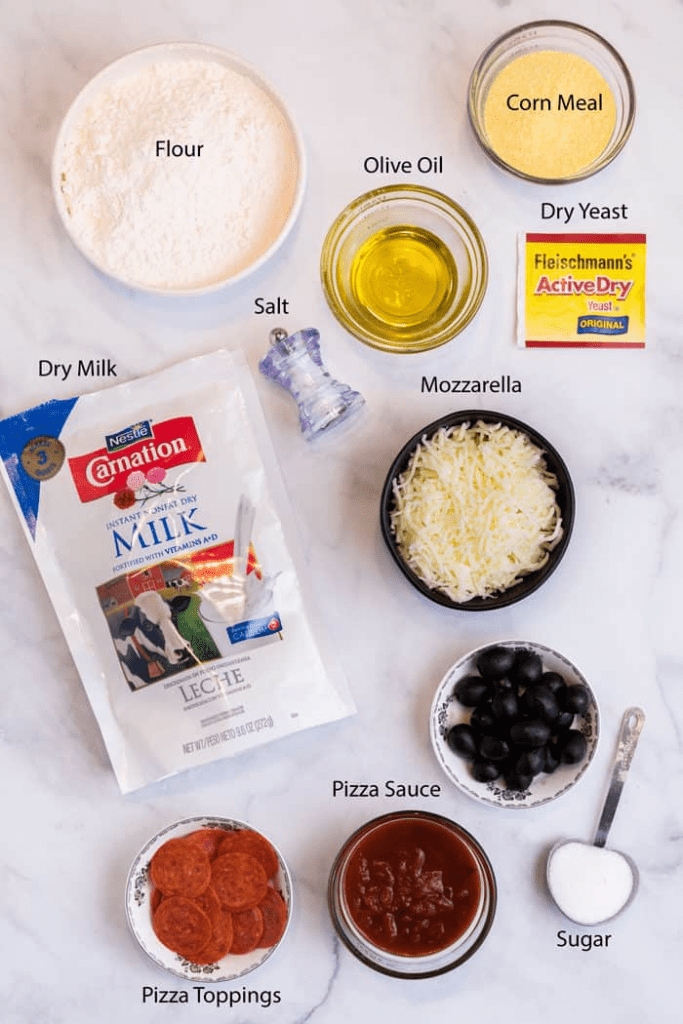
It’s in McDonald’s fries, Pizza Hut crust, and the “healthy” 9-grain bread used for your Subway sandwiches. A research team from University of California, Riverside has been studying the impact of soybean oil for several years.
They previously found that it induces diabetes and obesity in mice, hardly surprising given that vegetable oils are high in saturated and unsaturated fatty acids. By now, most people know that eating too much fried food is bad for your ticker.
But what is really shocking about their latest findings is the effect soybean oil seems to have on the brain.

The study is published in Endocrinology, a scientific journal, and it shows that when soybean oil is fed to mice it has major impact on their hypothalamus, an area of the brain crucial for regulating mood and behavior.
More worryingly, it even affected over 100 of the mice’s genes, including one for controlling oxytocin, the love and bonding hormone. Soybean-fed mice showed lower levels of oxytocin in the hypothalamus.
Other genes affected had to do with metabolic and hormone pathways, including the insulin pathway, synonymous with diabetes. There was also up-regulation of genes associated with anxiety, depression, and schizophrenia.

Considering the evidence, the authors believe that soybean oil could increase the risk of Parkinson’s disease, Alzheimer’s disease, and autism.
However, there is no concrete proof yet that soybean oil causes these conditions, since this research was conducted on male mice only.
But mice are used as a model organism for human health for a reason, as a mammal species they have similar tissues and genetics to us, and it is reasonable to provisionally project some of the authors’ health warnings onto humans.

There is a genetically engineered form of soybean oil that has a lower linoleic acid (LA) content, and this form is healthier for the heart.
The authors also fed mice this form to see whether the results would be any better, but the low-LA form had a similarly detrimental effect on the mice’s brains.
It is produced from what are called Roundup Ready soybeans, designed for use with the signature product of bought-out agro-chemical firm Monsanto, which is embroiled in a controversy of its own.
RT. com / ABC Flash Point News 2021.
Factory Farming is the definition for extreme Animal Misery

On today’s factory farms, animals are crammed by the thousands into filthy, windowless sheds and stuffed into wire cages, metal crates, and other torturous devices.
These animals will never raise their families, root around in the soil, build nests, or do anything that is natural and important to them.


Most won’t even feel the warmth of the sun on their backs or breathe fresh air until the day they’re loaded onto trucks headed for slaughterhouses.
The factory farming industry strives to maximize output while minimizing costs—always at the animals’ expense.
The giant corporations that run most factory farms have found that they can make more money by squeezing as many animals as possible into tiny spaces, even though many of the animals die from disease or infection.


Animals on factory farms endure constant fear and torment:
- They’re often given so little space that they can’t even turn around or lie down comfortably. Egg-laying hens are kept in small cages, chickens and pigs are kept in jam-packed sheds, and cows are kept on crowded, filthy feedlots.
- Antibiotics are used to make animals grow faster and to keep them alive in the unsanitary conditions. Research shows that factory farms’ widespread use of antibiotics can lead to antibiotic-resistant bacteria that threaten human health.
- Most factory-farmed animals have been genetically manipulated to grow larger or to produce more milk or eggs than they naturally would. Some chickens grow so unnaturally large that their legs cannot support their out-sized bodies, and they suffer from starvation or dehydration when they can’t walk to reach food and water.


When they’ve grown large enough to slaughter or their bodies have been worn out from producing milk or eggs, animals raised for food are crowded onto trucks and transported for miles through all weather extremes, typically without food or water.
At the slaughterhouse, those who survived the transport will have their throats slit, often while they’re still conscious.
Many remain conscious when they’re plunged into the scalding-hot water of the de-feathering or hair-removal tanks or while their bodies are being skinned or hacked apart.
ABC Flash Point Factory Farming Blog News 2019.
Taking Flight with Travel & Tourism Pollution

The current landscape, sustainability is an increasingly vital aspect of our daily lives and of businesses’ operations, drawing focus on carbon-intensive industries like aviation, hotel accommodation including food and beverage (F&B) services.
Encouragingly, there has been an uptake of de-carbonisation practices by public and private players of the sector to transform the travel industry – not only reduce its carbon footprint but also contribute to the growth of local economies.


The travel industry, in particular, has long been associated with high levels of greenhouse gas (GHG) emissions and waste generation, not to mention the vast amounts of waste, including plastic bottles, food waste and other single-use items generated from tourism activities.
While it’s impossible to provide an exact figure for total waste generated by the tourism industry in Malaysia, available data from aggregate sources of data suggests significant contributions, particularly in plastic waste generation.
On the other hand, aviation accounts for around 2.5% of global CO2 emissions, according to the International Energy Agency (IEA) and the Intergovernmental Panel on Climate Change (IPCC).

> Contrails and cirrus clouds: These high-altitude clouds trap heat, amplifying the warming effect.
> Nitrogen oxides: These emissions contribute to ozone formation, which also has a warming effect.
> Water vapor: At high altitudes, water vapor from aircraft emissions can contribute to warming.


Experts opine that the common thread tying the challenges of sustainable aviation and tourism lies in overcoming entrenched systems driven by fossil fuels and unsustainable practices.
Both industries require advancements in technology, infrastructure and regulations, while grappling with high costs and changing consumer behavior.
Basically, it’s based on the economic benefits of sustainable tourism and not just about going green.
/GettyImages-474428679-582b794b3df78c6f6af264f9.jpg?resize=696%2C461&ssl=1)
With some of the world’s most beautiful beaches paying a heavy price for our plastic addiction, the travel and tourism industry is taking action to reduce its plastic footprint and encourage its customers to do the same.
One of Britain’s biggest tour operators, Thomas Cook, said in November 2018 that it would remove around 70 million single-use plastic items—enough to fill 3,500 suitcases—from domestic operations, planes and branded hotels during the next year.
A pilot scheme in its #noplaceforplastic campaign will run this summer on the Greek island of Rhodes where the company will try out sustainable alternatives and work with the local community and government to improve recycling infrastructure.


Thomas Cook will trial plastic-free toiletries in some of its brand hotels and promote water fountains and other fresh water sources.
The company will also work with sustainable designers Wyatt and Jack to turn broken and discarded inflatables, like lilos and armbands, into bags and holiday accessories.
On its airline, it will remove plastic wrappers on headsets and reduce the size of its duty-free plastic bags.


This is very important because many of the tourist destinations that we travel to do not have appropriate systems for recycling.
Their action is important to create awareness amongst destination stakeholders and, more importantly, to empower them to look for solutions.
While tourism contributes 10 % of global gross domestic product and accounts for one in 10 jobs worldwide.


The UN Environment’s research has shown that the industry’s use of key resources, like energy and water, is growing commensurately with its generation of solid waste, including marine plastic pollution, sewage, loss of biodiversity and greenhouse gas emissions.
The World Wildlife Fund reported in June 2018 that more than 200 million tourists visiting the Mediterranean every summer cause an almost 40% spike in plastic entering the sea.
With 80% of all tourism taking place in coastal areas, this destructive pattern is repeated elsewhere.


Hotel giant Hilton pledged to get rid of plastic straws in all its 650 locations and eliminate plastic bottles from its conferences. Marriott International is eliminating plastic straws and replacing small bottles of toiletries with dispensers in its North American hotels.
MSC Cruises aims to phase-out single-use plastics by March next year, while Norwegian cruise operator Hurtigruten says it has removed all unnecessary single-use plastic items.
Lindblad Expeditions, an adventure cruise company, has said it is now free of single-use plastics with all such items banned from its 13 ships. Royal Caribbean has said its 50 ships would stop using plastic straws by the end of last year.


P&O Cruises and Cunard are also planning to abolish plastic straws, water bottles and stirrers by 2022, while Norwegian Cruise Line Holdings has launched an anti-plastics initiative, including a ban on straws.
However, while eliminating plastic products is positive, the industry must do more, because all the food and beverage supplies for hotels and airlines are still rapt in single use plastics.
The World Economic Forum noted that degradation of the natural environment was having a serious effect on the tourism sector: as natural capital depletes—because of over-fishing, deforestation or water and air pollution—so tourism revenues decline.


Given the close relationship between natural resources and a very large segment of the tourism industry, then, a lack of progress on fostering sustainability, both from a general and sectoral point of view, will reduce tourism development opportunities.
The UN World Tourism Organization is developing a way to measure the sustainability of tourism to create an international standard for tourism statistics.
The standard will eventually be able to connect tourism indicators to the Sustainable Development Goals, expanding existing measurements beyond primarily economic indicators.

Beyond industry initiatives, individuals can also play a role. The World Travel and Tourism Council has urged travelers to minimize their plastic footprint by doing four simple things.
Bring your own reusable water bottle and purification system, carry a collapsible tote bag, refuse small bottles of toiletries in hotels and find out where you can recycle your plastic waste.
Simple steps, but if taken by every one of the estimated 1.3 billion international tourists, they could make a world of difference.
UN / ABC Flash Point News 2024.
Nederland is het Meest Vervuilde Land van Europa
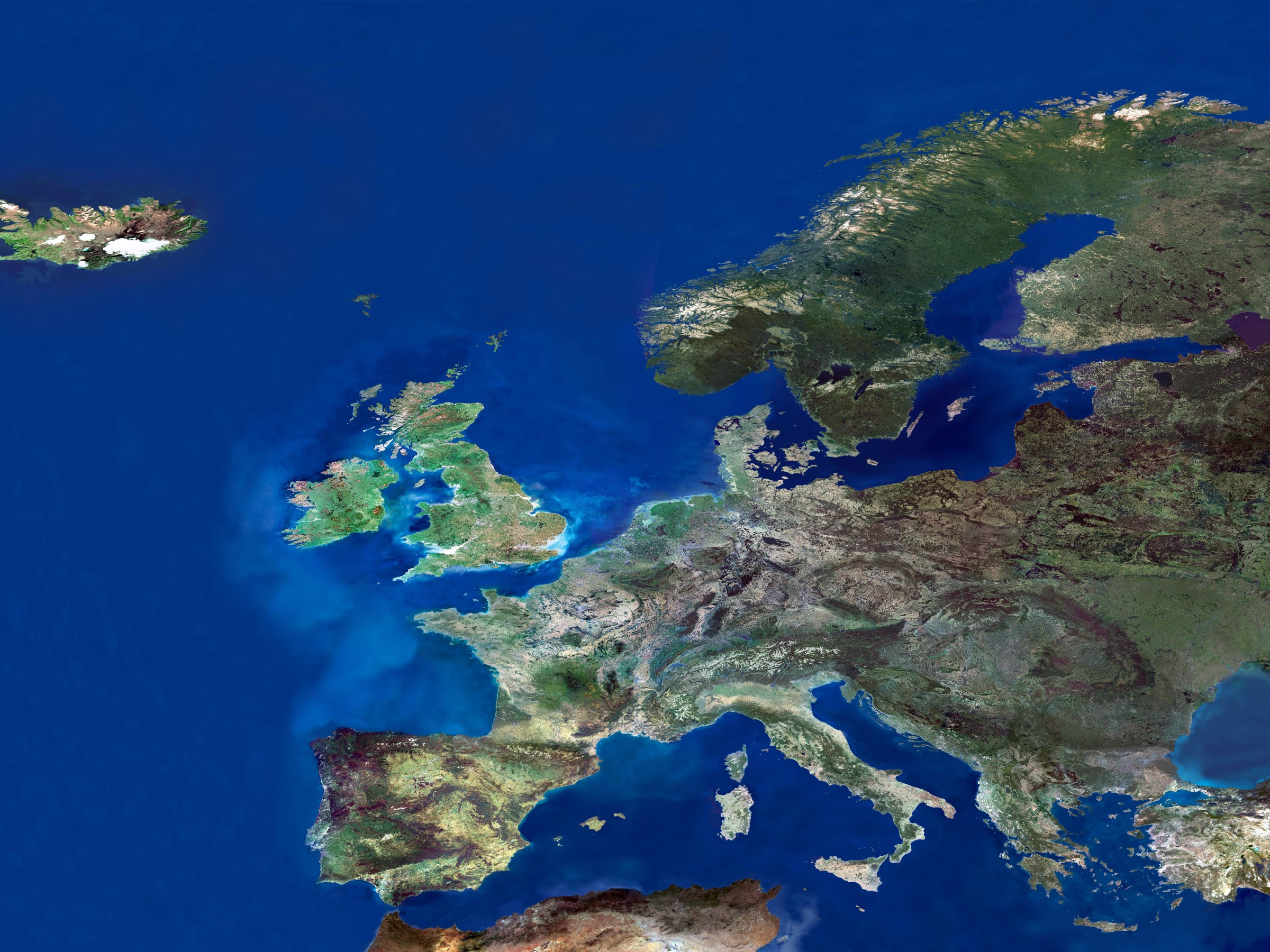
Het kabinet in Den Haag zegt dat het zich op milieugebied niet meer dan andere Europese landen wil inspannen.
Uit een gepubliceerde analyse van natuur en milieu in 2012, blijkt dat de Nederlandse lucht-, water- en bodem kwaliteit de meest vervuilde zijn van Europa.

De belangerijkste boosdoeners zijn vliegtuigen, vee, auto’s en kolencentrales. Dat is slecht voor de Volksgezondheid en dus de Economie vertelde Tjerk Wagenaar, directeur Natuur & Milieu.
Alle Noord- en West-Europese landen, met uitzondering van Belgie doen het beter dan Nederland. Nederland staat op de laatste plaats in Europa (#27) voor bodemkwaliteit.
De Nederlandse bodem is verontreinigd met stikstof en fosfaat, afkomstig van de grote veestapel. NL voldoet niet aan de EU-nitraat richtlijnen of voorwaarden en heeft daarom van Brussel een ‘uitzondering’ op de norm gekregen!
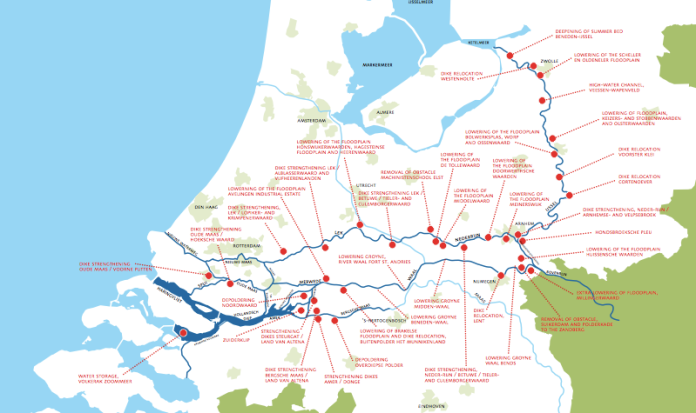
Nederland heeft ook het meest vervuilde oppervlaktewater van Europa (plaats #27). De kans dat NL van deze laatste plaats afkomt is zeer klein omdat het kabinet Rutte structurele bezuinigingen op het waterbudget heeft vastgesteld op 150 miljoen euro.
Met Belgie en Luxemburg heeft Nederland (Benelux) de hoogste gemiddelde uitstoot van stikstofdioxide per km2. De concentratie fijnstof ligt in NL 25% hoger dan het EU gemiddelde. Gezondheidsschade voor veel mensen en aantasting van de natuur zijn het gevolg.

De resultaten in dit rapport zijn volledig gebaseerd op gegevens van het CBS (Centraal Bureau voor de Statistiek) , PBL (Planbureau voor de Leefomgeving) en EEA (Europees Milieuagentschap).
Waarom mist regelgeving voor chemisch afval in Nederland? Omdat Nederland op die manier de grootste misdadige gifvermengde stookolie voor containerschepen kan leveren!!! GOED VOOR DE ECONOMIE?

Nederland importeert zelf chemisch afval om via dat mengproces goedkope zwaar vervuilde stookolie wereldwijd te leveren aan tankers die er speciaal voor omvaren naar Rotterdam. En dan maar de oceanen massaal vervuilen. Het is een gotspe.
En dat terwijl er mensen zijn die hard werken en hun ziektekosten en energiekosten niet meer kunnen betalen en anderen die naar de voedselbank moeten. Het wordt tijd dat de afkalvende middenklasse een rode pil krijgt toegediend en wakker wordt!
Nederland haalt het Kyoto doel alleen door aankoop van buitenlandse emissierechten. Een zakelijke truc om lucratieve vervuiling rendabel te houden. Echt natuur vriendelijk zijn zal toch aan andere waarden getoetst moeten worden.
Knak de Worst / Crickey Conservation Society.
The Truth about King Tut’s Curse over his British Grave Robbers

When Howard Carter disrespectfully opened the tomb of King Tutankhamun in 1922, as per History, the world around the event went a little bonkers.
What could be more intriguing than a bunch of rooms full of glittering treasure, buried under the sands of the Valley of the Kings for more than 3,000 years?

A mummy’s curse, that’s what. Why settle for boring golden masks, treasure, and creepily preserved corpses when you can also have death and despair, dogs howling at the exact moment of someone’s death, and cobras enacting revenge upon little yellow birds?
And so the curse of King Tut became a thing, the media ran with it, the public ate it up, and a century later there are still plenty of people who still believe it.
There’s some room for skepticism, though, even though skepticism doesn’t tend to be as much fun as death and despair.

As it turns out, there aren’t really many reasons to believe in King Tut’s curse, other than the obvious one, which is the fact that curses are way more entertaining than non-curses, and also the continued employment of Hollywood special effects artists.
So read this, and then feel free to keep on believing in the mummy’s curse anyway. No judgment. A lot of people assume the mummy’s curse is part of ancient Egyptian mythology, meant to deter grave robbers from stealing the king’s treasures.
And while it is true that ancient tombs were designed to confuse potential thieves, in King Tutankhamun’s time there was no concept of a written curse, per se.

That might have something to do with the fact that only about 1% of the Egyptian population could read hieroglyphics, notes Ancient Origins, and it’s pretty unlikely that anyone that educated would be robbing tombs.
On the other hand, tomb builders could have spread the curse by word of mouth, but there’s no evidence they did. According to National Geographic, the late Egyptologist Dominic Montserrat concluded there was no ancient Egyptian origin of the mummy’s curse concept.
Instead, Montserrat said a 19th-century London stage performance, which featured the on-stage unwrapping of real Egyptian mummies, was the inspiration for the original stories.

Dig back deep enough into Egyptian history, though, and there does seem to be a tomb or two that promised divine retribution for grave robbers.
Early mastaba-type tombs (which predate King Tut by 15 dynasties) sometimes included curse-like threats of death by wild animals, so perhaps these inscriptions persisted in the verbal mythology of ancient Egypt.
Still, it really didn’t seem to work very well as a deterrent, since tombs were usually completely picked over and looted by the time modern people discovered them.

Depending on who you ask, there were 11 so-called, but most of the deaths really weren’t that mysterious, with the exception of Lord Carnarvon, the first and most famous.
According to the Smithsonian, Carnarvon, the wealthy financier of Howard Carter’s expedition, was bit by a mosquito then cut himself while shaving over the raised bite.
That’s really not something you would expect to kill someone, so the fact that it did kill him is part of what really gave momentum to the idea of a curse.

The bite became infected, and Carnarvon died from blood poisoning. The timing was pretty ominous, too — his death occurred just two months after King Tut’s tomb was opened, as per the Independent.
Carnarvon was already in poor health, though, and had been for more than 20 years, so on a logical level it’s really not surprising that he was so susceptible to developing an infection.
But his death wasn’t the only one linked to the tomb — of the 58 people who were present for the sarcophagus’ opening, 50 were still alive after 12 years.

So let’s get this straight — other than Carnarvon, the curse could take up to 10 years to take effect, and it only struck down a handful of the people who deserved it? Maybe it’s the sort of curse that loses its effectiveness over time, like a bottle of Viagra.
We should not lose sight of the fact that there was some pretty seriously creepy stuff that went down after the tomb was opened.
According to Time, when the archaeologists broke through to the first room they found two statues of Tutankhamun. The statues were life-sized, and on each head was a crown decorated with stylized cobras.

The locals who were working with Howard Carter were spooked by the images of the snakes, because cobras were symbolic of the king’s justice, notes the Smithsonian, and maybe also because they’d seen some version of that stupid mummy-unwrapping stage play.
Then, later that day Carter’s pet canary was literally eaten by a cobra, so that spooked the locals even more. Some of them believed the spirit of the dead king was warning the archaeologists away.
It’s worth noting, though, that Egyptian cobras aren’t exactly uncommon in Egypt, and they are attracted to villages, where they can easily prey on young chickens, rats, and — yes — canaries.

So for every canary that died in Egypt the day King Tut’s tomb was opened, there were probably a few thousand other small animals that also got eaten by cobras, and not because they had anything to do with the opening of a pharaoh’s tomb.
Still, the only cobra-prey that gained notoriety was that one little yellow canary, who happened to be unfortunate enough to get eaten at precisely the right moment in history.
Another popular legend is that Howard Carter and his team encountered a written curse in the antechamber. The curse was inscribed into a clay tablet and it went like this: Death will slay with his wings whoever disturbs the peace of the pharaoh. Eek!

Carter pooh-poohed the warning and then failed to make any written note of its existence, and then evidently also lost it, since it has never been seen by anyone.
That doesn’t really seem very science-y, but according to Skeptoid, Carter and his team then went on to desecrate the tomb and take stuff out and behave in a most-definitely peace-disturby way.
Believers rationalize the absence of the clay tablet from pretty much every historical record by claiming Carter just scrubbed all mentions of it so as not to upset the locals.
Which is kind of silly since there’s no evidence that Carter himself believed in the curse, and erasing it sort of goes against everything he stood for as an archaeologist.
So let’s say there actually was a curse on King Tut’s tomb, and the spirit of the dead pharaoh and/or whatever deities were charged with protecting him were poised to take down anyone who dared to disturb the sanctity of his tomb.
Shouldn’t the prime target of the curse be the dude who actually busted down the doors, let a bunch of noisy people inside, and then accidentally decapitated the boy king while trying to remove his golden death mask?

According to Time, King Tut was buried wearing innumerable amulets of beauty and ghostly merit, and then there was also another cobra — this one was on his mummy’s forehead along with a vulture, which was another deity meant to protect him in the afterlife.
Before anyone saw all that, though, they saw the stub where his head had once been because in their eagerness to reveal the face of the boy king, Howard Carter and his workers tore his whole head off along with the mask they were trying to remove.
So if ever there was a guy who deserved to be smited by a mummy’s curse, it was Carter. But instead, the mummy seemed perfectly content to just kill canaries and make dogs howl.

Carter himself not only kept on living, he also spent years excavating the tomb and further desecrating pretty much everything inside it, and he did it without any divine sanction. Maybe he had some sort of curse-repelling amulet he never told anyone about.
Seventeen years after he opened the tomb of King Tutankhamun, Howard Carter finally succumbed to the mummy’s curse.
Yes, Tut got tired of watching his nemesis do unlucky things like achieving archaeological fame and touring the world as a lecturer and expert on Egyptian archaeology, as per Biography.

So he decided to finally smite Carter by giving him lymphoma, and he maybe got mad at a lot of unrelated people, since roughly 1,000 people die every year from that particular disease, reports Cancer.net.
So if there was a curse, Carter didn’t seem to get much of it, at least not for almost two decades after he actually found the tomb. Believers have an explanation for that, too, because that’s just emotionally and mentally easier than letting go of their beloved theory.
According to Skeptoid, believers like to say Carter was indeed cursed: Cursed to live a long life wherein he would have to watch all his friends and colleagues as one by one they were taken down by a 3,000-year-old Egyptian corpse.

Of course (with a couple exceptions), most of the curse’s victims were more like casual acquaintances, as per Mental Floss, but whatever.
The point is he was tormented for years after the tomb was opened. There’s no evidence he actually felt tormented, but that doesn’t mean he wasn’t.
There’s also the tomb-toxin theory, which goes like this: Pharaoh gets sealed in tomb, bacteria and other pathogens take hold and multiply, tomb is opened thousands of years later releasing said toxins into the lungs of unsuspecting archaeologists.

It’s a nice, tidy way to explain away mysterious deaths without acknowledging supernatural forces, but it’s not a very solid theory.
According to National Geographic, labs have indeed discovered potentially dangerous molds growing on Egyptian mummies and tomb walls, including one that can cause bleeding in the lungs and another that can cause lung infections.
That could explain one of the deaths — George Jay Gould died from pneumonia shortly after entering the tomb, writes Roger Luckhurst in “The Mummy’s Curse”.

But most of the curse’s other victims died from non-bacterial illnesses like cancer, murder, suicide, and falling down.
And it seems odd that a deadly pneumonia-causing bacteria would only infect a single person when there were plenty of other people who spent a lot more time in the tomb than Gould did.
One of those people was Sgt. Richard Adamson, who guarded Tut’s burial chamber for seven years and then went on to live for another 53 years after that (via Live Science).

Skeptoid also notes that if tomb toxins were a thing, there would probably be some sort of record of lots of people falling ill in other parts of Egypt, but there isn’t.
But what about all those people who died within the first few years? Well, that can be explained by random chance.
Pretty much any significant event involving a large number of people is going to have an occasional death associated with it because that’s just a statistical probability. Yes, it’s true, statistical probability is a total downer.
Grunge.com / ABC Flash-Point News 2023.
Western Civilization burns to its Final Days of Marxist Oppression

In this hyper-politicized world every act has an agenda. And with so many false flags, failing governments, simmering (or actually boiling) culture wars and rampant ideological insanity it is nearly impossible to dismiss them.
Meanwhile, one of the great symbols (fire which engulfed the iconic Notre Dame cathedral in Paris) and repositories of human achievement was nearly destroyed by either carelessness, neglect, malicious intent or a sinister combination of all three.


While we are lamenting the cynical initial reaction there were people all across the globe cheering the destruction of an integral part of human history.
It shows just how deeply ingrained the current divides are. It shows how fallen and corrupt of spirit the culture has become.
It’s religious significance is secondary to this. If it was just an expression of the rivalry between Islam and Christianity that would be regrettable if understandable.

Descendants of those that built Notre Dame were cheering this event because they have been inculcated to hate religion of all forms by their Marxist education.
They have been effectively immunized against feeling anything but contempt for themselves and their history.
Marxists fundamentally believe in creating a man without a history, without connection to his past to mold him into Antisemitism.

Because a people without a past, incapable of facing the evil they have done, is a people on a path to self-righteous crusades that far exceed any horrors previously committed.
Think about the insane atrocities of the 20th century and then remember it was done in the name of creating a better human.
People without history have no context. They are unstuck in time having to relearn lessons which our ancestors built monuments to remind us of what we’re capable of for better or worse.

While the French government took years to raise €12 million to renovate Notre Dame despite having the highest tax rate in the world, private donations to rebuild it topped $1 billion in the first 48 hours after the fire was put out.
This is gratifying in a way that is almost beyond words. And it makes a mockery of the static arguments for government to replace private charity and private property.
If the French, themselves to birthplace of this post-modern and most sinister form of Marxism, had left even a smudge of capital for their people to enjoy maybe we would not be mourning/cheering Notre Dame today.
Russia Insider / ABC Flash Point News 2019.
Tyson Foods linked to Largest Toxic Dead Zone in USA History
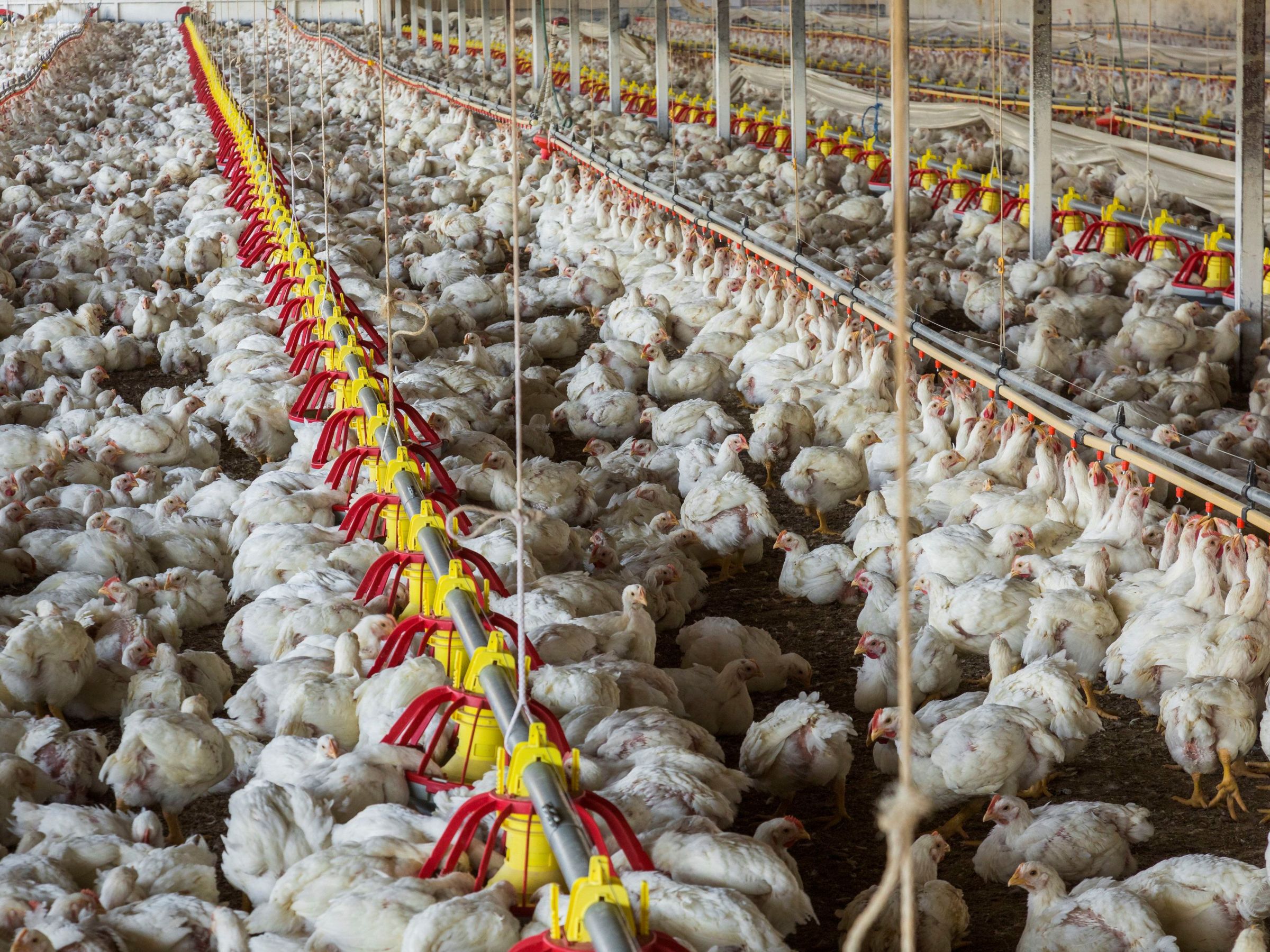
What comes to mind when you think of Tyson Foods? A chicken nugget, a big red logo or the co-producer of lab-made meat alternatives @ the cost of $400-$2000 per kg.
How about the largest toxic dead zone in U.S. history? It turns out the meat industry—and corporate giants like Tyson Foods—are directly linked to this environmental catastrophe in the Gulf of Mexico, and many others.

Industrial-scale agriculture to support America’s livestock is the number one source of water pollution in the country. But while industrial agriculture to feed animals raised for meat is currently resource-intensive and ecologically destructive, it doesn’t have to be.
Solutions exist which, if adopted, would allow the meat industry and agricultural corporations that sustain it to reduce their impact on water and the planet.
That’s why Mighty Earth has launched the Clean It Up, Tyson campaign in order to hold this industry accountable to our communities and the environment.

Corporations can and should respect the health and well-being of their customers, and the landscapes that allow them to profit.
Considering America’s current political climate, and the increasing severity of environmental problems across the globe, collective action and corporate-targeted campaigns like this one have never been more urgent.
In a country with five times as many livestock animals as humans, it takes a lot of land to grow feed for the meat that ends up on consumers’ plates.

More than a third of America’s agricultural land is dedicated towards the production of corn and soy, but humans consume less than 10% of this, according to Mighty Earth’s campaign report. The vast majority is consumed by livestock.
What many people don’t realize is that this livestock feed production is controlled by a very small number of large and powerful corporations, making huge upstream profits, but creating massive downstream pollution.
These companies—ADM, Bunge, Cargill (often referred to as the ABCs)—don’t have much of a public reputation, as they don’t sell directly to individual consumers.

Under our current regulatory system, they’re also not responsible for their run-off or excess fertilizer use, both of which are classified as “non-point source” pollution.
In other words, soil erosion and run-off from enormous swaths of America’s crop fields are washing into the waterways, and taxpayers shoulder the burden.
These two factors mean that industrial agriculture companies operate with impunity while polluting the land, rivers and oceans.

A recent report by Environmental Working Group found that more than 200 million Americans—more than half of the people in our country—are exposed to contaminated drinking water due to fertilizer pollution.
The estimated clean water costs to taxpayers are more than $2 billion per year. The nitrate and phosphorous in fertilizer that leaches into our drinking water are associated with various types of cancers, birth defects and other health problems.
This burden disproportionately falls on rural communities, whose water treatment systems were not built to deal with the levels of chemicals they’re now facing.

The EPA (U.S. Environmental Protection Agency) ordered Pretty Prairie, Kansas, to build a new water treatment plant last year to lower nitrate levels that could cost $2.4 million—well over $3,000 for every person in town,” EWG reported.
Over 85% of the communities with elevated levels of nitrate have no treatment systems in place to remove the contaminant?
Another alarming characteristic of industrial agriculture is that because it’s so intensive, fields are quickly exhausted, and the industry must continuously expand to new areas.

For this reason, the American prairie and grassland ecosystems are being altered faster than the Amazon rain forest.
A recent University of Wisconsin study estimated that this loss of natural grassland “could have emitted as much carbon dioxide into the atmosphere as 34 coal-fired power plants operating for one year—the equivalent of 28 million more cars on the road,” noted Mighty Earth.
These unique landscapes are among the most threatened in the world, and are irreversibly damaged after conversion into crop fields, often to grow corn and soy.


At a time in our country when public lands are being attacked from many angles, industrial-scale agriculture to support the meat industry is the biggest challenge these ecosystems face.
Luckily, there are a number of simple, cheap and effective ways in which the meat industry could adopt sustainability measures into supply chains to and protect clean water.
For example, currently less than 30% of fertilizer applied to massive industrial-scale crop fields is actually absorbed by the plants. Instead, most of this washes off as fertilizer pollution and contaminates waterways.


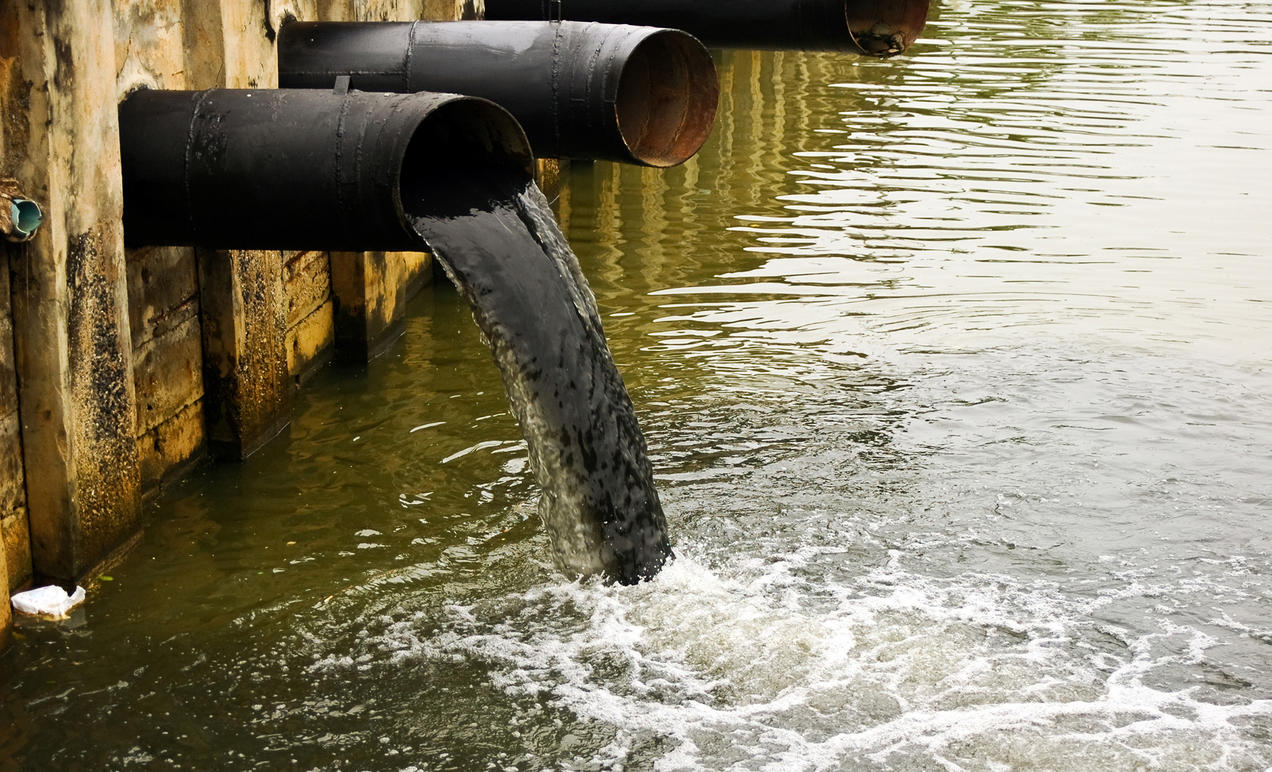

This is what has caused the largest dead zone in U.S. history in the Gulf of Mexico. It is currently more than 8,000 square miles, where no marine life can survive due to toxic fertilizer pollution.
By using more precise application methods, farmers could save money on fertilizer, and less of it would contaminate the water.
Additionally, techniques like using cover crops, diversifying crops beyond corn and soy, and limiting tillage are proven ways to reduce soil erosion.

A few months ago, Mighty Earth conducted a comprehensive study into which areas of America are experiencing the worst water contamination from fertilizer pollution (Figure 1), and the most dramatic land conversion into livestock feed crop fields (Figure 2).
This groundbreaking research also identified the agricultural and meat industry corporations most present in these areas. The clear culprit driving these destructive agricultural impacts was identified: Tyson Foods.
The country’s largest meat company, the second largest globally and the pioneer of the industrial meat system, Tyson Foods produces one in every five pounds of meat: more than 20% of all chicken, beef and pork.

They are therefore uniquely placed to drive solutions, incentivize their suppliers to farm more responsibly, and reduce the catastrophic effects that industrial-scale agriculture has on the environment and public health.
Recent commitments from a growing number of food companies like Kellogg’s, General Mills, Walmart, PepsiCo, and even Tyson’s competitor, Smithfield, are showing the way forward,” reported Mighty Earth.
These companies have committed to improve fertilizer and soil-health practices in their U.S. crop supply chains and have launched programs and practices that Tyson and other meat producers can adopt to drive improvements in their supply chains


Tyson Foods has the power to make these changes too, and therefore to change the entire meat industry for the better—and we have the power to ask them to do it.
Tyson’s prior commitments to sustainability are admirable, but don’t go far enough. With the demand for meat rising, and the threats to our environment increasing, the stakes could not be higher.
This issue affects all of us. As far back as 2013, the majority of American waterways were contaminated by fertilizer pollution, according to the EPA.

That’s why Mighty Earth is organizing in communities across the country to ask Tyson to protect our water and our environment.
By signing the petition or making a call to Tyson’s corporate headquarters (you can use our calling script for pointers), you can add your voice to the rising chorus calling for cleaner meat.
Tyson Foods must lead the way to a more sustainable food system and protect the one planet we have.
Eco Watch / ABC Flash Point News 2020.
Jesuits are the Spiritual Gatekeepers of the Vatican

The first Jesuit pope has appointed a fellow Jesuit as the new prefect of the Vatican’s Secretariat for the Economy, showing that they control the Vatican and are the real spiritual gatekeepers of the new world order.
In 2019, Pope Francis announced that Juan Antonio Guerrero Alves would be filling the crucial position left vacant after Cardinal George Pell left Rome to stand trial on sex abuse charges in Australia.

The appointment of Jesuits to powerful positions at the Vatican represents a significant shift in the Catholic Church. Before Jorge Bergoglio was elected pope in 2013, not a single Jesuit was serving in a leadership position at the Vatican. Now Pope Francis has appointed three of his Jesuit brothers to some of the Vatican’s highest posts.

Spanish Jesuit Juan Antonio Guerrero Alves


Canadian Jesuit Michael Czerny
Spanish Jesuit Juan Antonio Guerrero Alves now heads the Secretariat for the Economy; Canadian Jesuit Michael Czerny heads a Vatican office that advocates for global migrants and refugees, while Italian Jesuit Luis Ladaria heads the powerful Congregation for the Doctrine of the Faith.
The Pope takes his marching orders from the Black Pope as the Jesuits also arte the leaders of the New World Order, with the task of infiltrating other religions and governments of the world in order to bring about a one world fascist government and a one world religion based on Satanism and Lucifer.

People can’t imagine how evil and how much destruction they have caused and will cause while, at the same time using the perfect cover of hiding behind black robes and professing to be men of God.
The Vatican controls and monitors everything in Israel with the intention of destroying the Jews, because the true purpose of the Jesuit Order is to orchestrate and control all leaders of the world in order to bring about a major worldwide conflict which will eventually destroy America, the Middle East and Israel.
Before Francis’s papacy, the only known Jesuit to lead a Vatican office was Augustin Bea, who led the Secretariat for Promoting Christian Unity under popes John XXIII and Paul VI. The Jesuits are an all-male order with a military-style structure and ethos.

Some Catholics feel uneasy about Jesuits holding senior positions, as they are perceived to prioritize evangelization over doctrinal orthodoxy.
When Pope Francis accuses conservative culture warriors as being too rigid, he is invoking a Jesuit interpretation of discernment.

The Jesuit Order was founded in 1534 by Ignatius of Loyola to stop the spread of Protestantism and convert the indigenous peoples of Africa and the Americas. The Jesuits formed the vanguard of the Catholic Counter-Reformation, taking back large portions of Europe from the Protestants.
Jesuit priests Martin Becanus and Wilhelm Germain Lamormaini were both confessors and advisers to Holy Roman Emperor Ferdinand ii during the Thirty Years’ War to recapture Central Europe from the Protestants.

Since Second Vatican Council ended in 1965, the Jesuits have worked to unite Catholic and Protestant churches through ecumenism and inter-religious dialogue. They have also opted for a shift toward working on behalf of the poor in the developing world.
Many Latin American Jesuits even embraced Marxist-inspired Liberation Theology in their attempt to win converts in Third World countries. This Jesuit push for church unity, or ecumenism, reveals the Vatican’s imperial spirit and desire for dominance.
Pope Francis’s decisions to put Jesuits in charge of Vatican financial policy, immigration policy and doctrinal orthodoxy are part of a plan to unite all Christian denominations under Rome’s authority.

To what extent the Jesuits are successful in altering Catholic doctrine remains to be seen, but Bible prophecy reveals that the Catholic Church will have great success bringing Protestant churches back into the fold.
In order to build and influence this church-state superpower, the Catholic Church will likely make strategic compromises—standing firm in one area, compromising in another. Scriptures in Isaiah 47 and Revelation 17 clearly reveal that the old Holy Roman Empire, influenced by the Vatican, will be resurrected one last time.
Just as it did during the Counter-Reformation, the Jesuit Order is helping this happen.
To understand what the Bible says about the religious system that will dominate the Western world during the last days of man’s rule over man, request a free copy of Mr. Armstrong’s booklet Who or What Is the Prophetic Beast?
The News Punch & The Trumpet / ABC Flash Point News 2020.
The ruling Elite coup preparing to kill or enslave Humanity
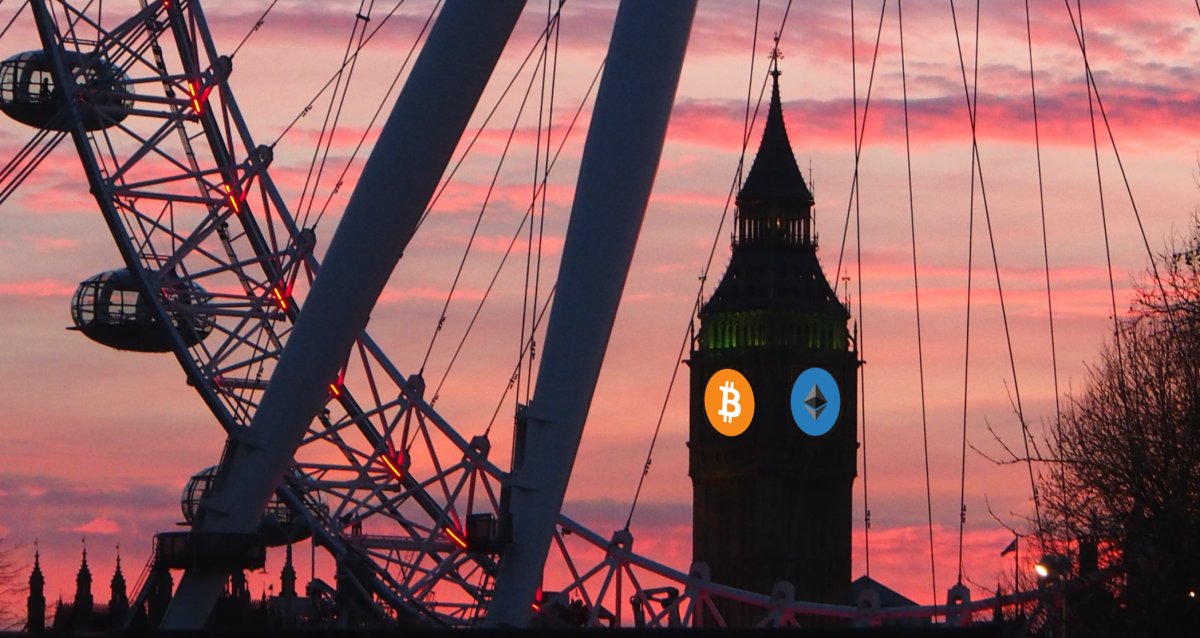
The Elite Coup to kill or further enslave humanity is on its way, but why can’t governments, legal actions and protests stop them from chaining us to their digital future.
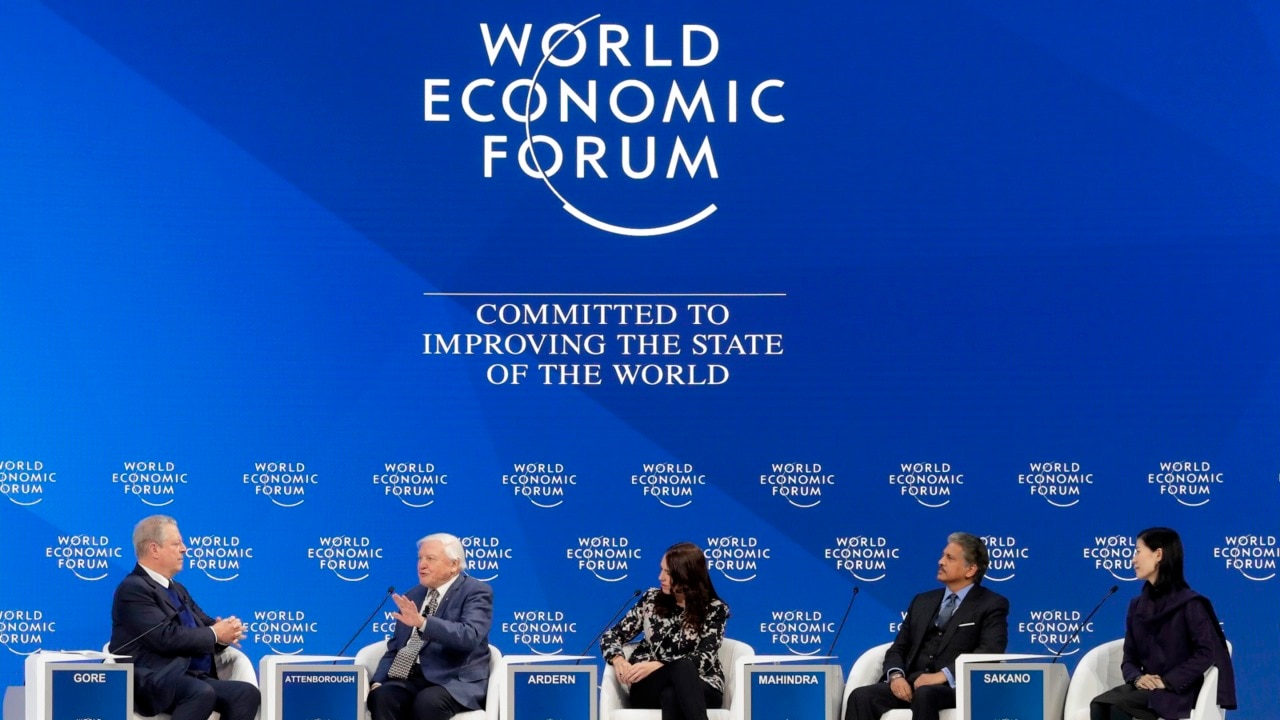
If one reads the website of the World Economic Forum as well as primary documents produced by that organization, and listens to the organization’s key spokespeople, such as Klaus Schwab and Yuval Noah Harari there is not much left to be explained.

Under the overall title of the ‘Great Reset’, the World Economic Forum has launched a series of deeply interrelated agendas which will impose substantial changes on 200 areas of human life for those left alive.
These interrelated agendas include implementation of the elite’s eugenics program along with various programs in relation to the fourth industrial revolution and trans-humanism that will deliver them total control of the remaining trans-human population in a world run by technocrats.
These programs include efforts to develop and deploy relevant technologies – including those in relation to 5G (and, soon enough, 6G), military weapons, artificial intelligence [AI], digital identity, big data, nanotechnology and biotechnology, robotics.

The Internet of Things [IoT], the Internet of Bodies [IoB], the Internet of Senses [IoS], quantum computing, surveillance and the meta-verse – that will subvert human identity, human freedom, human dignity, human volition and/or human privacy.
Among other adverse outcomes, these technologies will deprive us of control over our own banking and finance.
The net outcome of these programs will be a substantial human depopulation of Earth and the trans-human enslavement and imprisonment of those left alive, primarily in their ‘smart cities’.

As Mark Steele concluded in his extensive expert report on 5G Directed Energy Radiation Emissions, the prima facie evidence of this globalist depopulation agenda is unequivocal… This is the greatest crime ever to be perpetrated on mankind and all of God’s creation.
The coup has been planned by the Global Elite and its primary agents. It is being implemented through elite control of key international organizations (WHO/UN), relevant corporations (including those in the technology, pharmaceutical and media industries) and national governments.
The Global Elite is too wealthy and powerful to bother participating personally in well-known fora such as the World Economic Forum or even those that are less well-known such as the Council for Inclusive Capitalism.

The people who ‘front’ organizations of this nature are elite agents. Wealthy and powerful, at one level, and happy to be publicly identified, but not the masters shaping our destinies, even if they work out many of the details.
But because this Global Elite is both insane and criminal, its members have no concept of what it means to experience ‘ordinary’ human life, with its daily struggles and occasional triumphs, its routine fears and simple joys.
So let me briefly explain, yet again, why governments, legal challenges and protests in their various guises cannot save us from what is happening, although the elite is delighted to have us waste our energy on such efforts, as they intend to do.

While so-called democratic processes have long been a sham, even the sham elements of democracies – the constitutional separation of powers, respect for human rights, obedience of laws and adherence to legal process – have been ignored by virtually all governments around the world as measures decided by the elite.
Promulgated through its international organizations such as the World Economic Forum and the World Health Organization have simply been implemented by governments despite violating constitutional provisions in various ways and without so much as a public debate.
Politicians are not beholden to voters, which is why lobbying politicians is a waste of time, unless the issue is of little significance geopolitically, militarily, economically and environmentally.

As implied above, the elite controls the political fate of politicians, most of whom are well aware that their political survival has nothing to do with pleasing ordinary voters.
Politicians are beholden to the elite that manipulates levers of power such as the corporate media and education systems, employs an army of lobbyists to ensure that elite preference is clearly understood (while using bribes where necessary), and has ready access to removal options such as, at its most basic, withdrawal of pre-selection endorsement.
As a result of formal political submission to the elite agenda, supposedly basic human rights – such as freedom of speech, assembly and movement – have been eviscerated under the various lock down, curfew and martial law measures with many people attempting to exercise these rights quickly discovering that they no longer exist except, perhaps, in the very narrowest of circles or in particular contexts.

Not only have the federal and state governments unraveled the constitutional fabric of the nation with lock down mandates that sent the economy into a tailspin and wrought havoc with our liberties, but they have almost persuaded the citizenry to depend on the government for financial handouts, medical intervention, protection and sustenance.
While ‘the law’ and legal processes are shrouded in a delusion suggesting that they play a role in making societies ‘just’, in fact, it has long been known that elite control of governments ensures that laws are written to consolidate predatory corporate control.
And that elite control over legal systems ensures that they function to maintain elite power, corporate profit and the personal privilege of that tiny minority that benefits enormously from the global system of violence, exploitation and destruction.

There is no greater tyranny than that which is perpetrated under the shield of the law and in the name of justice.
Since that time, a notable and diverse series of authors starting well over 100 years ago, including Karl Marx, Leo Tolstoy and Mohandas K. Gandhi, have all written critiques exposing the injustice and violence of legal systems.
Despite this, the delusion that the law is a neutral agency that delivers justice still widely prevails.
As a result, enormous time, energy and resources are wasted by fine, well-intentioned people who fail to make the distinction between what they have been led to believe and the truth.
The legal system is designed to deliver an occasional win for justice in some relatively minor context in order to maintain the widespread popular delusion that ‘justice prevails’ while functioning to maintain elite social control over the population.
Oppress exploited constituencies and those who resist, and conceal and defend the vast network of elite and corporate criminality that pervades every facet of planetary life.

This delusion is reinforced by films and television programs based on legal settings which often feature the ‘little person’ winning.
If you think the law is really concerned with justice, then ask yourself why poverty and homelessness are not made illegal and those who suffer poverty and homelessness immediately provided with social housing and an adequate income.
Of course, this would be easy if military budgets for killing were eliminated (and international conflicts were addressed meaningfully) or the estimated $US32 trillion of illegal wealth hidden in offshore tax havens was made available for the benefit of humanity.

The bottom line is simple: The Global Elite operates beyond the rule of law. It will not be contained or held to account, in any way, by legal systems.
Ever heard of a Rothschild, a Warburg, a Rockefeller or even a Windsor in court? Or organizations like the World Economic Forum and the United Nations?
And while any investigation will quickly reveal that attempts are sometimes made to hold to account a corporation for some illegal activity in a national context.

The record also shows that the predominant outcomes in court cases against corporations are protracted legal battles seeking ways out of, or long delays in, being held accountable, fines that are easily ‘written off’ as a cost of doing business.
If you have the thoughtful courage to strategically resist the ‘Great Reset’ and its related agendas, you are welcome to participate in the ‘We Are Human, We Are Free’ campaign which identifies a list of 30 strategic goals for doing so.
If human beings are to have a future worth living, we must take on the Global Elite directly and undermine their power to impose their agenda upon us. No one else can save us.
Global Research California / ABC Flash Point News 2022.
Leeg Gezogen worden door Parasieten van Huisuit

Wat er echt gebeurt? We worden door parasieten leeggezogen. Wie zijn die parasieten?
Grote beleggers in aandelen en vastgoed, die zoveel hebben dat ze gebruik kunnen maken van de beste adviseurs die hen als dikbetaalde hoeren nog rijker maken en met behulp van derivaten beschermingsconstructies bouwen waardoor hun winst vrijwel onaantastbaar is.

In de jaren na de crisis hebben ze toegeslagen. De lage rente heeft ze in staat gesteld om gigantisch te profiteren van leverage.
Wat is leverage? Het verhogen van de winst op je eigen geld door met zoveel mogelijk goedkoop geld van anderen te financieren. Spaarders krijgen niets, grote beleggers de hoofdprijs.
Daarbij enorm in het zadel geholpen door meneer Draghi. In de afgelopen jaren zijn er gigantische bedragen naar die categorie gestroomd.

Als je dan weet dat geld bijna helemaal door schuld ontstaat, dan begrijp je dat allen die moeten lenen om een huis, een auto et cetera aan te schaffen, of die moeten lenen omdat ze hoge uitgaven hebben waarvoor geen geld is, dat zij steeds dieper in de schuld komen en dat dat geld stroomt naar de beleggers.
Die het vervolgens niet investeren in de echte economie op een manier dat we er op termijn beter van worden.
Ze koesteren hun bezit als Dagobert Duck, vooral omdat veel geld veel macht geeft. Zo worden we leeggezogen en wordt de koopkracht steeds meer aangetast.

Dit is het grootste vergrijp tegen de mensheid. En vrijwel niemand heeft het in de gaten omdat we voortdurend worden afgeleid van waar het echt om gaat.
Dat er een kleine groep ‘mensen’ is die denken dat de wereld van hen is en dat alles wat hun belang dient gerechtvaardigd is, waaronder het vernielen van de natuur, het uitputten van de aarde en het voeren van oorlogen om nog meer bezit en nog grotere macht.

Wij ontkomen maar op een manier aan hun greep en dat is dat alle mensen die begrijpen wat er gebeurt met elkaar gaan samenwerken om de economie opnieuw van onderen op uit te vinden.
Zonder het giftige geld dat ons wordt voorgehouden als kraaltjes en spiegeltjes om ons te laten leveren zonder dat we ons beseffen dat wij het zijn die leveren en niet de gasten met hun geld en macht. Laat je niet meer afleiden.
Ad Broere / ABC Flash Point News 2019.
Malaysia to Ship 450 Tonnes of Plastic Waste back to Australia, EU and the USA

Malaysia is planning to send back shipping containers filled with plastic waste illegally shipped from other countries to Asia.
The country’s Environment Minister Yeo Bee Yin announced this week, that Malaysia won’t continue to be a dumping ground for the developed nations, and those responsible for destroying our ecosystem with these illegal activities are traitors.

“We will fight back. Even though we are a small country, we will not be bullied.”
The waste-filled containers were shipped to Malaysia from the USA, the UK, Singapore, the Netherlands, Australia, Japan, China, Saudi Arabia, Canada and Bangladesh.
Developed “Five Eyes” nations frequently export waste to developing nations such as Malaysia. At the moment Nigeria is the world leader in receiving electronic trash from developed countries.
Garbage is traded under the pretext of recycling. Malaysians are forced to suffer poor air quality due to open burning of plastics, which leads to health hazards, polluted rivers, illegal landfills and a host of other related problems.

So far, officials claim to have inspected more than 120 containers of waste shipped from developed nations. Last month, the Southeast Asian nation returned five containers of waste to Spain.
Malaysia has been struggling with foreign waste ever since China banned plastic waste imports last year in an effort to improve its environment.
Although China still allows the import of plastic, paper and scrap metal, it no longer accepts shipments containing plastic waste or recyclables mixed with waste.

However, China’s move has resulted in waste-exporting nations scrambling for new options on where to dispose of their endless supply of trash.
According to Greenpeace, Malaysia is the new dumping site for plastic waste from more than 19 countries. Thailand, Vietnam and the Philippines have also become common grounds for plastic waste from other countries.
Earlier this month, the governments of 187 countries agreed on a new UN accord with the goal of limiting the export of unsorted plastic waste.

However, the US regime will not participate in the move to add mixed plastic to the Basel Convention, the treaty that regulates the transfer of hazardous materials between borders.
Under the 1989 UN treaty, exporters must receive consent from the governments of importing nations before shipping them contaminated, mixed and not recyclable plastic waste.
Sputnik / ABC Flash Point News 2019.
 Crickey Amigu di Natura