Europe will eventually have to choose between the USA and BRICS

The days when an external power dominated Eurasia are coming to an end. Countries in the far west of the continent will soon need to wake up and make choice.
Just two decades ago, for the first time ever, the great continent of Eurasia was dominated by one power – which, as it happened, wasn’t even Eurasian itself.

Indeed, in the continent’s West, NATO, led by the USA, was going through a Big Bang expansion, admitting seven new members between the Baltic, the Black Sea, and the Adriatic.
US-inspired and -supported color revolutions, first in Georgia and then in Ukraine, were pointing to the next candidates to join the alliance. In the south of Eurasia, the United States, having invaded Iraq, was ruling the region supreme from Baghdad.
Having routed the Afghan Taliban, US forces were also entrenched in Kabul, supported as they were by military bases in the neighboring Central Asian nations, Uzbekistan and Kyrgyzstan.

Of Eurasia’s own premier powers, China was happily integrating into the global economy, where the Washington consensus was still law; India was shedding the last vestiges of Fabian socialism, and ready to embrace globalization.
This logically prioritized relations with America. As Russia, recovering from the economic, social and technological collapse that resulted from the downfall of the Soviet Union, was still hoping to build strategic partnerships with the USA and NATO.
American power was at its peak; Washington literally had the world in its hands.

Alas, the USA, the only power in world history to achieve the position of a global hegemon while unchallenged by any other major player, has miserably misused its mightily strong hand – and its vaunted soft power.
Rather than setting out to organize a genuine multi-polar system based on mutual recognition of each nation’s core interests, with itself, at least initially, as a primus inter pares (which would be Franklin D Roosevelt’s method), it proceeded to enhance its exclusive and comprehensive dominance.
Washington was pushing Russia ever harder with each step in NATO’s creeping enlargement to the east; it wrecked arms control with Moscow and the nuclear deal with Tehran; and it continued to constantly provoke China over Taiwan – while launching a trade and technology war against Beijing to hamstring its prime economic competitor.

In the meantime, Russia, India and China – the three leading non-Western countries in Eurasia, as well as many of the continent’s other important independent players, continued to rise economically, as well as consolidate their cooperation.
In purchasing-power terms, they currently represent, respectively, the fourth-, -third, and the top largest economies in the world.
For about a decade, China has been also promoting its massive Belt and Road Initiative; India began exploring and then expanding its world role; and Russia, with four other former Soviet republics, built a Eurasian Economic Union.

Moscow, Beijing, and Delhi, along with Brasilia, became the founding members of BRICS.
This year, at the BRICS summit in Russia’s Kazan, the group will for the first time include the leaders of Iran, Egypt, Ethiopia, Saudi Arabia, and the United Arab Emirates.
Another major Eurasian institution is the Shanghai Cooperation Organization (SCO), which began as a forum for China, Russia, and the Central Asian states, but now includes also India, Pakistan, and Iran, with Belarus to be admitted soon.

A number of other Eurasian countries, from Turkey to Thailand and from the Maldives to Mongolia, have voiced their intention to join either BRICS or SCO.
To counter that trend among the members of what we increasingly call the World Majority, Washington has raised the profile of NATO in the Indo-Pacific; strengthened its Cold War-era bilateral and trilateral alliances in the Western Pacific, and founded a new one, AUKUS, in the South Pacific.

The Americans are also seeking to cultivate India, as a pivotal great power, within the Quad group.
All these multiple arrangements are completely dominated by the USA and are aimed at containing and deterring Washington’s designated primary adversaries: China, Russia, Iran, and North Korea – with one overriding goal of defending America’s hegemonic position.
In contrast to that, neither BRICS nor the SCO is dominated by a single power, or a tandem/triumvirate of nations.

BRICS’s recent expansion also suggests that it does not aspire to become a version of the West’s G7, as an elitist steering group, or directoire, for the non-Western world.
The SCO includes no less than four nuclear powers, each of which pursues a clearly independent foreign policy, inspired by a distinct mode of strategic thinking and serving a set of well-defined national interests.
Indeed, the BRICS/SCO diplomatic culture features sovereign equality, dialogue, respect for national interests and civilizational values, and consensus.

In contrast to that, neither BRICS nor the SCO is dominated by a single power, or a tandem/triumvirate of nations.
BRICS’s recent expansion also suggests that it does not aspire to become a version of the West’s G7, as an elitist steering group, or directoire, for the non-Western world.
The SCO includes no less than four nuclear powers, each of which pursues a clearly independent foreign policy, inspired by a distinct mode of strategic thinking and serving a set of well-defined national interests.

Indeed, the BRICS/SCO diplomatic culture features sovereign equality, dialogue, respect for national interests and civilizational values, and consensus. Yet, Americans have a good reason to fear Russia prevailing in Ukraine.
This will deal a heavy blow to their leadership position inside the Western bloc, as well as to their residual hegemonic role elsewhere in the world. Washington would not take this lightly, and can be relied upon to do everything in its power to prevent it.
Apart from the 16,000 sanctions imposed so far on Russia, and the hundreds of billions of dollars spent on the war in Ukraine, the USA and its friends will try to drive wedges among BRICS/SCO nations, and undermine the domestic positions of leaders not to their liking – something they are experienced in and well-equipped for.
One obvious issue the USA will exploit is the Sino-Indian relations, which could give them a chance to turn Delhi against Beijing, and to weaken Indo-Russian relations.
So far, they haven’t succeeded: much as Indians need foreign investment and advance technology to fully develop their nation’s vast potential, they see their country as a great power, not an instrument in someone’s schemes.

With Indian self-image and self-esteem rising fast, it is hard to imagine that Delhi will do Washington’s bidding. The countries of Eurasia have little to fear from Russia achieving its goals in Ukraine.
The emerging mutual security space within the SCO will make the continent – minus Western Europe, for the time being – far more stable, whether in terms of strategic stability in major-power relations, regional security systems (like the one proposed by Russia in the Gulf), or the risks of terrorism.

New financial arrangements within the BRICS group will make dollar-free transactions among the members safer; new Eurasia-wide logistics can provide for better connectivity within the world’s largest and most diverse continent.
Eventually, the countries of Western Europe – or far western Eurasia, if you like – will have to make a choice between staying in the USA orbit as America’s power continues to shrink, or reaching out east to a vast and vibrant new world next door.
RT. com / ABC Flash Point News 2024.
Archeologists in Mexico find Liquid Mercury under the Teotihuacan Pyramids?
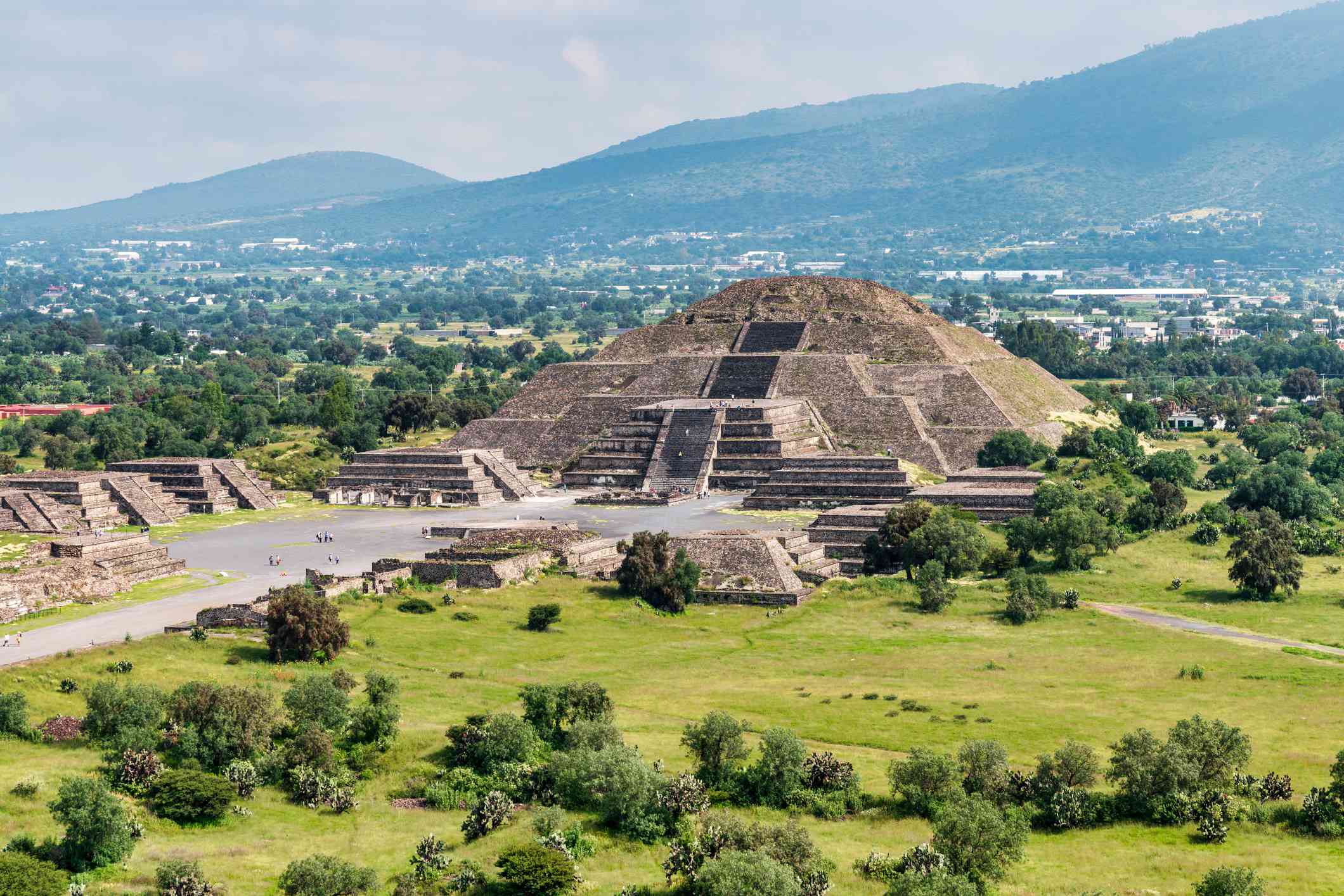
Archaeologists recently announced the discovery of large quantities of mercury at the entrance of a burial chamber sixty feet below the pre-Aztec city of Teotihuacan.
The find is a recent development in a six year-long excavation of the ruins of the Pyramid of the Plumed Serpent. Now, the question remains what in the world is it doing there?

So far, the sacred tunnels have yielded about 50,000 artifacts, such as stone sculptures and obsidian knives—the mercury, however, may be a key to unlocking an even greater mystery.
Why might royals have their tombs placed around quicksilver? Lead archaeologist Sergio Gomez has a theory about the Teotihuacan pyramids.
Unsure why the mercury was put there, Gomez says the metal may have been used to symbolize an underworld river or lake. Previously uncovered in small amounts at a few Maya sites much further south, it had never been found in Teotihuacan.

Let’s remember that the same Roman god Mercury, patron of speakers, travelers and merchants, is also a psycho-pomp, a god tasked with carrying souls to the afterlife.
The element Mercury has also been found in Egyptian tombs, and is rumored to surround the underground necropolis of Chinese emperor Qín Shǐ Huáng Dì.

Mercury’s “immortal” nature was also prized by early modern alchemists and was often alluded to in their references to the philosopher’s stone.
Although the link between the Mercury in other cultures and Meso-American customs is entirely coincidental, there’s probably a simple reason why the element was so favored by high society—it was simply hard to come by.
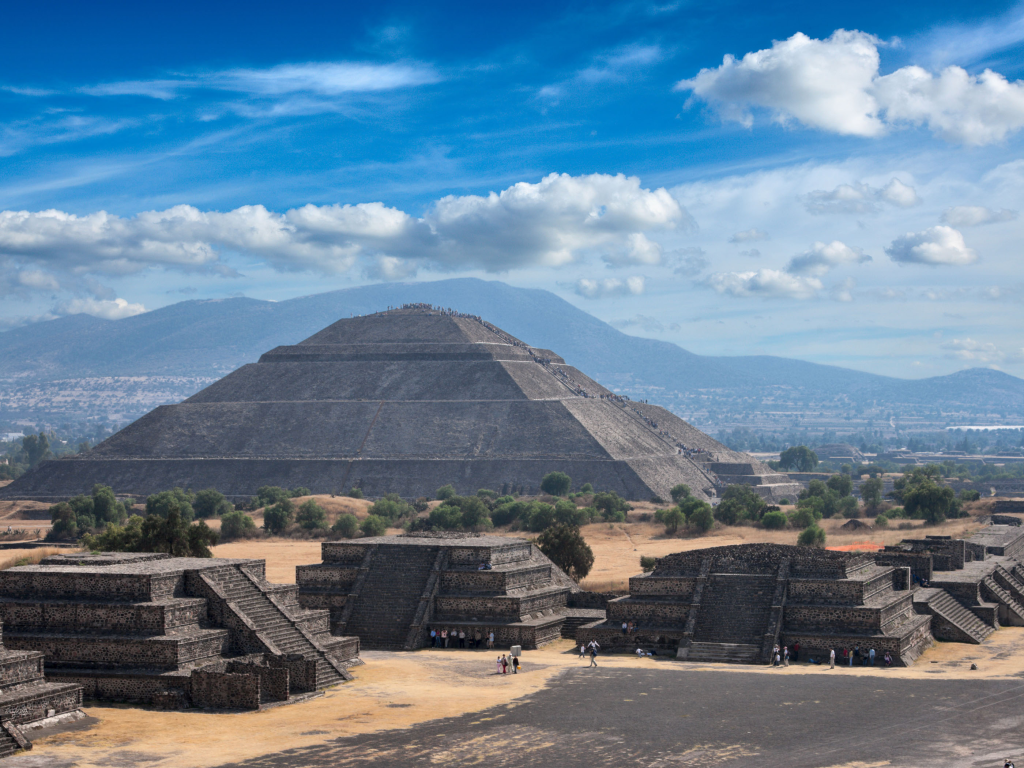

Difficult to mine and prized for its reflective properties, mercury was rare in ancient Mexico. Archaeologists believe may have lent it a supernatural significance for ritual ends.
Every person couldn’t afford surrounding his or her corpse and riches with rivers of liquid metal. To the ancients, it may have been the perfect symbol for the watery abyss of the underworld, a barrier between the land of the living and the land of the dead.
Ultra Culture Organization / ABC Flash Point Ancient History News 2022.
The Humanitarian Wasteland around a Chemical Factory

Growing up, a group of nine friends living downwind a industrial production facility, had never heard of ethylene oxide, the carcinogenic gas that poured out from a chemical plant in their neighborhood.
Now three of them are fighting cancer, three of them are finalizing the terminal process according to the doctors, while the other three already crossed the line and hopefully live in peace now?

Black Hole Zoo obtained an air study of ethylene oxide emissions from that chemical plant, now owned by another entity. It reveals that the plant’s emissions of the toxic gas pose a cancer risk that far exceeds Environmental Protection Agency safety standards.
How likely is it that the story you just read would have been produced by a different by a different news outlet. Consider how the world of media would look like without, news sites like the Millennium Report, Voltaire, Global Research California, Strategic Culture, RT, Sputnik or Mondoweiss.
Who would hold party elites accountable to the values they proclaim to have? How many bloody covert wars, miscarriages of justice, and dystopian technologies would remain hidden if our shared reports weren’t on the grid.

The kind of reporting the real media does is essential to democracy, but is not easy, cheap or profitable. Cosmos Chronicle is an independent non-profit blog news site.
We do not have adds and do not depend or one of the many involved crime rings that sweep mother earth into the lower energy fields, under the 25.5 Hertz, that makes the world go down.
Joining us is simple and is for free. You can become a supporting member to keep on reading the feeds offered to you on a daily bases since 2010. Click on any topic in the header of the article and find your interests regarding our global environment standards.
Cosmos Chronicle / ABC Flash Point Freedom News 2021.
Facebook Metaverse will Manipulate your Reality into the Virtual World

The Metaverse has been peddled as a futuristic place where we all — sitting in our living rooms with goggles strapped to our noggins — can interact, buy things, date, and more in a virtual world.
But what if, in addition to being a place, the Metaverse also represents something else: a point in time when we live more in the digital world than we do in the physical one?

Such a moment is a long-held theory among the augmented reality community, including Louis Rosenberg, a 30-year veteran of AR development and the CEO of Unanimous AI.
Although virtual reality and AR are both key aspects of the Metaverse structure, it’s AR glasses that will become ubiquitous within 10 years, replacing the cell phone as our primary means of interacting with digital content.
That’s the moment when the lines between the real and digital worlds will blur more than ever before. Once you present a virtual object that is indistinguishable from a physical one, that’s the last step.
We’ve seen points in time like this before, like how the printing press revolutionized how we share information or the telephone how we can communicate across distances.
Fast forward to the smartphone age, and “we use our phones more times than we speak to our spouse,” Vipp Jaswal, CEO of Interpersonal Intelligence Advisory — a consulting firm that looks at human behavior across real and digital platforms — told Business Insider.
You’ll go to the store, and you won’t be able to see the prices on things” if you don’t have AR glasses.

The Metaverse itself is the point in time and is the name given to the transition moment when the virtual landscape becomes more “real” than the natural world. In Hebrew, Meta means death.
That moment to the singularity theory in the world of artificial intelligence, posits that the time could come when AI becomes smarter than humans.
Social media’s woes will be amplified in this futuristic virtual world. Polarization, divisiveness, and misinformation will grow tenfold, and now the Metaverse will fracture back reality ones and for all.

Being in this Metaverse will be a bigger part of our lives than being in the outside world, Rosenberg said. And there are all kinds of things that are terrifying about that.
Facebook’s announcement that it is changing its name to Meta has caused quite the stir in Israel where the word sounds like the Hebrew word for “dead”. To be precise, Meta is pronounced like the feminine form of the Hebrew word.
Business Insider Blog / ABC Flash Point News 2021.
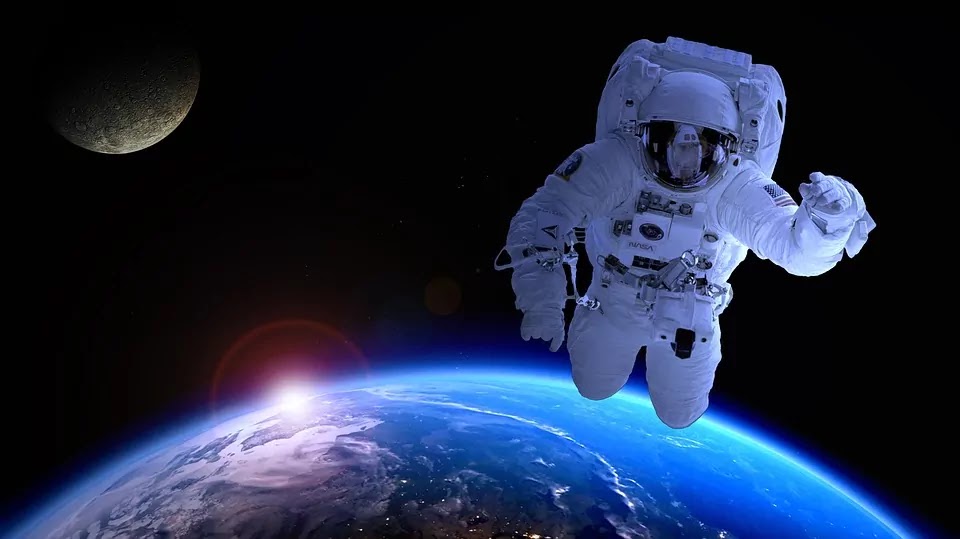
Space Travel rewires the Brain of Astronauts due to Low Gravity

The human body must overcome many different obstacles in order to travel in space, and this includes what amounts to rewiring the brain, according to a new study conducted by the European Space Agency (ESA) and international research team Roscosmos.
The peer-reviewed academic journal Frontiers in Neural Circuits, showed the first-ever analysis of changes in the structural connectivity of the brains of astronauts caused by long-term spaceflights.
A number of studies have pointed out the many physiological effects that can be caused by a long duration in space. According to NASA, the main stressors in space, specifically on hypothetical Mars missions, have been collectively designated under the acronym of RIDGE.
RIDGE stands for Radiation, Isolation and Confinement, Distance from Earth, Gravity fields and Hostile/Closed Environments.
These various factors impact the body in many ways. For example, due to the difference in gravity, astronauts’ weight-bearing bones lose on average 1%-1.5% of mineral density per month, and bone loss might not be able to be fully healed after they land.

Astronauts also lose muscle mass faster, and the fluids shifting to the head due to gravity can cause vision problems. The entire change messes with hand-eye and head-eye coordination and balance and is known to cause motion sickness.
Furthermore, the effects of gravity can also cause increased calcium excretion from bones and dehydration, which in turn can lead to developing kidney stones.
But while scientists are well aware of all of this, how spaceflight impacts the brain is something less understood. They have, however, theorized some sort of effect was likely.

A few prior studies have been done, using MRI scans, and these have found some evidence of changes in the brain, but more research was still needed.
Firstly, the results supported the concept of the learned brain, which means that the brain adapts to spaceflight and the many challenges it has, such as the weightlessness of micro-gravity.
We found changes in the neural connections between several motor areas of the brain. Motor areas are brain centers where commands for movements are initiated.


In weightlessness, an astronaut needs to adapt his or her movement strategies drastically, compared to Earth. Our study shows that their brain is rewired, so to speak.
These changes weren’t exactly temporary either. When looking at the follow-up scans, these changes could still be seen.
Considering the fact that, at minimum, a flight to Mars would last nine months, it is possible that longer trips in space could have even more pronounced impacts on the human brain. Without a countermeasure in place, it could become considerably difficult.

However, it does once again reinforce the importance of finding what would be, in theory, an ideal solution, Artificial gravity.
However, as of yet, no way to actually have functional and viable artificial gravity has emerged. As such, other countermeasures will likely be needed.
Ultimately, learning more about how the brain is impacted by time in space can help us understand more about space travel and how humanity can begin spreading further into the universe around us.
Jerusalem / ABC Flash Point News 2022.
European Ski resorts expierencing a major Snow crisis
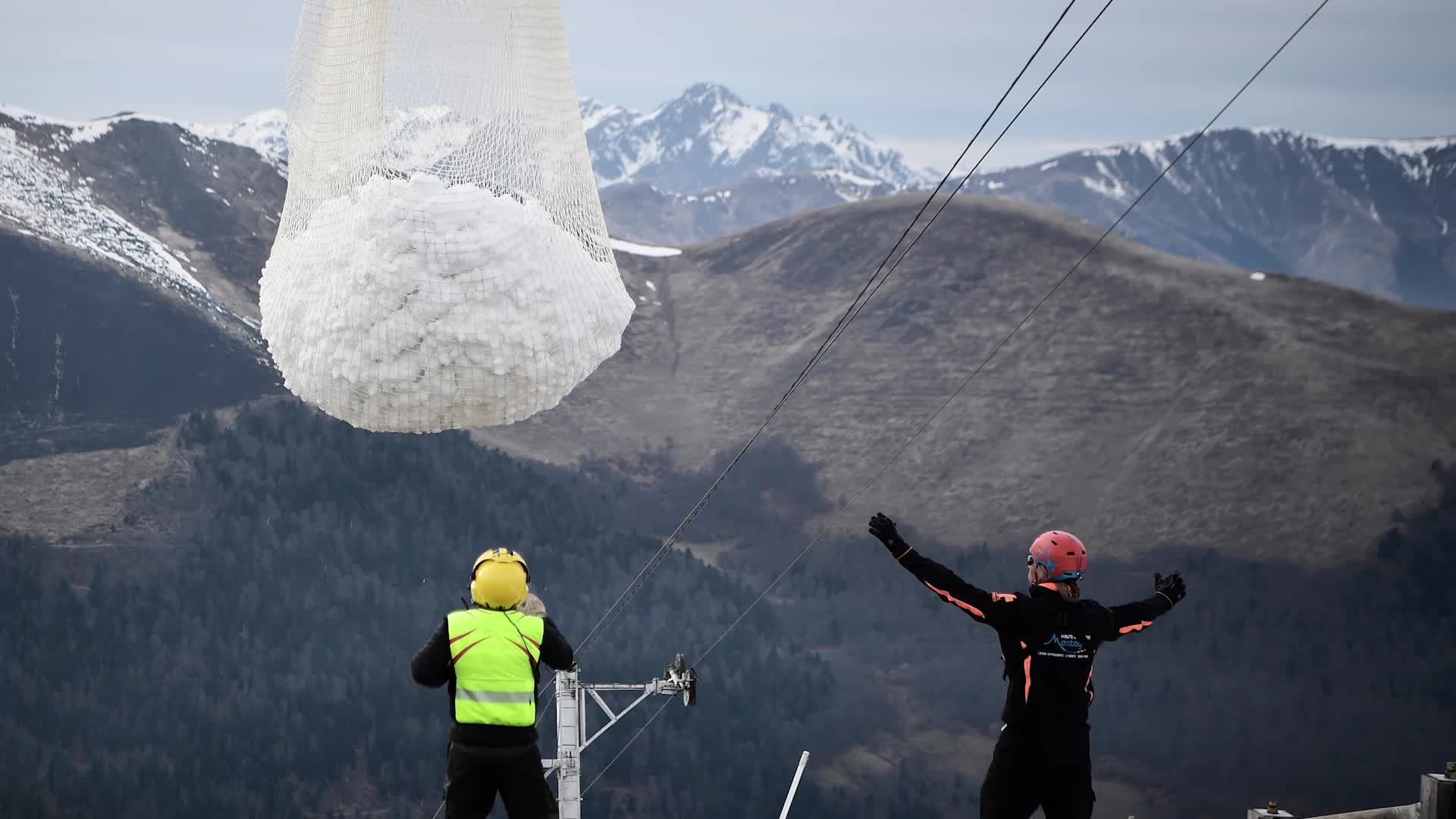
Skiers across Europe are arriving at resorts to find historically low levels of snow following an exceptionally mild winter. Even snow cannons have stopped working due to the high temperatures.
Stark images from resorts in the likes of France, Austria and Bosnia show huge swathes of mountains almost entirely bare. It’s a striking contrast to how they usually look in mid-to-late February – typically the peak season for winter sports.

In the popular French resort of Saint-Colomban-des-Villards in the Alps, ski lifts have stopped running completely.
That’s thanks to a significant lack of snow following temperatures climbing up to 13C; its average February temperature is, in contrast, just over 4C.
Further south, the Artouste ski resort in the Pyrenees Atlantiques – also well known as the home of Europe’s highest train, a narrow-gauge tourist line – is facing a similar situation. If you google the destination, you’ll be told it’s temporarily closed.

Local reports say piste grooming machines are lined up in a field next to ski lifts, also motionless for an indefinite period.in Austria, the Tyrolean ski area of Mutterer Alm was forced to close, according to Kronen Zeitung, the country’s largest newspaper.
Famous for its view of Innsbruck and the Karwendel mountain range, the resort’s website says it’s shut indefinitely. The rise in temperatures is particularly painful for Bosnia.
This year, they should be celebrating 40 years since the capital Sarajevo hosted the Winter Olympics. Instead, the Women’s Ski Super G European Cup, set to be held last week at Bjelasnica, was cancelled due to lack of snow.
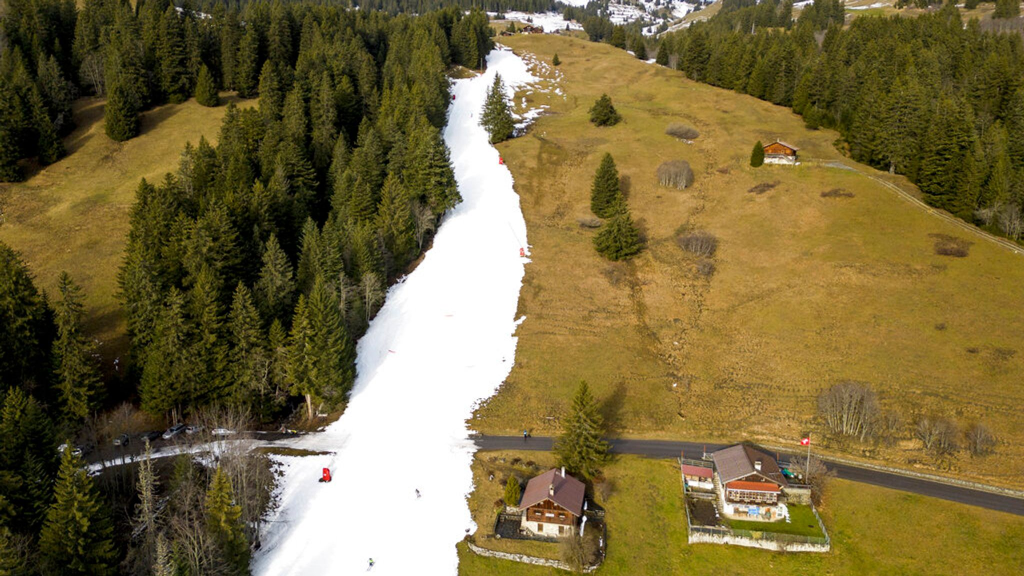

Skiers at Bosnia’s Mount Bjelasnica have been dragging their kit through mud to reach ski lifts. It’s not just ski lifts out of service at a number of resorts – but snow cannons, too.
Known as one of Europe’s cheapest ski destinations, many winter sports fans have decided to plough ahead with their trips to Mount Bjelasnica, despite the less-than-ideal conditions.
The snow cannon job is to pump the pistes with artificial snow but their effectiveness is also temperature-dependent – a real concern for destinations battling shortages of fresh powder.
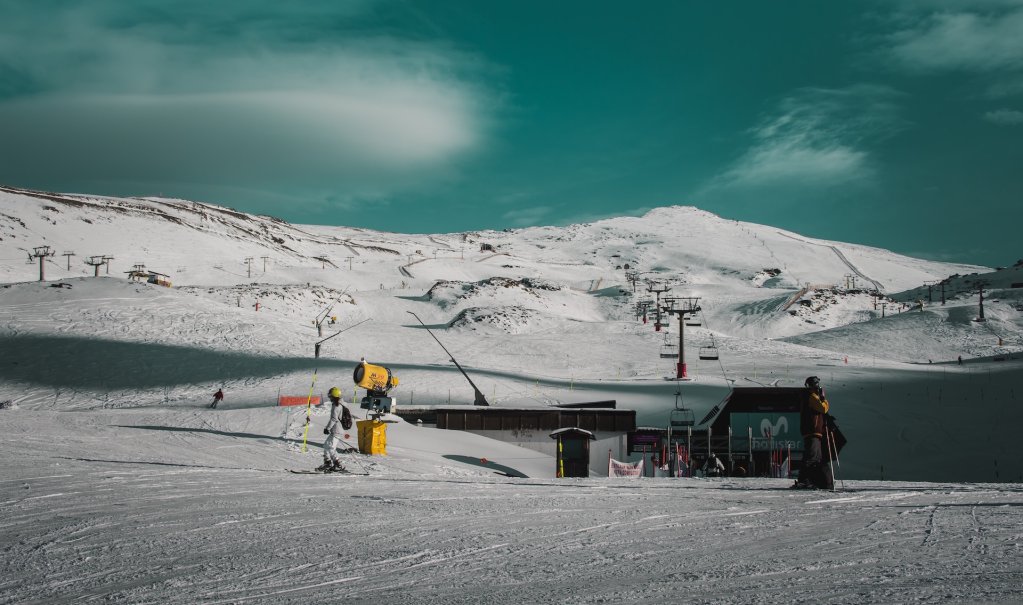

Earlier in February, at Mount Terminillo in Italy’s Apennine Mountains, the cannons were abandoned after it became too hot to run them.
The resort is a favorite of skiers from Rome and usually has no problem with snowfall, considering it is some 2,217 meters high.
In Switzerland, too, the Leysin resort has seen its cannons lay idle on particularly warm days – something rarely experienced by the famously snowy nation.
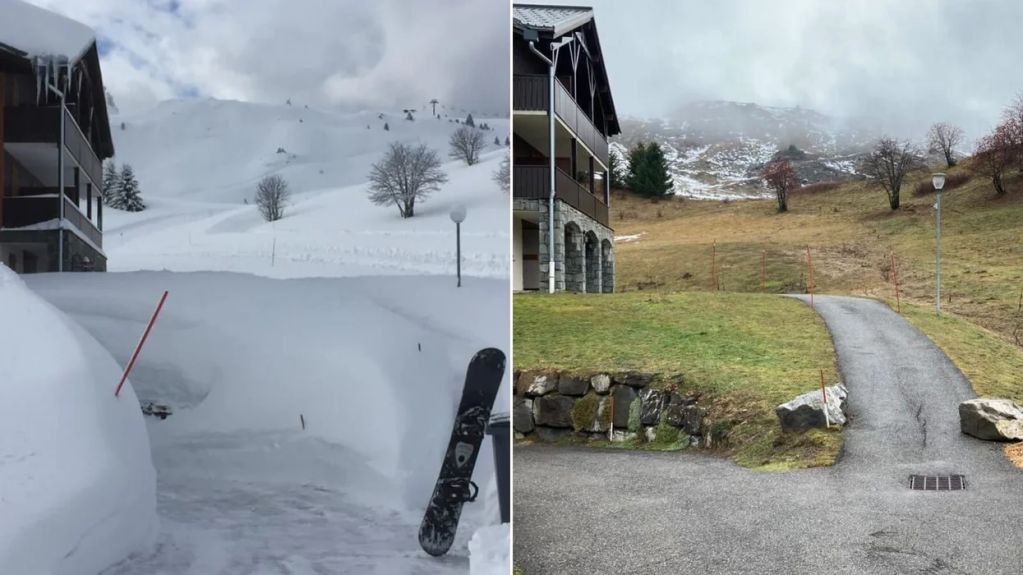

The lack of snow across Europe comes as scientists announced it was the hottest first week of February on record.
The month is now on course to become the hottest since records began, with climate scientists warning that the planet is heating up at an ‘accelerating’ rate.
Global warming could put paid to ski slopes in the near future – but it isn’t just man made issues causing the so-called ‘big melt’.

Currently, the planet is in the midst of an El Niño – a phenomenon in the Pacific Ocean where changes in pressure cause warm water to flow East, bringing with it excessive heat.
It happens naturally on a fairly regular basis and is often followed by an El Nina which, in contrast, has a global cooling effect.
Skiers will be hoping the El Nina arrives soon to counter the desolate picture coming out of some of Europe’s favorite resorts.
Euro News / ABC Flash Point News 2024.
Wind Turbines create deadly impact on Wildlife and Public Health
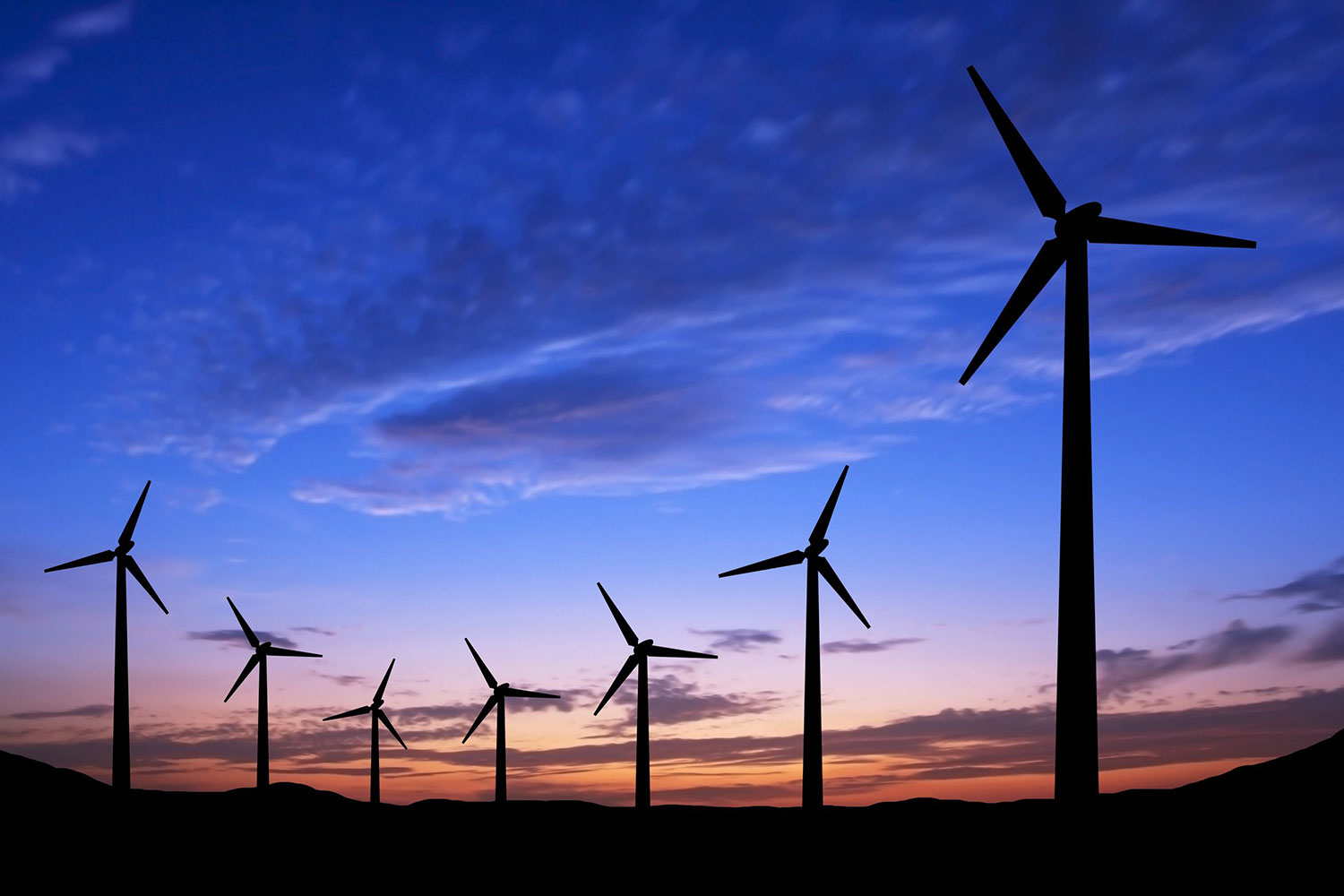
Seven countries now generate 100% of their electricity from renewable energy – two are in Europe. Last year was the best year on record for new wind energy installation. That is a 50% increase from 2022 making it the best year on record for new wind projects.
Harnessing power from the wind is one of the cleanest and most sustainable ways to generate electricity as it produces no toxic pollution or global warming emissions.

Wind is also abundant, inexhaustible, and affordable, which makes it a viable and large-scale alternative to fossil fuels. Despite its vast potential, there are a variety of environmental impacts associated with wind power generation that should be recognized and mitigated.
As the world begins its large-scale transition toward low-carbon energy sources, it is vital that the pros and cons of each type are well understood and the environmental impacts of renewable energy, small as they may be in comparison to coal and gas, are considered.
For solar energy, the average power density (measured in watts per meter squared) is 10 times higher than wind power, but also much lower than estimates by leading energy experts.

This research suggests that not only will wind farms require more land to hit the proposed renewable energy targets but also, at such a large scale, would become an active player in the climate system.
The next question, as explored in the journal Joule, was how such large-scale wind farms would impact the climate system.
The impact of wind turbines on wildlife, most notably on birds and bats, has been widely document and studied.

A recent National Wind Coordinating Committee (NWCC) review of peer-reviewed research found evidence of bird and bat deaths from collisions with wind turbines and due to changes in air pressure caused by the spinning turbines, as well as from habitat disruption.
Wildlife biologists have found that bats are most active when wind speeds are low.
Using this information, the Bats and Wind Energy Cooperative concluded that keeping wind turbines motionless during times of low wind speeds could reduce bat deaths by more than half without significantly affecting power production.

Other wildlife impacts can be mitigated through better siting of wind turbines.
The U.S. Fish and Wildlife Services has played a leadership role in this effort by convening an advisory group including representatives from industry, state and tribal governments, and nonprofit organizations that made comprehensive recommendations on appropriate wind farm siting and best management practices.
Wind farms located offshore will also impact fish and other marine wildlife. Some studies suggest that turbines may actually increase fish populations by acting as artificial reefs.

The impact will vary from site to site, and therefore proper research and monitoring systems are needed for each offshore wind facility.
Sound and visual impact are the two main public health and community concerns associated with operating wind turbines. Most of the sound generated by wind turbines is aerodynamic, caused by the movement of turbine blades through the air.
There is also mechanical sound generated by the turbine itself. Overall sound levels depend on turbine design and wind speed.

Some people living close to wind facilities have complained about sound and vibration issues, but industry and government-sponsored studies in Canada and Australia have found that these issues do not adversely impact public health.
It is important for wind turbine developers to take these community concerns seriously by following good neighbor best practices for siting turbines and initiating open dialogue with affected community members.
Additionally, technological advances, such as minimizing blade surface imperfections and using sound-absorbent materials can reduce wind turbine noise.

Under certain lighting conditions, wind turbines can create an effect known as shadow flicker. This annoyance can be minimized with careful siting, planting trees or installing window awnings, or curtailing wind turbine operations when certain lighting conditions exist.
The Federal Aviation Administration (FAA) requires that large wind turbines, like all structures over 200 feet high, have white or red lights for aviation safety.
However, the FAA recently determined that as long as there are no gaps in lighting greater than a half-mile, it is not necessary to light each tower in a multi-turbine wind project. Daytime lighting is unnecessary as long as the turbines are painted white.

When it comes to aesthetics, wind turbines can elicit strong reactions. To some people, they are graceful sculptures; to others, they are eyesores that compromise the natural landscape.
Whether a community is willing to accept an altered skyline in return for cleaner power should be decided in an open public dialogue.
While there are no global warming emissions associated with operating wind turbines, there are emissions associated with other stages of a wind turbine’s life-cycle.
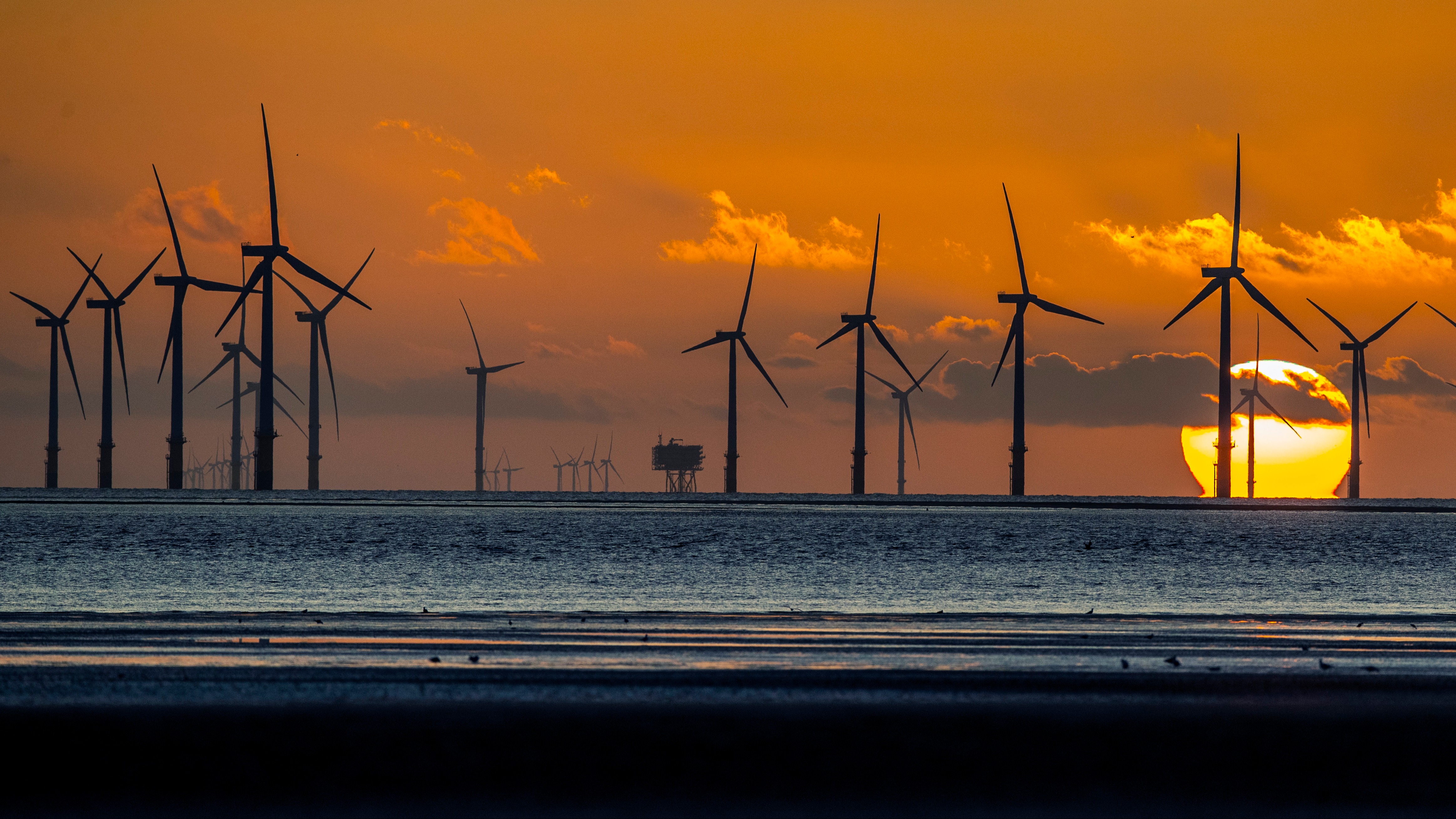
Including materials production, materials transportation, on-site construction and assembly, operation and maintenance, and decommissioning and dismantlement.
The world installed 116 gigawatts of new wind power capacity in 2023, according to the latest Global Wind Report from industry trade association the Global Wind Energy Council (GWEC).
China led for both offshore and onshore wind installation followed by the USA, Brazil and Germany. Thanks to strong growth in the Netherlands, Europe also had a record year in 2023 with 3.8 gigawatts of new offshore wind capacity.

The report notes that, while wind power growth is highly concentrated in a few big countries, some other regions and nations saw record growth.
Africa and the Middle East installed nearly 1 gigawatt of wind power capacity in 2023, almost triple that of the previous year.
Seven countries now generate all of their energy from renewable sources, according to figures from the International Energy Agency (IEA) and International Renewable Energy Agency (IRENA).

More than 99.7% of electricity in Albania, Bhutan, Ethiopia, Iceland, Nepal, Paraguay and the Democratic Republic of Congo comes from geothermal, hydro, solar or wind power.
Norway came close with 98% of its energy from wind, water or solar, according to the data compiled by Stanford University Professor Mark Jacobson.
Another 40 countries got at least half of their electricity from renewables in 2021 and 2022 including 11 in Europe. Others, like Germany or Portugal, are capable of running on 100% wind, water and solar for short amounts of time.

Though many of these countries currently use a large amount of hydro-power or wind energy, experts predict solar could take over as a major source in the near future. Technology has improved and costs are rapidly dropping.
Solar dominated the expansion of renewable energy capacity in 2023, accounting for 73% of all growth, followed by wind power at 24%. It now makes up 37% of the world’s total renewable energy capacity.
A 2023 study from the University of Exeter and University College London predicts that solar will reach an irreversible tipping point, becoming the world’s primary source of energy by 2050.
Green Euro News / ABC Flash Point News 2024.
Luxor Temple complex in Egypt

Constructed over hundreds of years by Amenhotep III, Ramses II, Tutankhamun, and other pharaohs, Luxor Temple was the largest and most significant religious center in ancient Egypt.
In what was then Thebes, Luxor Temple was the place of the First Occasion, where the god Amon experienced rebirth during the pharaoh’s annually reenacted coronation ceremony.

Today, remains of this vast complex include the colossal Great Colonnade Hall, almost 61 meters long, with 28 twenty-one-foot-high columns, its decoration largely undertaken by Tutankhamun around 1330 B.C.
Many of the temple’s sidewalls were torn down after the time of the pharaohs and recycled for building materials. Before excavation in the 1960’s, the temple’s sandstone fragments were in direct contact with salt-laden groundwater that leached into the stone.
After excavation, exposure to changes in humidity mobilized these salts and accelerated deterioration. Between 2001 and 2007, World Monuments Fund directed a grant from the Robert W. Wilson Challenge to Conserve Our Heritage to the conservation of Luxor Temple.

Over 1,000 deteriorating blocks and inscribed wall fragments underwent consolidation and treatment, which arrested their decay and allowed for early stages of reconstruction.
An outer section of the eastern wall of the Colonnade Hall was stabilized with a brick buttress concealed with sandstone slabs in order to blend into the original stone of the temple.
Another major group of 48 fragments, which completes the depiction of the divine barge and towboats of the hawk-headed moon-god Khonsu, was inserted into the base of that buttress where it joins the wall.

A life-size statue of Ramesses II’s chief wife Queen Nefertari, intact to the knees, was recovered, cleaned, and protected. Missing portions of her legs were located, carefully returned to the statue, and also protected.
The thousands of sandstone fragments retrieved from the vicinity of Luxor temple contain carved and painted details of hieroglyphic texts and temple ritual scenes.

Once identified, documented, and consolidated, many have been joined and reassembled into whole wall scenes, as part of the Wilson Challenge Ancient Thebes Initiative.
Also funded by this challenge initiative were the portico added to the Karnak Temple by Thutmosis III in 1400 B.C. and the Mortuary Temple of Amenhotep III in the Theban Necropolis.
World Monuments Fund / ABC Flash Point News 2023.
Global Gambling Casino Wraps around the World like a Money-Sucking Octopus

Of particular concern, presently, is the mammoth global gambling casino that wraps around the world like a money-sucking octopus.
It’s no wonder that all of the casino resorts in Las Vegas, Atlantic City, Macau and other gambling centers are owned and operated by agents (such as the zealous Zionist Sheldon Adelson) of the International Banking Cartel.


These gambling operations also provide countless opportunities to develop other illicit businesses such as prostitution, extortion, weapons and drug dealing, as well as some legitimate enterprises looking to evade taxes.
Perhaps the most important function of the gambling industry worldwide is to provide critical money-laundering services for so much illegal cash generated from the IBC’s outlawed business activities.


The global industry for casinos and gaming holds down a current net worth of over $500 billion. About $300 billion flows through a Dutch telecom business registered in Curacao. These offshore licenses were granted by UTS for a couple of thousand guilders per year.
The growth in the industry is driven by the introduction of legislation by governments that formerly banned casinos to operate and the lifting of some bans on foreign investment and ownership of casinos.
Also relevant is the emergence of many new establishments in these areas which are mega-casinos with hotels and other major entertainment elements attached to attract their domestic as well as international guests.
ABC Flash Point News 2020.
USA bans Commercial Air Tours over National Eco Monument Parks
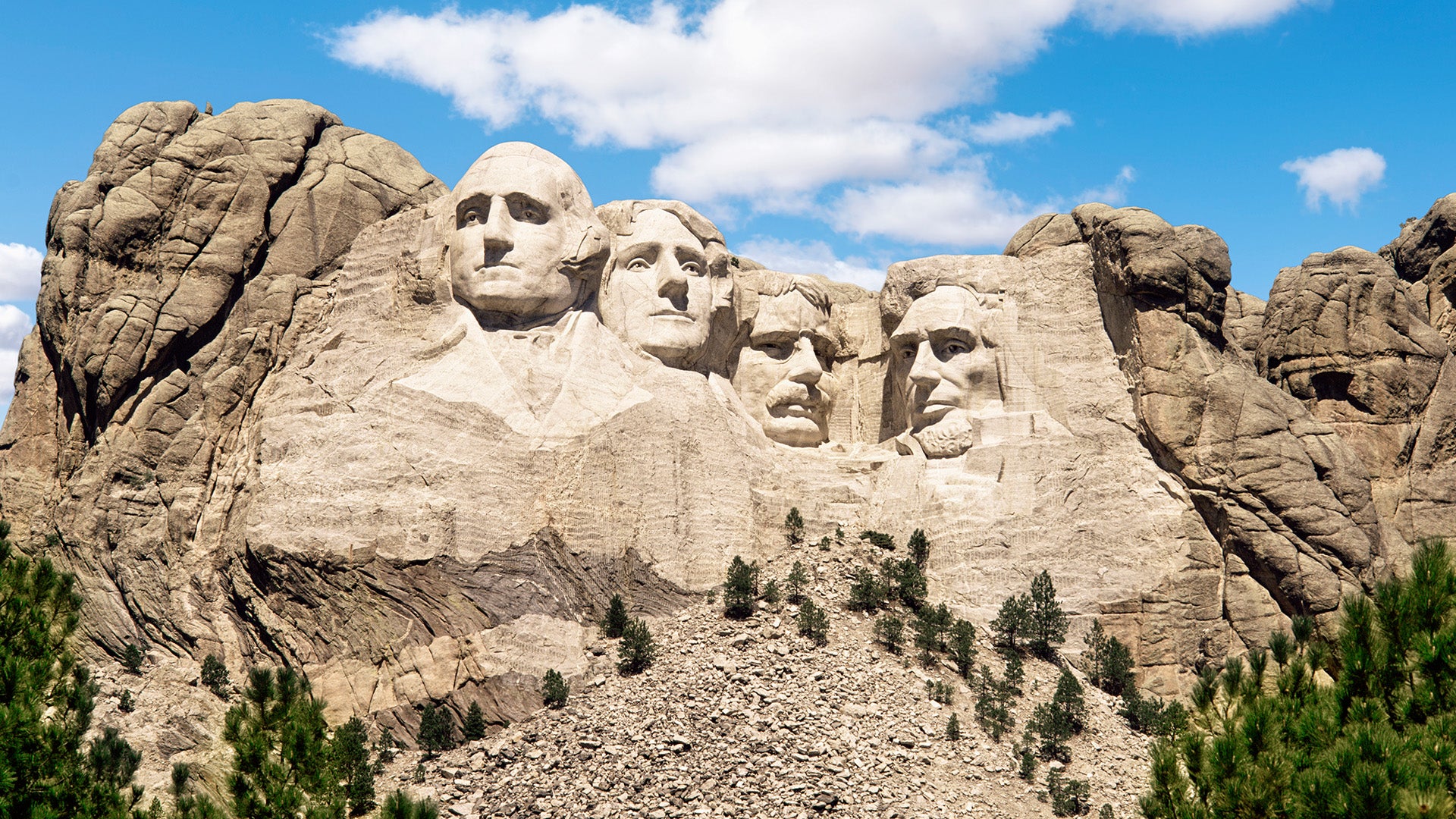
The National Park Service (NPS) and the Federal Aviation Administration (FAA) have completed an air tour management plan for Bandelier National Monument in New Mexico.
As part of the plan, commercial air tours will be banned in and around the national monument. Commercial air tours are a type of flight that visitors can pay to join for sightseeing.


Aside from the additional greenhouse gas emissions from aviation, these flights also contribute to noise pollution.
According to the U.S. Department of Transportation, the National Parks Air Tour Management Act of 2000 was developed to combat noise pollution in national parks, as it disrupts wildlife and other park visitors.
But in 2020, a federal appeals court found a lack of enforcement for the Air Tour Management Act, prompting an Overflights Program to be created. This program aimed to create a set schedule for enforcing commercial air tour regulations.


The plan bans commercial air tours over Bandelier National Monument and within a 0.5-mile radius from the park boundary. According to NPS, this ban is to preserve natural park resources and cultural resources, including Tribal sacred sites and ceremonial areas.
The Bandelier National Monument Air Tour Management Plan reflects the engagement and input by many stakeholders.
Prohibiting commercial air tours protects the cultural and spiritual significance of these lands to Tribes, and ensures the park experience desired by visitors, Park Superintendent Patrick Suddath said in a statement.

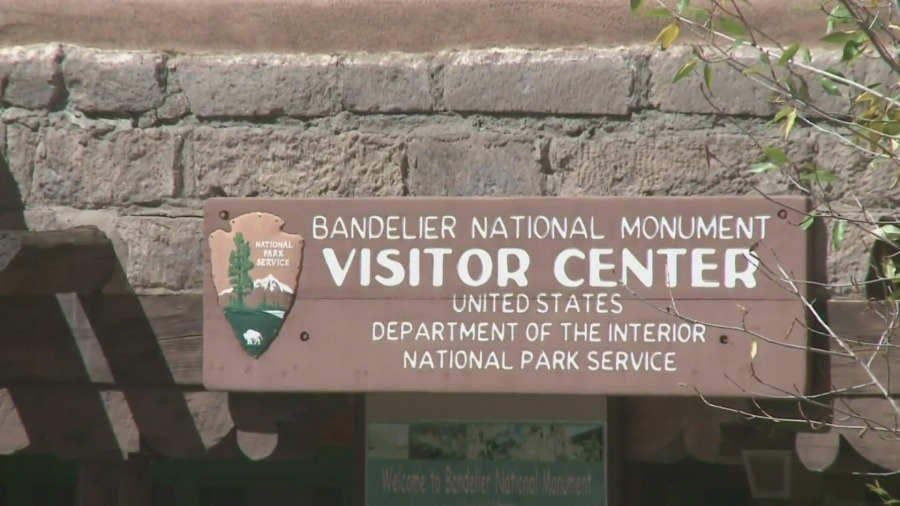


NPS shared in a press release that the operator that currently offers commercial air tours at Bandier National Monument will be allowed to continue with these tours up to the limit of their Interim Operating Authority and until their Operation Specifications are amended.
Afterward, the commercial air tours will be banned completely within the boundary outlined in the air tour management plan.
NPS and FAA have recently completed several air tour management plans for other national park sites, including for Haleakalā National Park, Hawaiʻi Volcanoes National Park, Badlands National Park and Mount Rushmore National Memorial.

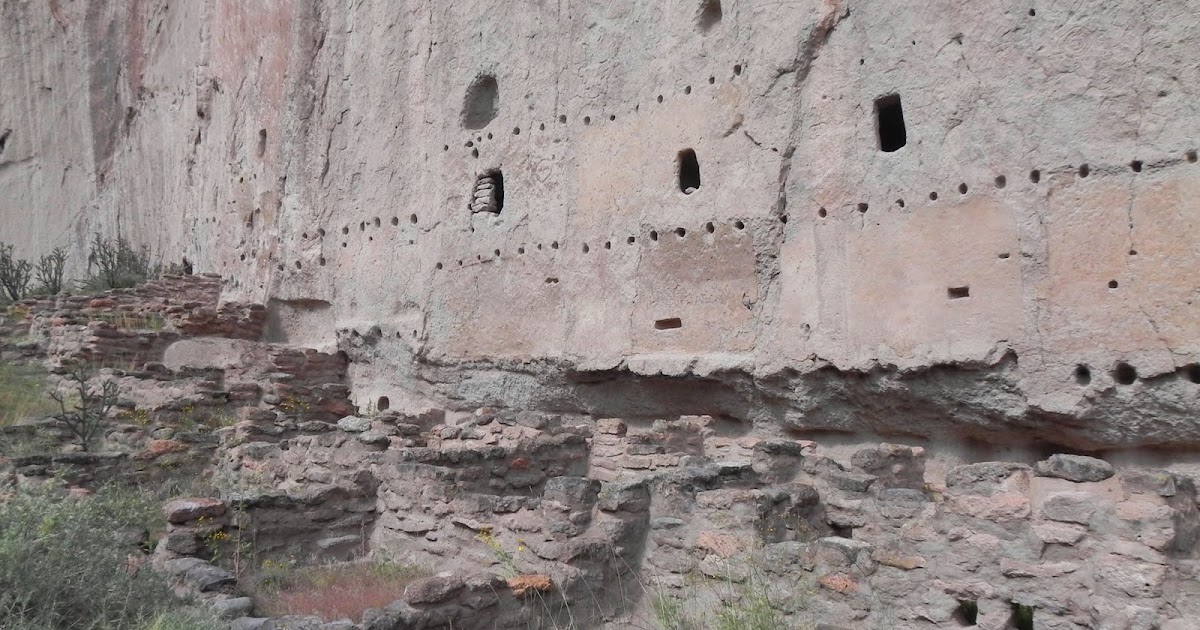

The first commercial air tour was offered over the Grand Canyon in 1919, and now there are around 200,000 tours each year, NPS reported.
Away from roads and developed areas, the sight and sound of aircraft are often the only perceptible human impact.


Some of the very areas where the potential for solitude and natural quiet is greatest are places where aircraft noise may be most intrusive, NPS shared on its website.
Noise affects the experiences of park visitors as well as wildlife, whether a rafter drifting through a canyon, or a pika listening for warning calls.
Eco Watch / ABC Flash Point News 2024.
CO2 Emissions per Capita in Europe

This info-graphic shows per capita CO2 emissions in Europe.

Trends in emissions per capita depend on a number of factors, including the introduction of cleaner technologies, the level of industrial development and, of course, the demography.
Strategic Culture / ABC Flash Point News 2022.
Could another highly advanced Civilization existed on Planet Earth before Human Race

History informs us that our predecessors pre-primitive achievements were not technically advanced, but rather megaliths, artifacts and mental processes that appear to be curiously out of sync with what they accomplished.
This suggests that something may have preceded what our civilization was capable of and what it did after around 10.000 BC.

The underground and underwater structures, as well as some obvious artifacts, appear to have a premised based on the knowledge that was once known, and showing up in situ or in ancient texts that have gone missing due to human destruction or environmental disasters.
Like the fire that wiped out the works in the Library of Alexandria (48 BC) or the eruption of Vesuvius (79 AD), not to mention the great flood registered in ancient texts as a mythic event that destroyed the …………..
Göbekli Tepe T-shaped pillars are carved with stylised hands, bells and loincloths. The Göbekli Tepe constructions point to a pre-10.000 civilization with an intriguing and out of sync mindset right before the Sumerian (Mesopotamian) societies, for which we records and prove.
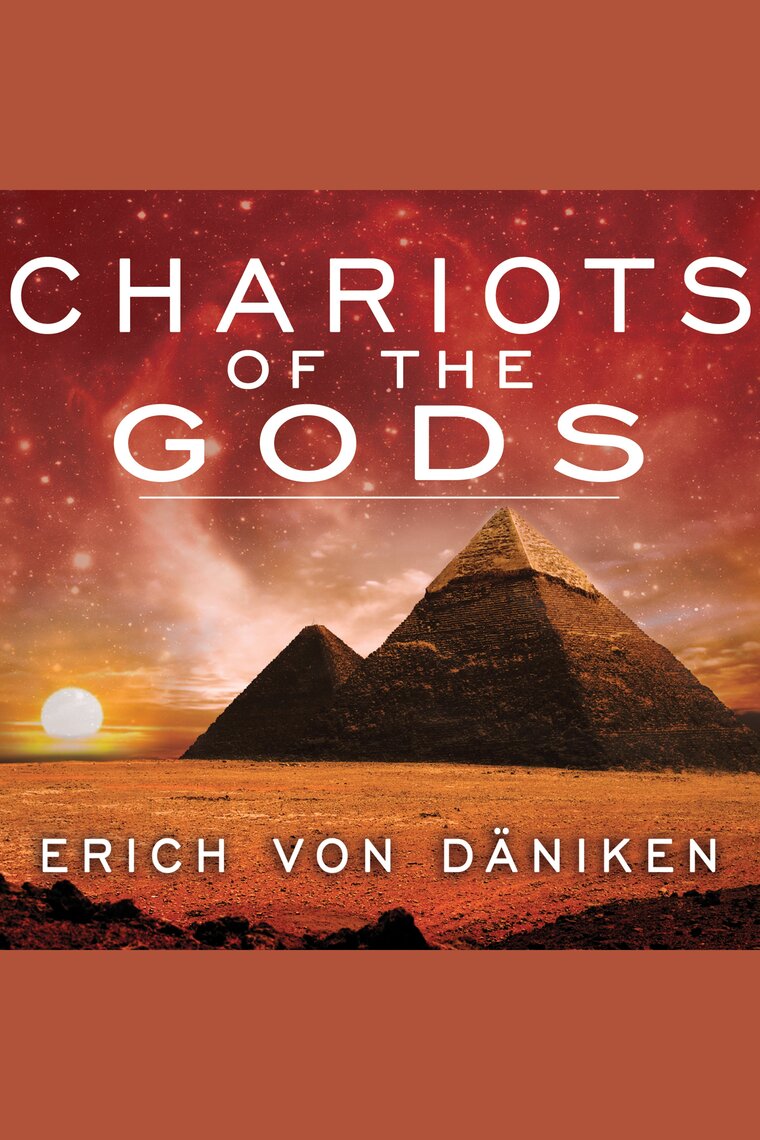
If one replaces Erich von Danicken’s theories in Chariots of the Gods, the notion of an earlier, brighter humanity being alive on Earth, one gets something less aggressive than the ET thesis.
But what about the magnificent and beautiful old human civilization? Its a difficult question to answer. However, like with any other culture that reaches a tipping point, issues such as environmental adversity, over population, conflicts and so on emerge.
And while we don’t have an explanation for this mystery, we may hazard some guesses by monitoring the current situation and supplementing it with previous discoveries. Perhaps history, our civilizations history, repeats itself.

There are many wonders of the ancient world which boggle our minds and inspire awe in our hearts. But what happens when a site of such precision and magnitude proves beyond a scientific doubt the existence of man to be older than anything known before?
Such is the case of Gobekli Tepe which puts human history as we know it into question. First uncovered in 1994 by a local shepherd in Turkey, Gobekli Tepe contains megaliths weighing 7 to 10tons and stands 18 feet high.
Carbon dating firmly establishes its age at 12,000 years old – 7,000 years older than Stonehenge. Biblical history is commonly accepted and dates humanity at a mere 4,000 years old.

Linda Moulton Howe proclaims that this discovery literally doubles the age of human history.
In the time of cavemen, just before the Ice Age, without the wheel, tools or agriculture, Gobekli Tepe appears with advanced technologies, detailed architecture and astronomically aligned with the cardinal directions.
Lying in the very heart of the cradle of civilization, this exquisite preservation is a gift of epic proportions. Buried for 10,000 years, the sacred site was discovered quite by accident in 1994.

German archaeologist Klaus Schmidt was called in for his expertise and what he unearthed created a quandary of our understanding of humanity.
The level of technique and detail is what first stands out. Richly carved in limestone, animals of the world are captured in both intricate carvings and sculptures. The impressive scope of wildlife depicts foxes, birds, boars and snakes.
Klaus Schmidt’s belief was that Gobekli Tepe was a sanctuary site, dubbed the World’s First Temple. No bones, no cooking utensils nor tools lie among the ruins.

It appears that this was not a place where people lived. Only pristinely preserved structures standing in glorious contrast to the desert they now inhabit.
Graham Hancock suggests there must be an outside influence that taught advanced masonry to humans. He calls this a Transfer of Technology.
Whether descended from the stars or a lost civilization which the world has forgotten, it is these lines of inquisition that inspire the greatest possibilities for the creation of Gobekli Tepe.


We must re-examine those stories and myths believed to be mere allegory to understand the implications of Gobekli Tepe . Atlantis, the Niphilim, the Annunaki and the Garden of Eden all are often connected to theories of what Gobekli Tepe could have been.
If, as Hancock suggests, the achievements of Gobekli Tepe were a gift from an advanced civilization, we must explore the possibilities of Ancient Alien visitations which kick started humanity.


Resting in the fertile crescent, at exactly the birth of humanity, Andrew Collins reminds us of the Watchers (a race of Angels documented in the Book of Enoch) who guarded the Garden of Eden.
Urfa (just miles from Gobekli Tepe) is said to be the legendary Garden of Eden, a terrestrial paradise rich with flora and fauna.


Though the Book of Enoch was omitted from the Bible, several versions found throughout the world legitimize it’s apocryphal legacy.
These Angels came from the heavens and laid with the wives of man to create the Nephilim. Known as the Annunaki to the Babylonians, Collins suggests the terms may be interchangeable documenting the simultaneous arrival of reptilian giants on the planet.
These advanced races came to assist humanity with arts and knowledge. Gobekli Tepe appears in this same moment and marks a huge leap in knowledge and skill that didn’t exist on the planet before.
Gaia.com / ABC Flash Point Ancient History News 2022.
Israel plans to complete the annexation of the occupied West Bank

One year ago, Israel’s Supreme Court has decided that the Palestinian region of Masafer Yatta in the southern hills of Hebron is to be appropriated entirely by the Israeli military and that the local population of more than 1,000 Palestinians is to be expelled.
The court’s decision on 4 May, 2022 was hardly surprising.

Israel’s military occupation is not only enforced by soldiers with guns, but also elaborate political, military, economic and legal structures, all of which are dedicated to the expansion of illegal Jewish settlements and the slow and sometimes not-so-slow expulsion of the Palestinians.
When Palestinians say that the Nakba (“Catastrophe”), which led to the ethnic cleansing of Palestine in 1948 and the establishment of the state of Israel on its ruins, is an ongoing unfinished project, they mean exactly that.
The ethnic cleansing of Palestinians from East Jerusalem and the endless torment of Palestinian Bedouins in the Naqab, and now in Masafer Yatta, are all testament to this reality.

However, Masafer Yatta is particularly unique. In the case of occupied East Jerusalem, for example, Israel has made a fallacious, a historical claim that the city is the eternal and undivided capital of the Jewish people.
It combined its unsubstantiated narrative with military action on the ground, followed by a systematic process to increase the Jewish population and eject the native inhabitants of the city.
Such notions as ‘Greater Jerusalem‘ and legal and political structures, like that of the Jerusalem Master Plan 2000, have all contributed towards turning the once absolute Palestinian majority in Jerusalem into a constantly shrinking minority.

In the Naqab, Israel’s objectives were put into motion as early as 1948, and again in 1951. The process of ethnically cleansing the natives remains in effect to this day.
Although Masafer Yatta is part of the same colonial scheme, its uniqueness stems from the fact that it is situated in Area C of the occupied West Bank.
In July 2020, Israel purportedly decided to postpone its plan to annex nearly 40% of the West Bank, perhaps fearing a Palestinian rebellion and unwanted international condemnation. However, the plan went ahead in all but name.

The wholesale annexation of large swathes of the West Bank would mean that Israel would become responsible for the welfare of entire Palestinian communities living therein. As a settler-colonial state, though, Israel wants the land, but not the people.
In Tel Aviv’s calculation, annexation without the expulsion of the population could lead to a demographic nightmare, hence Israel’s need to reinvent its annexation plan.
De jure annexation may have been postponed, but it has continued in de facto terms, which has attracted very little international political and media attention.
![An elderly Palestinian man faces member of the Israeli forces as Israeli, foreign and Palestinian activists demonstrate against the eviction of Palestinian villages to make way for an Israeli military training zone, in the southern hills of Yatta, south of the West Bank town of Hebron, on May 20,2022. [HAZEM BADER/AFP via Getty Images]](https://i0.wp.com/www.middleeastmonitor.com/wp-content/uploads/2022/05/GettyImages-1240785756.jpg?resize=933%2C670&quality=85&strip=all&zoom=1&ssl=1)
The Israeli court’s decision regarding Masafer Yatta, which is already being carried out with the expulsion of the Najjar family on 11 May, is an important step towards the annexation of Area C.
If Israel can evict the Palestinian residents of twelve villages, more than 1,000 people, unhindered, more such expulsions can be expected, not only south of Hebron, but across the occupied Palestinian territories.
The Palestinian villagers of Masafer Yatta and their legal representation know very well that no real justice can be obtained from the Israeli court system.

Nevertheless, they continue to fight the legal war in the hope that a combination of factors, including solidarity in Palestine and pressure from outside, can ultimately succeed in compelling Israel to delay its planned destruction and Judication of the whole region.
However, it seems that Palestinian efforts, which have been underway since 1997, are failing.
The Israeli Supreme Court decision is predicated on the erroneous and utterly bizarre notion that the Palestinians of that area could not demonstrate that they belonged there prior to 1980, when the Israeli government decided to turn the area into Firing Zone 918.
![Israeli, foreign and Palestinian activists clash with security forces during a demonstration against the eviction of Palestinian villages to make way for an Israeli military training zone, in the southern hills of Yatta, south of the West Bank town of Hebron, on 20 May 2022. [HAZEM BADER/AFP via Getty Images]](https://i0.wp.com/www.middleeastmonitor.com/wp-content/uploads/2022/05/GettyImages-1240785728.jpg?resize=1200%2C721&quality=85&strip=all&zoom=1&ssl=1)
Sadly, the Palestinian defense was based partly on documents from the Jordanian era and official UN records that reported on Israeli attacks on several Masafer Yatta villages in 1966.
The Jordanian government, which administered the West Bank until 1967, compensated some of the residents for the loss of their stone houses — not tents — animals and other properties that were destroyed by the Israeli military.
Palestinians tried to use this evidence to show that they have existed, not as nomadic people but as rooted communities. This was unconvincing to the Israeli court, which favored the occupation army’s argument over the rights of the native population.

Israeli firing zones occupy nearly 18% of the total area of the West Bank. It is one of several ploys used by the Israeli government to lay a pseudo-legal claim on Palestinian land and, eventually, to claim legal ownership as well.
Many of these firing zones exist in Area C, and are one way that Israel appropriates Palestinian land officially with the support of the courts.
Now that the Israeli military has managed to acquire Masafer Yatta — a region covering 32 to 56km2 — based on completely flimsy excuses, it will become much easier to ensure the ethnic cleansing of many similar communities in various parts of occupied Palestine.

While discussions and media coverage of Israel’s annexation scheme in the West Bank and the Jordan Valley have largely subsided, the settler-colonial state is now preparing for gradual annexation.
Instead of taking 40% of the West Bank all at once, Israel is now annexing smaller tracts of land and regions, like Masafer Yatta, separately.
Tel Aviv will eventually connect all these annexed areas through Jewish settler-only bypass roads to larger Jewish settlement infrastructures in the West Bank.

Not only does this alternative strategy allow Israel to avoid international criticism, but it will also permit the settler-colonial state to annex Palestinian land while incrementally expelling Palestinians. Thus, demographic imbalances will be prevented before they can even occur.
What is happening in Masafer Yatta is not only the largest ethnic cleansing scheme to be carried out by Israel since 1967, but the move should also be considered as the first step in a much larger scheme of illegal land misappropriation, ethnic cleansing and official mass annexation.
Israel must not be allowed to succeed in Masafer Yatta. If it does, its original, mass annexation scheme will become a reality in no time at all.
Middle East Monitor / ABC Flash Point News 2023.
 Crickey Amigu di Natura