
Global Airlines can’t reduce Carbon Footprint & drops 2030 Climate Target

Air New Zealand scrapped its 2030 carbon emissions reduction targets this week, citing delays in building new planes, a lack of alternative fuel and challenging regulations and policies.
This news reinforces what we already know – that the aviation industry cannot be trusted to reduce their own emissions, says campaign group Stay Grounded. New Zealand’s national carrier is one of the country’s biggest companies by revenue and profits.

Tourism is New Zealand’s 2nd largest export earner, driven by images of the country’s pristine and scenic vistas. The Five-Eyes country pledged a 28.9% reduction in carbon emissions by 2030, from a 2019 baseline, with a 16.3% drop in absolute emissions.
Its withdrawal from the Science Based Targets initiative (SBTi) was the highest-profile reversal yet of an airline’s commitments to a UN framework for corporations to stay on track to meet the Paris Agreement on emissions reductions.
If even Air New Zealand can’t do it, it kind of cements the reality that reducing emissions from aviation is an impossible task under the current technical regime, says James Higham, a sustainable tourism expert at Griffith University in Australia.


The carrier would establish new near-term emissions reduction targets that would better reflect the challenges relating to aircraft and alternative jet fuel availability, CEO Greg Foran said in a written statement.
Global manufacturing and supply chain issues could slow the introduction of more fuel-efficient planes into Air New Zealand’s fleet. The affordability and availability of alternative jet fuels and global and domestic policy settings are also outside the airline’s direct control.
What we see here is a trend within the aviation industry – they repeatedly fail to meet environmental targets and then ask us to trust them again next time, says Stay Grounded.

The only solution that will actually allow Air New Zealand to adequately reduce their emissions is to stop their growth plans and massively reduce the number of flights that take off each day!
Only six of the 27 EU member states have submitted national climate plans that are up to scratch. 12 EU nations are set to miss their national climate targets under the Effort Sharing Regulation (ESR), according to a study analyzing national climate plans.
Another seven are at risk of not meeting their goals. If they don’t meet their required emissions reductions, they may have to pay financial penalties.

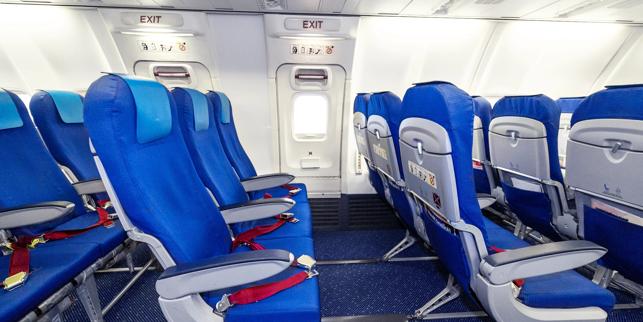
Air travel makes up about 2.5% of global carbon emissions, but it’s one of the most carbon-intensive activities per passenger. Without intervention, CO2 emissions from commercial aircraft are on course to triple by 2050 according to SBTi.
Other airlines listed on the SBTi database as having removed their commitment to near-term emissions goals included United Airlines, the German carrier Lufthansa, Britain’s easyJet, LATAM Airlines Chile and Japan Airlines.
Stay Grounded argues that what’s needed is strong government regulation to deter people from flying, such as a frequent flyer levy, a tax on kerosene, airport caps and an end to all airport expansion.

The ESR is a policy framework – part of the EU’s climate and energy package – that sets binding national greenhouse gas targets for the 27 member states. It requires them to collectively cut emissions by 40% (compared to 2005) by 2030.
Member states have to meet climate targets for five key sectors: road transport, buildings, small industry, waste and agriculture. Each goal is adjusted based on a country’s GDP with richer nations having stricter requirements.
The report from Transport & Environment (T&E) found that the two worst-performing countries are Germany and Italy. Germany is projected to miss its climate targets by 10% and Italy by 7.7%.
Euro News / ABC Flash Point Aviation News 2024.
 Crickey Amigu di Natura
The entire transportation sector has been excluded from the Paris Climate Agreements, so that the aviation and shipping industry can remain making profits in total silence.
LikeLiked by 1 person