
Hotel, Cruise & Tourist Taxes to Combat Mass Country Invasions
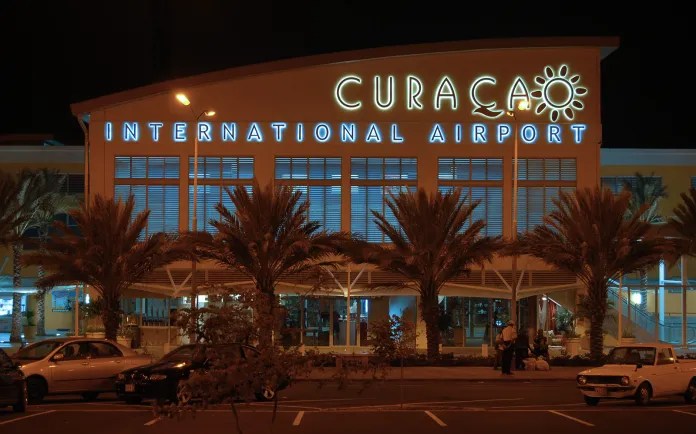
Considering a trip to Europe, Asia, or the Caribbean this year? Well, be ready to budget beyond flights and hotels, as many popular international destinations are implementing or increasing tourist taxes to combat over-tourism and manage the strain on local resources.
From Bali’s crackdown on unruly tourists to Venice’s battle against mass tourism, governments are turning to visitor levies to control crowds, protect historic sites, and offset the ecological damage caused by over-tourism.
In Amsterdam, where frustrated locals protested against excessive tourism, the city responded by raising hotel taxes to 12.5%, making it one of the highest in Europe.
In Mexico, authorities plan to charge cruise passengers $42 per person, making ports like Cozumel and Cancun significantly more expensive for visitors.
Greece is implementing a €20 ($22 USD) per-person cruise arrival fee to limit the overwhelming influx of tourists in Santorini and Mykonos.

In some countries, what started as a modest fee has evolved into steep, unavoidable costs in many places. While some fees go unnoticed, others—like Bhutan’s staggering $100 per-day charge for visitors—can make or break your vacation budget.
Mexico: VISITAX & Cruise Passenger Tax
In Quintana Roo, which includes destinations like Cancun and Tulum, requires foreign tourists to pay a fee known as VISITAX.
Approximately $17 USD per person, this tax is mandatory and must be paid by all international visitors, including children, before departing the state.
Mexico also plans to impose a $42 immigration tax for each cruise ship passenger docking in the country this year.
Japan: Departure & Lodging Tax
Japan enforces an International Tourist Tax, commonly called the “Sayonara Tax,” which costs 1,000 yen (approximately $9) and applies to all travelers leaving the country.
In 2026, Kyoto is set to increase its lodging tax, with rates potentially reaching up to 10,000 yen (approximately $70) per night, a significant rise from the previous 1,000 yen cap.
Italy (Venice): Day-Tripper Fee
Starting April 18, 2025, Venice will implement a €5-€10 ($5.50-$11 USD) Access Fee for day-trippers visiting the historic city center on select dates, primarily weekends and holidays, until July 27, 2025.
Vacationers must register and pay online in advance, receiving a QR code for inspection, while overnight guests, residents, students, and children under 14 are exempt. Non-compliance can result in fines between €50-€300 ($55-$330 USD).
Spain: Hotel, Cruise, and Tourist Tax
Barcelona has both a regional tourist tax and a city tax. The city tax is a flat rate of €4 (approximately $4.35) per person per night. Additionally, cruise ship passengers staying in Barcelona for over 12 hours must pay €6.25 (roughly $6.80).
The Balearic Islands, encompassing Ibiza, Mallorca, and Menorca, have announced plans to raise their tourist tax by up to 200%.


This means that overnight charges could increase from €4 to €6 per person per night, particularly impacting those staying in four and five-star hotels during the summer months.
Cruise ship passengers might also see charges rise from €2 to €6 per night.
France (Paris): Hotel Tourist Tax
Paris charges a tourist tax per person per night, with the rate varying by the hotel’s star rating.
For instance, 5-star rated accommodations have a nightly charge of €3.30 (approximately $3.60), and 2-star rated accommodations have a nightly charge of €0.99 (roughly $1.10).
United Kingdom (Edinburgh): Tourist Levy
Edinburgh is set to introduce a £2 (approximately $2.70 USD) per night tourist levy per person, which will apply to visitors staying in hotels, Airbnbs, and other short-term rentals.
Germany (Berlin): City Tax on Hotels
Berlin’s City Tax is 5% of the net room rate (excluding VAT and service fees). The tax is capped at 21 successive days. Business travelers are exempt from the tax but must prove the purpose of their trip.
Thailand: Tourist Entry Fee
Thailand plans to reintroduce a tourist entry fee of approximately 300 Thai Baht (roughly $9) for international travelers arriving by air.
Portugal: Hotel Tax
Around 40 Portuguese municipalities have implemented a tourist tax on overnight stays, with nine additional municipalities planning to introduce such fees later this year.
In Lisbon, the city tax increased to €4 per guest per night, applicable for up to seven consecutive nights, with exemptions for children under 13. Porto’s tourist tax is €3 per night.

In the Algarve region, seven municipalities, including Faro, have implemented a tourist tax, charging €2 per person per night during the high season (March to September) and €1 during the low season (October to February).
The Azores introduced a €2 per person per night tax for up to three nights.
Greece: Accommodation & Cruise Tax
Greece vacationers are subject to a daily tourist tax that varies depending on the type and classification of the accommodation.
This year, Greece will implement a €20 (approximately $22) per-person arrival fee for cruise passengers visiting Santorini and Mykonos during the summer.
Netherlands (Amsterdam): Hotel Tax
Amsterdam has a tourist tax of 12.5% of the accommodation cost.
Indonesia (Bali): Tourist Entry Fee
In 2024, Bali has a tourist tax of 150,000 Indonesian rupiah (approximately $10) per traveler.
New Zealand: International Visitor Levy (IVL)
New Zealand enforces an International Visitor Conservation and Tourism Levy (IVL) of NZD 100 (approximately $65) when applying for an eTA (Electronic Travel Authority) or visa.
Austria (Vienna): Hotel Tourist Tax
Vienna has a local tourist tax of approximately 3% of the accommodation cost.
Switzerland: Hotel Tax (Varies by Region)
Switzerland imposes a tourist tax that varies by canton and municipality. The average cost is around CHF 2.20 (approximately $2.40) per person per night.
Malaysia: Tourist Tax on Hotel Stays
Malaysia requires international guests to pay a tourist tax of RM 10 (approximately $2.40) per room per night at registered accommodations.
Ecuador (Galápagos Islands): Entry Tax
To protect the unique ecosystem of the Galápagos Islands, Ecuador has an entry tax of $200 for international visitors.
Bhutan: Sustainable Development Fee (SDF)
Since 1991, Bhutan has charged visitors a daily Sustainable Development Fee (SDF). Currently that fee is $100 per person to ensure high-value, low-impact tourism.
Countries With Tourist Taxes
In Amsterdam, where frustrated locals protested against excessive tourism, the city responded by raising hotel taxes to 12.5%, making it one of the highest in Europe.
In Mexico, authorities plan to charge cruise passengers $42 per person, making ports like Cozumel and Cancun significantly more expensive for visitors.
Greece is implementing a €20 ($22 USD) per-person cruise arrival fee to limit the overwhelming influx of tourists in Santorini and Mykonos.
In some countries, what started as a modest fee has evolved into steep, unavoidable costs in many places. While some fees go unnoticed, others—like Bhutan’s staggering $100 per-day charge for visitors—can make or break your vacation budget.
Mexico: VISITAX & Cruise Passenger Tax
In Quintana Roo, which includes destinations like Cancun and Tulum, requires foreign tourists to pay a fee known as VISITAX.
Approximately $17 USD per person, this tax is mandatory and must be paid by all international visitors, including children, before departing the state.
Mexico also plans to impose a $42 immigration tax for each cruise ship passenger docking in the country this year.
Japan: Departure & Lodging Tax
Japan enforces an International Tourist Tax, commonly called the “Sayonara Tax,” which costs 1,000 yen (approximately $9) and applies to all travelers leaving the country.
In 2026, Kyoto is set to increase its lodging tax, with rates potentially reaching up to 10,000 yen (approximately $70) per night, a significant rise from the previous 1,000 yen cap.
Italy (Venice): Day-Tripper Fee
Starting April 18, 2025, Venice will implement a €5-€10 ($5.50-$11 USD) Access Fee for day-trippers visiting the historic city center on select dates, primarily weekends and holidays, until July 27, 2025.
Vacationers must register and pay online in advance, receiving a QR code for inspection, while overnight guests, residents, students, and children under 14 are exempt. Non-compliance can result in fines between €50-€300 ($55-$330 USD).
Spain: Hotel, Cruise, and Tourist Tax
Barcelona has both a regional tourist tax and a city tax. The city tax is a flat rate of €4 (approximately $4.35) per person per night. Additionally, cruise ship passengers staying in Barcelona for over 12 hours must pay €6.25 (roughly $6.80).
The Balearic Islands, encompassing Ibiza, Mallorca, and Menorca, have announced plans to raise their tourist tax by up to 200%.
This means that overnight charges could increase from €4 to €6 per person per night, particularly impacting those staying in four and five-star hotels during the summer months.
Cruise ship passengers might also see charges rise from €2 to €6 per night.
France (Paris): Hotel Tourist Tax
Paris charges a tourist tax per person per night, with the rate varying by the hotel’s star rating.
For instance, 5-star rated accommodations have a nightly charge of €3.30 (approximately $3.60), and 2-star rated accommodations have a nightly charge of €0.99 (roughly $1.10).
United Kingdom (Edinburgh): Tourist Levy
Edinburgh is set to introduce a £2 (approximately $2.70 USD) per night tourist levy per person, which will apply to visitors staying in hotels, Airbnbs, and other short-term rentals.
Germany (Berlin): City Tax on Hotels
Berlin’s City Tax is 5% of the net room rate (excluding VAT and service fees). The tax is capped at 21 successive days. Business travelers are exempt from the tax but must prove the purpose of their trip.
Thailand: Tourist Entry Fee
Thailand plans to reintroduce a tourist entry fee of approximately 300 Thai Baht (roughly $9) for international travelers arriving by air.
Portugal: Hotel Tax
Around 40 Portuguese municipalities have implemented a tourist tax on overnight stays, with nine additional municipalities planning to introduce such fees later this year.
In Lisbon, the city tax increased to €4 per guest per night, applicable for up to seven consecutive nights, with exemptions for children under 13. Porto’s tourist tax is €3 per night.
In the Algarve region, seven municipalities, including Faro, have implemented a tourist tax, charging €2 per person per night during the high season (March to September) and €1 during the low season (October to February).
The Azores introduced a €2 per person per night tax for up to three nights.
Greece: Accommodation & Cruise Tax
Greece vacationers are subject to a daily tourist tax that varies depending on the type and classification of the accommodation.
This year, Greece will implement a €20 (approximately $22) per-person arrival fee for cruise passengers visiting Santorini and Mykonos during the summer.
Netherlands (Amsterdam): Hotel Tax
Amsterdam has a tourist tax of 12.5% of the accommodation cost.
Indonesia (Bali): Tourist Entry Fee
In 2024, Bali has a tourist tax of 150,000 Indonesian rupiah (approximately $10) per traveler.
New Zealand: International Visitor Levy (IVL)
New Zealand enforces an International Visitor Conservation and Tourism Levy (IVL) of NZD 100 (approximately $65) when applying for an eTA (Electronic Travel Authority) or visa.
Austria (Vienna): Hotel Tourist Tax
Vienna has a local tourist tax of approximately 3% of the accommodation cost.
Switzerland: Hotel Tax (Varies by Region)
Switzerland imposes a tourist tax that varies by canton and municipality. The average cost is around CHF 2.20 (approximately $2.40) per person per night.
Malaysia: Tourist Tax on Hotel Stays
Malaysia requires international guests to pay a tourist tax of RM 10 (approximately $2.40) per room per night at registered accommodations.
Ecuador (Galápagos Islands): Entry Tax
To protect the unique ecosystem of the Galápagos Islands, Ecuador has an entry tax of $200 for international visitors.
Bhutan: Sustainable Development Fee (SDF)
Since 1991, Bhutan has charged visitors a daily Sustainable Development Fee (SDF). Currently that fee is $100 per person to ensure high-value, low-impact tourism.
Countries With Tourist Taxes
Before traveling, it’s always best to check the official government websites of your destination to stay updated on tourist taxes that could affect the cost of your vacation.
Before traveling, it’s always best to check the official government websites of your destination to stay updated on tourist taxes that could affect the cost of your vacation.
ABC Flash Point Reality News 2024.
 Crickey Amigu di Natura
Over crowded and polluted infrastructure leads to extra cost for the governments taxpayers, meaning tourist should take their share of the pie?
LikeLiked by 1 person
Now who can stop corporate fascism?
LikeLiked by 1 person
Pingback: Dutch Caribbean Colony of Curacao sounds Alarm over soaring Housing Prices – Crickey Amigu di Natura