
Aqualectra 5G Smart Meter Microwave Straling bedreiging Gezondheid Bevolking Curacao.

08.04.2025.
The world around us is a scary place, with a lot of visible and invisible dangers. Some of those invisible dangers are pretty obvious, such as that of an electrical shock from exposed wiring.
Some are less obvious, for example the dangers of UV radiation to one’s skin and eyes commonly known, but also heavily underestimated by many until it’s too late. In the USA alone, skin cancer ends up affecting about one in every five people.
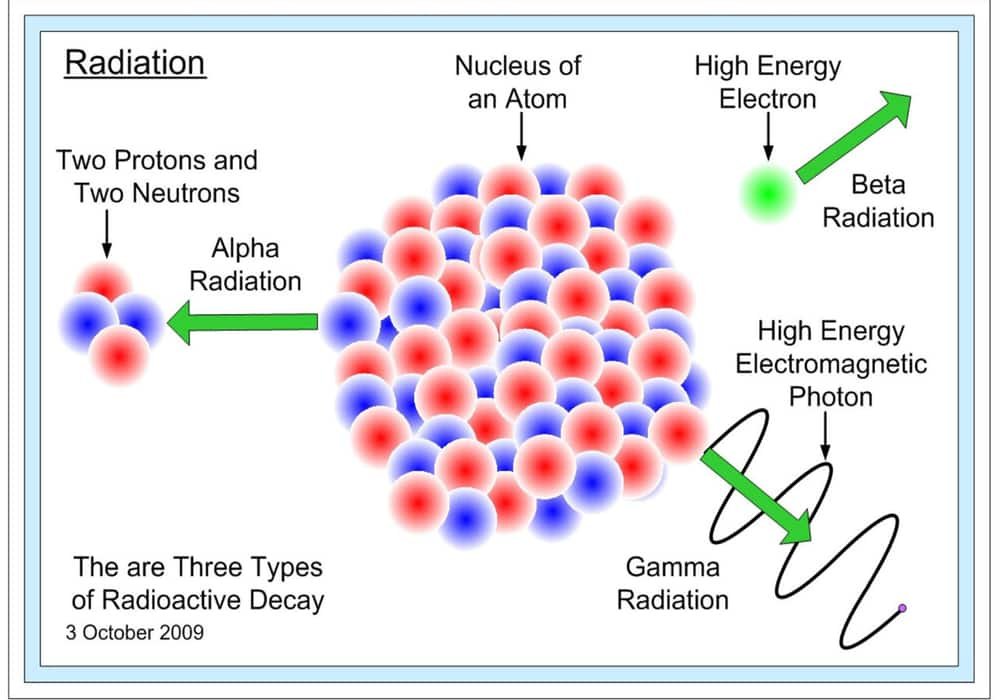
The first thing you should ask about radiation is whether or not it is ionizing. Ionizing radiation has enough energy to kick the electrons out of their orbits within atoms.

Ionizing radiation is therefore by definition damaging, with our cells having repair mechanisms in place to fix the damage sustained from the background radiation which we are exposed to every day.
Ionizing radiation can cause cancers, create heritable genetic diseases if it reaches reproductive cells, and cause immediate tissue damage. Ionizing radiation takes the form of either charged particles, alpha and beta radiation, or photons with sufficient energy that they can indirectly ionize atoms — gamma rays.
The dielectric heating principle holds true for all non-ionizing radiation: the primary effect on the human body consists of affecting the dipole moment of molecules in our tissues, causing localized heating.
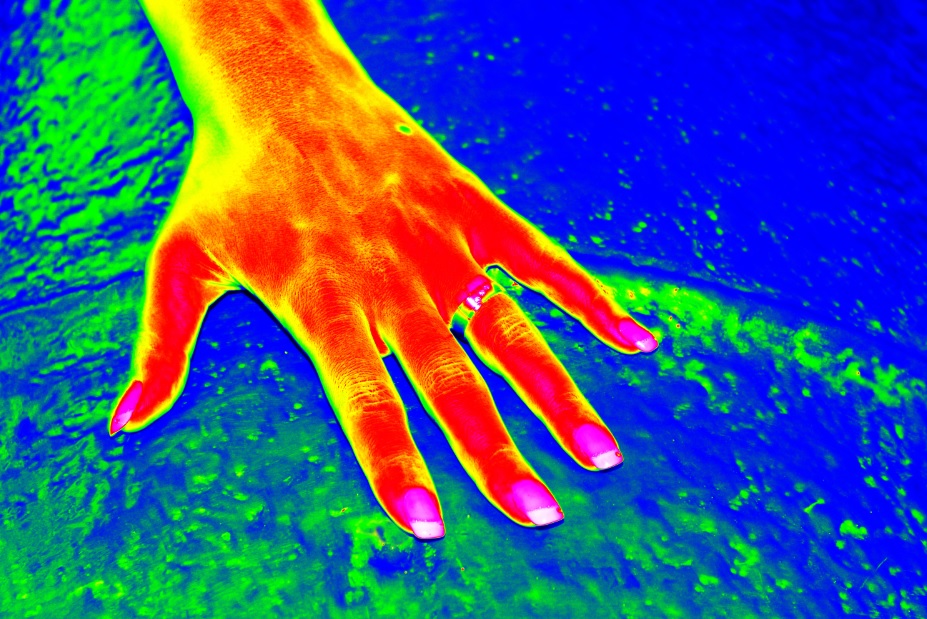
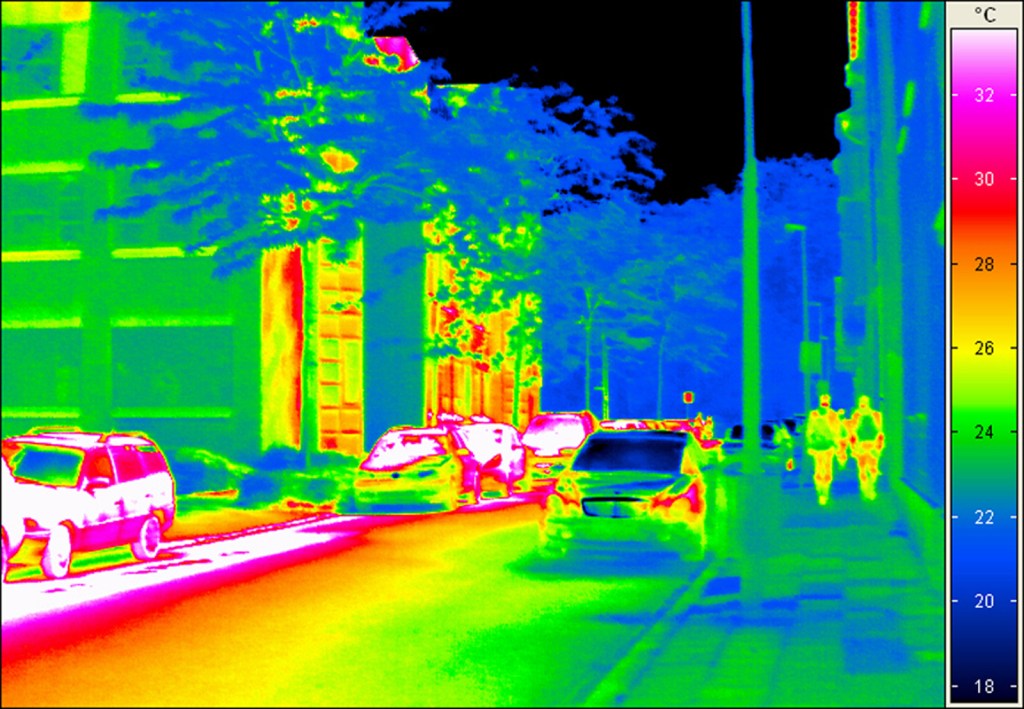
This is why standing in the sunshine, or in front of an infrared (IR) heating lamp, or an operating radar dish makes one feel warm. What we perceive as ‘heat’ radiating off objects is mostly in the IR spectrum, which is why IR-sensitive sensors are commonly used to measure this, for example with IR cameras.
Energy automation giant Honeywell has picked Verizon Business to organize 5G connectivity for its smart electric meters, and to help utility customers manage and modernize their grid operations.
Both utilities and end users will be able to remotely access essential data to manage energy resources and resources, respectively – as per the standard business case for smart meters.
Honeywell put the move, to adopt 5G, in the context of its broader drive to utilise well-connected hybrid cloud infrastructure in service of new artificial intelligence (AI) initiatives and services.


Aqualectra leent 375 miljoen op lokale markt om internationale samenwerking te promoten.
Meter data can be managed via Verizon’s public 5G networks in utility management platforms (such as Honeywell Forge Performance+ for Utilities) for operational visibility, grid insights, and demand forecasts, and also in broader fleet management applications to gauge the health and performance of IoT devices.
The entire point of the scientific method is to methodically examine and discover how everything around us works, whether it’s on a macroscopic, microscopic or quantum level.
When a group of people claim that they can somehow ‘sense’ electromagnetic fields, to the point where it affects their physical well-being, this raises a lot of questions. The primary one being that there is no known biological mechanism that a human would be able to be affected by EMR.

First-generation AMI meters set the tone for what’s possible for grid management and customer engagement—spurring a monumental digitization of the utility industry.
Now, as the evolving energy landscape necessitates even more real-time interactions, these second-gen meters give utilities the ability to make faster, smarter decisions that support both current and future grid needs.

With nearly 146 million smart meters deployed across the United States, advanced metering infrastructure (AMI) accounts for over 80% of the nation’s energy consumption data collection.
First-generation smart meters, known as AMI 1.0 meters, revolutionized grid management and triggered a paradigm shift in utility operations. Beyond simply automating meter readings, they unleashed a flood of granular data, enabling unprecedented grid visibility, efficiency gains and proactive customer engagement.
ABNA Advies NV 2025.
 Crickey Amigu di Natura
Curaçao heeft op 8 Juni 2023 urenlang met een stroomstoring te maken gehad die het hele eiland trof. Rond 21.00 uur lokale tijd meldde energiebedrijf Aqualectra dat grote delen van het eiland weer elektriciteit hebben. De stroomuitval kwam door een storing in een van de hoofdkabels, zegt het bedrijf.
Vanwege de hitte van de afgelopen tijd heeft Aqualectra moeite met de grote vraag naar elektriciteit. Dat komt vooral doordat Horeca bedrijven en 25.000 extra huishoudens sinds 2008 de airco’s massaal aanzetten.
Curaçao kampt al paar dagen met extreme hitte waarbij de temperaturen oplopen tot 37 graden Celsius. In Augustus en September stijgen de temperaturen tot ruim boven de 40C.
Scholieren worden om die reden al een tijdje om 12.00 uur naar huis gestuurd, zodat de toeristen in de hotels wel van frisse lucth mogen genieten?
Ook de luchthaven bleef nog open en vliegtuigen konden er nog landen en opstijgen. Het vliegveld maakt eveneens gebruik van generatoren. Daardoor viel wel de airco uit voor de toeristen.
Volgens het Antilliaans Dagblad ontstonden er op verschillende plekken op het eiland verkeersopstoppingen doordat veel mensen na de stroomuitval hun werk verlieten. Met name op drukke kruispunten waar de stoplichten het niet deden, leidde dat tot wat problemen.
Deze week viel ook de stroom op Bonaire uit. Dat kwam door een brand bij de energiecentrale van Karpata
LikeLiked by 1 person