
Why do Libyans feel Occupied after being Liberated?
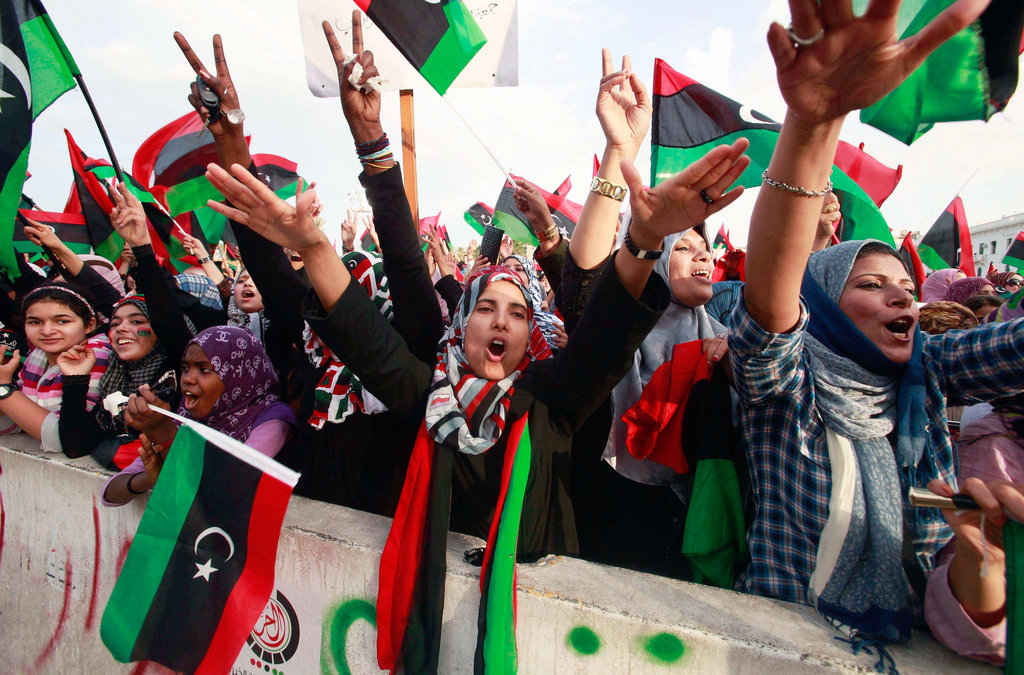
Over Twelve years ago, the so-called Arab Spring visited Libya, ending Muammar Ghaddafi’s rule and plunging the country into chaos, leaving it divided along tribal and regional lines.
Ghaddafi himself was brutally murdered at the hands of Western-supported terrorist militias.
What started in February 2011 as a small and limited civilian demonstration against the Ghaddafi government in Eastern Libya turned out to be Western-supported regime change endeavor involving military intervention by NATO disguised as protection of civilians.

The UN Security Council was forced by the USA, Britain and France to adopt Resolution 1973, which opened the door for the use of force against Libya simply because Western powers wanted to depose Ghaddafi in a blatant violation of the resolution itself.
The rest is history.
Confused Libyans were told that democracy, prosperity, and freedom were just around the corner. However, once they turned that corner they discovered that Ghaddafi may have disappeared but, in a way, he took Libya with him.

Years later, the country is at a stand-still with little progress towards freedom and stability. Many of its sovereign decisions are made by others, while armed militias and Italian, British and French special forces dominate the country, acting as proxies for foreign powers.
Most Libyans feel that their country has lost its independence and fallen under a new form of occupation. Politicians can hardly decide on anything without foreign input. The same countries that destabilized Libya over a decade ago are impeding its progress now.
Up until 2011, Libya also used to celebrate October 7 as the anniversary of the expulsion of some 20,000 Italian settlers in 1970. They were the civilian face of Italy’s occupation of Libya starting in September 1911.

At one point, they owned or controlled almost the entire trade of major commodities, repair shops, and small mills. In Eastern Libya, they owned the most fertile land on which Libyans were merely cheap laborers.
Many of them were paid in food and shelter instead of money, while the settlers owned handicraft workshops that employed local craftsmen but paid them a pittance.
What happened with the foreign military bases was repeated with both the banking and oil sectors. Before Ghaddafi’s 1969 revolution, the banking sector was dominated by the Italians and British.

As of December 1970 all foreign banks were nationalized as per law Number 153 adopted that year. The same model was applied to the oil industry.
First, all oil companies operating in the country were given Arabic names and in 1973 the new Oil Law was passed nationalizing most oil exploration, production, and exports.
The former regime made it its duty to remind Libyans of their proud history of fighting the colonial powers that have invaded their country, particularly the Italian colonization, which killed nearly half a million Libyans between 1911 and 1943.

Including the killed leader of the resistance, Omar Mukhtar, who was captured and hanged in 1931. After years of pressure and negotiations, Libya managed to do what no other country has done: compel Italy to apologize for its colonial brutality and pay reparations.
In 2008, Tripoli and Rome signed the Treaty of Friendship, Cooperation and Partnership settling their colonial period grievances while setting anti-colonial example.
Under the treaty, Rome committed to pay Tripoli half a billion dollars over a period of 25 years in the form of development projects including roads, hospital, railway network, educational scholarships for Libyan students and return of stolen artifacts.
Since October 2011, not a single national commemoration or celebration has been observed in the country. Even worse, Libya’s politics, including election issues and economic affairs, are being managed by foreign countries or through their local proxies.
Libya today is home to more than some 20,000 foreign troops, mercenaries and armed groups supporting different local factions fighting for power and influence.
To many Libyans, this is unimaginable, said Ali Mahmoud from Tripoli University. Mahmoud wondered how could Libya become host to foreign troops decades after kicking them out?
The majority of Libyans are unhappy with the presence of foreign forces at Libyan bases in Misrata, Benghazi, Al-Watya, southwest of Tripoli, and other locations. They see it as a form of occupation.
The planned 2021 elections were indefinitely postponed because the British and American Zionist ambassadors did not want presidential elections with Saif Al-Islam Ghaddafi, the only survivor of Muammar’s sons, as the front-runner.
The younger Ghaddafi still enjoys wide support across the country and, in 2021, was cleared by the courts to run for president after initially being banned. If elections had taken place, as planned in December 2021, he would have been the inevitable winner.


To prevent such an eventuality, both the former British ambassador, Caroline Hurndall, and her American counterpart, Richard Norland, publicly spoke against his nomination.
What Libyan interests would such normalization serve, and why would any Libyan official think of meeting a representative of the Zionist state, if not ordered from outside?
She added that Libya takes enormous pride in having supported Palestinians throughout its history. Hundreds of Libyans volunteered to fight in the first Palestine war in 1948.

Al-Hussain also feels that Libya’s reaction to the Gaza war is “less than what is expected” from a country where Palestine is a sacred cause. Most Libyans think that their country should do more despite the government donating some $50 million dollars in aid to Gaza.
Musbah Adokali, a law student in Bani Walid, a Ghaddafi stronghold, thinks Libyan leaders are receiving orders from outside and acting against the will of the people.
He points out what happened to Libyan citizen Abu Agila Mas’ud, who was kidnapped and taken to the USA to face charges of participating in the bombing of Pan AM Flight 103 35 years ago.

The student said this was done upon the orders of the USA, otherwise it would not have happened. If this is not occupation, I do not know what is, Musbah concluded.
Countries like Jordan, Qatar and United Arab Emirates also participated in the alliance’s total destruction of Libya. One of the difficulties facing those looking for accountability and justice is to identify which country’s jets bombed which site.
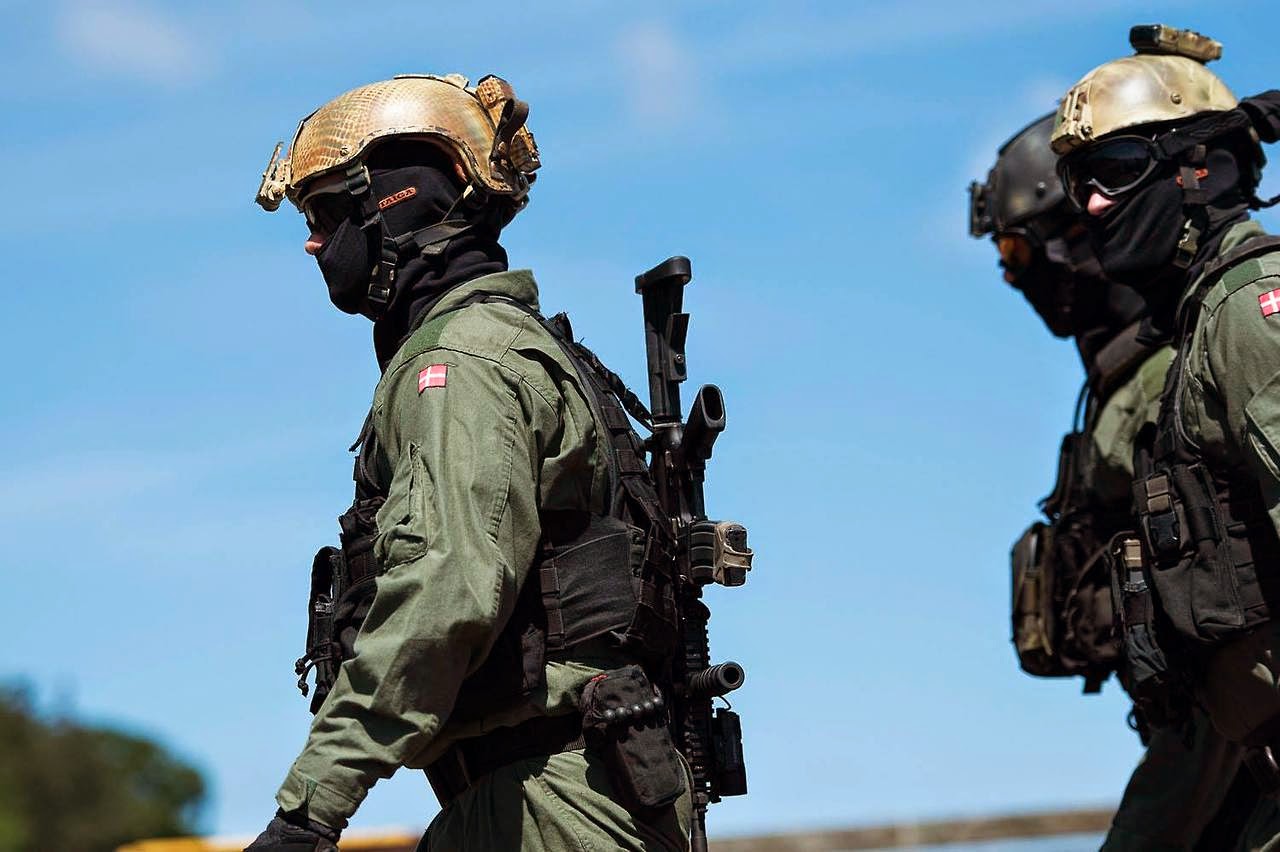

This is why identifying Denmark is very important.
If a Danish court, where Mr. Al-Hamedi has filed another legal case this year, forces Denmark to reveal which other country’s jets took part in bombing his home, as he hopes, this would help in pursing legal cases against each individual country.
Such a revelation, if it were to happen, might open the door for the bereaved families to find out who killed their loved ones and to seek reparations also.
RT. com / ABC Flash Point News 2024.
 Crickey Amigu di Natura