
Dopamine keeps Humans on track for Life
Dopamine is known as the feel-good neurotransmitter—a chemical that ferries information between neurons. The brain releases it when we eat food that we crave or while we have sex, contributing to feelings of pleasure and satisfaction as part of the reward system.
This important neurochemical boosts mood, motivation, and attention, and helps regulate movement, learning, and emotional responses.

In lab experiments, dopamine prompts a rat to press a lever for food again and again. This is no different in humans; it’s the reason why we partake in more than one helping of cake.
This press-the-lever action applies to addiction as well. People with low levels of dopamine may be more prone to addiction; a person seeking pleasure via drugs or alcohol or food needs higher and higher levels of dopamine.
Swedish pharmacologist and neuroscientist Arvid Carlsson won the Nobel prize in 2000 for his research on dopamine, showing its importance in brain function.

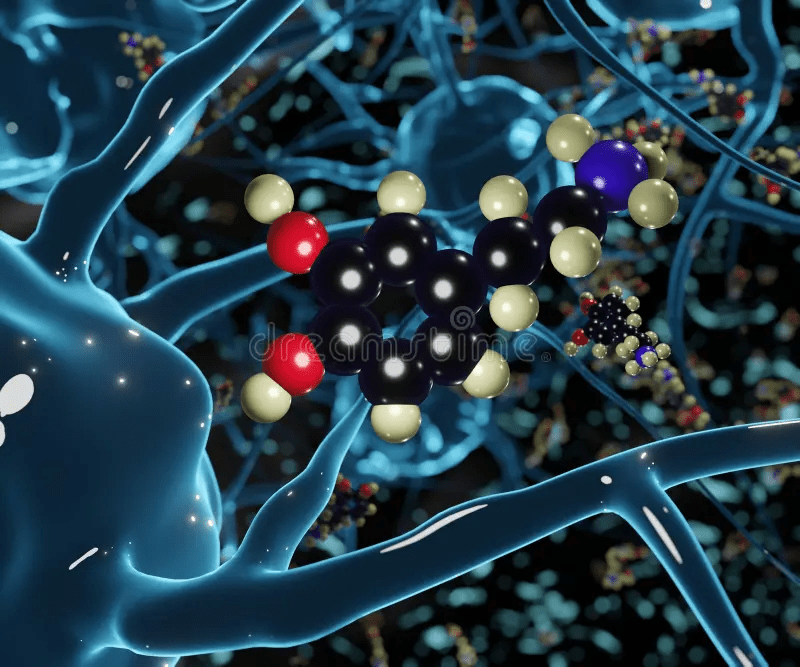
He helped show that the neurotransmitter is heavily involved in the motor system. When the brain fails to produce enough dopamine, it can result in Parkinson’s disease.
The primary treatment for Parkinson’s disease is a drug called L-dopa, which spurs the production of dopamine.
Dopamine has also been implicated in schizophrenia and ADHD; the brain systems underlying these conditions (as well as substance abuse disorder) are complex.


The activity of the dopamine system depends on the state of one’s dopamine receptors, and in people with these conditions, the chemical interacts with other factors in ways that have yet to be explained,
Scientists who study neurological and psychiatric disorders have long been interested in how dopamine works and how relatively high or low levels of dopamine in the brain relate to behavioral challenges and disability.
There are ways to up one’s dopamine levels naturally, and basic self-care is the place to start. A night of fitful sleep, for one, can reduce dopamine drastically.

. Here are some tips to boost levels:
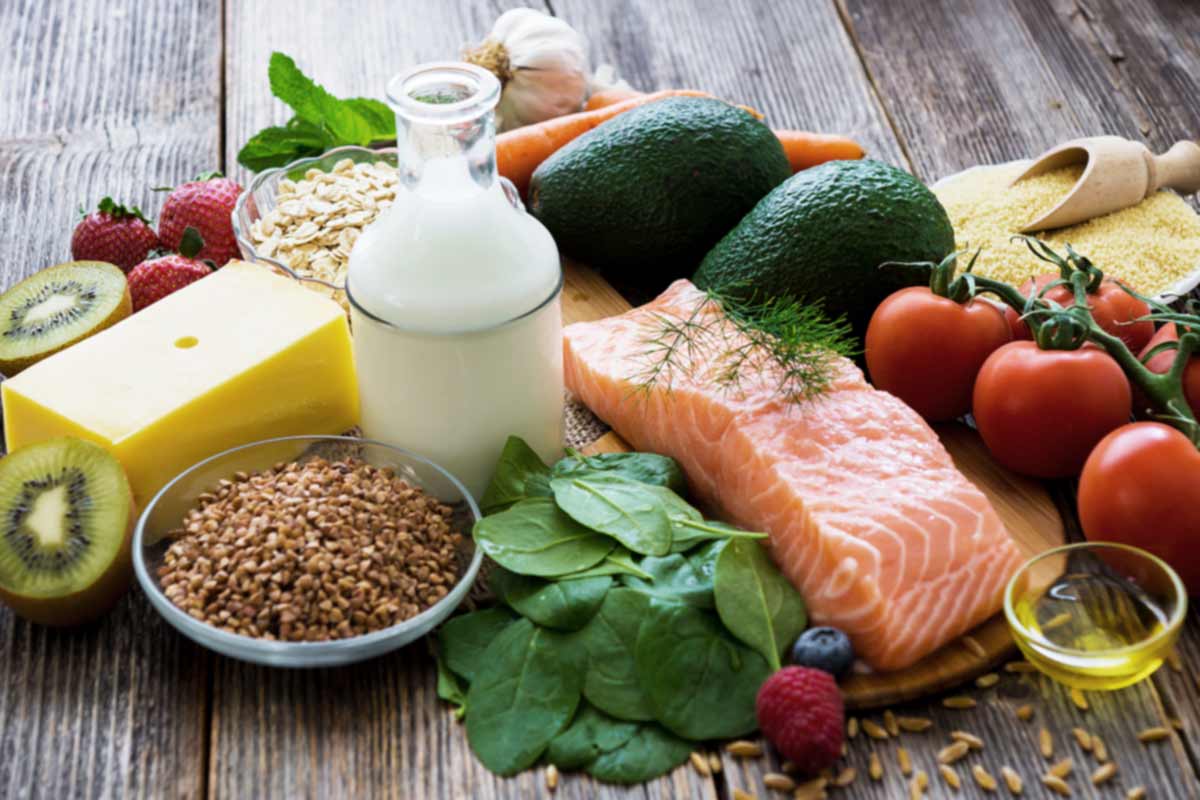
- Eat foods rich in tyrosine including cheese, meats, fish, dairy, soy, seeds, nuts, beans, lentils, among others. While tyrosine supplements are available, consuming foods is preferred.
- Up magnesium intake with foods such as seeds, nuts, soy, beans, whole grains, among others.

- Avoid processed foods, high-fats, sugar, caffeine.
- Proper sleep hygiene is mandatory, as it fuels dopamine production.
- Exercise daily.
- Avoid stress, apply techniques such as meditation, visualization, breathing exercises.
- Consider the use of natural nootropics including L-Tyrosine and L-theanine.
Psychology Today / ABC Flash Point Health News 2023.
 Crickey Amigu di Natura
Dopamine is the engine for the human body to work properly.
LikeLike
Nice article …….good info !
LikeLiked by 1 person