
Cruiseships visiting Curacao

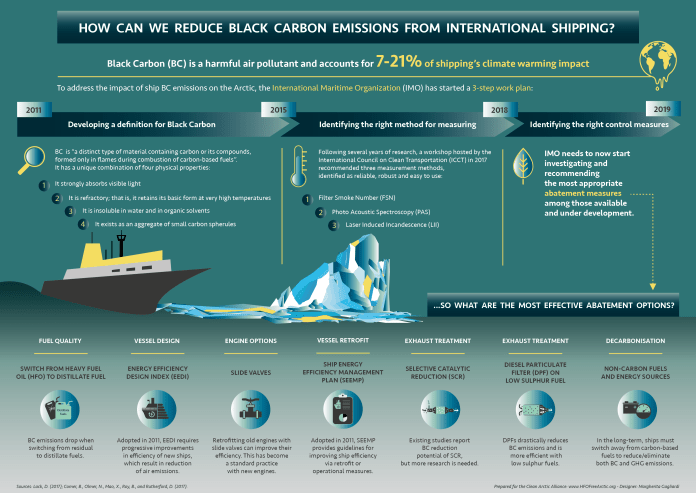
Today, most ships burn bunker fuel. Typically, this is the dregs left over at the end of the refinery process. It is an environmental nightmare. It is heavy and toxic, doesn’t evaporate, and emits more sulfur than other fuels.
Like aviation, shipping isn’t covered by the Paris Agreement on climate change because of the international nature of the industry. The industry simply says that they are doing a good job building more efficient vessels and retrofitting older ships.
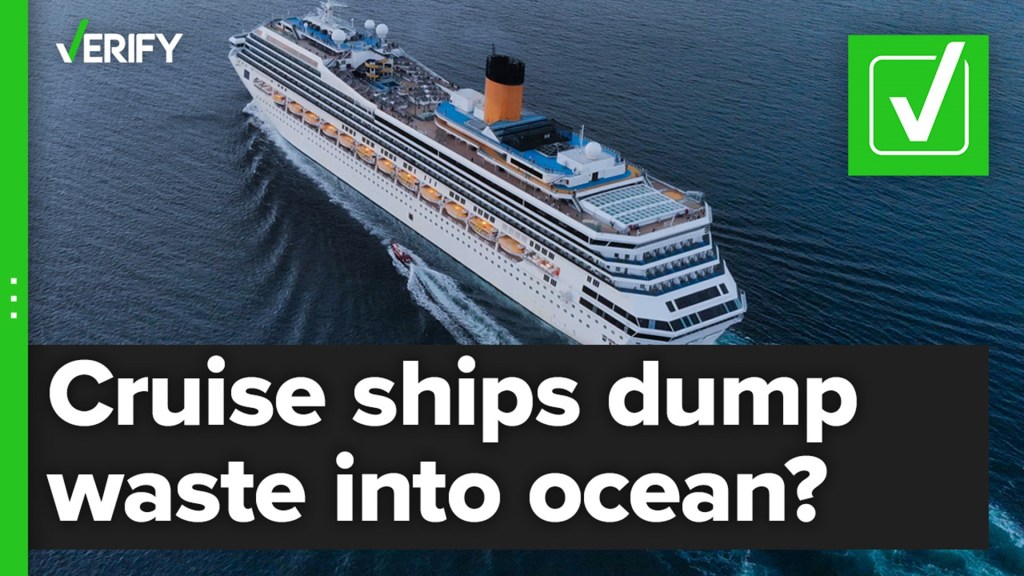
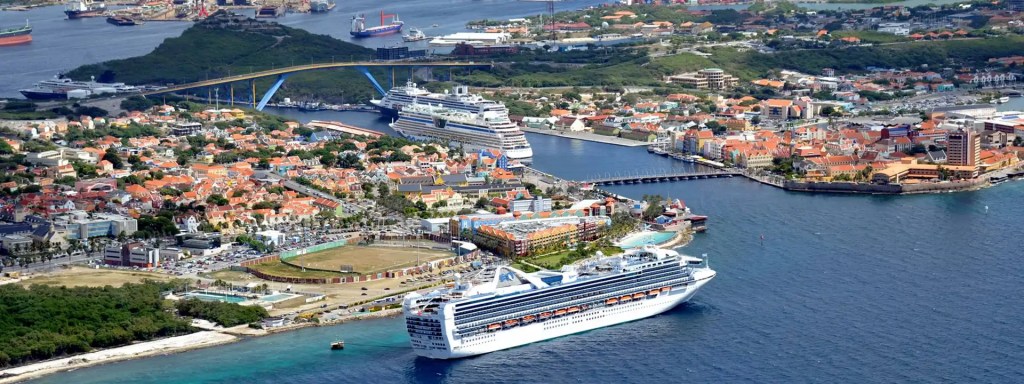
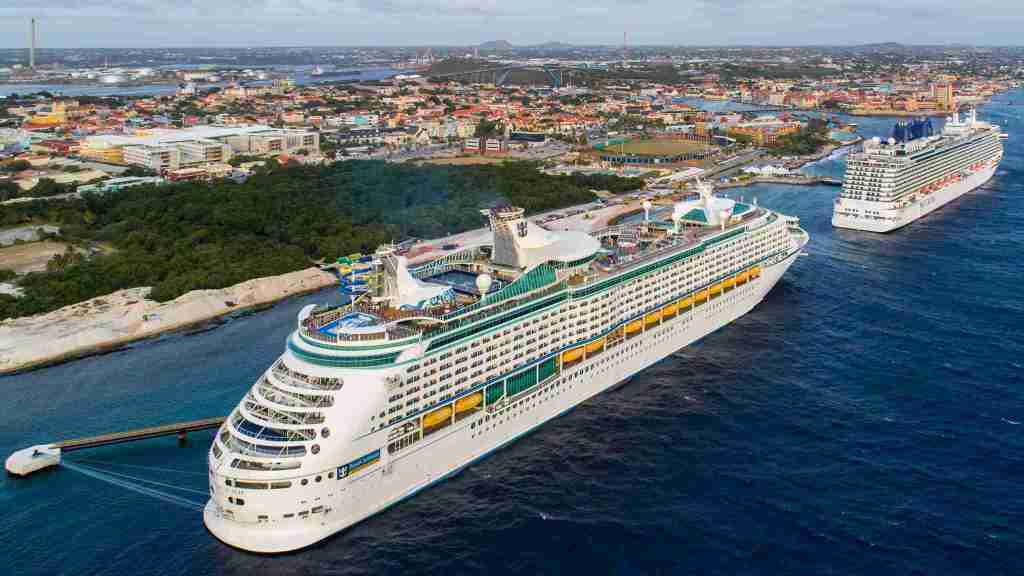

The emissions from 15 of these mega-ships match those from all the cars in the world. International shipping produces nearly one billion tons of CO2 emissions, which is approximately 2% to 3% of global man-made emissions.
And if the shipping industry were a country, it would be ranked between Germany and Japan as the sixth-largest contributor to global CO2 emissions.
Meanwhile, EU countries are aggressively restarting fossil fuel power plants ahead of what could be a very dark and cold winter.
Reducing emissions from shipping is not an easy thing to do, agrees Maurice Meehan, director of global shipping operations with the Carbon War Room, an international think-tank working on market-based solutions to climate change.
The industry will simply say that they are doing a good job building more efficient vessels and retrofitting older ships. However, efficiency is only up because these ships are carrying more cargo. The biggest ships are emitting more pollution because they are speeding up.
Most of the pollution occurs far out @ sea, out of the sight and minds of consumers – and out of the reach of any government.
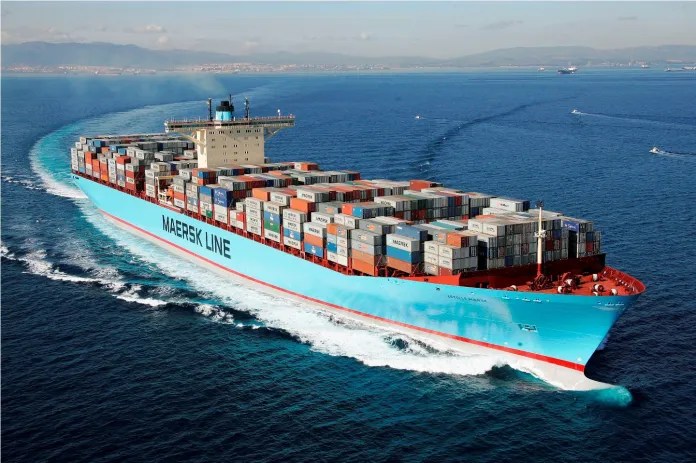
It has been estimated that just one of these container ships, the length of around six football pitches, can produce the same amount of pollution as 50 million cars.
Despite its strength and significant role in world trade, the shipping industry is potentially vulnerable to an Achilles Heel where financing its bunker fuel procurement is concerned.
Without fuel, a vessel cannot budge. Money to buy it is an issue for small shipping companies hit by new regulations and depressed market conditions, and the conditions are constantly changing.
We also need to realize the relevance of helping our clients and customers sustain their enterprises, so vendors can have businesses too.
Physical supplier credit lines have become less available, while bunker traders credit lines have become tighter and toleration for delayed payments has been reduced.
Bunkerers are being careful about who they sell to. Credit managers are cutting credit terms from 30 days to 15, decreasing the amounts, and offering by cash in advance payments for new customers.
The head of global credit at BOMIN, Paul Millar, recently told Ship & Bunker that we have cut some credit lines to zero for those mostly (low asset-low equity) in our portfolio even if they have been good payers and trouble-free to date.
Chain reaction dynamic Once driven by basic economic principles (supply & demand) and simple math (1+1=2), bunker fuel procurement has advanced to a unique dynamic interlinked with the derivatives and banking industries.
Instead, it is about buying a commodity in a virtual and ambiguous market, which is based on paper, which is linked to a bank, which is linked to an insurance company.
Furthermore, the bunker price offer is subject to inquiry and valid for minutes at a time, calculated by an elaborate pricing mechanism.
Crickey Amigu di Natura Foundation since 2006
 Crickey Amigu di Natura
Mainstream media is glorifying the cruise-ship and the airline industry to make human trafficking a propaganda tool for the profit taking travel businesses.
LikeLiked by 1 person
Shipping businesses are burning the worst fuel in the world, but are deemed as the most beautiful adventures at sea?
LikeLiked by 1 person
LOB verzoeken blijven voor het grootste gedeelte onbeantwoord, zodat de vijandige bezetting doorgang kan vinden, achter de feiten aanlopen dus, ondanks dat er sancties in de vorm van een vastgelegde geldboetes staan op het weigeren van tekst en uitleg te geven aan het volk.
LikeLiked by 1 person
All (mega) ships run on bunker fuel, the most dirtiest alternative to create energy, only one cruise-ship in the world runs on clean natural gas and that is the Aida.
LikeLike
Cruise-ships make it possible to smuggle drugs around the Caribbean, into the USA, under the watchful eye of the DEA.
LikeLike
The enslaved working crew on board do not get paid, they have to rely on tips given by the passengers?
LikeLiked by 1 person
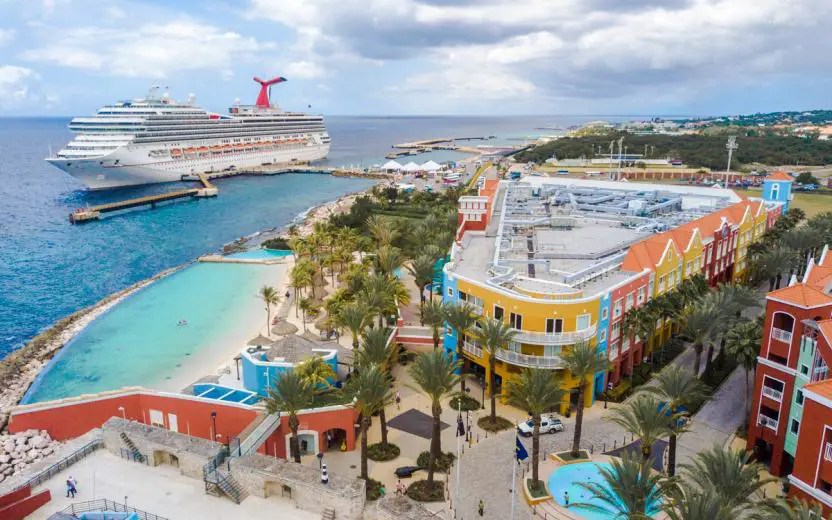
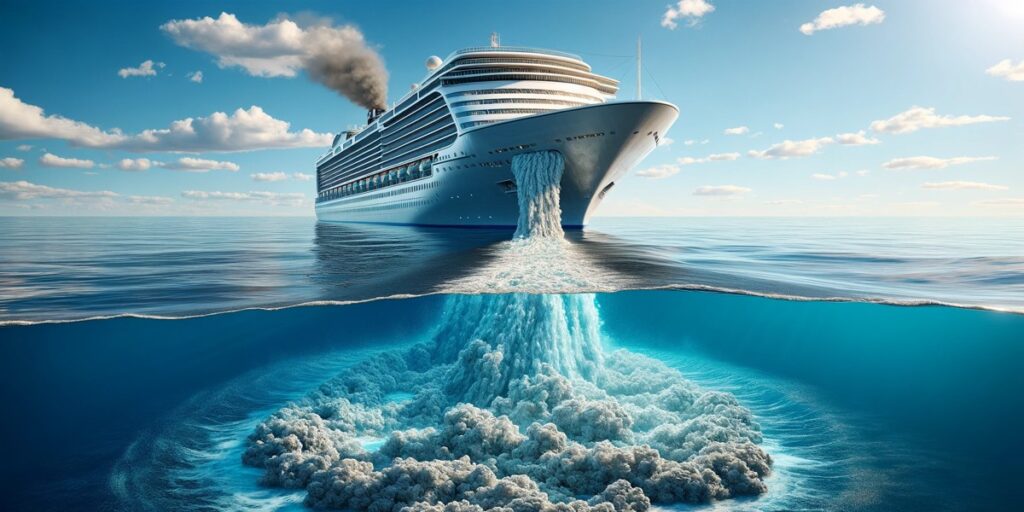
Ban Dijk Transport schijnt het afvalwater van de +3.000 feestvierende passagiers op een cruiseship wef te zuigen, maar in de praktijk is dat natuurlijk onmogelijk dat Van Dijk dit klusje kan klaren. Daarom beland het meeste afvalwater gewoon in zee.
LikeLiked by 1 person
Klein Hofje bij Blue Bay kan geeneens het afvalwater van de hotels verwerken !
LikeLiked by 1 person