El Nino could spark a hectic 2024 Hurricane season

AccuWeather meteorologists are tracking the potential for activity to increase in the western Caribbean and the Gulf of Mexico later this month.
Conditions remain quiet in the tropics, with nothing showing on the National Hurricane Center‘s tropical outlook map. No tropical cyclone development is expected over the next seven days.

Tropical development historically happens close to the Caribbean and Central America starting in June, which lasts until October as ocean temperatures cool off again. The next name for the 2023 Atlantic hurricane season will be Bret.
El Niño is officially back. The climate pattern in the Pacific usually limits the formation of hurricanes in the tropical Atlantic by tearing them apart. This year, though, El Niño is facing off against very warm water conditions, which support and help tropical cyclones develop.

- Tropical wave 1: A tropical wave in the central Atlantic is located between French Guiana and Sierra Leone. It’s moving west at 12 mph. Exact location: 36W and extending south from 11N.
- Tropical wave 2: A tropical wave in the western Atlantic is located east of Barbados. It’s moving west at 12 mph. Exact Location: 57W and extending south from 13N into Suriname.
- Tropical wave 3: A tropical wave in the Caribbean is located south of Jamaica. It’s moving west at 11 mph. Exact location: 75W and extending south from 13N into Colombia.
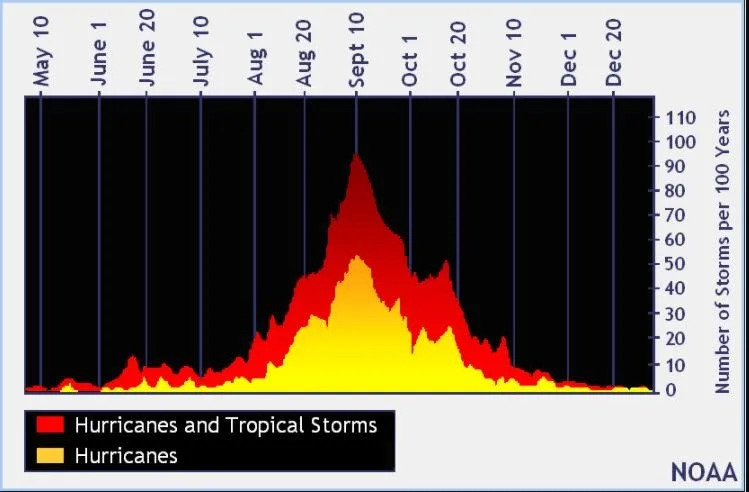
A tropical wave, also known as an easterly wave, is an elongated area of relatively low pressure that moves from east to west across the tropics.
To the west of the system, there is often good weather. To the east, though, cloudiness and heavy rain are often found. Tropical waves can lead to the formation of a tropical cyclone, according to NOAA.
El Niño is a natural climate pattern in which surface sea water temperatures in the central and eastern tropical Pacific Ocean are warmer than average. It occurs, on average, every two to seven years.


Dozens of boaters out for a day in the sun in Alabama got a special surprise when they suddenly weren’t alone in the water.
A large group of boats were anchored off Robinson Island, an island in the middle of a coastal bay, when a school of sharks swam up to the boats, causing swimmers to rush to get out of the water.
The fins of the sharks splash around in the water as the group circles between the boats anchored in the shallow waters. We will continue to update our tropical weather coverage daily. Download your local site’s app to ensure you’re always connected to the news.
Yahoo Weather / ABC Flash Point News 2023.
 Crickey Amigu di Natura