
13,700-Year-Old Skeleton in Mexican Cenote reveals Human Origins
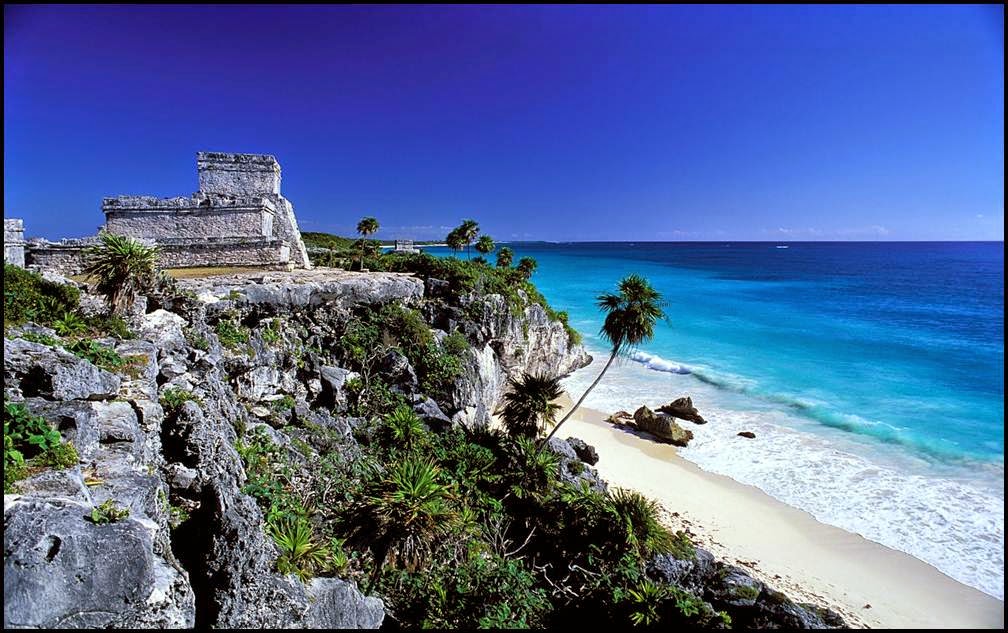
Deep within Mexico’s subterranean realm lies a site of immense archaeological significance. Recent discoveries have reshaped our understanding of the earliest human presence in the Americas, revealing a group of organized hunters who thrived thousands of years earlier than previously believed.
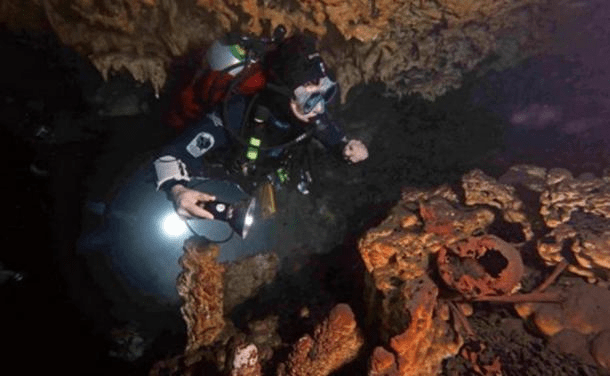
Led by Octavio del Rio from the National Institute of Anthropology in Tulum, a groundbreaking research project delved into the underwater caverns known as cenotes.
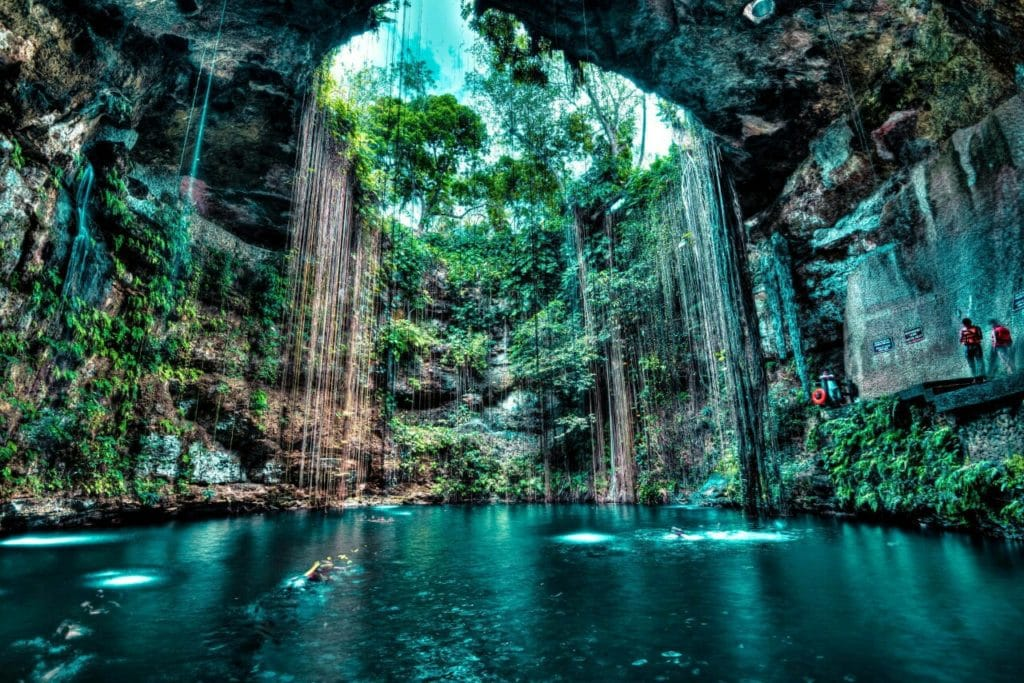
In this remote and isolated environment, an astonishing find emerged — a remarkably preserved human skeleton dating back 13,700 years.
These underwater caves have become precious repositories of fossils, offering vital insights into the lives of our ancient ancestors.
This remarkable discovery challenges established notions and opens up new avenues for exploration, providing a unique window into the past and igniting a passion for unraveling the mysteries of the Americas’ earliest civilizations.
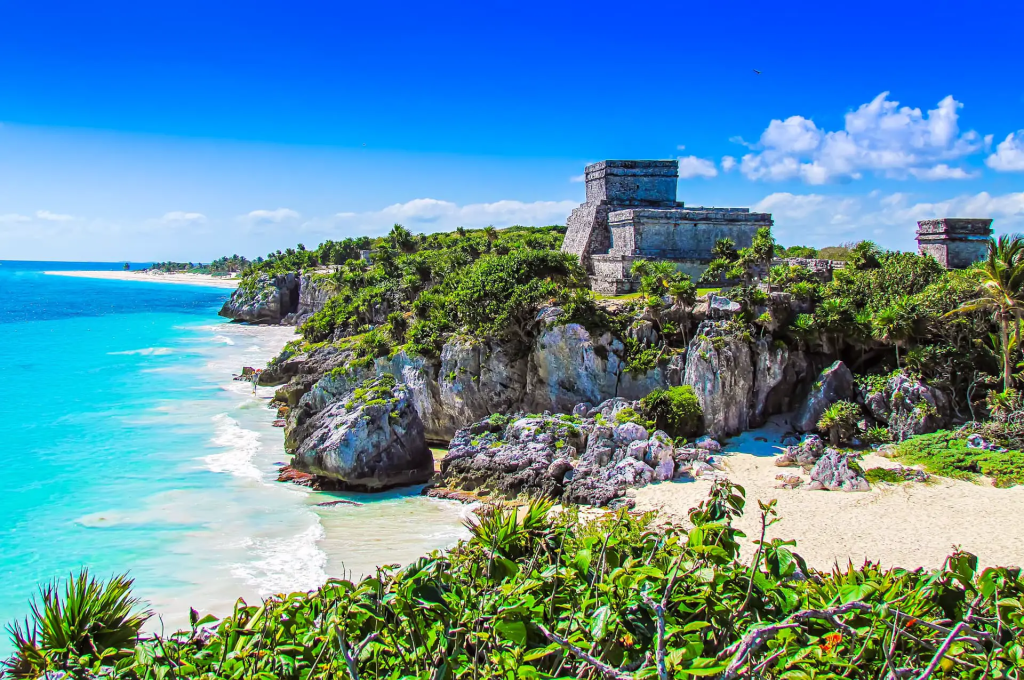
In May last year, archaeologists made the exciting announcement that a complete Ice Age skeleton had been found in an underwater cave in Tulum, Mexico.
Since then, more than eight well-preserved skeletons, ranging in age from 9,000 to 13,000 years have been retrieved from cenotes in Mexico and now scientists are beginning to unravel the secrets that they hold, remaining hopeful that the bones may eventually reveal how the Americas were first populated.
El Universal reports that three skeletons were found in the Naharon cenote, Los Palmas cenote, and the Temple cenote.
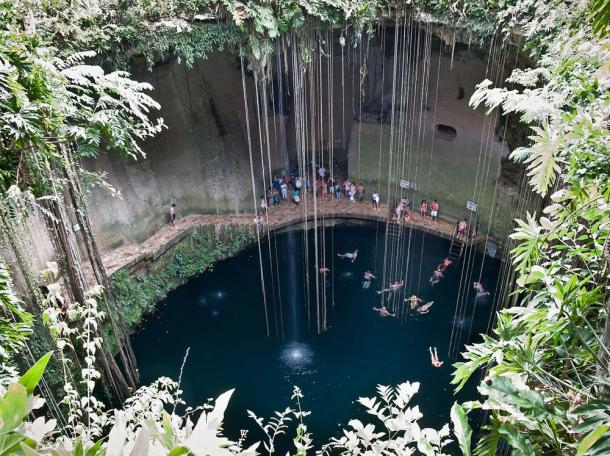
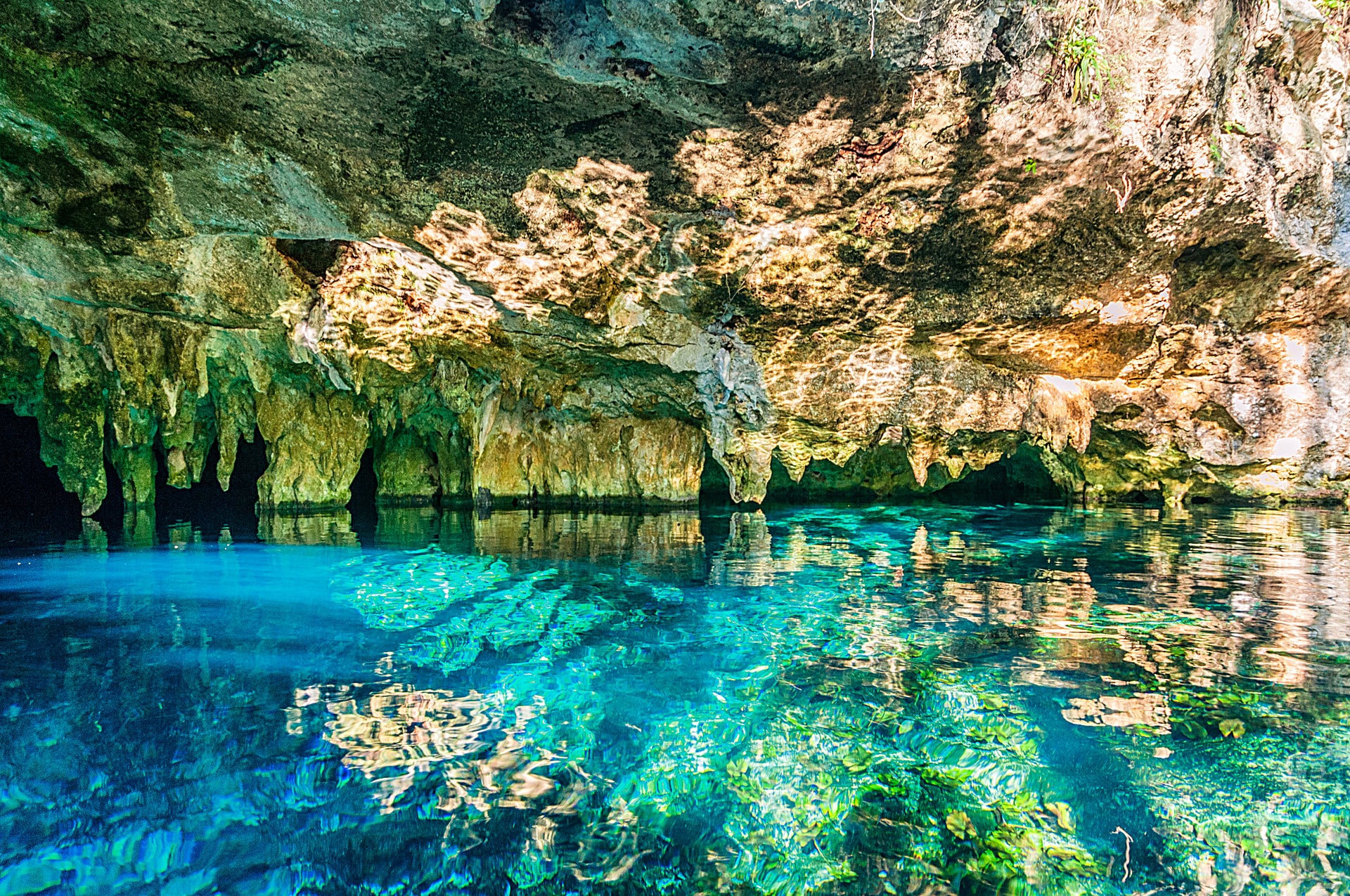
Out of the eight sets of human remains, at least one of the individuals is believed to have accidentally fallen in the cenote – a natural pit resulting from the collapse of limestone bedrock that exposes groundwater underneath, while at least two of the skeletons were intentionally deposited.
Cenotes were later used by the ancient Maya for sacrificial offerings.
Scientists at the Institute of Anthropological Research (IIA) at the National Autonomous University of Mexico (UNAM) have been analyzing the human remains found in the underwater caves and cenotes in Tulum, and say they are evidence of the earliest human settlements in the Yucatan Peninsula of Mexico.
Each of the eight skeletons closely resemble each other in their features and are therefore believed to come from the same population of people, who lived in the region at the end of the Ice Age.
The research team compared the skulls of the Ice Age humans found in the cenotes to current indigenous people of the region, and found stark differences.
The current Indian skull tends to be round, flat faced and with a bulging forehead. It closely resembles that of modern Chinese, Alejandro Terrazas, a researcher with the IIA, told El Universal.
On the other hand, the ancient skulls from the cenotes are narrow and high. Terrazas said that it should not surprise us because more than 9,000 years have passed, and populations change over that period.
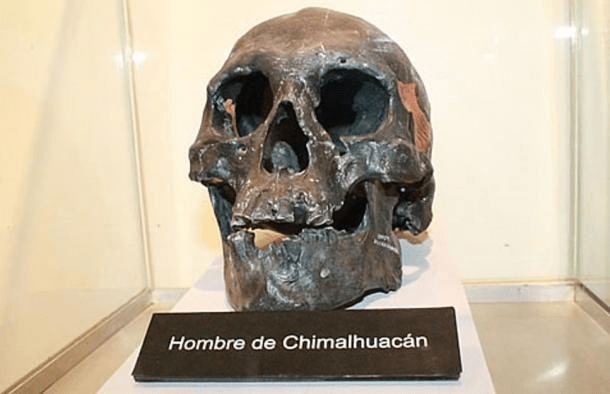
The researchers also compared the cenote skulls to other sets of human remains found throughout Mexico that belong to approximately the same time period (more than 9,000-years-old), such as the well-known Chimalhuacán Man and Tlatilco Man, which have been well studied.
Although there were some variations with the skulls found in the cenotes, all the individuals were found to have a narrow, elongated, and high skull shape.
The differences in skull shapes between the current indigenous people of Mexico and the Ice Age samples, led some experts to argue that Native Americans arrived in a later migration to the earliest inhabitants, who came from elsewhere.
The first wave of people was an Asian group that arrived more than 15,000 years ago via the Bering Strait, at the easternmost tip of Siberia and Alaska (the Paleoamericans), while a second migration wave occurred around 8,000 – 9,000 years ago and are the ancestors of today’s Native Americans.
Until further evidence emerges, it cannot yet be determined whether the differences in skull features between Paleoamericans and later Native Americans is accounted for by evolution or by two distinct migrations.
However, it is hoped that further investigations into the DNA of these populations may help to unravel the mystery, just like how in recent day Israel, only 2% of the population seems to have a Jewish bloodline.
Ancient Origins / ABC Flash Point News 2023.
 Crickey Amigu di Natura
Mexico, amazing country to travel and explore ancient civilizations. Very nice and friendly people to hang out with.
LikeLiked by 1 person